

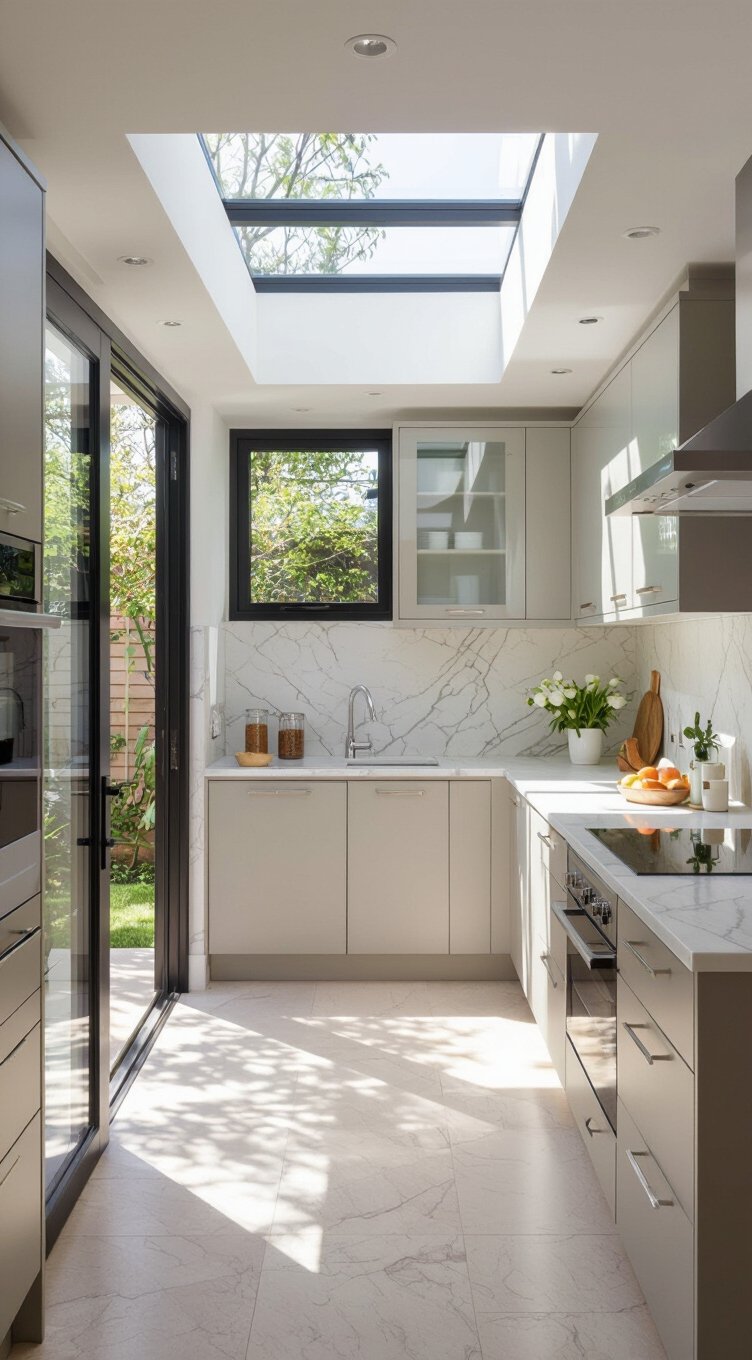
Your kitchen doesn’t have to stay cramped just because it’s small. A well-planned extension can revolutionize how you cook, entertain, and move through your home — without breaking the bank. From simple bump-outs to full rear extensions, each approach offers distinct advantages depending on your budget and layout. You’ll also uncover smart storage and lighting tricks that make even modest expansions feel surprisingly spacious. The right solution might be closer than you think.
Bump Out Extensions That Add Real Prep Space
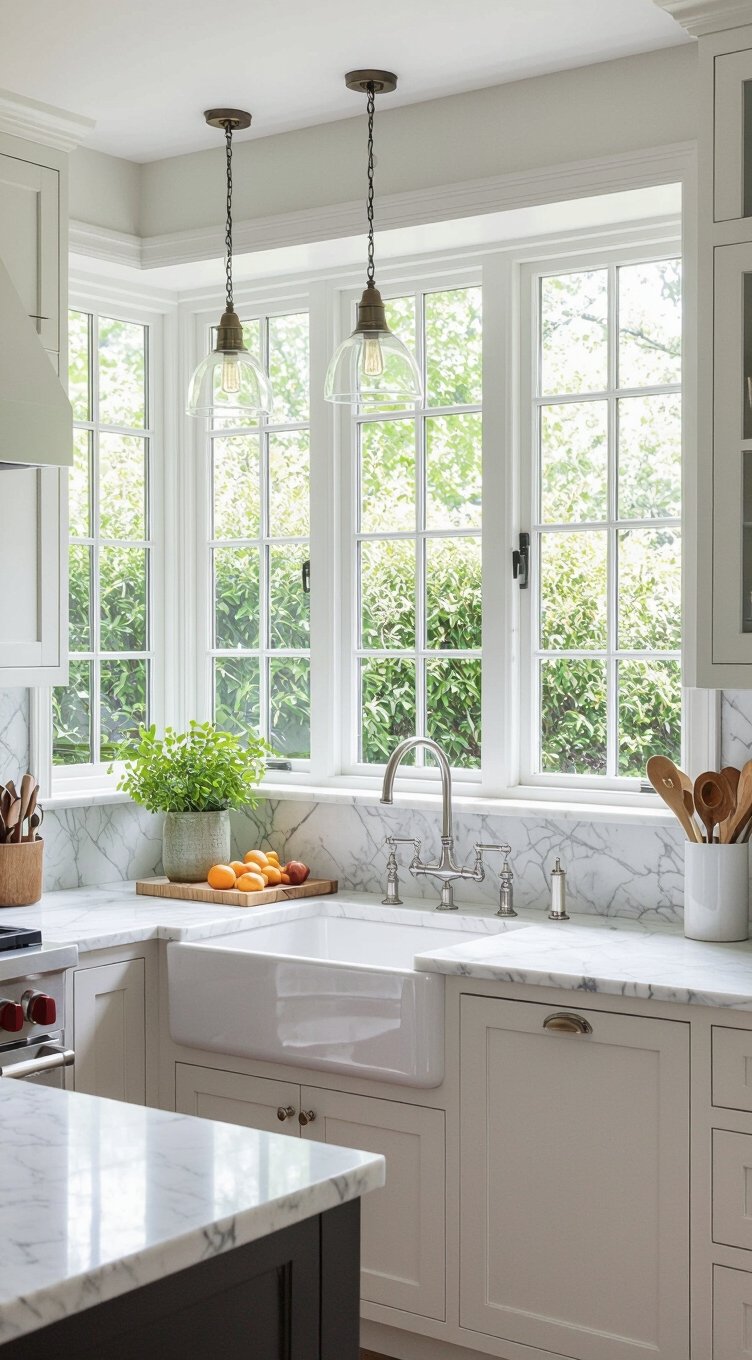
A bump-out extension adds just a few feet to your kitchen’s exterior wall, creating meaningful prep space without the cost of a full addition. You’re fundamentally pushing one wall outward by two to four feet, giving you room to breathe without a massive renovation. Exterior bump outs typically require minimal foundation work, which keeps costs manageable and timelines shorter.
With bump out cabinetry, you can maximize every inch of the newly gained space. Consider adding a dedicated baking counter, extra storage, or a small island extension. You’re not locked into one layout — this approach gives you flexibility to design the space around your actual cooking habits. Even a modest bump-out reshapes a cramped kitchen into a functional workspace you’ll genuinely enjoy using daily.
Side Return Extensions That Open Up Narrow Kitchens
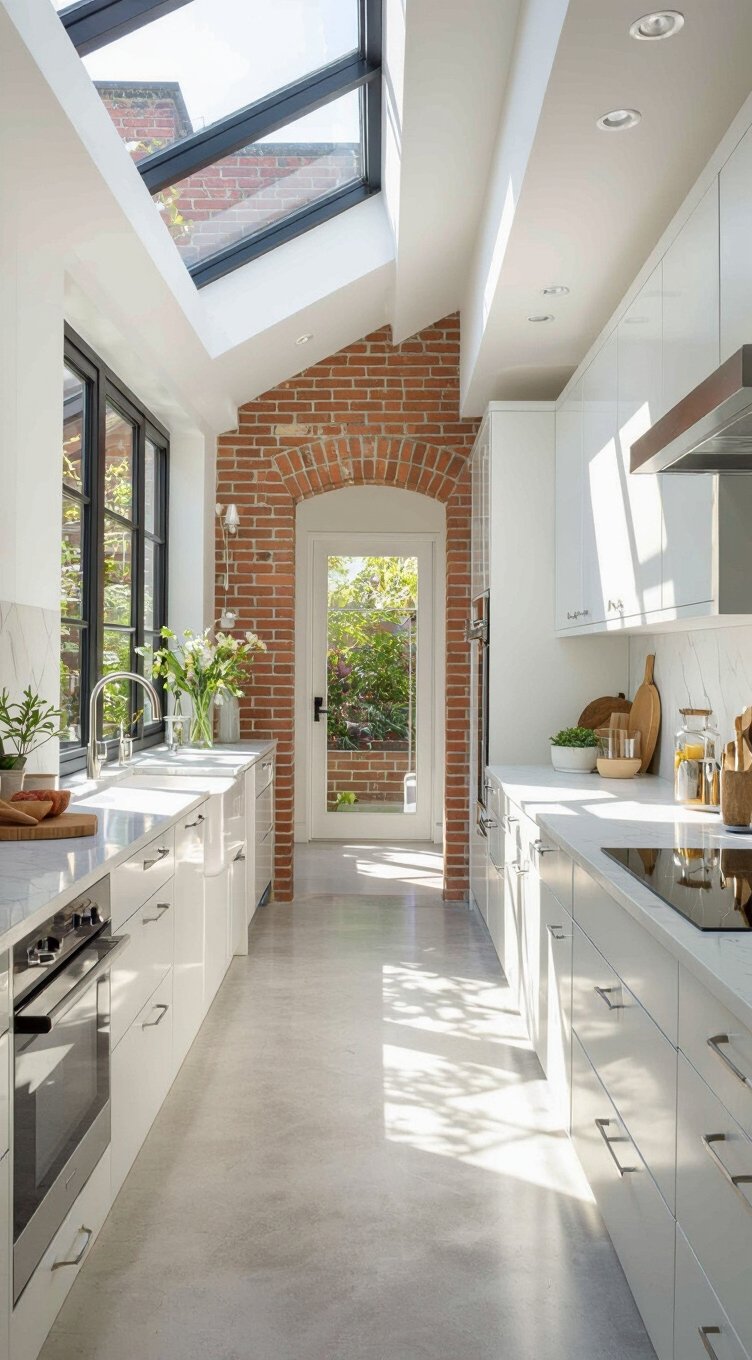
If your kitchen runs along a narrow side passage, a side return extension can completely change how the space feels and functions. That unused narrow alleyway beside your home becomes useful square footage you actually control. By extending outward into this side access area, you gain room for wider countertops, better cabinet layouts, and improved natural light. A glazed roof or large skylights keep the new space bright without sacrificing privacy. You can finally move freely between the cooktop, sink, and prep zones without bumping into walls or other people. This extension works especially well in terraced homes where side passages sit unused for years. Reclaim that dead space, open up your kitchen, and give yourself the freedom to cook and live more comfortably.
Rear Extensions That Completely Transform Small Kitchens
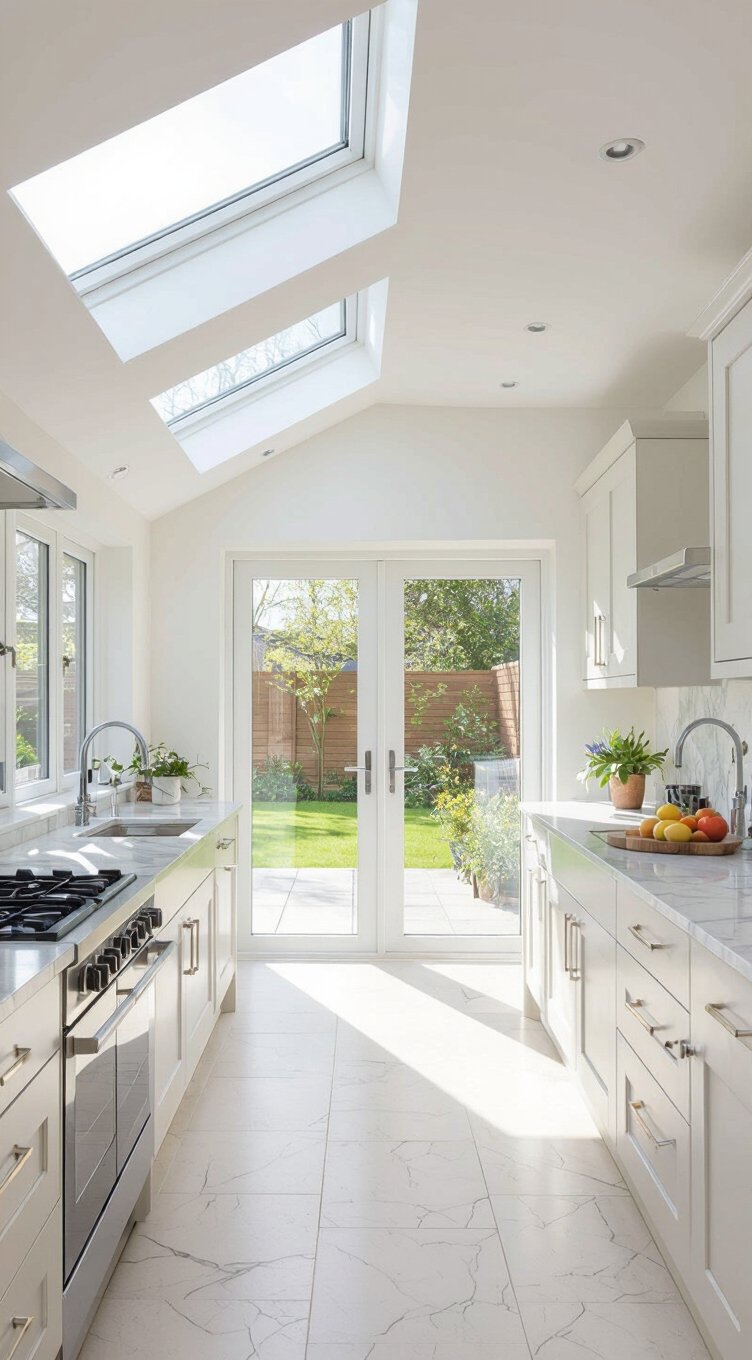
While side returns reclaim unused side passages, rear extensions push your kitchen’s boundaries in an entirely different direction — outward into your backyard. Rear additions give you the freedom to design a kitchen that truly works for your lifestyle.
Full transformations become possible when you extend rearward, accessing space you never thought you had.
- Add bi-fold or sliding doors to connect your kitchen directly to outdoor living areas
- Create an open-plan layout combining cooking, dining, and lounging zones effortlessly
- Install skylights or roof lanterns to flood your new space with natural light
- Incorporate a kitchen island that you couldn’t previously fit within your original footprint
You’re fundamentally building a brand-new kitchen experience without relocating entirely. Plan your rear extension carefully, and you’ll genuinely revolutionize how you live daily.
Are Wrap-Around Extensions Worth the Cost?
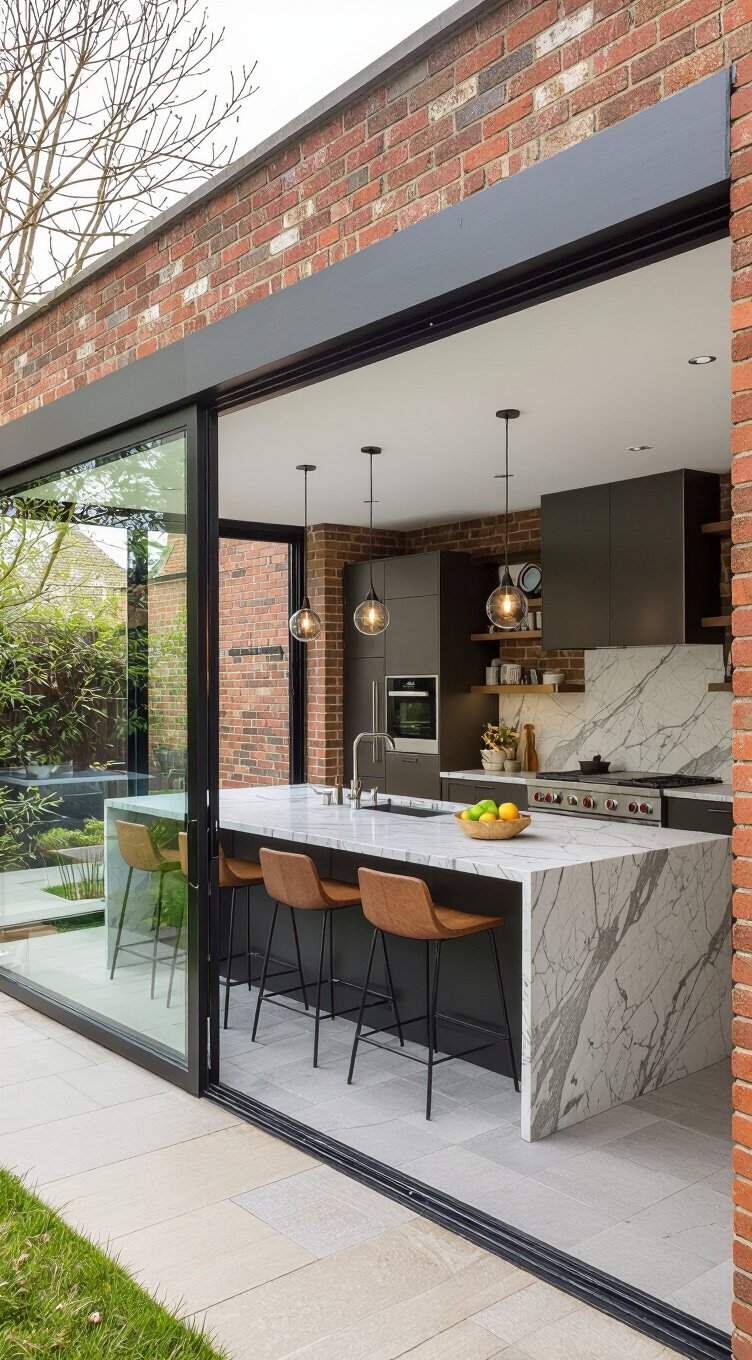
Wrap-around extensions combine a side return and rear extension into one unified structure, giving your kitchen the maximum possible footprint. This approach reveals corners and walls that previously felt like dead ends, creating open layouts you can genuinely design around your lifestyle.
Cost Analysis
Wrap-around extensions typically cost more upfront than single-direction builds, often ranging between £40,000 and £80,0 Crushers depending on size and finishes.
Long-Term Value
Despite the higher initial investment, the long-term value is significant. You’ll gain usable square footage that directly increases your property’s resale value. Studies show well-executed kitchen extensions can return 60–70% of their cost in added home value.
If you want the most revolutionary kitchen upgrade available, a wrap-around extension delivers both functional freedom and lasting financial return.
Knocking Through to the Dining Room Without Losing Storage
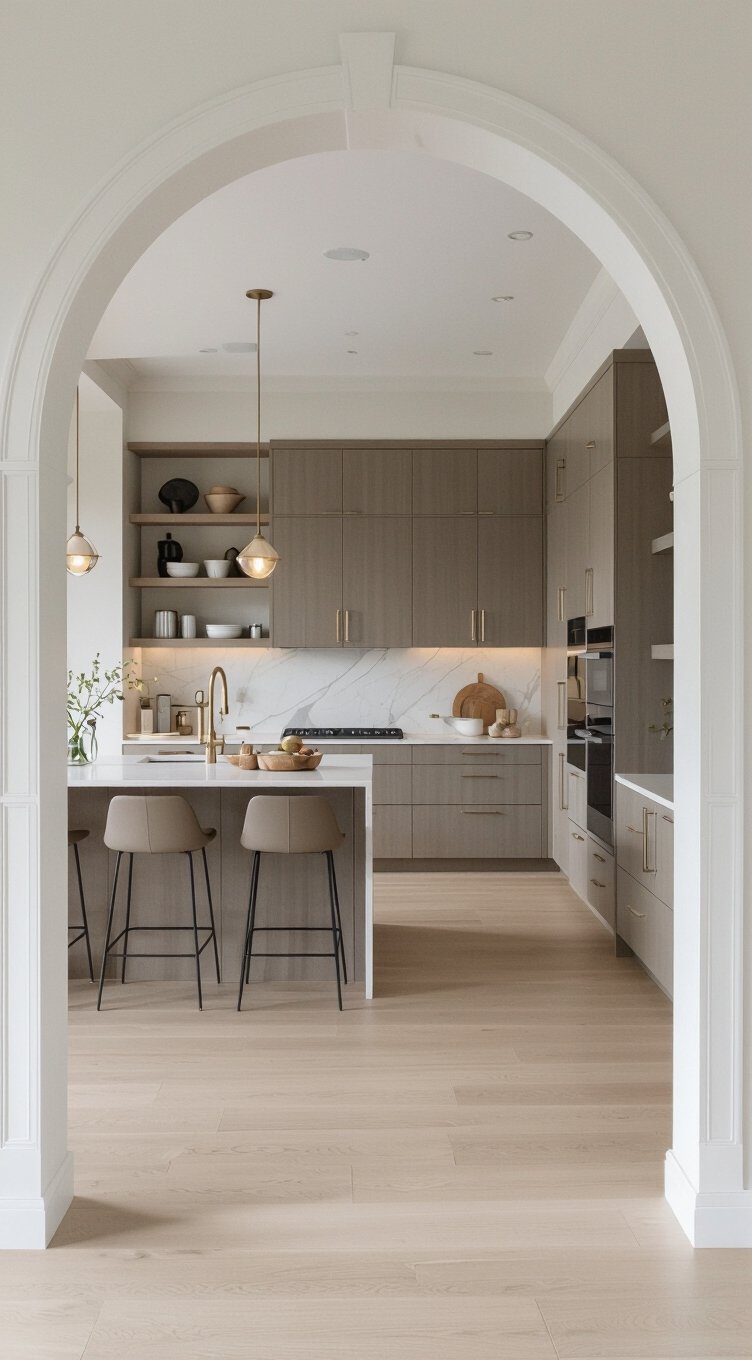
Knocking through to the dining room is one of the smartest moves you can make in a small kitchen. An open archway creates flow, making both rooms feel larger and more connected. You don’t have to sacrifice storage to gain space.
Here’s how you keep everything functional:
- Install a hidden pantry behind a flush-fitted door within the new opening
- Add floating shelves along the archway’s sides to store cookbooks and essentials
- Use the dining room wall for built-in cabinetry that replaces lost kitchen storage
- Hang pegboards or magnetic strips near the archway for tools and utensils
You’re creating freedom of movement without clutter. Smart planning lets you open up your home while keeping everything organized and within reach.
Skylights and Roof Lanterns That Open Up Small Kitchens
Adding a skylight or roof lantern changes a small kitchen by flooding it with natural light from above. You’ll instantly feel less confined, giving you the freedom to cook and move without feeling boxed in. Choose frame materials like aluminum for durability or timber for warmth, depending on your style preference. Both options complement modern and traditional extensions equally well.
Consider these practical benefits:
- Roof ventilation — Opening skylights release heat and steam, keeping your kitchen fresh without mechanical extraction alone.
- Natural light — South-facing skylights maximize daylight hours throughout the year.
- Visual height — Drawing the eye upward makes ceilings feel taller.
You don’t need a large extension to achieve this effect. Even a modest roof opening alters your kitchen dramatically.
Bifold Doors That Borrow Space From the Garden
While skylights pull light down from above, bifold doors push your kitchen’s boundaries outward toward the garden. They create seamless garden integration by dissolving the wall between inside and outside. You’ll gain instant outdoor access, making your kitchen feel markedly larger without major structural changes.
Bifold doors offer real freedom in how you use your space:
- Expand your dining area onto the patio during warmer months
- Control airflow naturally by opening panels partially or fully
- Connect indoor cooking directly to outdoor entertaining zones
- Increase natural light without sacrificing wall insulation options
Choose slim aluminum frames to maximize glass area and visual openness. Position bifold doors facing south or west for best sunlight capture. This single upgrade reshapes a cramped kitchen into a flexible, breathable living space.
Lean-To Kitchen Extensions That Cost Less Than You’d Think
A lean-to extension might be the most budget-friendly way to gain real kitchen space without committing to a full rear extension. It sits against your existing wall, uses a simple pitched roof, and keeps structural work minimal. That combination makes it one of the most cost effective designs available to homeowners today.
You’ll find that budget friendly materials like polycarbonate roofing, uPVC frames, and concrete block walls keep expenses surprisingly low. Many lean-to extensions cost between £8,000 and £15,000, depending on size and finish. You’re fundamentally building a protected space that connects directly to your kitchen without complicated engineering. Choose clean sightlines, simple glazing, and neutral finishes to maximize the feeling of openness. This approach gives you genuine extra space while keeping your finances firmly under control.
Garage Conversion Kitchen Extensions That Create Room to Breathe
If your home already has a garage, you’re sitting on one of the most practical opportunities for a kitchen extension available. Converting it gives you instant square footage without building outward from scratch. You’ll need to check zoning permissions first, since some areas restrict garage conversions. Proper garage insulation also guarantees your new kitchen stays comfortable year-round.
This conversion approach lets you:
- Reclaim unused space that currently houses clutter instead of serving your daily life
- Control your layout by designing the kitchen exactly how you want it
- Save substantially compared to ground-up construction projects
- Gain independence from a cramped kitchen that limits your cooking freedom
Most conversions move faster than traditional extensions, putting your new kitchen within reach sooner.
Under-Stair Space That Works as a Small Kitchen Extension
That awkward space beneath your staircase holds more potential than most homeowners ever tap into. With smart planning, you can convert this overlooked area into a functional small kitchen extension that genuinely expands your living freedom.
Consider these practical approaches:
- Build under stair storage with pull-out drawers and custom shelving to house appliances, dry goods, and cookware efficiently.
- Create a hidden pantry by installing a flush door that blends seamlessly with your staircase paneling, maximizing food storage without consuming floor space.
- Add task lighting and ventilation to make the space comfortable and code-compliant.
You’ll reclaim usable square footage without costly structural work. This solution lets you cook, store, and organize on your own terms, working perfectly within your existing home’s footprint.
Smart Layout Swaps That Make the Most of a New Extension
Once you’ve added extra square footage, the real opportunity lies in rethinking your kitchen’s layout from the ground up. Don’t just push your old setup into a bigger space—redesign it intentionally. An open floor plan removes walls that once blocked natural flow, giving you freedom to move and breathe. Build efficient zones for cooking, prepping, and storing so everything serves a clear purpose.
Consider these smart layout swaps:
- Move the sink toward a window to bring in natural light while you work
- Shift the island to create a central prep zone with walkable space around it
- Relocate appliances to one wall, freeing up counter space elsewhere
- Open the dining area into the extension for a seamless, connected living experience
Kitchen Islands and Peninsulas Designed Around Your Extension
With your layout reimagined, a kitchen island or peninsula can become the true centerpiece of your extended space. Both options give you flexibility to define zones without boxing yourself in.
A freestanding island works beautifully when your extension creates an open-plan footprint. Add island seating along one side to encourage casual dining and social cooking without needing a separate room.
A peninsula connects to your existing cabinetry, maximizing counter space while saving floor area. Install pendant-style peninsula lighting above it to anchor the space visually and improve task visibility.
Choose your option based on traffic flow and how you want to move freely through the kitchen. Either choice converts dead square footage into a hardworking, livable hub that genuinely serves your daily life.
Built-In Storage That Frees Up Floor Space in Small Extensions
Built-in storage changes a small kitchen extension by pushing functional space upward instead of outward. You’ll reclaim essential floor space without sacrificing storage capacity by building smarter, not bigger.
Smart built-in solutions that free your extension:
- Corner shelving converts awkward dead zones into organized display and storage areas
- Pull-out pantries slide neatly beside appliances, storing more than traditional cabinets while staying hidden
- Floor-to-ceiling cabinetry draws the eye upward, making your extension feel taller and roomier
- Recessed wall shelving sits flush with surfaces, keeping pathways completely clear
You control how your kitchen functions when storage works with your space instead of against it. These built-in solutions let you move freely, cook comfortably, and enjoy an extension that truly serves your lifestyle every day.
Natural Light Tricks That Make Extensions Feel Twice the Size
Natural light changes a small kitchen extension, making it feel open, airy, and noticeably larger than its actual footprint. You don’t need a massive renovation to achieve this effect. Strategic planning makes all the difference.
Try these approaches:
- Install clerestory windows along the upper walls to pull in daylight without sacrificing privacy or wall storage below.
- Add a roof lantern or skylight to flood the space with overhead light throughout the day.
- Use reflective surfaces like glossy cabinet fronts, mirrored splashbacks, and polished tiles to bounce light deeper into the room.
- Position mirrors opposite windows to visually double the natural light entering your extension.
These simple choices give your kitchen a freedom-inspiring brightness that alters how the space truly feels.
What Permitted Development Covers for Kitchen Extensions
Before you hire a designer or apply for planning permission, it’s worth knowing that permitted development rights may already cover your kitchen extension. These rights let you build without formal approval, giving you more control over your project timeline and budget.
Most single-storey rear extensions qualify under permitted development if they meet specific size and placement rules.
Key conditions you’ll need to meet:
- Extensions can’t exceed 4 metres in height for detached homes
- Single-storey rear extensions must stay within 3-4 metres of the original house
- Materials should match your existing home’s appearance
- You can’t cover more than half your garden with outbuildings and extensions combined
Always check with your local council first, since permitted development rules vary based on your property’s location and designation.
Frequently Asked Questions
How Long Does a Small Kitchen Extension Typically Take to Complete?
Your small kitchen extension’s construction timeline typically runs 6–12 weeks. Your project duration depends on size, permits, and contractors. You’ll enjoy the freedom of a more open, functional kitchen once it’s complete!
Can I Live at Home During a Kitchen Extension Build?
You can stay home during a kitchen extension build, but you’ll face noise disruption and limited access. Some homeowners prefer temporary accommodation for more freedom and comfort, especially during the most disruptive construction phases.
What Is the Average Cost per Square Metre for Kitchen Extensions?
You’ll typically spend £1,500–£2,500 per square metre on kitchen extensions. Your material selection and design planning choices heavily influence the final cost, so you’ve got the freedom to tailor it to your budget and vision.
Do Kitchen Extensions Add Significant Value to My Property?
Yes, a kitchen extension can greatly enhance your property valuation, fueling equity growth that gives you financial freedom. You’ll access greater selling power and reshape your home into a more beneficial, adaptable asset you truly own.
Which Tradespeople Do I Need to Hire for a Kitchen Extension?
You’ll need to hire a builder, designer, and plumber for plumbing installation, plus an electrician for electrical wiring. Don’t forget a plasterer and decorator to finish the space exactly how you envision it.
Conclusion
Your small kitchen doesn’t have to stay small. Whether you choose a simple bump-out, a sleek side return, or a full rear extension, each option brings real, usable space to your home. Smart storage, natural light, and the right layout make every square foot count. Start by identifying what’s limiting your kitchen most, then match the solution to your budget, space, and permitted development rights.