
How to Dress in Your 30s (Casual Outfit Guide) Finally
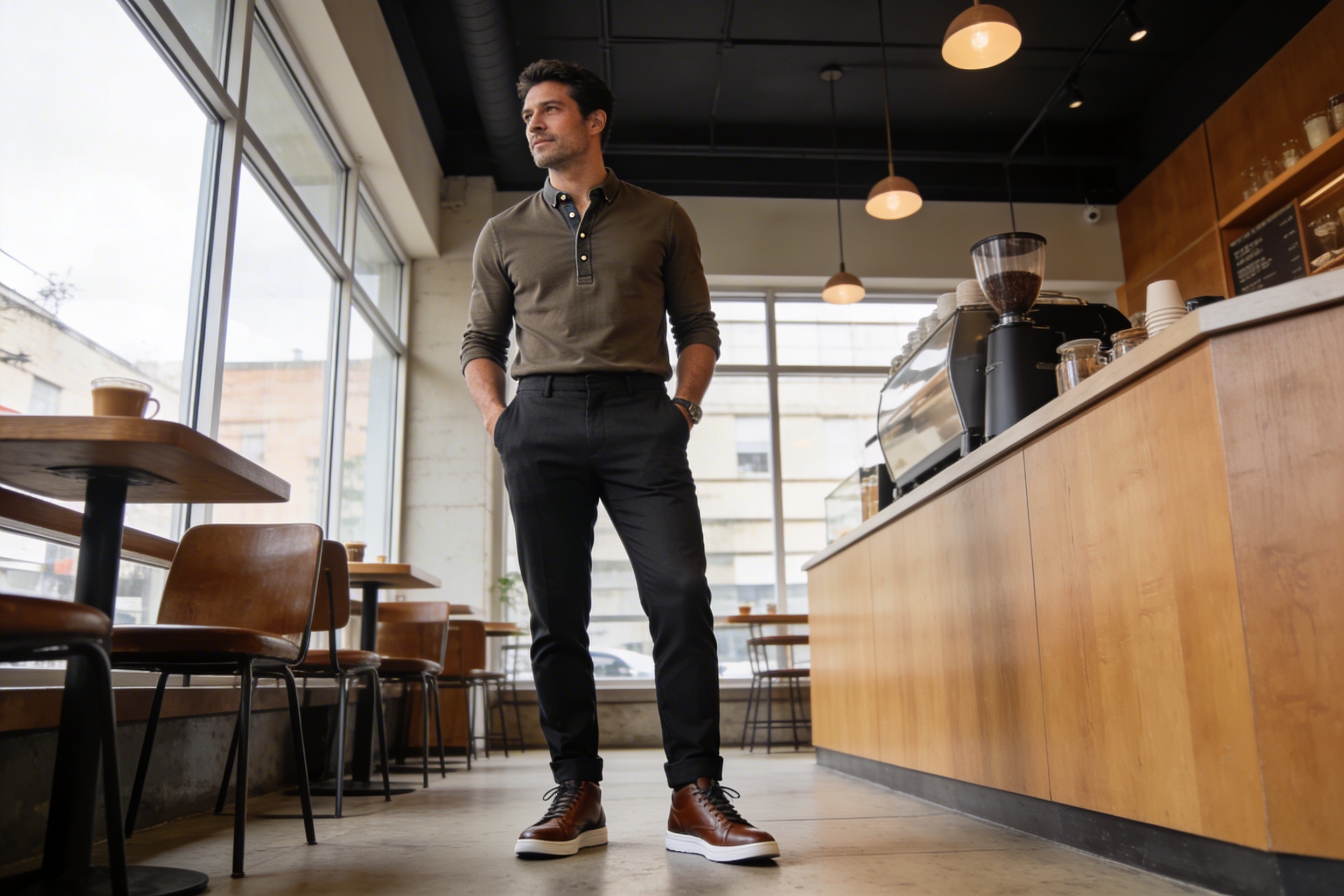
Remember when you thought hitting 30 meant you had to suddenly dress like your dad at a barbecue? Yeah, that’s not a thing anymore. Your 30s are actually the sweet spot where you’ve got enough money to buy clothes that fit properly and enough sense to stop wearing graphic tees from bands you don’t even listen to. Let’s talk about how to nail casual style in this decade without looking like you’re trying too hard or giving up entirely.
The Foundation: Actually Understanding What “Casual” Means Now
Here’s the thing: casual in your 30s hits different than it did in your 20s. You’re not throwing on whatever’s clean-ish on your bedroom floor anymore. Casual now means intentional comfort with a side of “I’ve got my life together” vibes.
Think of it as elevated basics. You’re building a wardrobe that works for grabbing coffee, meeting friends for drinks, running errands, or those spontaneous “actually, let’s just go out” moments. The goal? Looking put-together without looking like you’re headed to a job interview.
The beauty of dressing casually in your 30s is that you’ve probably figured out what actually looks good on your body type. No more buying stuff just because it’s trendy or your college roommate said it looked cool.
The Non-Negotiable Basics You Actually Need
Let’s cut through the noise. You don’t need 47 pairs of sneakers or a capsule wardrobe that requires a flowchart. You need pieces that work hard and look good doing it.
The Pants Situation
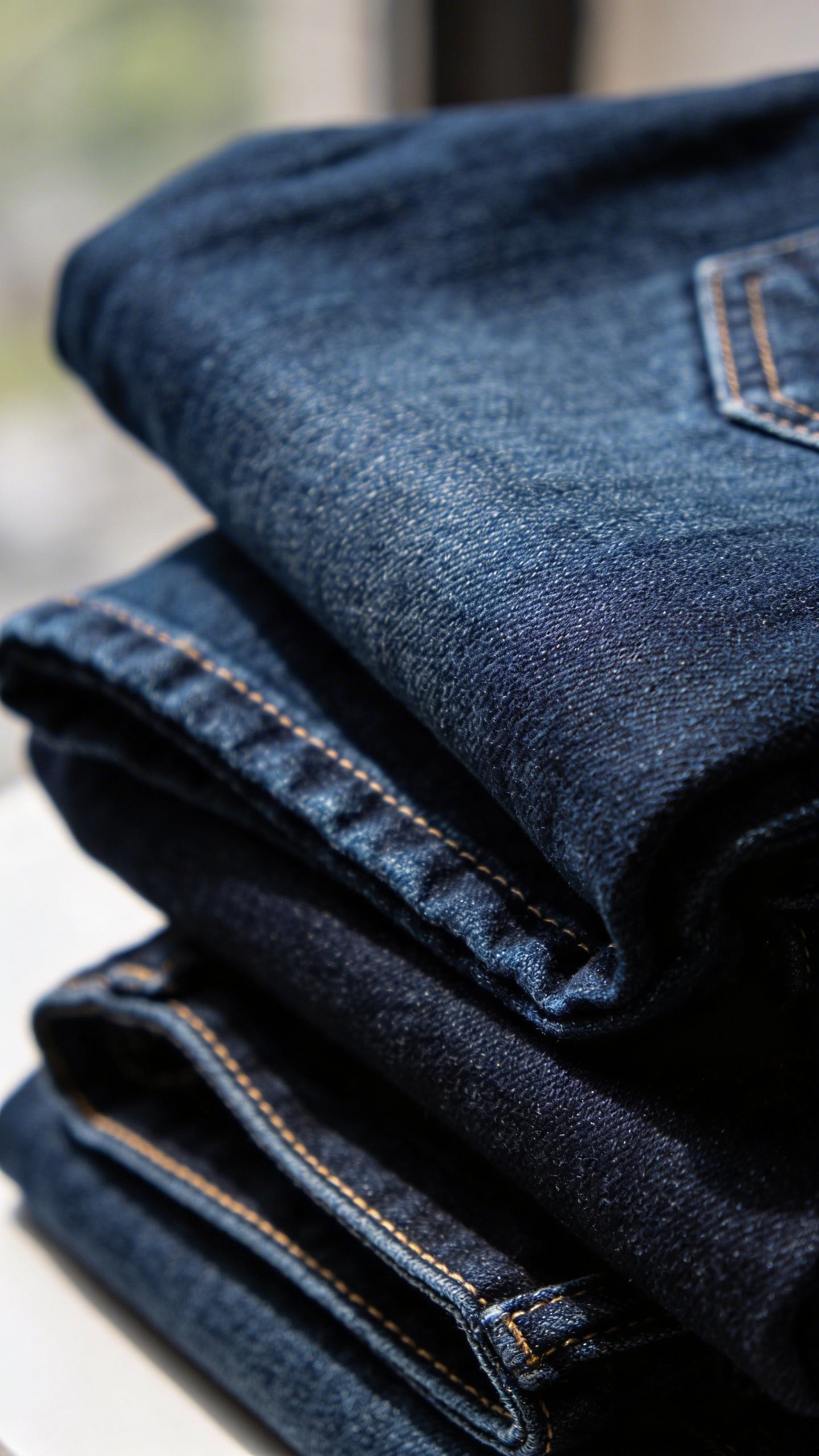
Well-fitted jeans are your bread and butter. Get at least two pairs: one dark wash (basically dressy for jeans) and one medium wash for everything else. Skip the distressing that makes you look like you fell into a wood chipper. A straight or slim fit works for most body types, but find what actually fits YOUR body.
Chinos deserve a spot in your rotation too. Navy, olive, khaki, or even a charcoal gray will handle 90% of your casual needs. They’re the Switzerland of pants—neutral and everyone likes them.
Tops That Don’t Make You Look Lost
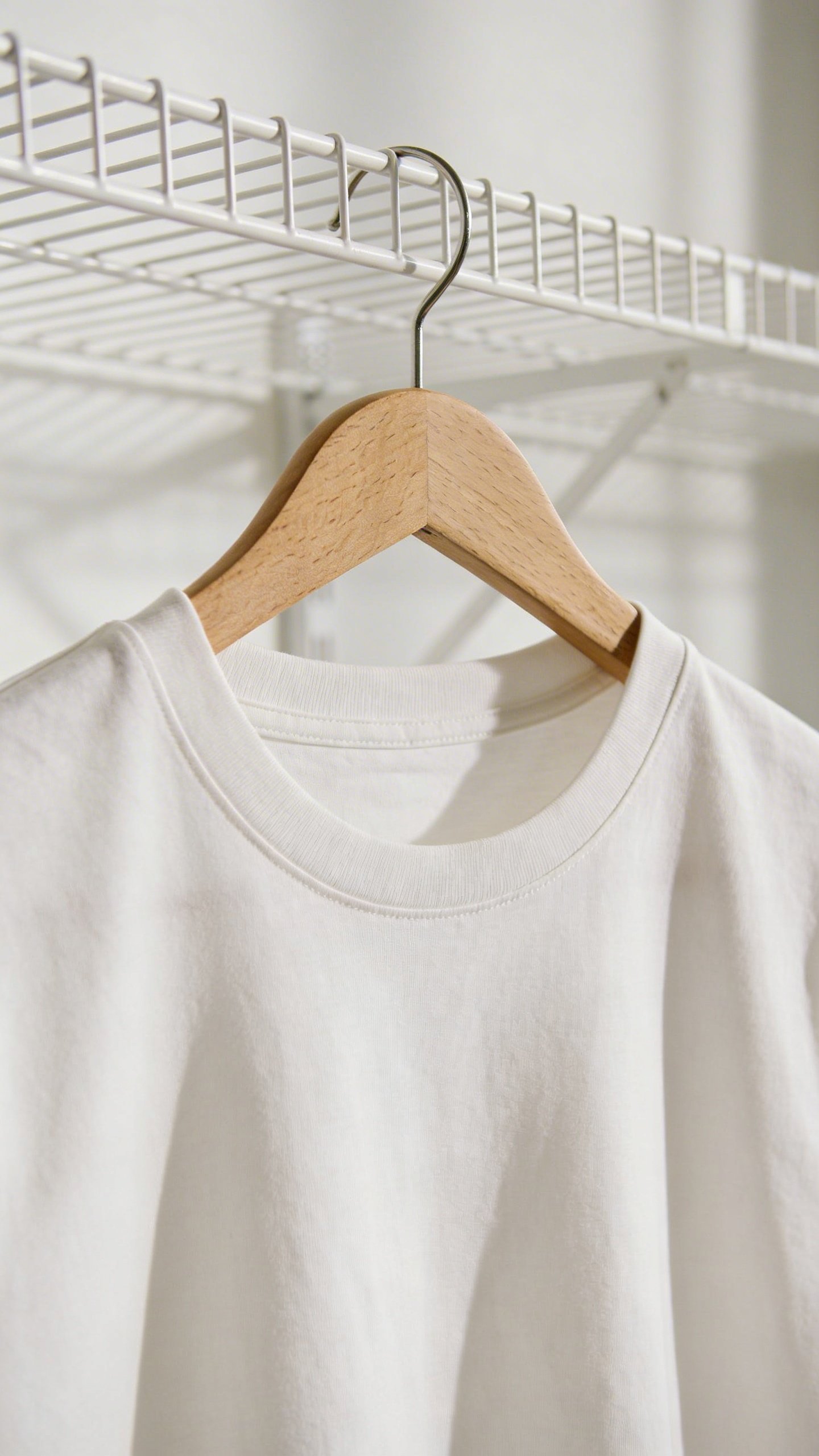
Plain t-shirts in quality fabrics beat graphic tees every single time. Stock up on neutrals: white, black, gray, navy. Add a couple of earth tones like olive or burgundy if you’re feeling spicy. The fit matters more than the color—too tight looks desperate, too loose looks sloppy.
Button-up shirts (yes, even for casual wear) are absolute game-changers. Oxford cloth button-downs in white or light blue can dress up or down like nobody’s business. Flannel works for fall and winter. Just keep them fitted but not painted on.
Footwear: The Make-or-Break Element
Your shoes talk before you do, so make sure they’re saying something good. Beat-up sneakers from 2016 are not the vibe.
Start with a pair of clean, minimal sneakers. White leather sneakers are the MVP here—they go with literally everything and make even basic outfits look intentional. Brands like Adidas Stan Smiths, Common Projects (if you’re feeling fancy), or even well-maintained Vans work.
Chelsea boots or desert boots bridge the gap between sneakers and dress shoes perfectly. They add a little visual interest without screaming “I’M TRYING SO HARD.” Plus, they work in multiple seasons, which is clutch for maximizing your wardrobe.
FYI, loafers have made a comeback and they’re no longer just for yacht owners. A casual loafer in suede or leather can elevate jeans and a t-shirt instantly.
Outerwear That Actually Makes Sense
The jacket you throw on top matters more than you think. It’s literally the first thing people see.
A solid denim jacket never goes out of style. It works over t-shirts, henleys, even button-ups. Go for a darker wash unless you’re committed to the Canadian tuxedo look (denim on denim, which can actually work if you nail the contrast).
A casual bomber or Harrington jacket adds texture and works across three seasons. Stick with classic colors like navy, black, or olive. Save the statement pieces for items that cost less.
For colder weather, a wool overcoat in charcoal or camel looks grown-up without being stuffy. Yeah, it’s an investment, but you’ll wear it for a decade if you treat it right.
The Fit Fix: Why Nothing Else Matters If This Is Wrong
Listen up, because this is the secret sauce: fit trumps everything else. A $30 t-shirt that fits perfectly beats a $200 designer piece that’s too big or too small.
Your clothes should skim your body, not strangle it or swallow it whole. Shoulders should hit at your actual shoulder point. Sleeves should end at your wrist bone, not halfway down your hand. Pants should have a slight break at the shoe or no break at all—no puddles of fabric.
Get a tailor. Seriously. Taking in a shirt or hemming pants costs like $15 and makes you look like you spent way more on your wardrobe. It’s the easiest upgrade you can make.
Colors and Patterns: Keeping It Simple Without Being Boring
You don’t need to dress like a rainbow threw up on you, but wearing only black and gray makes you look like you’ve given up on joy.
Build around neutrals but add pops of color through accessories or single statement pieces. A rust-colored henley, a forest green chore coat, or burgundy sneakers add personality without making you look like you’re trying to relive your youth.
Patterns work best in small doses. A striped shirt, subtle check button-up, or textured knit adds visual interest. Just don’t mix patterns unless you really know what you’re doing—and let’s be honest, most of us don’t.
The Monochrome Hack
Want to look instantly more put-together? Try monochrome outfits. All black, all navy, all earth tones—it creates a cohesive look that appears intentional even when you just grabbed whatever was closest. It’s the adult version of a cheat code.
Accessories: The Details That Separate Okay from Actually Good
Accessories are where you show you actually care about how you look. They don’t have to be expensive or flashy—just thoughtful.
A decent watch (doesn’t have to be luxury, just not a kids’ digital watch) signals that you pay attention to details. Leather or NATO straps work for casual looks better than metal bracelets.
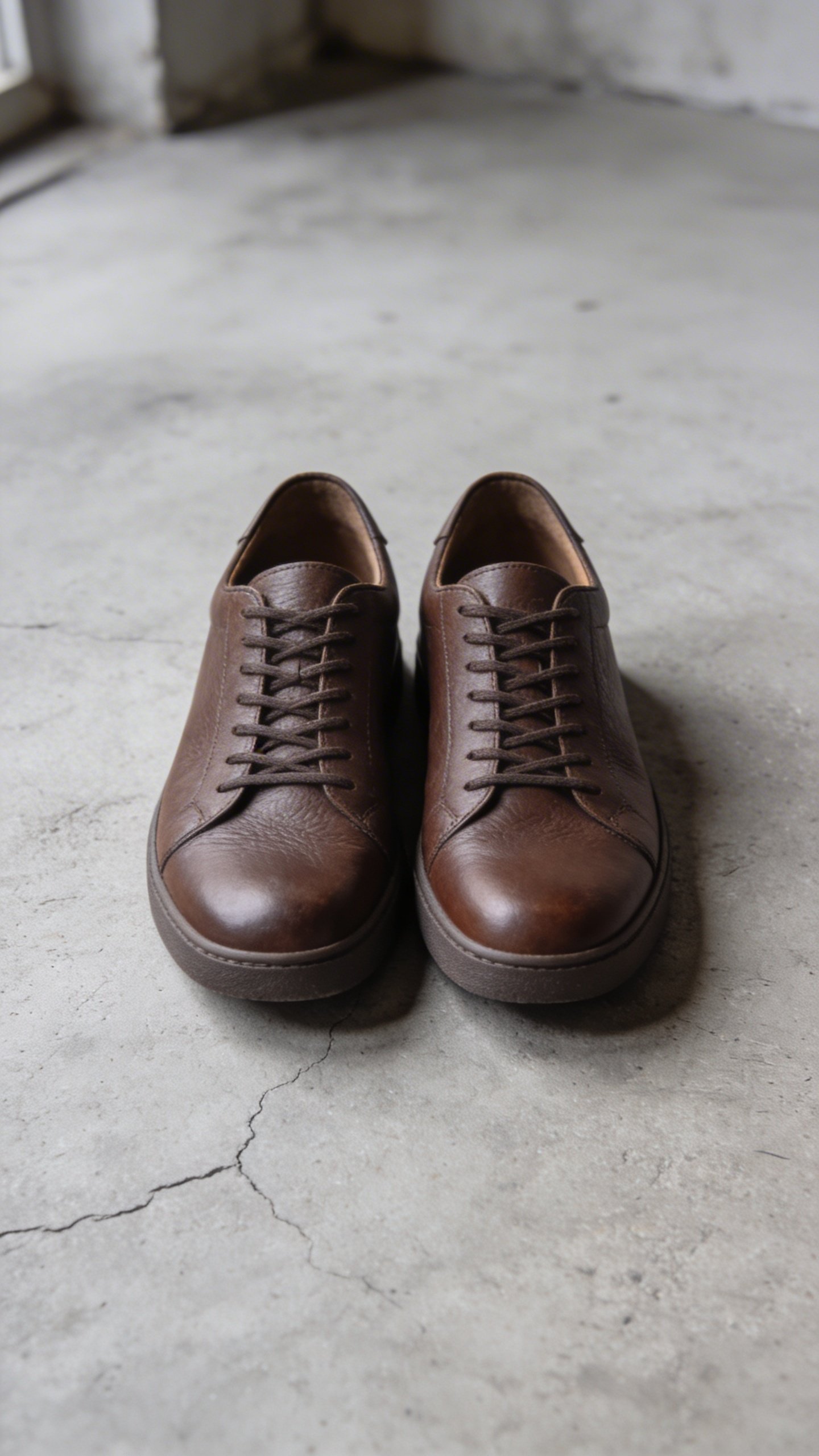
A quality leather belt that matches your shoe color is non-negotiable. Brown belt with brown shoes, black with black. Mixing them looks like you got dressed in the dark.
A simple leather wallet, a canvas or leather tote for everyday carry, maybe a baseball cap that isn’t promoting an energy drink—these small touches matter more than you’d think. IMO, a beat-up backpack from college is fine if it’s quality, but if it’s falling apart, upgrade already.
Frequently Asked Questions
Can I still wear graphic tees in my 30s?
Sure, but be selective. A vintage band tee or something with minimal graphics can work under a jacket or cardigan. Just ditch anything with memes, excessive text, or logos bigger than your face. Quality over quantity here—one or two well-chosen graphic tees beat a drawer full of random prints.
How much should I spend on casual clothes?
Spend more on pieces you’ll wear constantly: jeans, basic tees, sneakers, outerwear. These should be quality items that last. You can go cheaper on trendy pieces or things you won’t wear as often. A good rule: if you’ll wear it weekly, invest in it. If it’s once a month, don’t break the bank.
Are skinny jeans still okay or am I aging myself?
Skinny jeans have become a “wear if they work for you” situation. If you’ve got the build for them and they fit well, rock them. But straight-leg and slim-fit jeans are more universally flattering and feel more current. The key is avoiding extremes—super skinny or super baggy both date you.
What about athleisure? Can I wear joggers and hoodies everywhere?
Athleisure has a place, but it shouldn’t be your default setting. Joggers work for actually athletic activities, lazy Sundays, or quick errands. But if you’re meeting people or going anywhere social, upgrade to real pants. Same with hoodies—fine for casual moments, but throw a jacket over it if you’re going out-out.
How do I dress casually for a first date in my 30s?
Go with dark jeans or chinos, a well-fitted button-up or a nice sweater, and clean sneakers or boots. Layer with a jacket you can take off. You want to look like you made an effort without looking like you’re trying to close a business deal. Avoid anything too sloppy or too formal—find the middle ground.
Should I follow fashion trends or stick to classics?
Lean heavily toward classics with subtle nods to trends if they work for you. Trends come and go, but well-fitted basics never go out of style. If you love a current trend, incorporate it through accessories or one statement piece rather than overhauling your whole wardrobe. Your future self will thank you when you’re not cringing at photos.
Conclusion
Dressing casually in your 30s really comes down to this: invest in quality basics that fit well, keep it simple, and add your personality through thoughtful details. You’re not trying to look younger or older—you’re dressing for who you are right now.
The best part about this decade? You’ve got the budget to buy better stuff and the wisdom to know what actually works. You don’t need a massive wardrobe, just a well-curated one that makes getting dressed easy instead of stressful. Focus on fit, stick with versatile pieces, and upgrade gradually. You’ve got this.