
Why Your Home Looks Messy Even After Cleaning (Finally Explained)
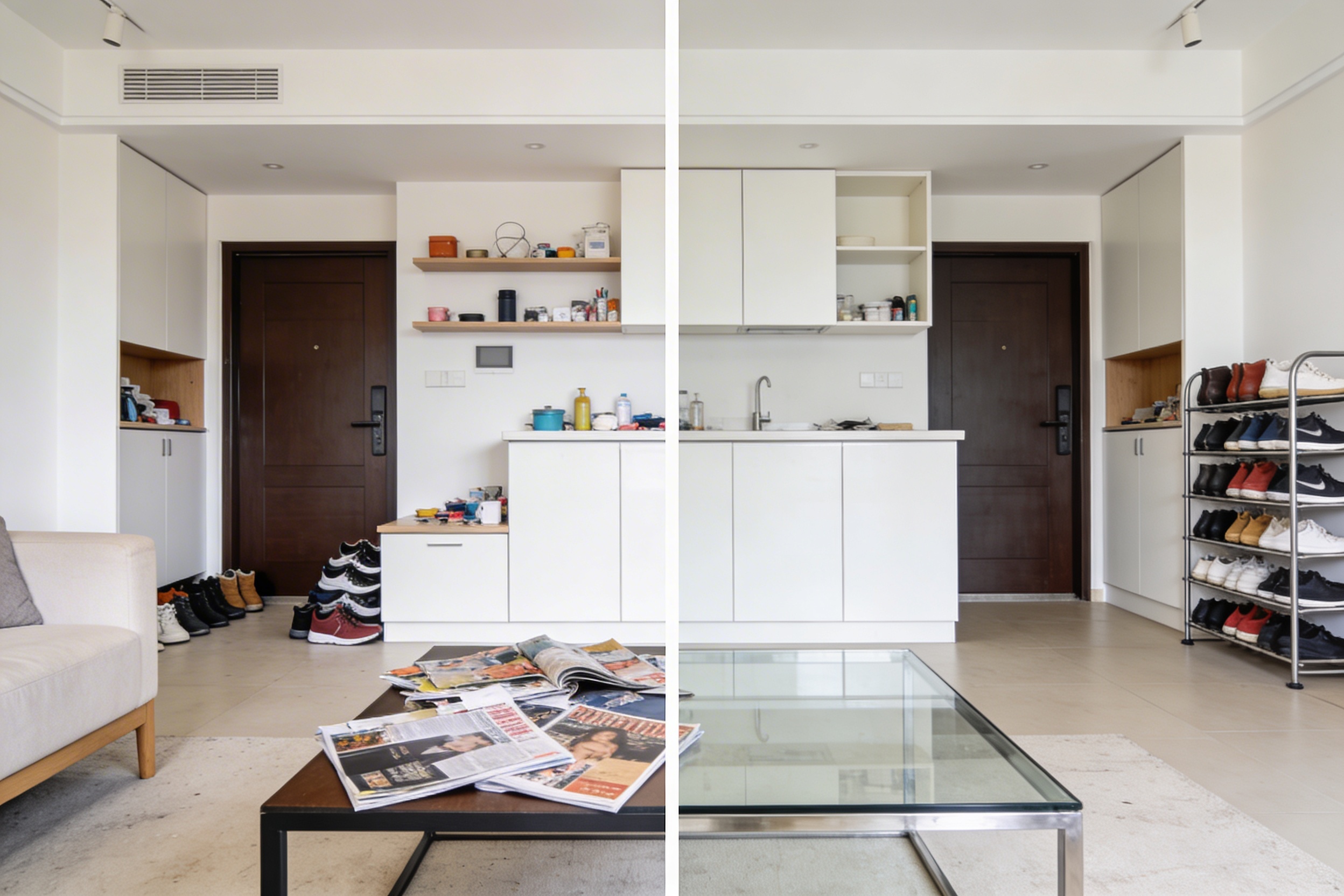
You just spent two hours cleaning your living room. You vacuumed, you dusted, you even wiped down the coffee table. But somehow, when you step back and look around, it still looks… kind of messy? If this sounds familiar, you’re not alone, and no, you’re not losing your mind.
Clutter Is Playing Hide and Seek (And Winning)
Here’s the thing: you can scrub every surface until it gleams, but if you’ve got random stuff scattered everywhere, your home will still look chaotic. Cleaning and decluttering are actually two completely different activities, and most of us only do the first one.
Think about it. You can vacuum around that pile of mail on the side table, dust around those three empty water bottles, and wipe down counters covered in random kitchen gadgets. But guess what? All that stuff is still there, creating visual noise that your brain registers as “messy.”
The problem is that we’ve trained ourselves to clean around clutter instead of dealing with it. We move the stack of magazines to dust underneath, then put them right back. We straighten the pile of shoes by the door instead of actually putting them away. Sound familiar?
Your Surfaces Are Hosting Permanent Residents
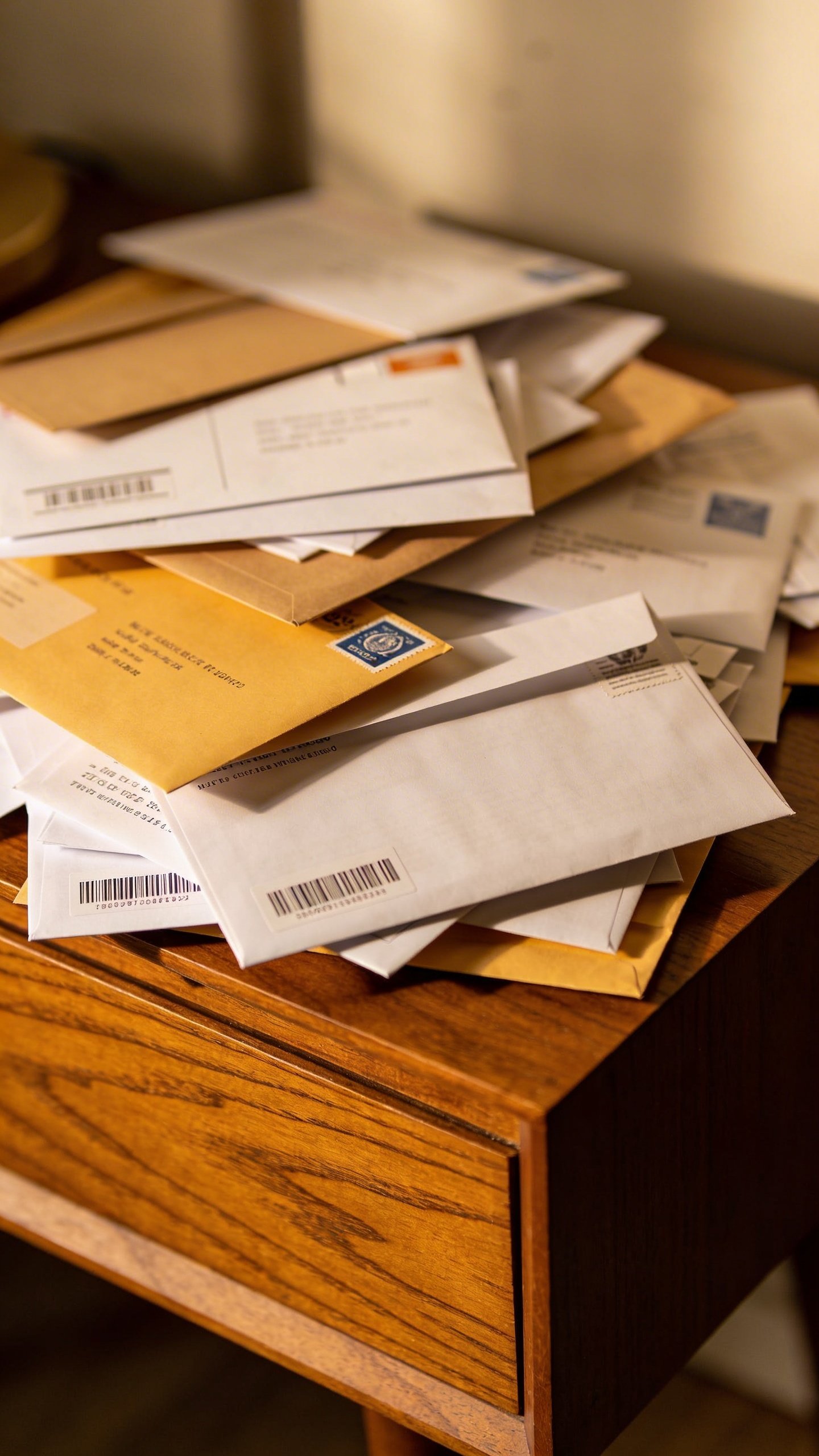
Let’s talk about flat surface syndrome. Every horizontal surface in your home acts like a magnet for random objects. Kitchen counters, coffee tables, dressers, nightstands—they all accumulate stuff like it’s their full-time job.
The issue isn’t that these items are dirty. They’re just… there. That cookbook you meant to put back on the shelf three weeks ago. The charger that’s been sitting on your dining table since Tuesday. Those decorative items that multiplied somehow when you weren’t looking.
Your eye naturally tracks these surfaces when you scan a room, and if they’re covered in stuff, your brain registers disorder. You could have spotless floors and dust-free shelves, but those cluttered countertops are still screaming “messy!” to anyone who walks in.
The Temporary Placement Trap
You know what happens. You set something down “just for a second” and suddenly it’s been living there for three months. That package you need to return? The book you’re currently reading? They’ve all found semi-permanent homes on your surfaces, and they’re throwing off the whole vibe of your space.
Everything Doesn’t Actually Have a Home
Here’s an uncomfortable truth: if you find yourself constantly tidying the same items over and over, those things probably don’t have a designated spot. And if they don’t have a home, they’ll keep wandering around your house like lost puppies.
You can’t put something “away” if there’s no “away” for it to go to. So you end up moving it from the couch to the counter to the table and back again. It’s like playing musical chairs with your belongings, and nobody’s winning.
This is why your home looks cluttered even after cleaning—you’re just redistributing items rather than actually organizing them. The mess isn’t dirty; it’s just homeless.
Your Color Palette Is Having an Identity Crisis
Nobody talks about this enough, but visual clutter is real. Even if you’ve dusted and vacuumed, if your space looks like a rainbow exploded in it, it’s going to feel chaotic.
When you’ve got fifteen different colors competing for attention—bright throw pillows, colorful knickknacks, various plastic containers in every hue imaginable—your eye doesn’t know where to rest. The result? Even a clean room feels overwhelming and messy.
IMO, this is one of the sneakiest culprits. You could have relatively few items out, but if they’re all screaming for attention in different colors, patterns, and styles, your brain processes it as clutter.
The Furniture Arrangement Is Working Against You
Sometimes the problem isn’t what you’re cleaning but what you can’t effectively clean around. Furniture that’s too big for the space, awkwardly positioned, or blocks natural pathways creates a sense of disorder no amount of vacuuming can fix.
When you have to navigate an obstacle course to get from your couch to your kitchen, or when furniture blocks natural light, the space feels cramped and chaotic. Poor furniture placement can make even a minimally decorated room feel cluttered and messy.
Also, furniture that doesn’t serve a real purpose takes up valuable space and collects stuff. That decorative chair you never sit in? It’s basically an expensive clothes hanger now, and we both know it.
You’re Ignoring the Vertical Space

Most people clean horizontally—floors, counters, tables. But they completely forget about walls, and that’s a missed opportunity for both storage and visual appeal.
Empty walls can actually make a space feel unfinished and chaotic, believe it or not. But the flip side is also true: too many things hung at random heights with no rhyme or reason creates visual confusion. You need that sweet spot where your walls contribute to the organized feeling of the room.
The Picture Frame Proliferation Problem
We all love our photos and artwork, but twenty frames of various sizes scattered across one wall doesn’t look curated—it looks cluttered. Even if each frame is perfectly dusted, the overall effect still reads as messy because there’s no cohesion or intentional design.
Your Cleaning Routine Skips the Visual Reset
Here’s something most cleaning routines miss entirely: the final visual check. You can clean every inch of a room but forget to step back and actually look at it with fresh eyes.
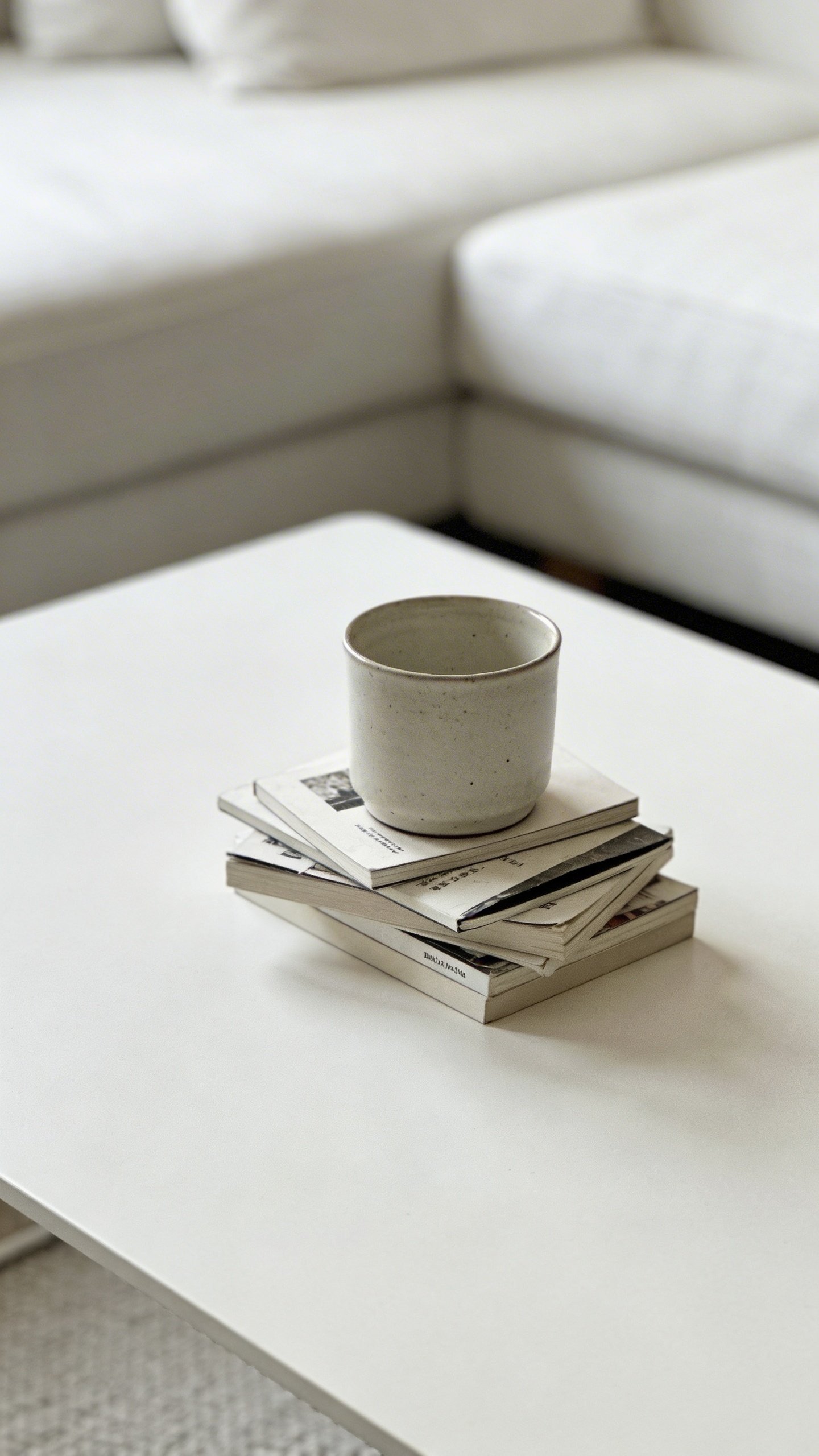
After cleaning, take a moment to scan the room as if you’re seeing it for the first time. Are throw pillows actually arranged nicely or just tossed on the couch? Are the items on your coffee table intentionally placed or randomly scattered? Is that stack of books charming or chaotic?
This final styling step is what separates a clean room from a room that actually looks clean. Professional cleaners and organizers know this—they don’t just clean, they reset the space to look intentional.
Frequently Asked Questions
How can I make my home look less cluttered without getting rid of stuff?
The secret is hidden storage and intentional display. Use baskets, bins, and boxes to corral smaller items. Group similar things together instead of scattering them around. Display items in odd numbers (three candles instead of four) because it’s more visually pleasing. Even if you’re keeping the same amount of stuff, organizing it thoughtfully makes a huge difference.
How many decorative items are too many?
If you find yourself constantly dusting around a million little things, you probably have too many. A good rule of thumb: each surface should have a clear purpose and maybe 1-3 intentional decorative items. Your coffee table doesn’t need to host seventeen objects to look styled—sometimes less really is more.
Why does my home look messy but my friend’s doesn’t, even though we have similar cleaning habits?
Your friend probably has better systems for managing clutter and possibly fewer total possessions on display. FYI, people with perpetually tidy-looking homes usually spend more time organizing and putting things away than they do actual cleaning. They’ve also likely figured out that designated home for everything situation we talked about earlier.
Can paint color really affect how clean my home looks?
Absolutely. Darker colors show dust and pet hair more easily, while very light colors can look dingy if they’re not spotless. Medium, neutral tones tend to be the most forgiving. Also, consistent paint colors throughout connected spaces make your home feel more pulled together and therefore more organized.
How often should I declutter versus deep clean?
You should do a quick declutter session weekly—just 15 minutes of putting things back where they belong and getting rid of obvious trash. Deep cleaning can happen monthly or even seasonally, depending on your lifestyle. But here’s the thing: regular decluttering will actually reduce how often you need to deep clean because there’s less stuff collecting dust.
Is it worth hiring a professional organizer?
If you’ve tried multiple times to get organized and it’s not sticking, then yes, it can be incredibly valuable. Professional organizers don’t just arrange your stuff—they help you create systems that work with your actual habits and lifestyle. Sometimes you need that outside perspective to break the cycle.
Conclusion
The truth is, cleaning and organizing are partners, not the same thing. You can have a dirt-free, germ-free home that still looks messy if you’re only tackling one half of the equation. The good news? Once you understand why your space looks cluttered despite your cleaning efforts, you can actually fix it.
Start small. Pick one surface and completely clear it, giving everything a proper home. Deal with that color chaos by storing some of those bright items out of sight. Rearrange one piece of furniture that’s been bugging you. You don’t have to overhaul your entire home in one weekend—small, intentional changes add up faster than you think.