
What Mistakes to Avoid When Decorating Your Home Now
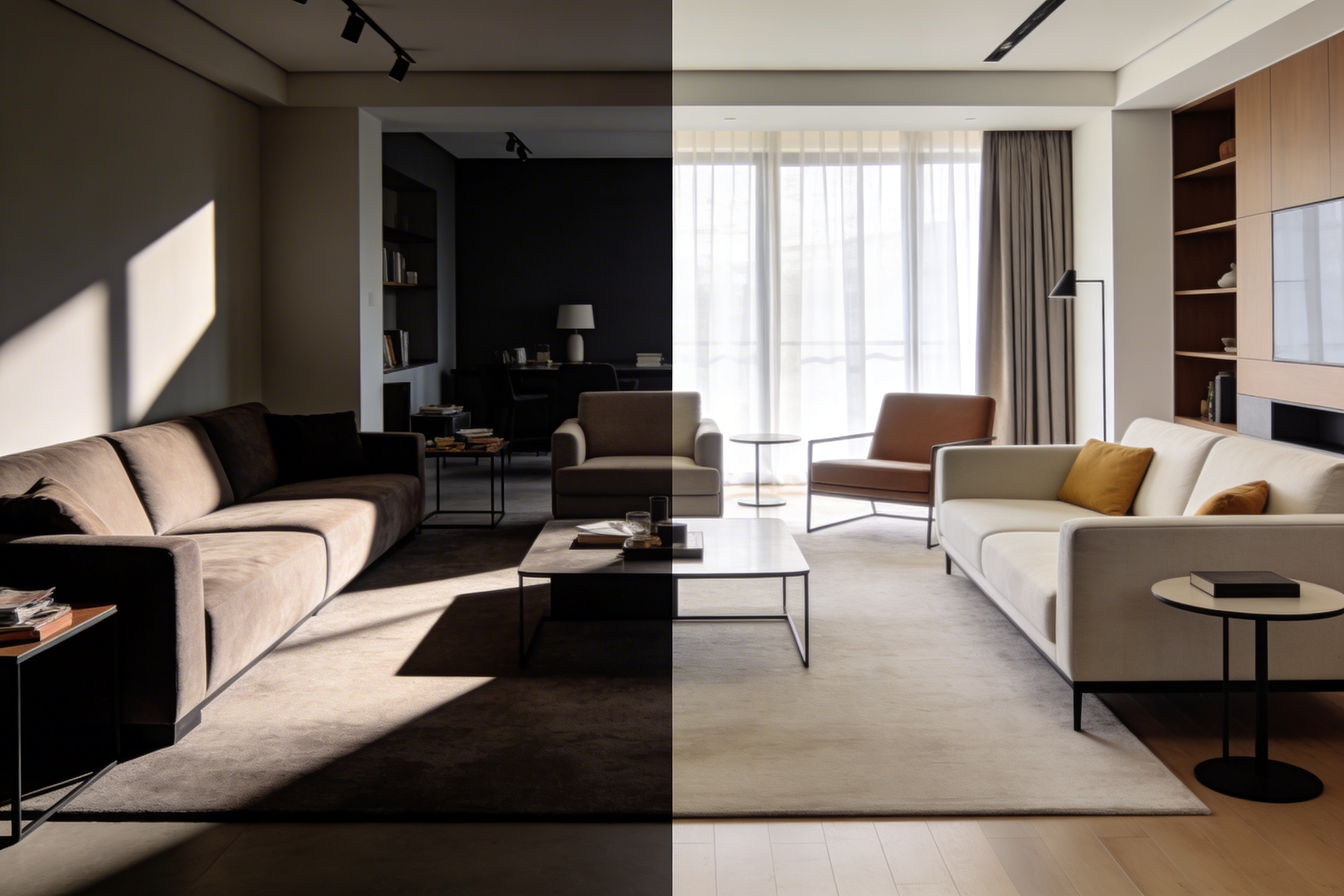
You know that sinking feeling when you step back to admire your newly decorated room and realize something’s just…off? Maybe it’s the oversized furniture crowding your space, or those matching bedroom sets that scream “I bought everything in one go!” We’ve all been there, and honestly, decorating mistakes are practically a rite of passage. But here’s the good news: most of these blunders are totally avoidable once you know what to look out for.
Ignoring Your Room’s Proportions
Let’s talk about the elephant in the room—literally. One of the biggest mistakes people make is choosing furniture that completely ignores the actual size of their space. That gorgeous sectional sofa you saw at the store? Yeah, it looked amazing in the showroom with its cathedral ceilings and Olympic-sized floor plan.
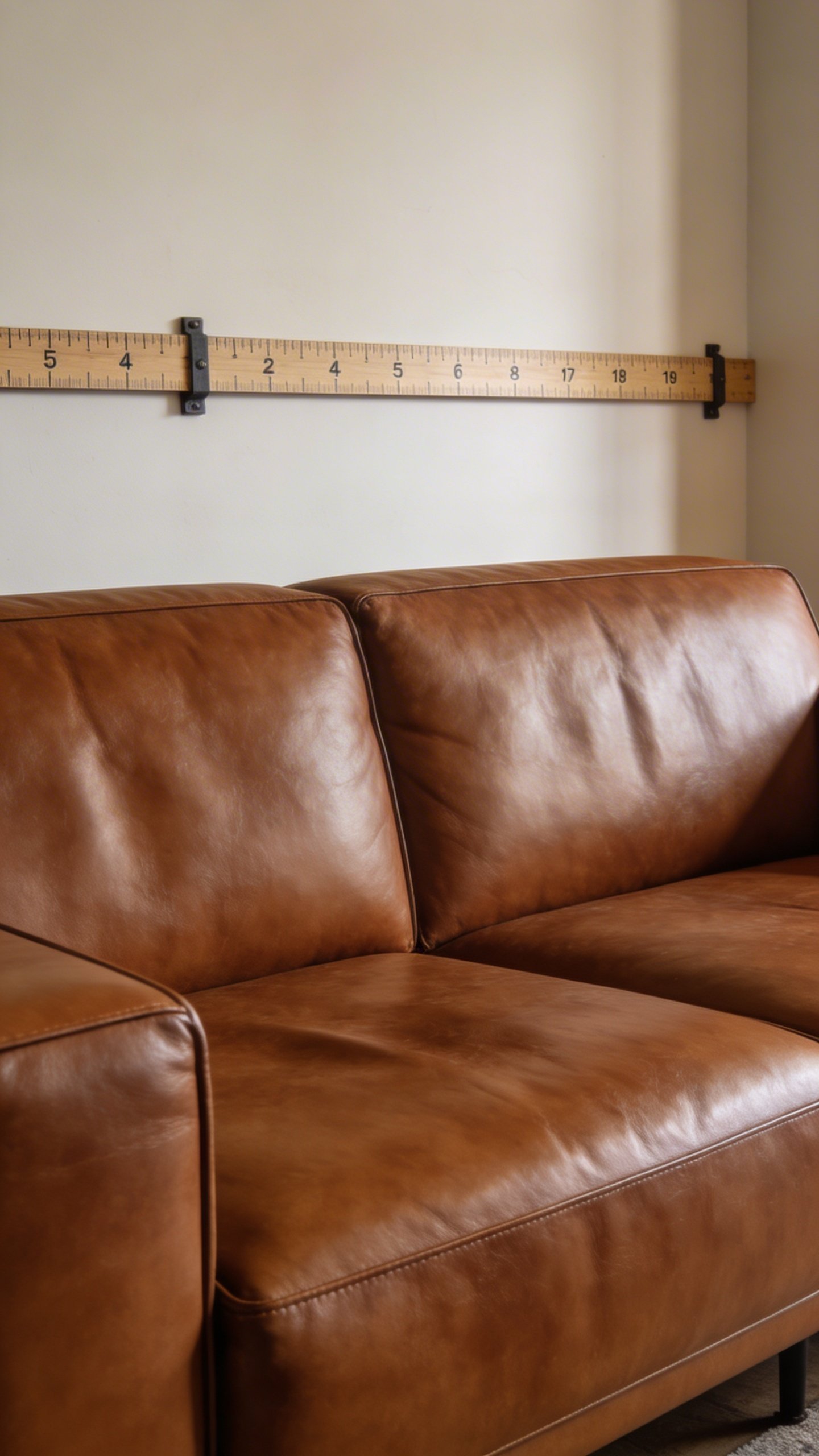
But here’s the thing: furniture needs to fit your room’s scale, not your dreams of living in a penthouse. A massive couch in a tiny living room doesn’t make the space feel luxurious—it makes it feel like you’re playing Tetris with your life. Before you fall in love with any piece of furniture, measure your room. Then measure it again. Trust me on this one.
And it’s not just about too-big furniture. Going too small creates its own problems. Tiny furniture floating in a large room makes everything look like a dollhouse gone wrong. You want pieces that relate to each other and fill the space appropriately.
Pushing All Your Furniture Against the Walls
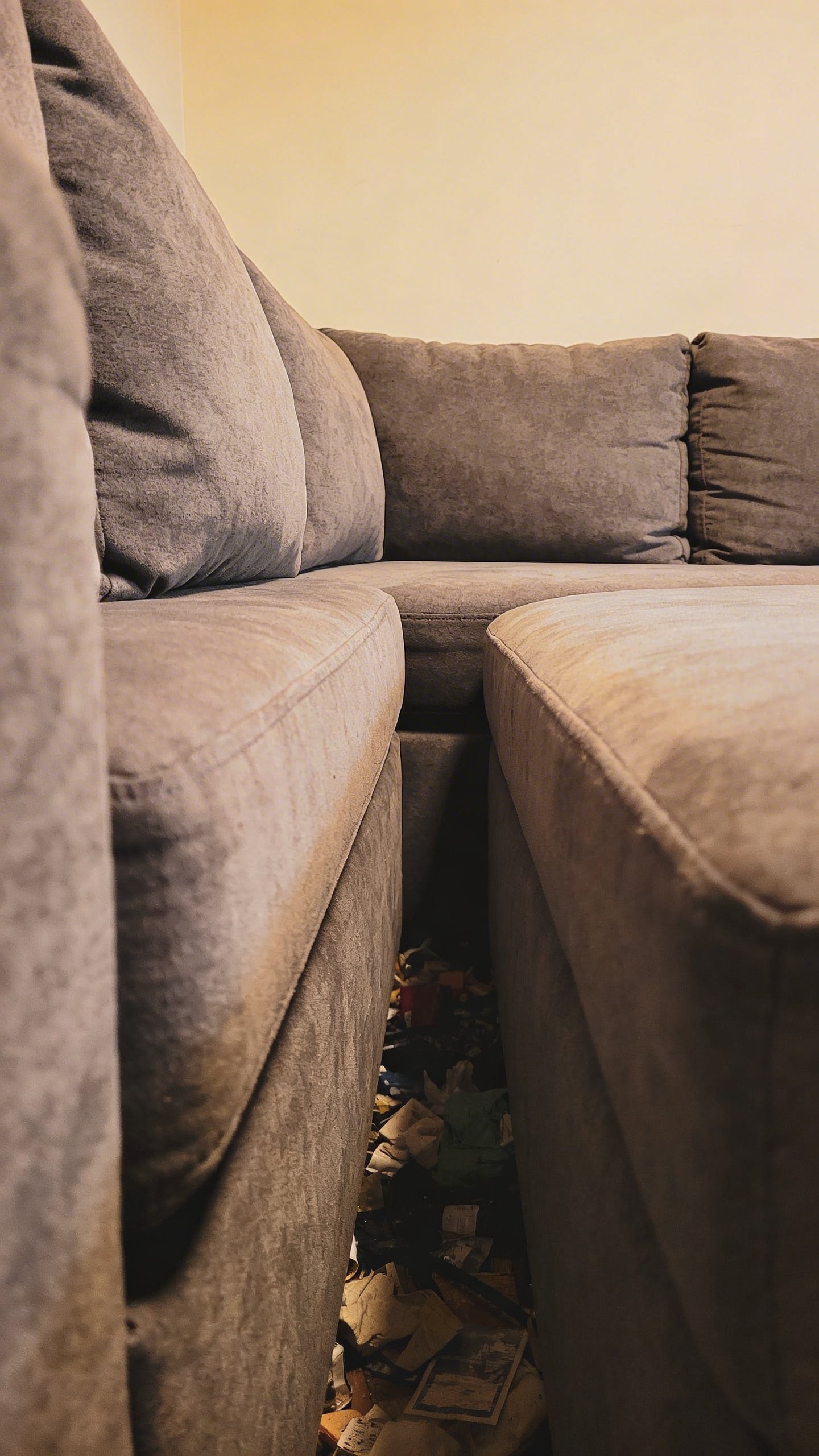
I get it—you want to maximize floor space. But pressing every piece of furniture against the walls like you’re setting up for a middle school dance isn’t the answer. This approach actually makes rooms feel more cramped and awkward, not spacious.
Creating conversation areas by pulling furniture away from walls makes spaces feel more intimate and intentional. Even pulling your sofa out just a foot or two can transform how a room flows. You’re creating actual zones for living instead of a furniture lineup.
In smaller rooms, you might not have much choice, but even then, try to let at least one piece breathe a little. A side table positioned away from the wall or a chair angled into the room can make all the difference.
Neglecting Proper Lighting
Here’s where things get real: overhead lighting alone will murder your room’s vibe every single time. That harsh ceiling fixture casting shadows like you’re in an interrogation room? Not cute. Yet somehow, people decorate entire spaces with just one sad overhead light and wonder why everything feels flat.
Layer Your Light Sources
Think of lighting in three categories: ambient (your general overhead stuff), task (reading lamps, under-cabinet lights), and accent (highlighting artwork or architectural features). You need all three working together to create depth and mood.
Table lamps, floor lamps, sconces—mix them up! Having multiple light sources at different heights makes your room feel warm and dimensional. Plus, you can actually adjust the mood without installing a dimmer switch.
Don’t Forget Natural Light
While we’re on the subject, blocking your windows with heavy, dark curtains 24/7 is a crime against good design. Natural light is free, it makes colors look better, and it literally improves your mood. Use sheer curtains during the day if you need privacy, but let that sunshine in.
Choosing Paint Colors First
Plot twist: that gorgeous wall color you’re obsessed with? It should be one of the last decisions you make, not the first. I know, I know—it seems backwards. But here’s why this matters.
You’ve got way more paint colors to choose from than you do fabric patterns, rug designs, or artwork. Finding the perfect sofa in a specific shade of blue? Nearly impossible. Finding paint to complement your perfect blue sofa? There are literally hundreds of options.
Start with your larger pieces and those items that are harder to replace or have limited color options. Then choose paint colors that tie everything together. Your future self will thank you when you’re not desperately hunting for throw pillows to match your very specific wall color.
The Matchy-Matchy Trap
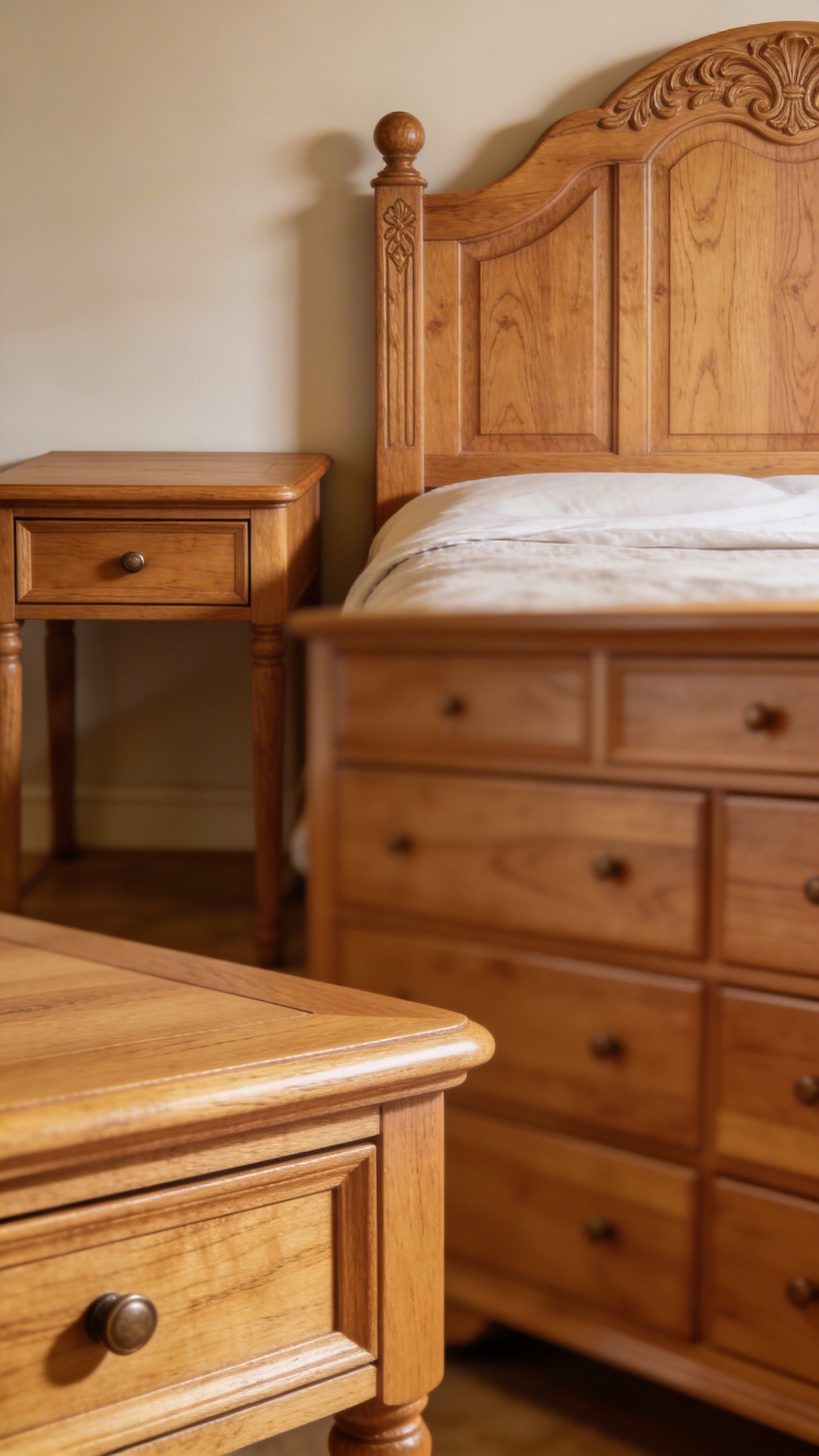
Nothing screams “I decorated my entire bedroom in one shopping trip to a furniture store” quite like a matching bedroom set. Same goes for those living room collections where the sofa, loveseat, and chair are identical triplets.
Rooms with character come from mixing different pieces, styles, and eras. That’s what makes a space feel collected over time rather than staged for a catalogue shoot. Pair that modern sofa with a vintage coffee table. Mix wood finishes. Combine different metals. This is where personality happens.
The exception? Sure, matching nightstands are fine. But even then, don’t be afraid to shake things up if you find something interesting. Rules are meant to be broken—except the measuring rule. Always measure.
Hanging Artwork at the Wrong Height
Why do people insist on hanging pictures at ceiling height? Are we decorating for giraffes? The general rule is simple: the center of your artwork should sit at 57-60 inches from the floor, which is average eye level.
When you hang art too high, it disconnects from the furniture and floats awkwardly on the wall. It should feel anchored to the space, not trying to escape it. If you’re hanging art above a sofa, leave about 6-8 inches between the furniture and the bottom of the frame.
Gallery walls trip people up too. Map them out on the floor first, then transfer measurements to the wall. Yes, it takes longer. No, eyeballing it won’t work out as well as you think. Learn from others’ mistakes.
Forgetting About Function
A beautiful room that doesn’t work for your actual life is just a pretty prison. Maybe you’ve got kids and white furniture isn’t the genius move you thought it was. Or you love hosting dinner parties but chose a dining table that seats four uncomfortably.
Your home should work for how you actually live, not some aspirational version of yourself who only exists on Pinterest. Be honest about your lifestyle. Do you really need a formal living room nobody uses, or would that space work better as a cozy reading nook or home office?
Think through how you move through your spaces. Can you walk around your bed to make it? Is there enough counter space where you actually prep food? Does your coffee table have sharp corners waiting to attack your shins? FYI, form should follow function, not fight it.
Frequently Asked Questions
How much should I spend on decorating a room?
There’s no magic number, but a good rule of thumb is to invest in pieces you use daily (your bed, sofa, office chair) and save on decorative items you can easily swap out. Budget for quality where it counts, and don’t blow your entire budget on one statement piece unless it’s truly spectacular. Mix high and low—that’s how you get a curated look without the curated price tag.
Should I decorate one room at a time or the whole house at once?
IMO, room by room is the way to go for most people. It’s less overwhelming, easier on your budget, and lets you learn from each space before moving to the next. That said, think about your overall color palette and style so rooms flow together. You don’t want to walk from a modern minimalist living room into a country cottage kitchen—that’s jarring.
How do I know if I’m overdoing it with patterns?
The classic advice is to mix patterns in different scales—pair a large floral with a small geometric, for example. But honestly, trust your gut. If you walk in and your eyes don’t know where to land, you’ve probably gone overboard. Balance busy patterns with solid colors and plenty of visual breathing room. When in doubt, edit down rather than add more.
What’s the biggest mistake first-time decorators make?
Rushing. Seriously, the biggest mistake is trying to decorate everything immediately instead of living in your space first. You need to understand how light moves through your rooms, where you naturally gather, what storage you actually need. Take your time, buy intentionally, and let your space evolve. Those empty walls won’t kill you—bad impulse purchases might (or at least your wallet).
How many throw pillows is too many throw pillows?
If you have to remove a mountain of pillows before sitting down, you’ve crossed into too-many territory. For a standard sofa, 3-5 pillows usually hits the sweet spot. They should enhance comfort and style, not create a nightly pillow-removal workout. Also, make sure at least some of them are actually comfortable—those rock-hard decorative pillows look cute but serve zero functional purpose.
Is it okay to mix different wood finishes in one room?
Absolutely! Mixing wood tones adds depth and keeps spaces from looking too matchy-matchy. The key is to make it look intentional—try to include at least three different wood tones so it’s clearly a choice, not a mistake. Varying the warmth and depth of your woods prevents that “everything came from the same furniture set” look.
Conclusion
Look, nobody gets decorating perfect on the first try—or even the fifth try. The difference between a house that feels “off” and one that feels like home often comes down to avoiding these common pitfalls. Take your time, measure twice (okay, maybe three times), and don’t be afraid to move things around until they feel right.
Your space should tell your story, not what some furniture store thinks your story should be. Mix pieces you love, think about how you actually live, and remember that rules are guidelines, not gospel. Except measuring. Always measure. Now go forth and decorate with confidence—you’ve got this!