
What Makes a Home Look Expensive Without the Price Tag
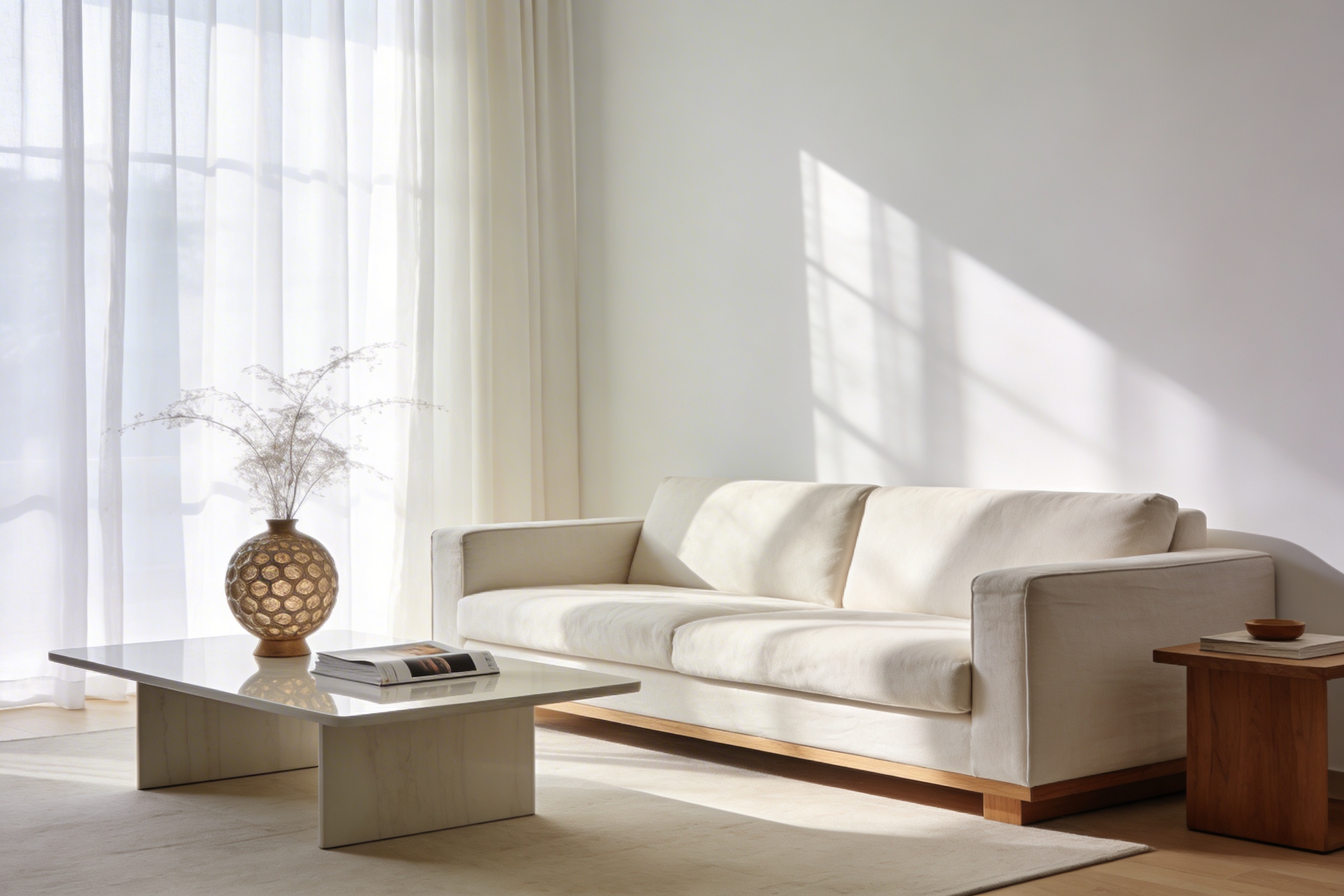
You know that feeling when you walk into someone’s home and immediately think “wow, these people have money”? Here’s the thing: the house might not have actually cost a fortune to decorate. Some people just nail that expensive look without breaking the bank, while others drop thousands and still end up with a space that screams “I tried too hard.” Let’s break down what actually makes a home look luxe.
It All Starts With Clean Lines and Zero Clutter
Walk into any high-end home and you’ll notice one thing immediately: you can actually see the furniture. Rich people don’t display their entire Beanie Baby collection on every available surface (sorry if that hit too close to home).
The expensive look comes from restraint. That means clearing your countertops of everything except maybe one beautiful object. Your coffee table shouldn’t look like a magazine stand exploded on it. Visual breathing room automatically reads as luxury because it suggests you have enough space to not cram everything into view.
Think about it: when you’re paying designer prices for furniture, you actually want to see the pieces you bought. The minimalist aesthetic isn’t just trendy—it’s a practical way to show off quality items without competition for attention.
Quality Over Quantity Every Single Time
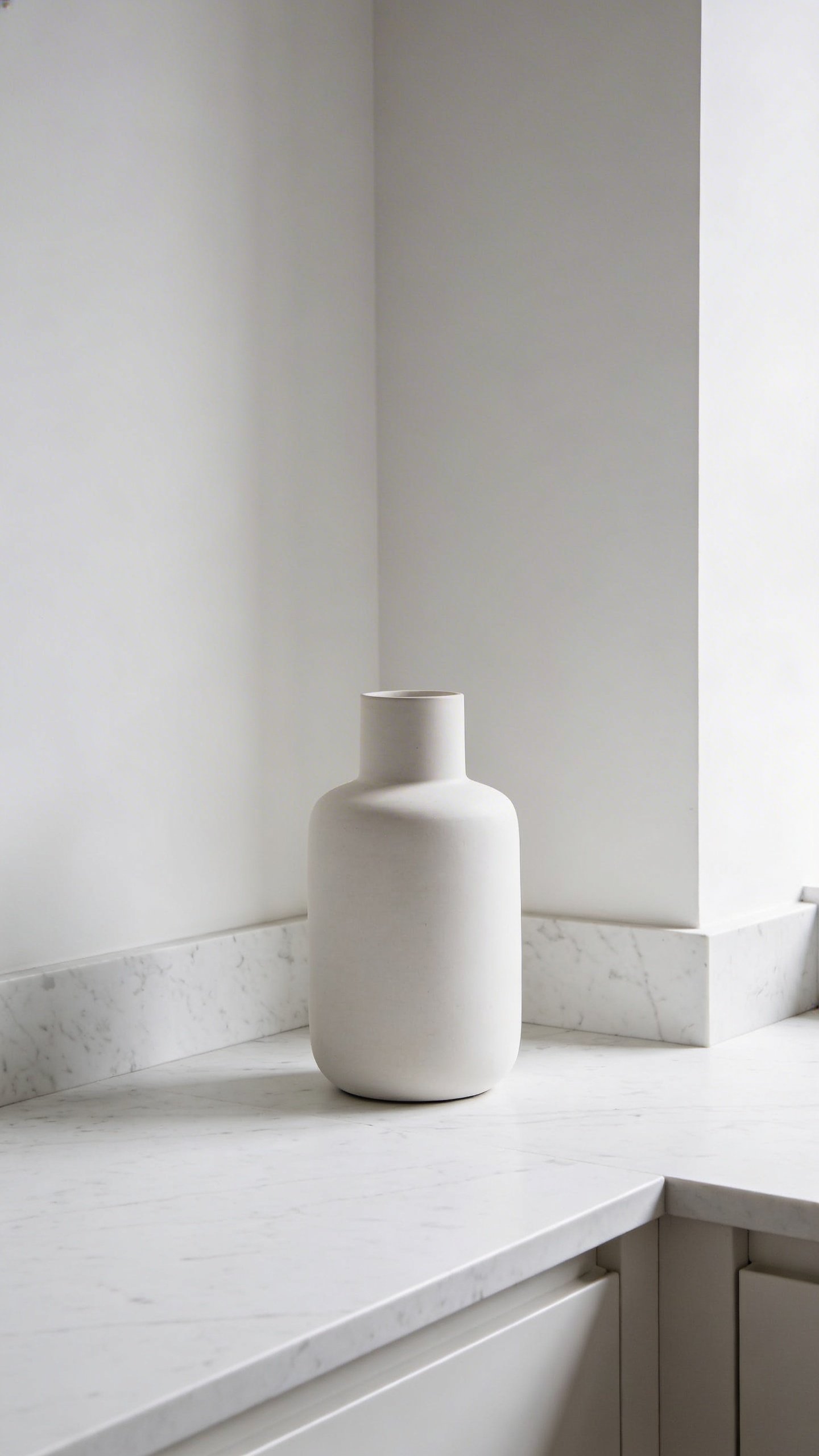
Here’s where people mess up: they buy ten cheap things instead of one great thing. Your eye can tell the difference between a solid wood coffee table and particle board covered in veneer, even if your brain doesn’t consciously register it.
One well-made sofa beats a whole room full of fast furniture. Save up for pieces that have weight to them, literally. Quality furniture feels substantial. It doesn’t wobble, the drawers glide smoothly, and the upholstery doesn’t pill after three months.
Natural materials almost always look more expensive than synthetic ones. Real wood, stone, metal, linen, wool—these materials have texture and depth that fake versions just can’t replicate. Plus, they age better. That leather chair that develops a patina over time? Chef’s kiss. That pleather one that starts peeling after a year? Not so much.
Lighting Can Make or Break Your Whole Vibe
You could have a perfectly decorated room, but if you’re lighting it with a single overhead fixture that makes everything look like a dentist’s office, you’ve lost the game. Expensive homes layer their lighting like they’re creating a mood board.
The Three-Layer Approach
You need ambient lighting (your general overhead or recessed lights), task lighting (reading lamps, under-cabinet lights), and accent lighting (picture lights, uplighting on plants). This creates depth and makes your space feel intentional.
Dimmer switches are your best friend. Being able to adjust your lighting throughout the day is such a simple upgrade, but it screams sophistication. Nobody wants to feel like they’re living in a 24/7 fluorescent nightmare.
And please, FYI, the size of your light fixtures matters. A tiny chandelier in a big dining room looks sad. Go bigger than you think you should—it’ll probably be just right.
The Crown Molding and Trim Situation
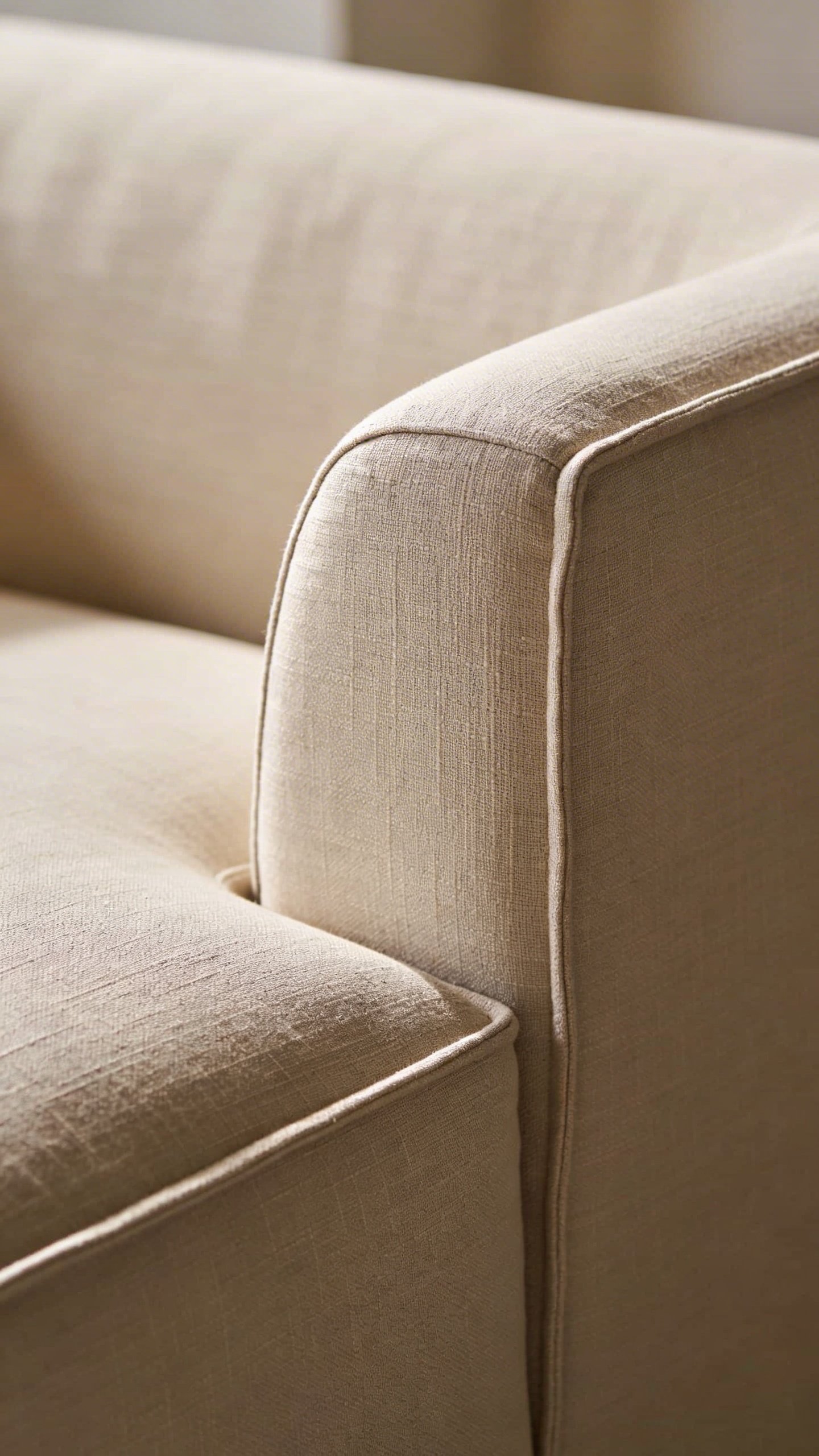
Want to know a secret? Architectural details do more heavy lifting than any piece of furniture ever could. Crown molding, baseboards, wainscoting, coffered ceilings—these elements add dimension and character that flat walls simply can’t match.
Even if you’re renting, you can add temporary solutions. Peel-and-stick trim exists now, and while I was skeptical at first, it actually looks pretty decent if you measure carefully and take your time installing it.
Fresh white paint on trim makes everything look crisp and maintained. Chipped, yellowing trim? That’s the fastest way to make even expensive furniture look cheap. It’s like wearing a designer outfit with scuffed shoes—the details betray you.
Your Windows Deserve Better Treatment
Can we talk about window treatments for a second? Those sad mini-blinds that came with your apartment are killing your expensive vibe. Proper curtains or drapes instantly elevate a space, and I mean INSTANTLY.
Hang your curtain rods high—like, nearly touching the ceiling high. And make your curtains wide enough that when they’re open, they frame the window rather than blocking it. This trick makes your ceilings look taller and your windows look bigger.
The fabric matters too. Heavy linen or velvet curtains look luxurious. Those thin, shiny polyester panels from the discount bin? Not so much. You don’t need custom drapery (though that’s obviously the dream), but invest in something with substance.
Art and Accessories: The Goldilocks Principle
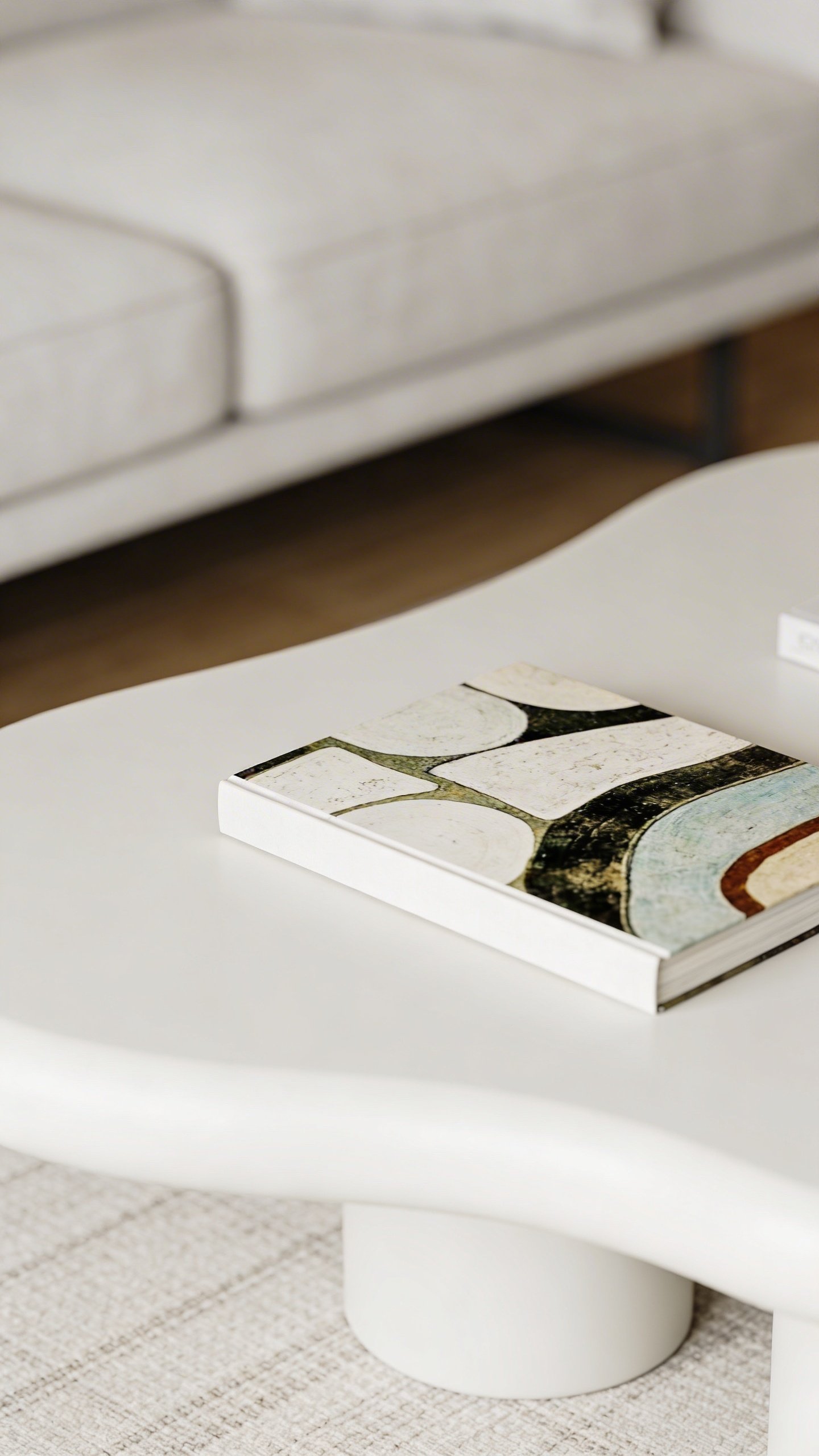
Too little art makes your walls look sad and forgotten. Too much makes your home look like a TJ Maxx exploded. You’re aiming for that Goldilocks zone where everything feels curated.
One large piece of art makes a bigger statement than a dozen small ones. If you can’t afford original art (and let’s be real, most of us can’t), get high-quality prints and frame them properly. A cheap poster in an expensive frame looks better than an expensive print in a cheap frame.
The Styling Rule of Three
When styling surfaces, work in odd numbers. Three candlesticks, five books, one vase. It sounds arbitrary, but our eyes prefer asymmetrical arrangements. They feel more natural and less “I bought this whole set at HomeGoods.”
Also, edit ruthlessly. That ceramic frog your aunt gave you doesn’t need to be on display just because you own it. IMO, the stuff you put out should either be beautiful, functional, or meaningful—ideally all three.
Fresh Flowers and Living Things
Nothing says “I have my life together” quite like fresh flowers or healthy plants. They add life, color, and a sense that someone actually cares about this space.
You don’t need elaborate arrangements. Even a simple bunch of grocery store flowers in a nice vase works wonders. Green, living things signal that you’re not just surviving—you’re thriving enough to keep another organism alive.
If you have a black thumb, there are incredibly realistic faux plants now. I’m not usually team fake plants, but a high-quality faux fiddle leaf fig beats a dead real one every time.
FAQ
What’s the quickest way to make my home look more expensive?
Declutter and clean like your life depends on it. Seriously, you could have budget furniture, but if everything is clean, organized, and clutter-free, your space will automatically look more put-together. Add a fresh coat of paint in a sophisticated neutral color, and you’re 80% of the way there without spending much money.
Do I really need to buy expensive furniture?
Not all of it, no. Invest in the pieces you use every day—your sofa, your bed, your dining chairs. These are worth saving up for because quality matters when you’re using something for hours daily. You can absolutely go budget on occasional chairs, side tables, or decorative pieces that don’t get heavy use.
What paint colors make a home look expensive?
Sophisticated neutrals are your friend: warm whites, soft grays, greige (gray-beige), and muted earth tones. These colors provide a clean backdrop that lets your furniture and art shine. Super bright or overly trendy colors can look dated quickly, while neutrals have staying power. Just avoid builder-grade beige—go for neutrals with undertones that add depth.
How important is matching furniture?
Matching bedroom sets or living room suites actually look kind of cheap and catalog-like. Expensive homes feature collected-over-time vibes with complementary pieces that don’t necessarily match. Mix different woods, vary your metals, and combine styles thoughtfully. The key is having a cohesive color palette and scale, not everything being from the same collection.
Can rental homes look expensive?
Absolutely! Focus on what you can control: furniture, rugs, lighting, curtains, and accessories. Use removable solutions like peel-and-stick wallpaper, temporary trim, and command hooks for art. The principles of good design apply whether you own or rent—it’s just about working within your limitations creatively.
What’s one thing that always makes a home look cheap?
Visible cords and cables. Tangled messes of charging cables, visible TV wires, lamp cords snaking across the floor—these scream “I didn’t plan this.” Invest in cable management solutions, hide cords behind furniture, and use cord covers when you can’t hide them completely. It’s a small detail that makes a huge difference.
Conclusion
Making your home look expensive isn’t about actually spending a fortune—it’s about being strategic with your choices and paying attention to details. Focus on quality over quantity, keep things clean and uncluttered, and invest in proper lighting and window treatments. The good news? Many of these upgrades are surprisingly affordable or even free (looking at you, decluttering).
Remember, an expensive-looking home feels intentional, not accidental. Every piece has a purpose, everything is well-maintained, and the overall effect is “I carefully curated this space” rather than “I panic-bought everything in one weekend.” Take your time, make thoughtful choices, and your home will look like a million bucks—even if you didn’t spend anywhere close to that.