
What Is the Best Way to Decorate Your Home? Not This
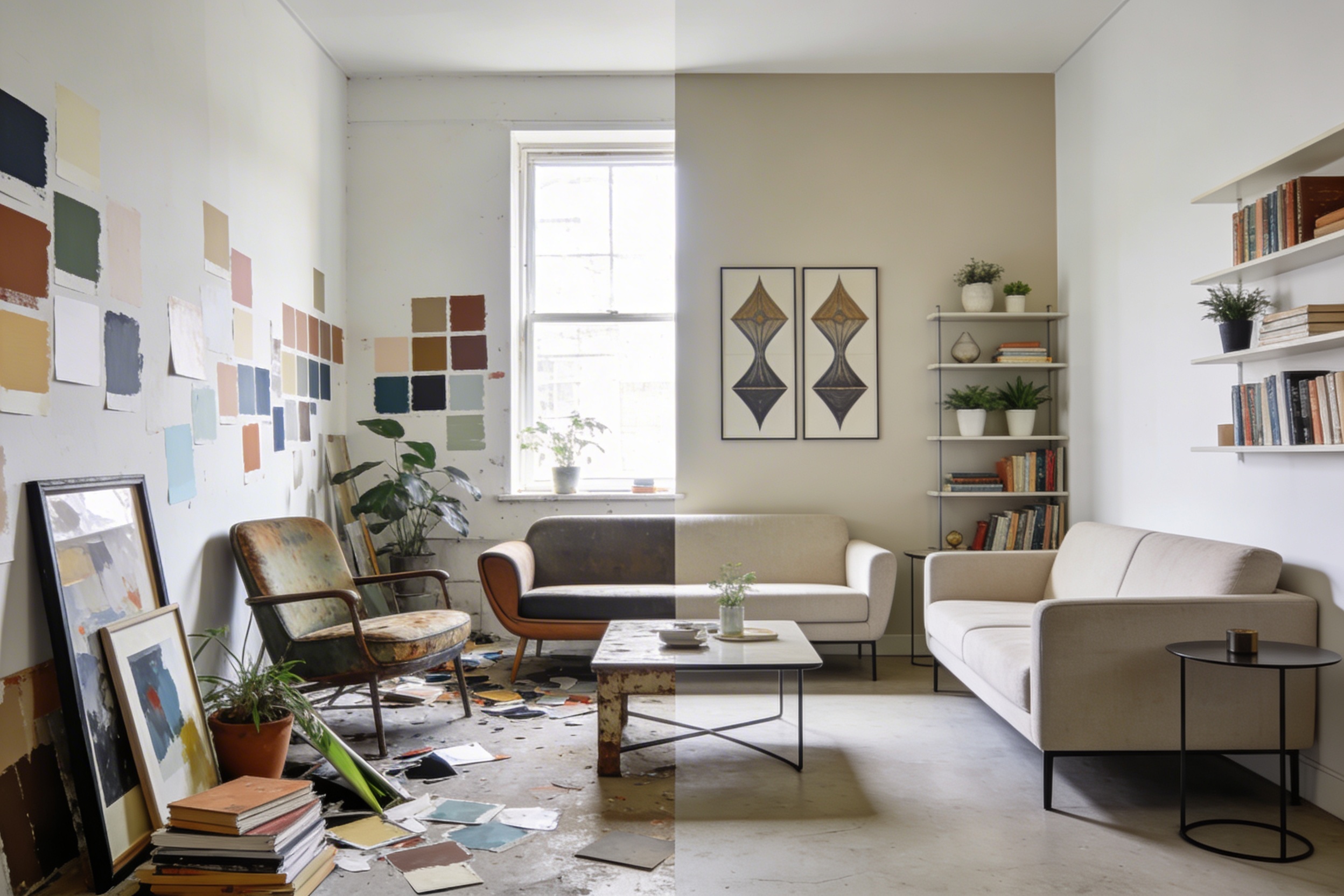
Let’s be real—decorating your home can feel like one of those tasks that sounds fun until you’re standing in the middle of your living room, paint swatches in hand, wondering why nothing looks like those Pinterest boards you’ve been obsessively saving. The good news? There’s no single “right” way to decorate your home, but there are definitely some smart approaches that’ll save you from costly mistakes and that dreaded “something feels off but I can’t figure out what” feeling.
Start With What You Actually Own (Not What Instagram Says You Need)
Before you go dropping your entire paycheck at HomeGoods, take a hard look at what you already have. Seriously, walk through your space with fresh eyes and see what’s actually working for you. That lamp you inherited from your aunt might be hideous, or it might just need a new shade and a better spot in the room.
Make a list of furniture and decor items you genuinely love versus things you’re keeping out of guilt or laziness. This exercise alone will clear up about 60% of your decorating confusion. You can’t build a cohesive look when you’re trying to work around that neon orange armchair you bought in college just because “it still works fine.”
Pick Your Vibe Before You Pick Your Stuff

Here’s where people mess up constantly: they see something cute in a store and buy it without any game plan. Then six months later, their home looks like a yard sale had a baby with a TJ Maxx clearance section.
Define Your Style (Without Getting Too Precious About It)
You don’t need to commit to one specific aesthetic for life. But having a general direction helps tremendously. Are you drawn to minimalist spaces with clean lines? Do you love the cozy, layered look of maximalist rooms? Maybe you’re somewhere in the middle with modern farmhouse or Scandinavian vibes.
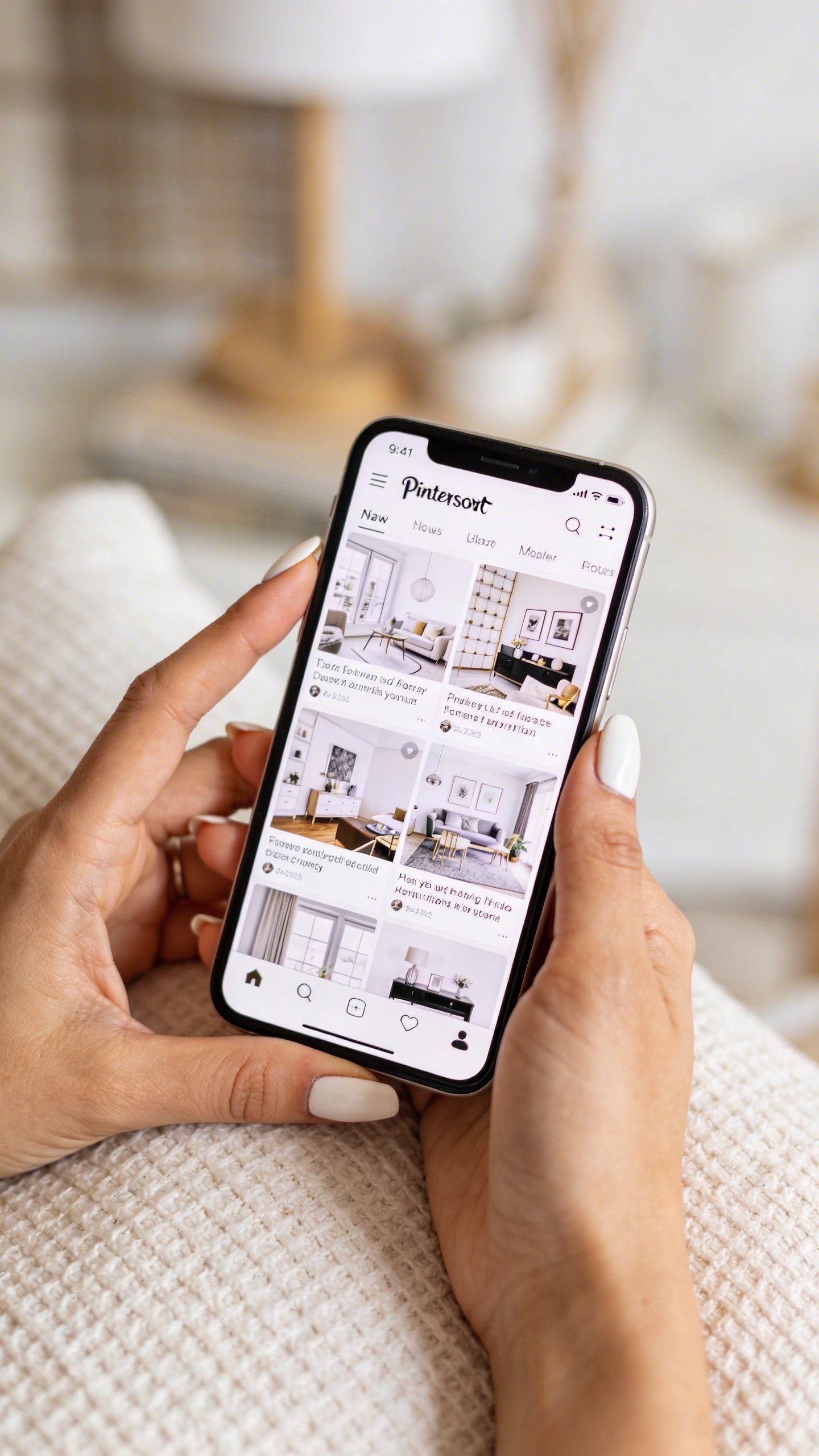
Create a mood board—digital or physical, whatever works. Collect images of rooms that make you feel something. After you’ve gathered 20-30 images, you’ll start noticing patterns. Maybe you’re always drawn to warm wood tones, or perhaps every room you save has pops of jewel tones.
Consider Your Lifestyle (This Actually Matters)
That white linen sofa looks amazing, but do you have kids? Pets? A tendency to eat spaghetti on the couch while binge-watching TV? Be honest with yourself about how you actually live. The best decorating choice is one that makes your home both beautiful and functional for your real life.
The Power of a Neutral Foundation
I know, I know—neutrals sound boring. But hear me out. Starting with a neutral base for your big-ticket items (sofas, rugs, wall colors) gives you incredible flexibility. You can swap out throw pillows, artwork, and accessories to completely change your room’s mood without replacing your entire couch.
Think of neutrals as your home’s little black dress. They’re classic, versatile, and they make everything else you pair with them look better. Plus, when you inevitably get tired of your current color obsession (RIP to my millennial pink phase), you won’t need to rebuy all your furniture.
Your neutral doesn’t have to be beige, by the way. Warm grays, soft whites, charcoals, and even muted greens can all serve as fantastic foundations. Just pick something you won’t hate looking at for the next five years.
Layer, Layer, Layer (Like You’re Dressing for a Canadian Winter)
The difference between a room that looks “decorated” and one that looks truly lived-in and stylish comes down to layers. Flat rooms with minimal styling feel cold and incomplete, even if the individual pieces are nice.
Here’s what layering actually means in practice:
- Textiles: Mix throw pillows in different sizes and textures, drape blankets over furniture, add curtains even if you don’t “need” them
- Heights: Vary the height of objects on surfaces—tall candlesticks next to stacked books next to a low bowl
- Textures: Combine smooth with rough, shiny with matte, soft with hard
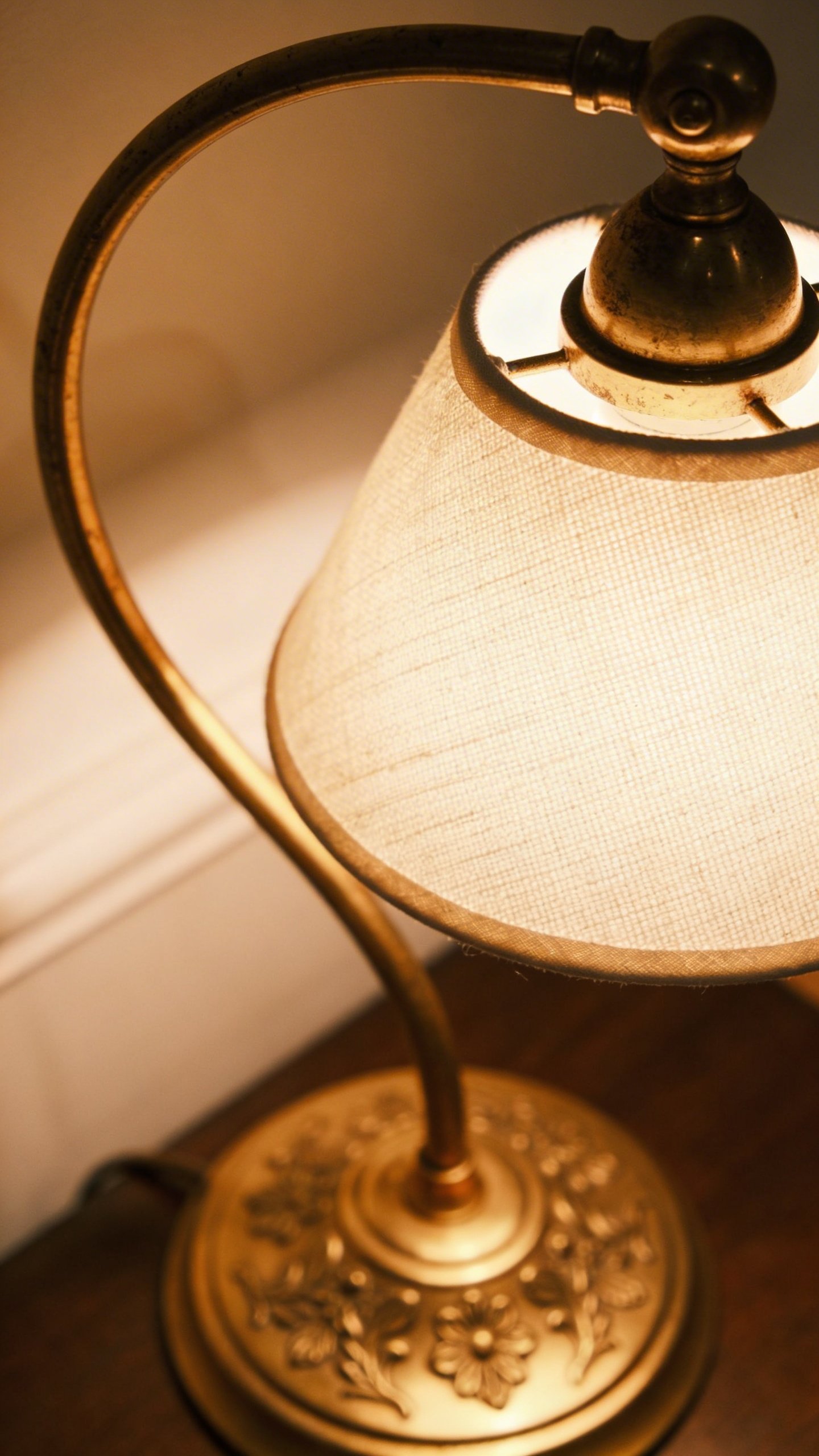
- Light sources: Overhead lighting alone is a crime; add table lamps, floor lamps, and even string lights
Think of each surface in your room as a mini vignette. Your coffee table shouldn’t just have a single candle sitting in the dead center. Add a stack of books, a small plant, maybe a decorative object that means something to you.
Stop Pushing Everything Against the Walls
This is probably the single biggest mistake I see in home decorating. Everyone shoves all their furniture against the walls like they’re preparing for a middle school dance. Unless you’re working with a truly tiny space, pulling furniture away from walls creates better flow and more intimate conversation areas.
Try floating your sofa in the room with a console table behind it. Position chairs at angles instead of rigidly parallel to walls. Create zones within larger rooms by using furniture placement rather than trying to treat the entire space as one giant rectangle.
FYI, this also makes rooms feel bigger, not smaller, which seems counterintuitive but totally works.
Art and Accessories Are Not Optional
Bare walls are sad. I said what I said. You don’t need expensive gallery pieces, but you do need something on those walls that isn’t just paint. Art, mirrors, shelving, wall hangings—pick your poison, but pick something.
Hanging Art Without Losing Your Mind
The center of your artwork should generally sit at eye level, which is roughly 57-60 inches from the floor. For gallery walls, lay everything out on the floor first, take a photo, and use that as your guide. Trust me on this one—the number of nail holes I’ve put in walls because I “eyeballed it” is embarrassing.
Don’t be afraid to mix frame styles and art types. A gallery wall with all matching frames can look great, but so can an eclectic mix. There’s no decorating police coming to arrest you for creative choices.
The Right Amount of Accessories
Accessories should follow the Goldilocks principle: not too many, not too few. Edit ruthlessly. If you have 47 decorative objects crammed on one shelf, your eye doesn’t know where to look and the whole thing becomes visual noise.
Group items in odd numbers (threes and fives look most natural to the eye). Leave some empty space—breathing room is crucial. And please, rotate your accessories seasonally or whenever you get bored. You don’t need to display everything you own all at once.
Bring in Living Things
Plants and flowers are like instant credibility for your decorating skills. They add life (literally), color, texture, and that “I have my life together” vibe that we’re all trying to project. Even if you’ve got a black thumb, there are nearly indestructible options like pothos, snake plants, and ZZ plants.
Fresh flowers are worth the investment, IMO. A $10 bouquet from the grocery store in a simple vase does more for a room than most $100 decor purchases. Plus, they force you to stay on top of things—dead flowers are not the aesthetic we’re going for.
Frequently Asked Questions
How much should I spend on decorating my home?
There’s no magic number, but a good rule of thumb is to allocate your budget wisely: invest more in pieces you’ll use daily (your bed, sofa, dining table) and save on trendy accessories you might replace in a year or two. You can absolutely create a stunning home on a budget by mixing some investment pieces with affordable finds from places like IKEA, Target, or thrift stores. Start with one room at a time so you don’t blow your budget all at once and end up eating ramen for six months.
Should I hire an interior designer or do it myself?
If you’ve got the budget and feel completely overwhelmed, a designer can save you time and expensive mistakes. But for most people, DIY decorating works fine—you just need patience and a willingness to experiment. Consider a middle-ground option like an online design service or a one-time consultation where a designer gives you a plan and you execute it yourself. This gives you professional guidance without the full-service price tag.
How do I make a small space look bigger?
Use mirrors strategically to reflect light and create the illusion of depth. Stick with lighter colors on walls and larger furniture pieces. Choose furniture with legs (seeing floor underneath makes spaces feel more open) and avoid blocking windows. Keep clutter minimal and use vertical storage to draw the eye upward. Multi-functional furniture is your friend in small spaces—ottomans with storage, fold-down desks, and nesting tables all help maximize functionality without crowding your room.
What’s the biggest decorating mistake people make?
Buying everything from the same store or collection. This creates a showroom look that feels sterile and impersonal. Your home should tell your story, which means mixing high and low, new and vintage, and incorporating pieces from different sources. Also, scaling is huge—people often choose furniture that’s too small for their space because they’re afraid of overwhelming a room, but properly sized furniture actually makes spaces feel more intentional and complete.
How often should I update my home decor?
There’s no set timeline, but refreshing accessories and textiles seasonally or annually keeps things interesting without breaking the bank. Your major furniture pieces should last years, but throw pillows, artwork, and small decor items can rotate more frequently. If you’re getting that “blah” feeling about a room, sometimes all you need is to rearrange what you have, add new throw pillows, or swap out wall art rather than buying all new stuff.
How do I choose paint colors that won’t look terrible?
Always, always, ALWAYS test paint samples on your actual walls before committing. Paint looks completely different depending on your lighting, and what looks perfect in the store might look like a swamp monster in your north-facing living room. Paint large swatches (at least 2×2 feet) and observe them at different times of day. Live with samples for at least a few days before deciding. And remember: you can repaint if you hate it—it’s not a permanent life sentence.
Conclusion
The best way to decorate your home really comes down to creating a space that reflects who you are while remaining functional for how you actually live. Start with a plan, invest in quality foundations, layer in personality through accessories and art, and don’t be afraid to experiment. Your home will evolve over time, and that’s exactly how it should be. The goal isn’t perfection—it’s creating a space where you feel comfortable, happy, and maybe just a little bit proud when people come over. Now stop overthinking it and go rearrange some furniture.