
Tips to Organize Your Home Easily Without Losing Your Mind
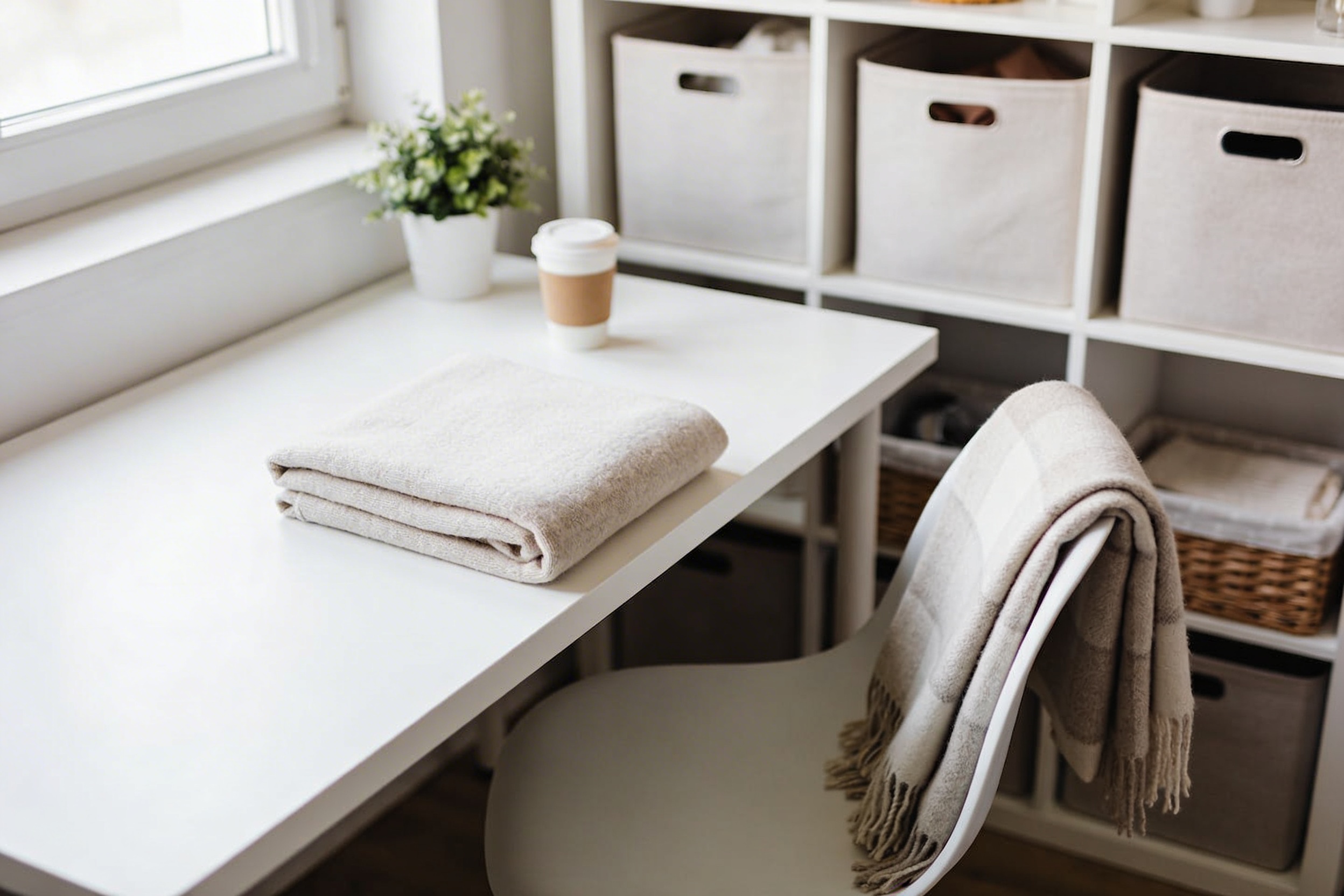
You know that feeling when you can’t find your keys, your closet explodes every time you open it, and you’re pretty sure there’s a coffee mug growing sentient life somewhere in your home office? Yeah, we’ve all been there. The good news is that organizing your home doesn’t require a complete lifestyle overhaul or transforming into some minimalist guru who only owns three spoons. Let me share some actually doable tips that’ll help you reclaim your space without losing your mind.
Start With the Low-Hanging Fruit
Here’s the thing: you don’t need to Marie Kondo your entire house in one weekend. That’s a recipe for burnout and pizza boxes stacked in the corner because you gave up halfway through. Instead, pick the spots that bug you most and tackle those first.
Maybe it’s that junk drawer in the kitchen that’s become a portal to another dimension. Or the bathroom counter that’s somehow accumulated 47 bobby pins and five half-empty shampoo bottles. Whatever it is, starting small gives you quick wins that actually motivate you to keep going.
I’d recommend making a list of the top three spaces that make you want to scream. Then just pick one. Seriously, just one. You can conquer the world later.
The “One In, One Out” Rule Actually Works
This rule is stupidly simple but ridiculously effective. Every time you bring something new into your home, something old has to leave. Bought a new sweater? Time to donate one you haven’t worn since 2019. New coffee maker? The old one needs to go.
This isn’t about deprivation—it’s about maintaining equilibrium so you don’t end up drowning in stuff again. Think of it as a bouncer for your belongings. Your home has a maximum capacity, and the bouncer’s job is to enforce it.
FYI, this works especially well for clothes, kitchen gadgets, and books. You know, the stuff that multiplies like rabbits when you’re not looking.
Create Zones (Because Everything Needs a Home)
Ever notice how you spend half your life searching for things? That’s because your stuff is homeless. Everything in your house needs a designated spot, and similar items should live together in zones.
Setting Up Your Zones
Think about how you actually use your space. Your mail, keys, and wallet should live near the door. Coffee supplies should be near the coffee maker (groundbreaking, I know). Cleaning supplies under the sink? Makes sense.
The key is to work with your natural habits, not against them. If you always dump your bag on the kitchen counter, put a hook or basket there instead of fighting it. You’re not going to suddenly become a different person who hangs their bag in the hall closet.
Label Everything (No, Really)
Labels feel extra at first, but trust me on this one. When everything’s labeled, your brain doesn’t have to work as hard to remember where things go. Plus, it helps everyone else in your household put stuff back in the right place.
You don’t need a fancy label maker either. Masking tape and a Sharpie work just fine. Just make sure you can actually read what you wrote six months later.
Embrace the Power of Vertical Space
Most people completely ignore their walls, and that’s basically like having a whole extra room you’re not using. Vertical storage is your secret weapon when you’re short on floor space.
Install floating shelves, hang hooks, get an over-the-door organizer, or put up a pegboard. Your walls can hold so much more than just that picture of your dog wearing a hat (adorable though it may be).
In the kitchen, magnetic strips for knives and spice jars that stick to the fridge can free up tons of counter space. In the bedroom, wall-mounted nightstands and floating shelves keep the floor clear. Even in the bathroom, vertical storage beats having everything crammed under the sink.
The 15-Minute Daily Reset
Okay, so you’ve organized everything. Awesome! Now here’s the part nobody tells you: maintenance is actually more important than the initial organization. Without it, you’ll be back to chaos in two weeks.
Set a timer for 15 minutes every day and do a quick reset. Put things back where they belong, deal with that pile of mail, throw away the random receipts accumulating on your counter. It sounds like another chore, but it’s way easier than facing a complete disaster every few months.
IMO, the best time to do this is right before bed. You wake up to a clean space, which feels amazing, and it sets a better tone for your whole day.
Invest in Smart Storage Solutions

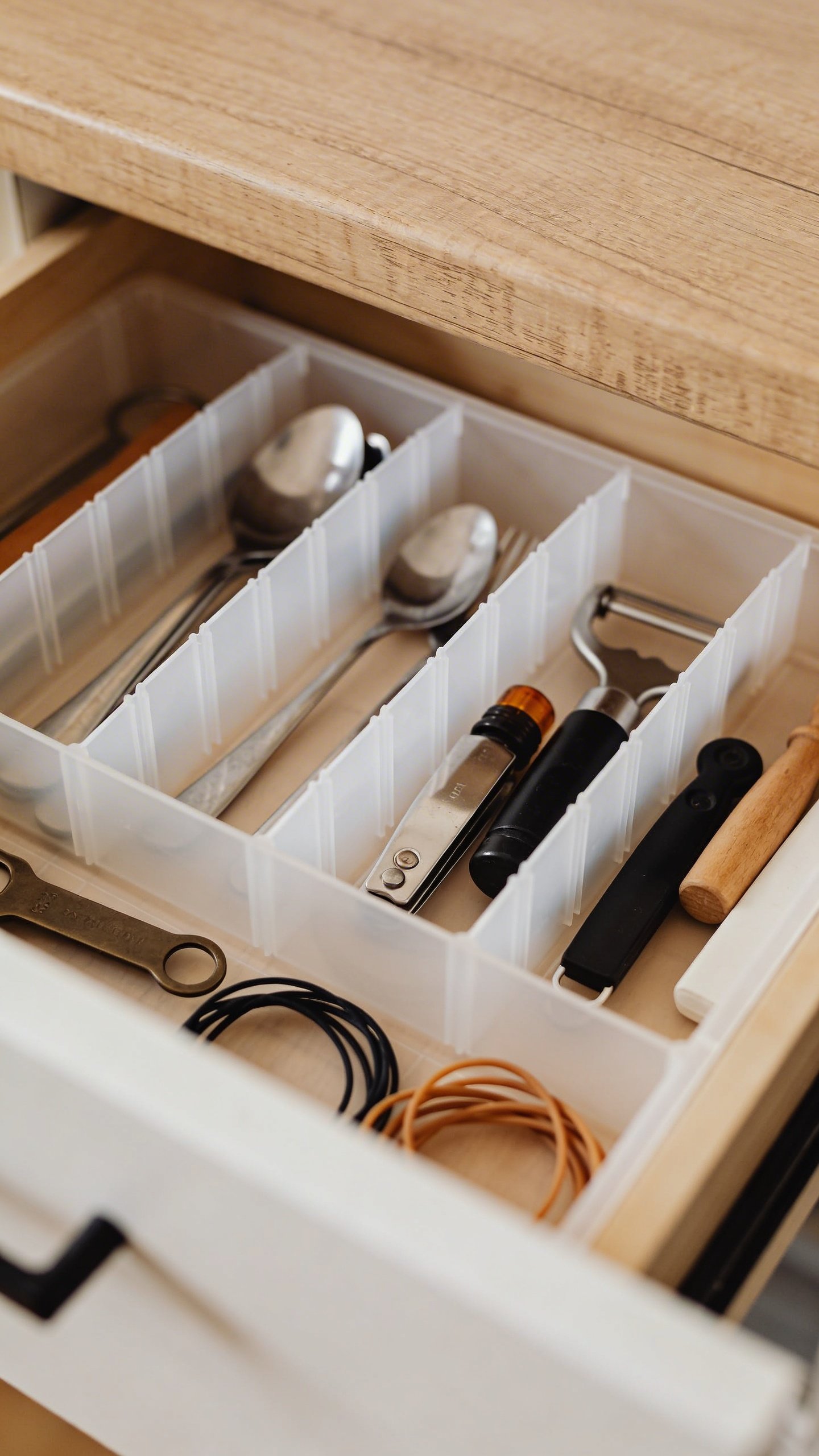
You don’t need to spend a fortune, but a few good storage pieces can make a massive difference. Clear bins are worth their weight in gold because you can actually see what’s inside. Drawer dividers keep small stuff from becoming a jumbled mess. And basket? Baskets are basically magic.
For closets, matching hangers might seem bougie, but they actually save space and make everything look more organized. Slim velvet hangers are cheap and keep clothes from sliding off.
Under-bed storage is criminally underused. Those containers can hold seasonal clothes, extra bedding, or whatever else you need to stash but don’t use daily. Just remember to label them so you don’t have to play storage container roulette when you need something.
Frequently Asked Questions
How do I stay motivated when organizing feels overwhelming?
Break it down into tiny chunks. Instead of “organize the bedroom,” try “organize one dresser drawer.” Set a timer for 20 minutes and see what you can accomplish. You’d be surprised how much you can do in short bursts, and small wins build momentum. Also, blast some good music or your favorite podcast—it makes the time fly.
What should I do with sentimental items I don’t actually use?
This is tough, but you don’t have to keep everything. Take photos of items that hold memories but take up space. Keep your absolute favorites and let go of the rest. You can also create a “memory box” with a size limit—when it’s full, you have to be selective about what stays. The memories live in your head, not in the object itself.
How often should I declutter?
Aim for a seasonal declutter—four times a year. This keeps things from piling up too much and lets you rotate seasonal items. But honestly, the daily 15-minute reset prevents most of the chaos, so you won’t need massive overhauls as often. Think of it like dental hygiene: daily maintenance beats emergency root canals.
What’s the best way to organize a small space?
Maximize vertical space, use multi-functional furniture, and be ruthless about what you keep. In small spaces, every item needs to earn its place. Over-the-door organizers, under-bed storage, and furniture with built-in storage (like ottomans or beds with drawers) are your best friends. Also, keep surfaces as clear as possible—it makes the space feel bigger.
Should I buy organizing supplies before I declutter?
Nope! Declutter first, then measure and assess what storage you actually need. Otherwise, you’ll waste money on containers that don’t fit or aren’t right for what you’re storing. Plus, you might realize you need way less storage than you thought once you’ve purged the excess stuff.
How do I get my family on board with staying organized?
Make it as easy as possible for them to put things away. Use clear labels, create obvious zones, and put frequently used items in accessible spots. Kids respond well to bins with picture labels. For partners, well… sometimes you just have to accept that their version of “organized” might be different from yours. Pick your battles and focus on shared spaces.
Wrapping It All Up
Look, organizing your home isn’t about achieving some Pinterest-perfect fantasy where everything’s color-coded and you never have a dish in the sink. It’s about creating systems that work for your actual life, with your actual habits, in your actual space.
Start small, build habits gradually, and remember that maintenance is the real game-changer. Your home should support you, not stress you out. And if you backslide sometimes? That’s completely normal. Just reset and keep going.
You’ve got this. Now go tackle that junk drawer.