
12 Styling Tips to Make Your Outfits Look Expensive
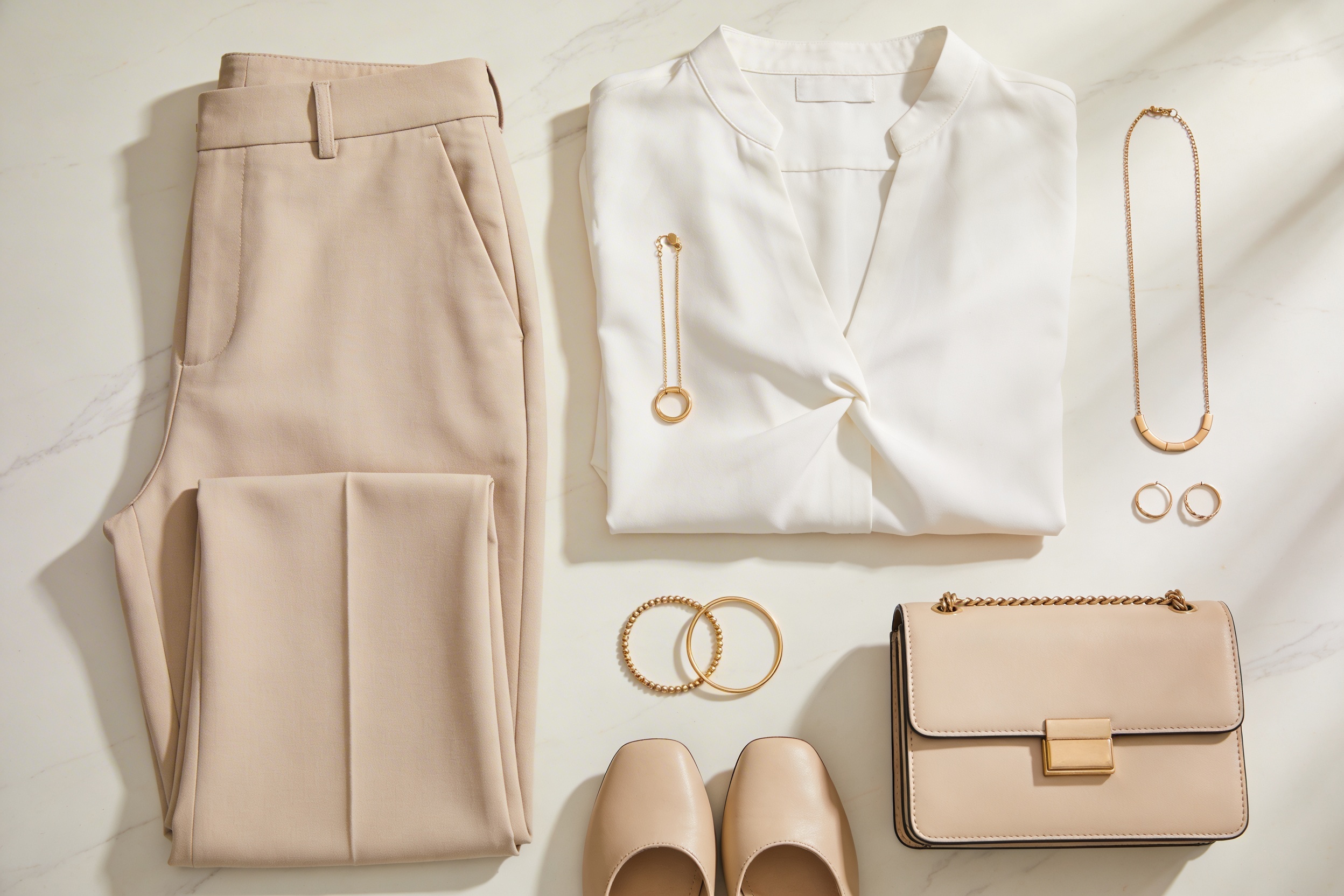
You don’t need a trust fund to look like you have one. The difference between an outfit that looks cheap and one that screams “expensive” often comes down to a few simple styling tricks that most people completely overlook. Let me walk you through the secrets that’ll make people wonder if you just stepped out of a Vogue editorial.
Fit Is Everything (Seriously, Everything)
Here’s the truth bomb: a $50 shirt that fits perfectly will always look more expensive than a $500 designer piece that’s too baggy or tight in the wrong places. Your clothes should skim your body without clinging desperately or drowning you in excess fabric.
Pay attention to where your shoulder seams hit (they should align with your actual shoulders), how your pants break at the ankle, and whether your sleeves end at the right spot on your wrist. These tiny details make a massive difference.
And look, I get it—tailoring sounds expensive. But taking in a waist or hemming pants usually costs $15-30, which instantly upgrades any piece in your closet. Think of it as an investment that pays dividends every time you wear that item.
Master the Art of Tucking
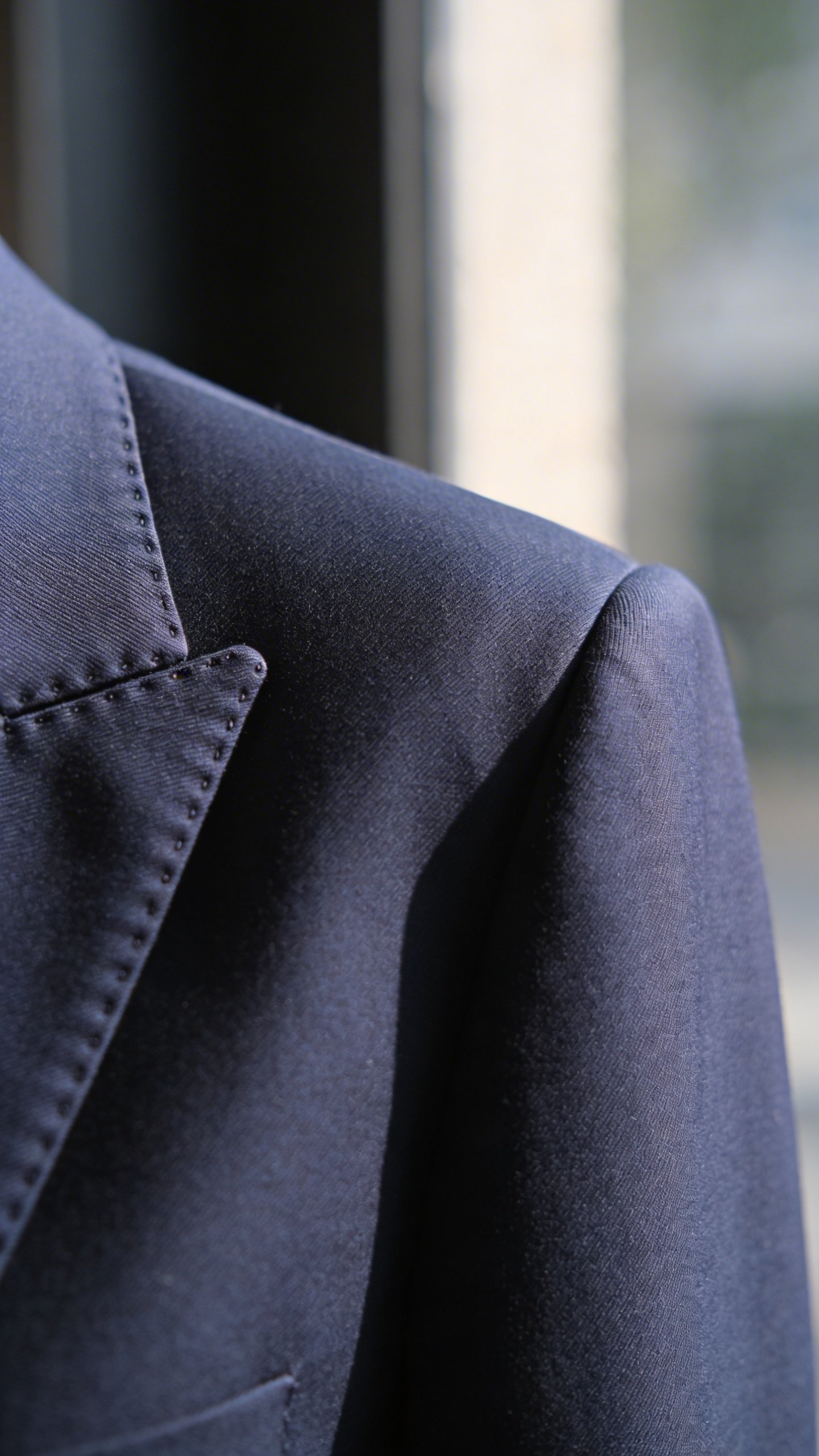
The half-tuck, the French tuck, the full tuck—these aren’t just Instagram trends. A strategic tuck creates structure and defines your waistline, which automatically elevates your whole look.
Try this: with shirts and blouses, do a loose front tuck that shows off your belt or the waistband of your pants. This simple move transforms a casual outfit into something intentional and polished. Plus, it makes your legs look longer, and who doesn’t want that?
Invest in These Key Pieces
You don’t need to blow your entire paycheck on designer everything, but certain items are worth spending a bit more on because they form the foundation of expensive-looking outfits.
The Non-Negotiables
- A structured blazer: This is your secret weapon. Throw it over literally anything and boom—instant sophistication.
- Quality shoes: People notice. Scuffed, worn-out shoes will tank even the chicest outfit.
- A classic leather bag: It doesn’t need a logo. In fact, it’s better without one.
- Well-fitted jeans: Find your perfect pair and buy them in every wash.
These pieces do the heavy lifting, so you can fill in the rest of your wardrobe with more affordable options.
Ditch the Visible Logos

Hot take: giant logos scream “I needed you to know this cost money” rather than “I have impeccable taste.” Truly expensive-looking style is subtle and confident. It doesn’t need to announce itself with a designer’s name plastered across your chest.
The old money aesthetic that’s trending right now? It’s all about quiet luxury. Think clean lines, quality fabrics, and pieces that speak for themselves. Save the logo flex for your gym bag if you must, but keep it off your outfit.
Pay Attention to Fabric Quality
This is where most budget outfits fall apart—literally. Thin, shiny polyester will always look cheap, no matter how well it fits. On the flip side, natural fibers like cotton, linen, wool, and silk automatically read as more expensive.
When you’re shopping, touch everything. Does it feel nice? Does it have weight to it? Will it wrinkle into oblivion after one wear? These tactile clues tell you whether something will look expensive on your body.
You can find affordable pieces in good fabrics if you know what to look for. Check the garment’s composition tag and aim for at least 90% natural fibers when possible. FYI, a cotton-blend is fine—you don’t need 100% anything—but avoid that 100% polyester like it personally insulted you.
Accessorize Strategically
Accessories are the difference between “I got dressed” and “I styled an outfit.” But here’s the key: less is almost always more.
Choose one or two statement pieces rather than piling on everything you own. A nice watch, simple gold hoops, or a classic belt can pull an entire look together. When you over-accessorize, you risk looking costume-y instead of expensive.
The Power of Sunglasses
Never underestimate a good pair of sunglasses. They add instant mystique and polish to even the most basic outfit. You don’t need designer frames—just find a classic shape that suits your face and stick with it.
Color Coordination Makes You Look Put-Together
Wearing a million different colors at once gives chaotic energy, not expensive energy. Stick to a cohesive color palette for each outfit—usually three colors max, including neutrals.
Monochromatic looks (all one color in different shades) are particularly effective at creating that expensive, editorial vibe. An all-cream outfit? Chef’s kiss. Varying shades of grey? Sophisticated perfection.
And here’s a pro tip: neutrals are your friends. Black, white, beige, navy, and grey will never betray you. They’re timeless, they mix easily, and they always look polished.
Keep Everything Pristine
You can wear the most expensive outfit in the world, but if it’s wrinkled, pilled, or stained, you’ll look like you slept in it behind a dumpster. Harsh? Maybe. True? Absolutely.
Iron your clothes (or at least steam them), remove any lint or pet hair, and check for loose threads or missing buttons before you leave the house. These maintenance tasks take five minutes but make you look like you have your life together.
Also, replace worn-out items. That shirt with the stretched-out neckline? Retire it. Those shoes with the scuffed heels? Either repair them or say goodbye. Clinging to ratty items will sabotage your expensive aesthetic faster than anything else.
The Devil Is in the Details
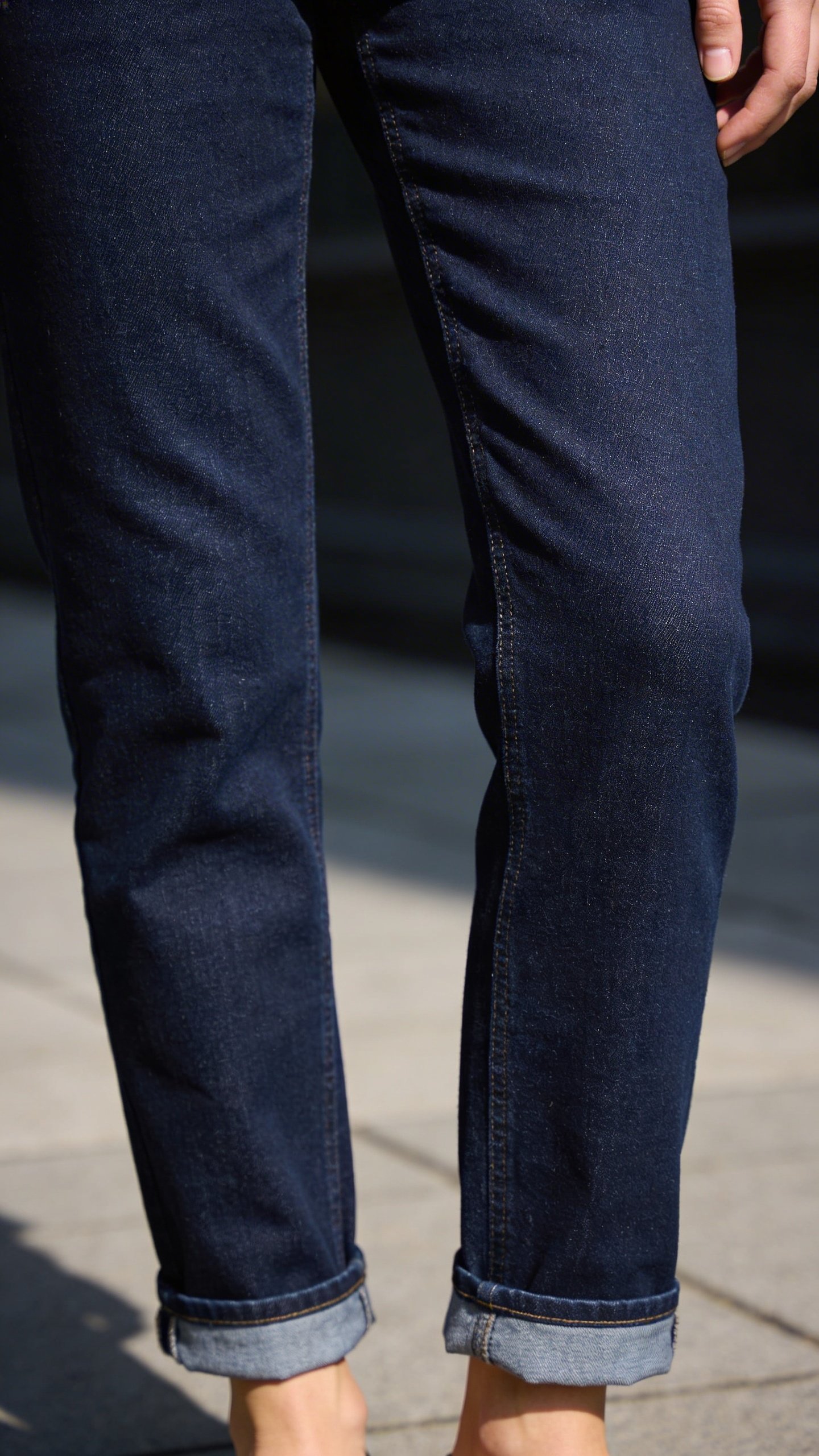
Small touches separate okay outfits from extraordinary ones. Roll up your sleeves to show a watch or bracelet. Cuff your jeans to display interesting socks or cool shoes. Add a pocket square to your blazer. These intentional details signal that you put thought into your appearance.
IMO, the best-dressed people aren’t the ones wearing the most expensive things—they’re the ones who’ve mastered these subtle styling moves that make everything look cohesive and intentional.
Frequently Asked Questions
Can I really look expensive on a budget?
Absolutely. Looking expensive is about how you style and maintain your clothes, not how much you spend. Focus on fit, quality basics, and proper garment care, and you can create a luxe aesthetic without luxury prices. Shop secondhand for high-quality pieces, wait for sales, and invest strategically in items you’ll wear constantly.
What’s the biggest mistake people make when trying to look expensive?
Overthinking it and trying too hard. Wearing too many trends at once, over-accessorizing, or buying logo-heavy pieces to prove you spent money all backfire. The most expensive-looking outfits are usually the simplest ones—well-fitted basics in quality fabrics, styled with confidence.
How important are shoes in looking expensive?
Extremely important. People notice shoes more than you think, and beat-up or cheap-looking footwear can ruin an otherwise perfect outfit. You don’t need twenty pairs—just invest in a few classic styles in neutral colors that you keep clean and in good repair.
Should I follow trends if I want to look expensive?
Selectively. Some trends are fun and worth trying, but building your wardrobe around trendy pieces actually makes you look less expensive because trends date quickly. Stick to classic silhouettes and incorporate trends through accessories or smaller items you won’t mind replacing in a year.
What colors make you look more expensive?
Neutrals are your best bet: black, white, cream, camel, navy, and grey always look sophisticated. Jewel tones like emerald, sapphire, and burgundy also read as luxurious. Avoid neon colors and overly bright patterns, which tend to look cheaper and more juvenile.
Is tailoring really worth the money?
One thousand percent yes. Tailoring is the single best investment you can make in your wardrobe. A perfectly fitted $30 pair of pants will always look better than ill-fitting $300 designer ones. Even small adjustments—hemming, taking in a waist, shortening sleeves—make a dramatic difference in how polished you look.
Wrapping It Up
Looking expensive doesn’t require an expensive lifestyle—it requires attention to detail, smart shopping, and understanding what actually makes an outfit look polished. Start with fit, build a foundation of quality basics, and master the art of keeping things simple and well-maintained.
The best part? Once you nail these styling principles, getting dressed becomes easier because you’ve built a wardrobe that works together seamlessly. Every piece coordinates, everything fits properly, and you always look put-together without even trying that hard. That’s the real luxury.