
The Real Reason Why Your Home Feels Cluttered
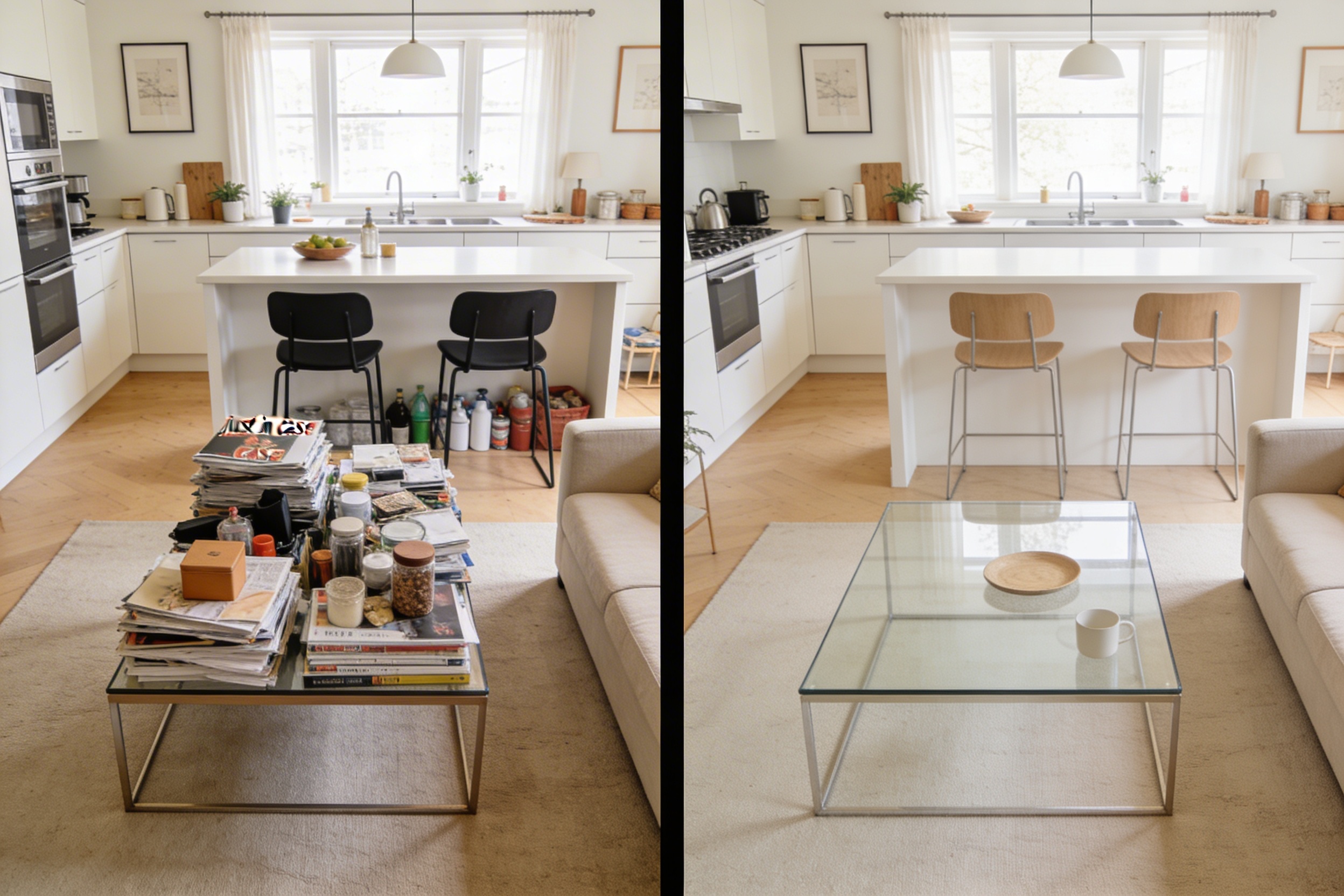
You walk into your living room and immediately feel… overwhelmed. Everything has a home, you cleaned last weekend, and yet somehow it still looks like a tornado passed through. The culprit? It’s probably not what you think.
You’re Holding Onto “Just In Case” Items
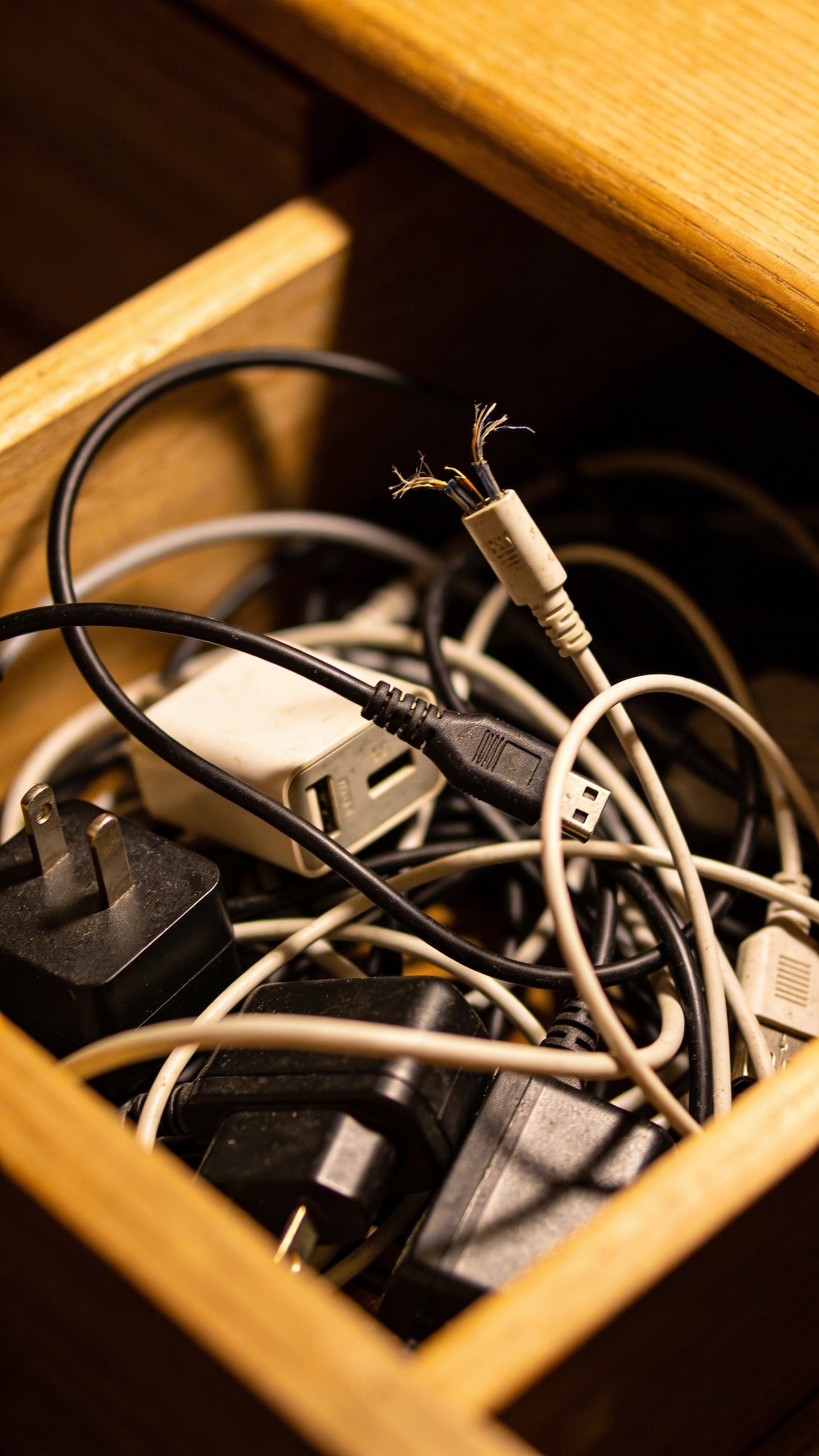
Let me guess – you’ve got a drawer full of mystery cables, right? Maybe some old phone chargers for devices you haven’t owned since 2015? We’ve all been there, hanging onto stuff because “what if I need it someday?”
Here’s the thing: that someday almost never comes. Those promotional t-shirts from college events, the specialty kitchen gadget you used once, the craft supplies from that hobby you tried for three weeks – they’re all taking up valuable real estate in your home.
The “just in case” mentality turns your space into a storage unit. And storage units, FYI, aren’t exactly known for their cozy vibes. If you haven’t used something in a year (and it’s not seasonal or sentimental), you probably won’t miss it.
Everything Lives on Horizontal Surfaces
Walk through your home right now and count the horizontal surfaces covered in random stuff. Kitchen counter? Check. Coffee table? Yep. That chair in your bedroom that’s definitely not used for sitting? Absolutely.
Horizontal surfaces are clutter magnets. The moment you set something down “just for now,” it attracts friends. One book becomes a stack. One piece of mail becomes a pile. Before you know it, you’re eating dinner with your elbows tucked in because there’s no clear space left.
The fix? Give everything a vertical home instead. Use wall hooks, floating shelves, and organizers that take advantage of vertical space. When items don’t have permission to loiter on surfaces, your space instantly feels cleaner.
The Dreaded Flat Surface Syndrome
Your dining table isn’t supposed to be a permanent storage solution for mail, kids’ artwork, and random household items. Neither is your kitchen counter. These surfaces should be clear by default, not clear “when company’s coming.”
Start treating horizontal surfaces like they’re lava – stuff shouldn’t live there permanently. It sounds dramatic, but it works.
You Don’t Have Enough (or the Right) Storage
Sometimes clutter isn’t about having too much stuff – it’s about not having anywhere to put it. You can’t organize what you can’t contain, and those flimsy cardboard boxes from Amazon aren’t cutting it.
Invest in proper storage solutions that actually fit your space and lifestyle. Baskets, bins, drawer dividers, cabinet organizers – these aren’t just fancy add-ons. They’re the difference between “organized chaos” and actual organization.
But here’s the catch: more storage isn’t always the answer. If you buy storage containers before decluttering, you’re just organizing stuff you don’t need. It’s like rearranging deck chairs on the Titanic, but make it consumerism.
Your Space Has No Designated Zones
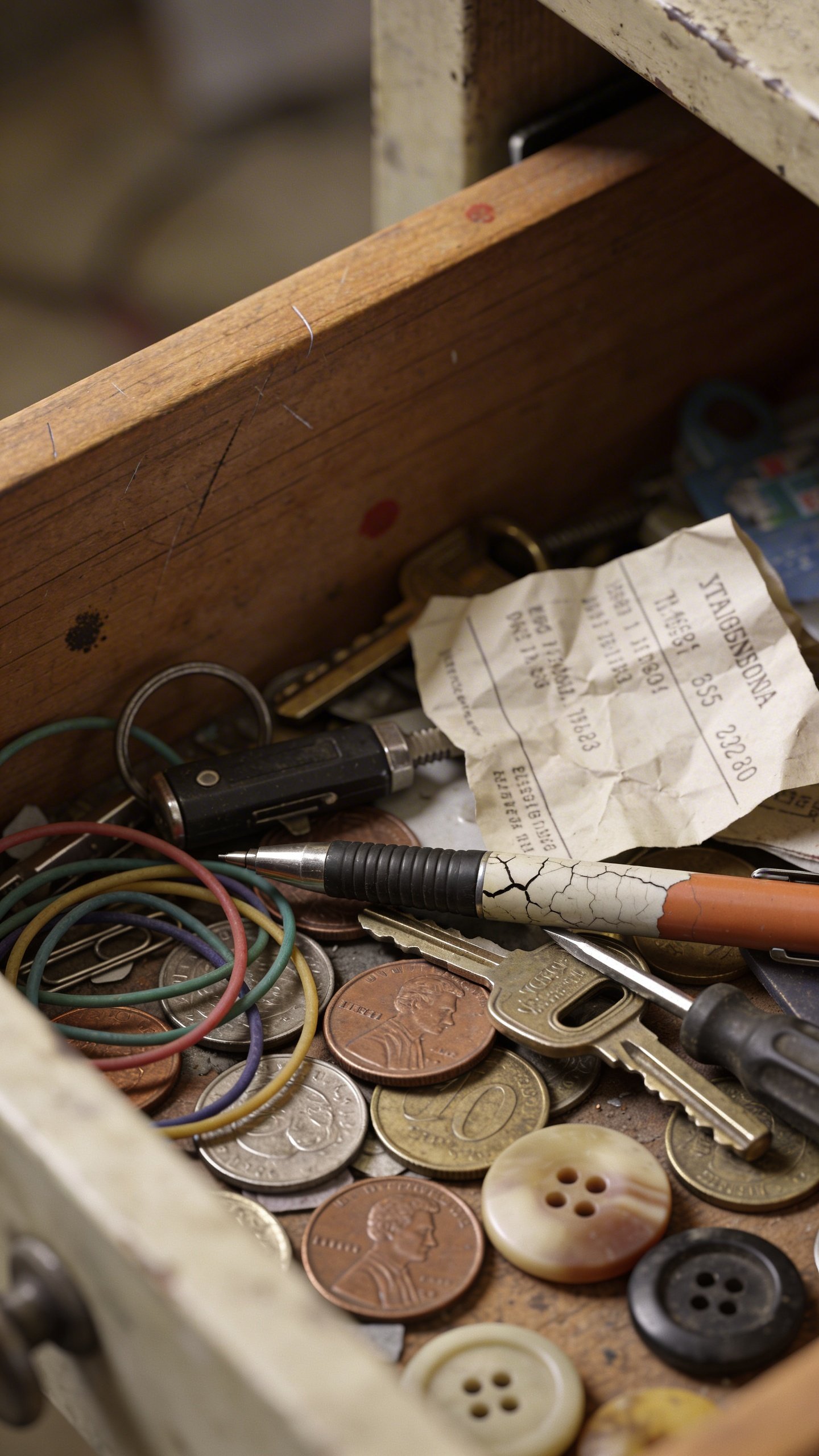
Does your mail end up in the bathroom? Are there shoes in the kitchen? When your home lacks designated zones for different activities and items, everything migrates everywhere. It’s like a game of musical chairs, except nothing ever finds a permanent seat.
Creating zones gives every item a logical home. A landing zone by the door for keys and mail. A specific drawer for batteries and lightbulbs. A dedicated spot for charging devices. When things have assigned locations that make sense, they’re more likely to end up there.
Think about it – you don’t store your shampoo in the kitchen because that would be weird. Apply that same logic throughout your home. Mail goes in one spot, shoes in another, and those random screwdrivers you find everywhere? They get a toolbox.
The Landing Zone Game-Changer
If you do nothing else, create a proper landing zone near your main entrance. A small table, some hooks, a bowl for keys – whatever works for your space. This single zone prevents the daily influx of stuff from spreading through your entire home like wildfire.
You’re Not Dealing With the Root Cause
Here’s some real talk: maybe you feel cluttered because you keep acquiring new stuff without getting rid of old stuff. It’s basic math, really. If more comes in than goes out, things pile up.
One-in-one-out rules actually work. Buy a new sweater? Donate an old one. Get a new kitchen gadget? Toss the duplicate or the one you never use. This keeps your possessions in equilibrium instead of constantly expanding.
Also, examine why you’re buying in the first place. Retail therapy is real, but it’s expensive and it doesn’t actually fix whatever you’re avoiding. Those “good deals” aren’t so good if they end up cluttering your space and stressing you out.
Your Decor Is Doing Too Much

IMO, sometimes the clutter isn’t functional items – it’s decorative overload. Every surface has a knickknack. Every wall has multiple frames. Every shelf is packed with tchotchkes that you dust resentfully every month.
Visual clutter is still clutter. Your eyes need places to rest, and when every inch of your space screams for attention, the overall effect is chaotic, not cozy.
Try the “less is more” approach. Choose a few meaningful pieces you actually love instead of filling every gap. Negative space isn’t wasted space – it’s breathing room for your eyeballs and your sanity.
You Haven’t Committed to Maintenance
The hard truth? Decluttering isn’t a one-and-done deal. It’s like laundry or dishes – it requires ongoing maintenance. You can do a massive cleanout and feel amazing, but without daily habits, the clutter creeps back in like a really persistent ex.
Spend 10-15 minutes daily putting things back where they belong. Do a quick surface sweep before bed. Deal with mail immediately instead of letting it pile up. These small habits prevent the avalanche.
Think of it like this: you can spend 10 minutes a day maintaining order, or you can spend an entire weekend stress-cleaning every few months. Your choice, but the math is pretty clear on which one is more sustainable.
Frequently Asked Questions
How do I declutter without feeling overwhelmed?
Start ridiculously small. One drawer. One shelf. One category of items. Trying to tackle your entire house in a weekend is a recipe for giving up and ordering pizza instead. Set a timer for 15 minutes and work on just one small area. You’ll be amazed at what you can accomplish in focused bursts without the burnout.
What should I do with sentimental items that clutter my space?
Keep the things that genuinely spark joy (yes, I said it), and find creative solutions for the rest. Take photos of items before donating them – you keep the memory without the physical clutter. Create a designated memory box with actual limits (one box, not seventeen). And remember: the memory lives in you, not in your high school gym shirt.
How can I stop my family from creating clutter?
Good luck with that one! Kidding (sort of). Make organization easy and obvious for everyone. Label bins, create accessible storage, and establish family routines around tidying up. Kids can’t put toys “away” if “away” is complicated or unclear. The easier you make the system, the more likely people will actually use it.
Is it worth hiring a professional organizer?
If you’re genuinely stuck and the clutter is affecting your mental health or daily functioning, absolutely. Professional organizers bring fresh eyes and proven systems to your space. Just make sure you’re ready to actually let go of things – they can’t organize stuff you refuse to part with. That’s just expensive rearranging.
How do I maintain a clutter-free home long-term?
Build systems, not just organize once. Create habits like the one-touch rule (deal with items immediately instead of setting them down “for now”), the one-in-one-out rule, and regular decluttering sessions. Schedule them like appointments – “Sunday evening surface sweep” or “first of the month donation box check.” Consistency beats intensity every time.
What’s the biggest mistake people make when decluttering?
Buying organizing supplies before decluttering. You’re basically accessorizing your clutter at that point. First, purge what you don’t need. Then assess what storage solutions you actually require. Otherwise, you’ll end up with a bunch of pretty bins filled with stuff you should have donated in the first place.
Conclusion
Your cluttered home isn’t a character flaw – it’s usually a system problem. Whether you’re holding onto too much stuff, lacking proper storage zones, or just not maintaining daily habits, the good news is that all of these issues have solutions. Start small, be honest about what you actually need and use, and remember that your home should work for you, not against you. A little effort consistently beats a massive overhaul that you can’t sustain. Now go rescue that dining table from its life as a permanent junk collector.