
The Real Reason Why Your Home Doesn’T Look Aesthetic
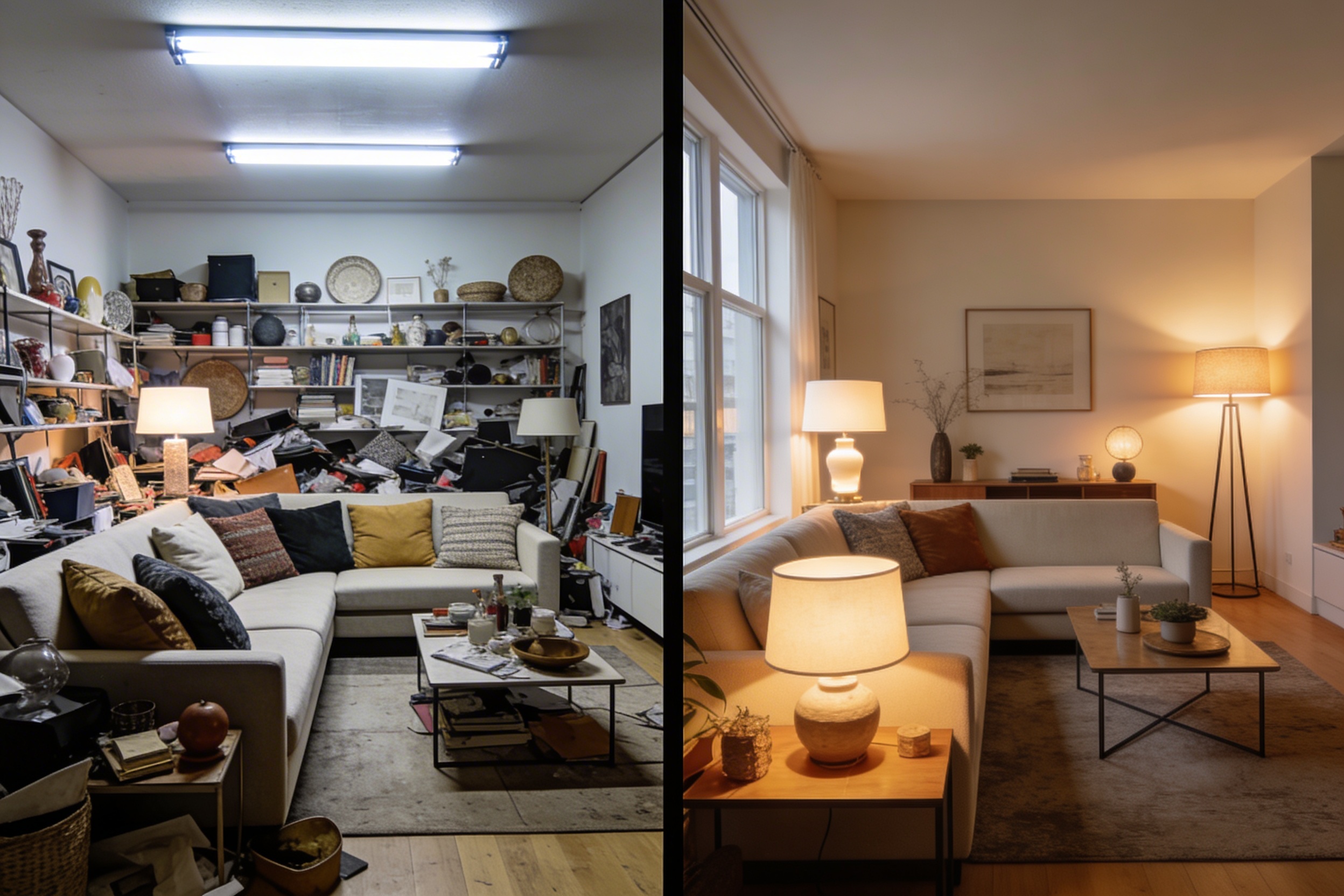
You know that feeling when you scroll through Pinterest or Instagram and wonder why everyone else’s home looks like it belongs in a magazine while yours looks like… well, not that? It’s not just you, and I promise it’s not because you lack some magical interior design gene. Your space probably has some very fixable issues that are quietly sabotaging your aesthetic goals.
You’re Trying to Display Everything You Own
Let’s be real here: that collection of souvenir mugs from every vacation you’ve ever taken doesn’t need to be on display. Neither do all seventeen throw pillows your aunt gave you over the years.
Here’s the thing about aesthetic spaces—they breathe. When you cram every surface with tchotchkes, picture frames, and random stuff, your eye has nowhere to rest. It’s visual chaos, and our brains really don’t like chaos when we’re trying to relax at home.
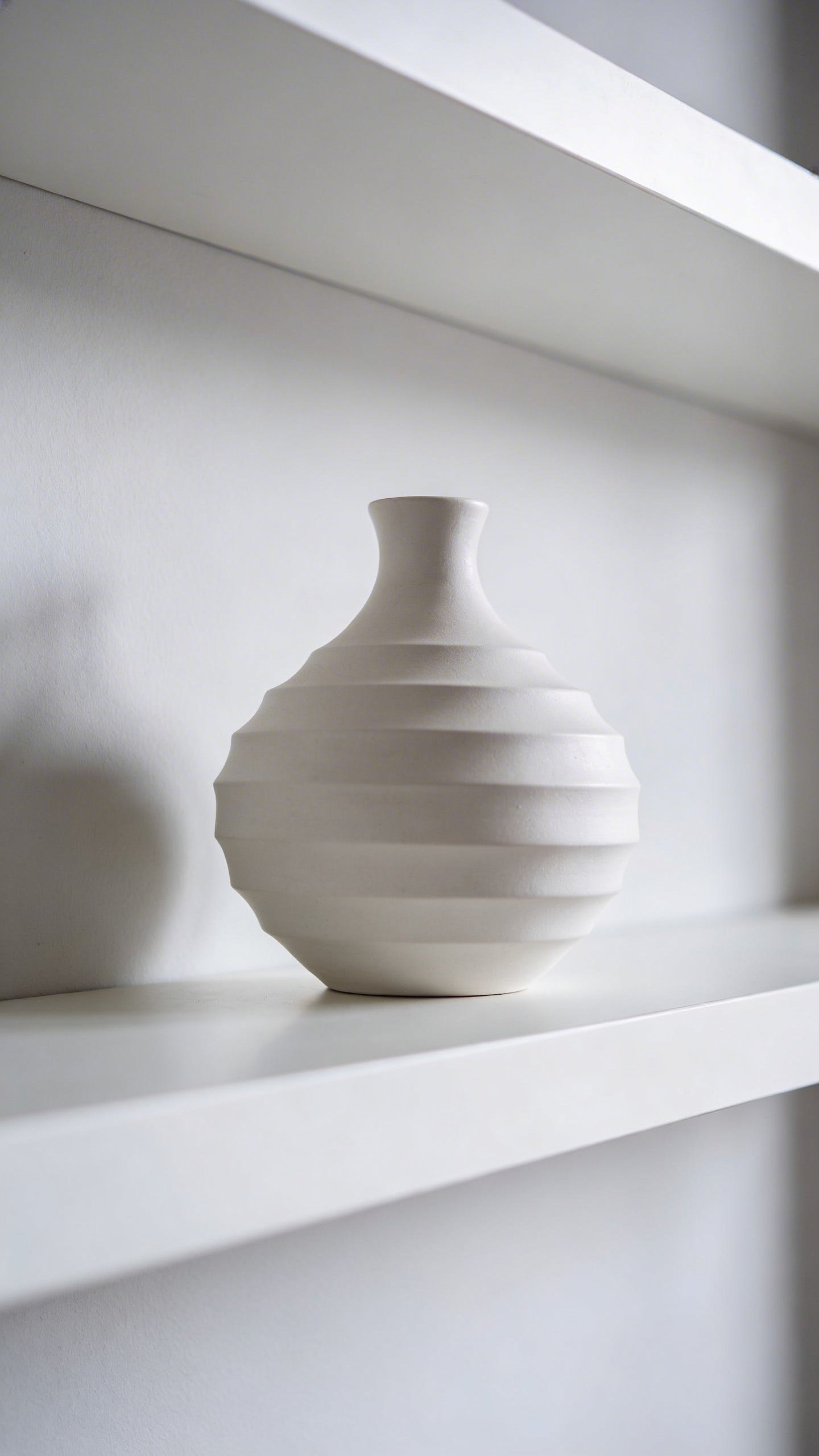
The most aesthetic homes embrace negative space. That doesn’t mean your house should look like a sterile showroom, but it does mean being selective about what earns a spot on your shelves and countertops. Think of it this way: every item you display is competing for attention. The more items you have, the less special each one becomes.
Your Lighting is Doing You Dirty
Oh boy, this is a big one. You could have the most beautifully decorated room in the world, but if you’re lighting it with a single overhead fluorescent fixture, it’s going to look like a sad office breakroom.
Overhead Lighting Isn’t Your Friend
That harsh ceiling light? It’s washing out all the dimension in your space and making everything look flat. Aesthetic rooms use layered lighting—a combination of ambient, task, and accent lighting that creates depth and mood.
Think table lamps, floor lamps, and even some strategically placed LED strips. Multiple light sources at different heights completely transform how a room feels. Plus, being able to control which lights are on lets you adjust the vibe based on whether you’re working, chilling, or hosting friends.
Color Temperature Matters More Than You Think
FYI, not all light bulbs are created equal. If you’ve got some bulbs giving off cool white light and others glowing warm yellow, your room will feel disjointed and weird. Stick to one color temperature throughout a room—usually warm white (2700-3000K) for living spaces creates that cozy, aesthetic vibe everyone’s after.
Everything’s the Same Height
Walk into your living room and look around. Are all your furniture pieces basically the same height? Does everything sit at eye level? Congratulations, you’ve created a visual pancake.
Aesthetic spaces play with vertical dimension. You need tall plants, hanging artwork at varying heights, bookshelves that draw the eye upward, and maybe a floor lamp that adds some drama. When everything exists in the same horizontal plane, the room feels boring and one-dimensional.
Try the rule of three heights: arrange decorative items in groups where you have something tall, something medium, and something short. It’s a simple trick that interior designers use all the time because it actually works.
Your Color Palette is All Over the Place
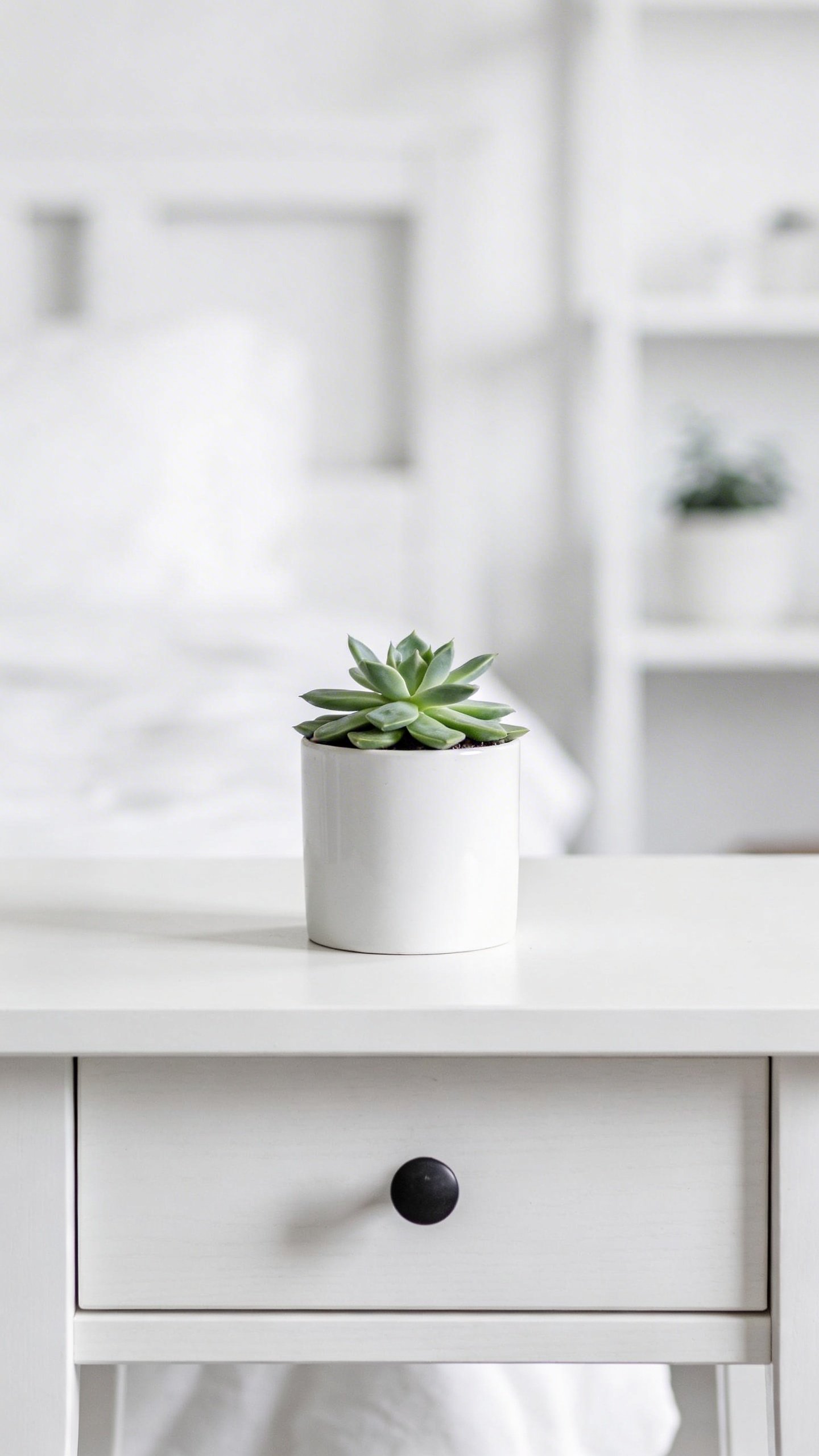
I get it—you like blue AND yellow AND pink AND green. But when you try to incorporate all your favorite colors without a cohesive plan, your space ends up looking like a kindergarten classroom instead of an aesthetic haven.
The most visually pleasing spaces stick to a limited color palette—usually 3-4 main colors maximum. This doesn’t mean everything has to match perfectly (that’s actually worse), but there should be a thread connecting your color choices throughout the room.
Pick a dominant neutral color, add one or two accent colors, and maybe a metallic finish. Then stick with it. That throw pillow might be gorgeous, but if it introduces a completely new color that appears nowhere else in your space, it’s going to stick out like a sore thumb.
You’re Ignoring Texture and Materials
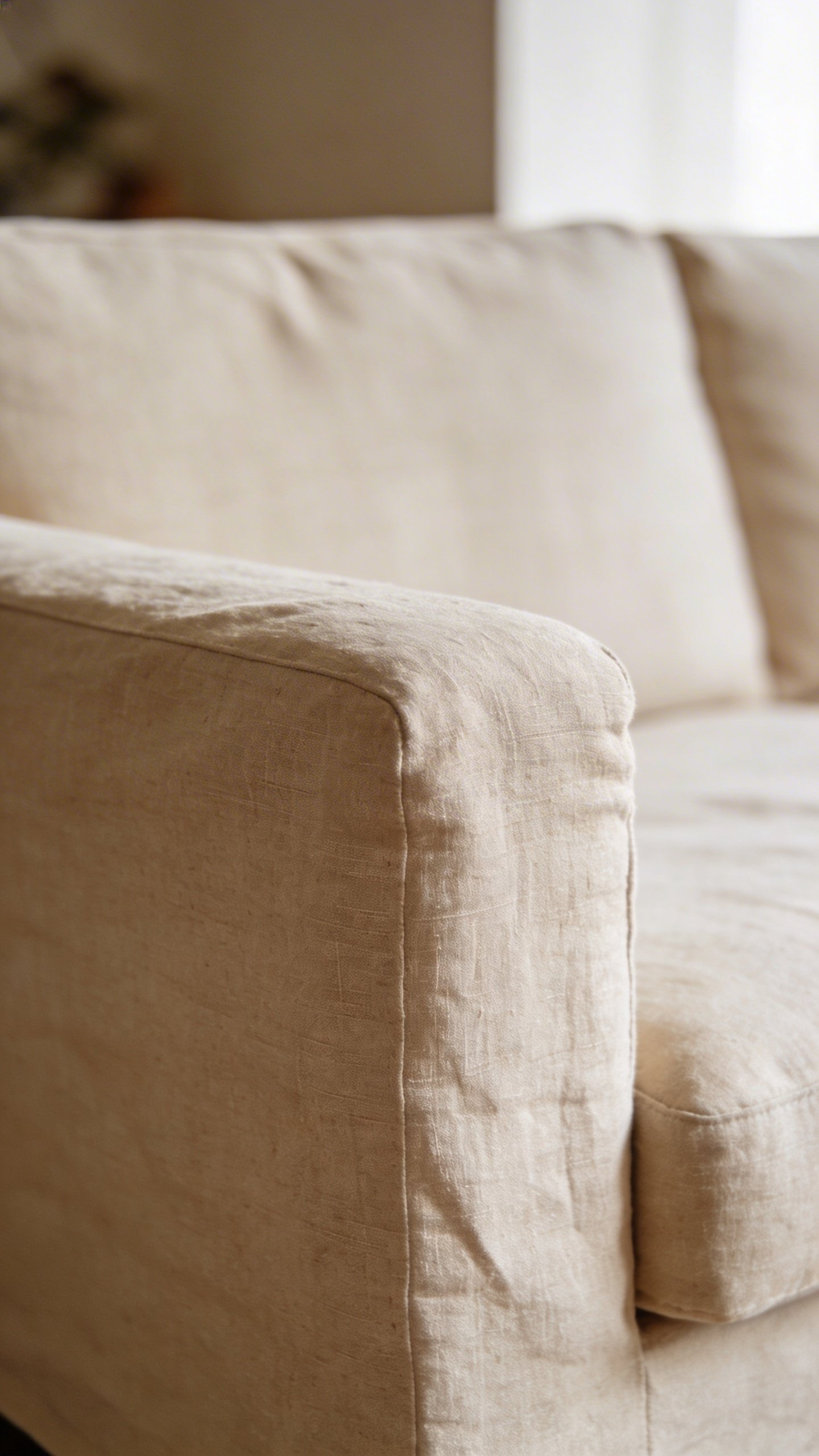
Here’s something people don’t talk about enough: a room full of smooth, similar materials looks flat and uninspiring, even if the color palette is perfect.
Aesthetic spaces mix textures like they’re going out of style. You want smooth with rough, soft with hard, matte with glossy. A velvet couch next to a chunky knit throw, sitting on a jute rug, near a sleek metal side table—now we’re talking.
Texture adds visual interest without adding clutter. It’s one of the easiest ways to make a space feel more expensive and thoughtfully designed. Even if you’re working with a tight budget, swapping in some textured elements can dramatically upgrade your aesthetic game.
Your Furniture is Pushed Against All the Walls
I don’t know who started this rumor that all furniture must live against the wall, but they were wrong. This arrangement actually makes rooms feel smaller and more awkward, not bigger like people think.
Pulling furniture away from walls—even just a few inches—creates a more intentional, designed look. It makes the room feel like a curated space rather than a waiting room. Obviously, this depends on how much space you’re working with, but even in smaller rooms, floating a piece or two can work wonders.
Try pulling your couch away from the wall and putting a narrow console table behind it. Or angle your chairs instead of lining them up like soldiers. These small adjustments create flow and make spaces feel more dynamic.
You Haven’t Defined Different Zones
If you live in a studio or open-concept space, this one’s especially for you. When every area bleeds into the next with no definition, your home lacks the structure that makes aesthetic spaces feel intentional.
Use rugs to anchor different zones. Add a bookshelf as a room divider. Position furniture to create conversation areas. Even in larger homes with separate rooms, defining purpose within each space makes everything feel more cohesive and intentional.
Your bedroom shouldn’t also be your home office, your gym, and your craft room all in one visible jumble (I know, I know—sometimes you don’t have a choice, but at least try to screen off different areas or use furniture strategically).
Frequently Asked Questions
Do I need to spend a lot of money to make my home look aesthetic?
Not even close. Some of the most aesthetic homes I’ve seen were decorated on shoestring budgets. It’s way more about being intentional with what you have, editing out the excess, and making smart choices about color and arrangement. Thrift stores, Facebook Marketplace, and even just rearranging what you already own can work magic.
How many decorative items should I have on a coffee table or shelf?
A good rule of thumb is the rule of three or five—odd numbers tend to look more visually pleasing than even numbers. For a coffee table, three to five items (including books, a plant, and a decorative object) usually hits the sweet spot. For shelves, aim to leave about 30-40% of the space empty.
What’s the easiest way to make my space look more aesthetic right now?
Declutter and edit. I’m serious—spend an hour removing things that don’t serve a purpose or bring you joy. Clear your countertops, pare down your displayed items, and organize what remains. You’ll be shocked at how much better your space looks immediately. It’s free, it’s fast, and it’s the foundation everything else builds on.
Should all my furniture match?
Please no. Matching furniture sets can actually make your space look less interesting and more like a showroom floor. IMO, mixing furniture styles, eras, and materials creates a collected, lived-in look that feels way more aesthetic than everything matching perfectly. Just make sure there’s some unifying element, like color palette or material, tying things together.
How important are plants for an aesthetic home?
Pretty darn important, honestly. Plants add life, texture, color, and visual interest in a way that few other decorative elements can. They also literally improve air quality and your mood. If you’re notorious for killing plants, start with low-maintenance options like pothos, snake plants, or ZZ plants. Even fake plants can work if they’re high quality—just don’t overdo it.
What if my rental has ugly features I can’t change?
Join the club. Ugly carpet, weird paint colors, and outdated fixtures are rental realities for many of us. The good news? You can work around them. Use large rugs to cover flooring, hang tapestries or large artwork to distract from wall colors, and add your own lighting to minimize the impact of builder-grade fixtures. Command strips and removable solutions are renters’ best friends.
Conclusion
Making your home look aesthetic isn’t about following strict rules or spending a fortune. It’s about understanding a few key principles—less clutter, better lighting, cohesive colors, varied textures and heights—and applying them thoughtfully to your space.
The beautiful thing is that you probably already have most of what you need. Sometimes it just takes editing, rearranging, and looking at your space with fresh eyes. Start with one room, tackle one issue at a time, and don’t expect perfection overnight. Your home should ultimately reflect you and feel comfortable, not just look good on Instagram. The aesthetic part? That’s just making sure the “you” that comes through is the intentional, curated version.