
How to Style an Outfit From Scratch (Beginner Guide)
Staring at your closet full of clothes but still feeling like you have “nothing to wear”? You’re not alone. The problem isn’t your wardrobe—it’s knowing how to piece things together in a way that actually makes sense. Let’s fix that, shall we?
Start With Your Color Foundation
Here’s the thing about colors: they can make or break your outfit before you even step out the door. But don’t panic—you don’t need to be a professional stylist to get this right.
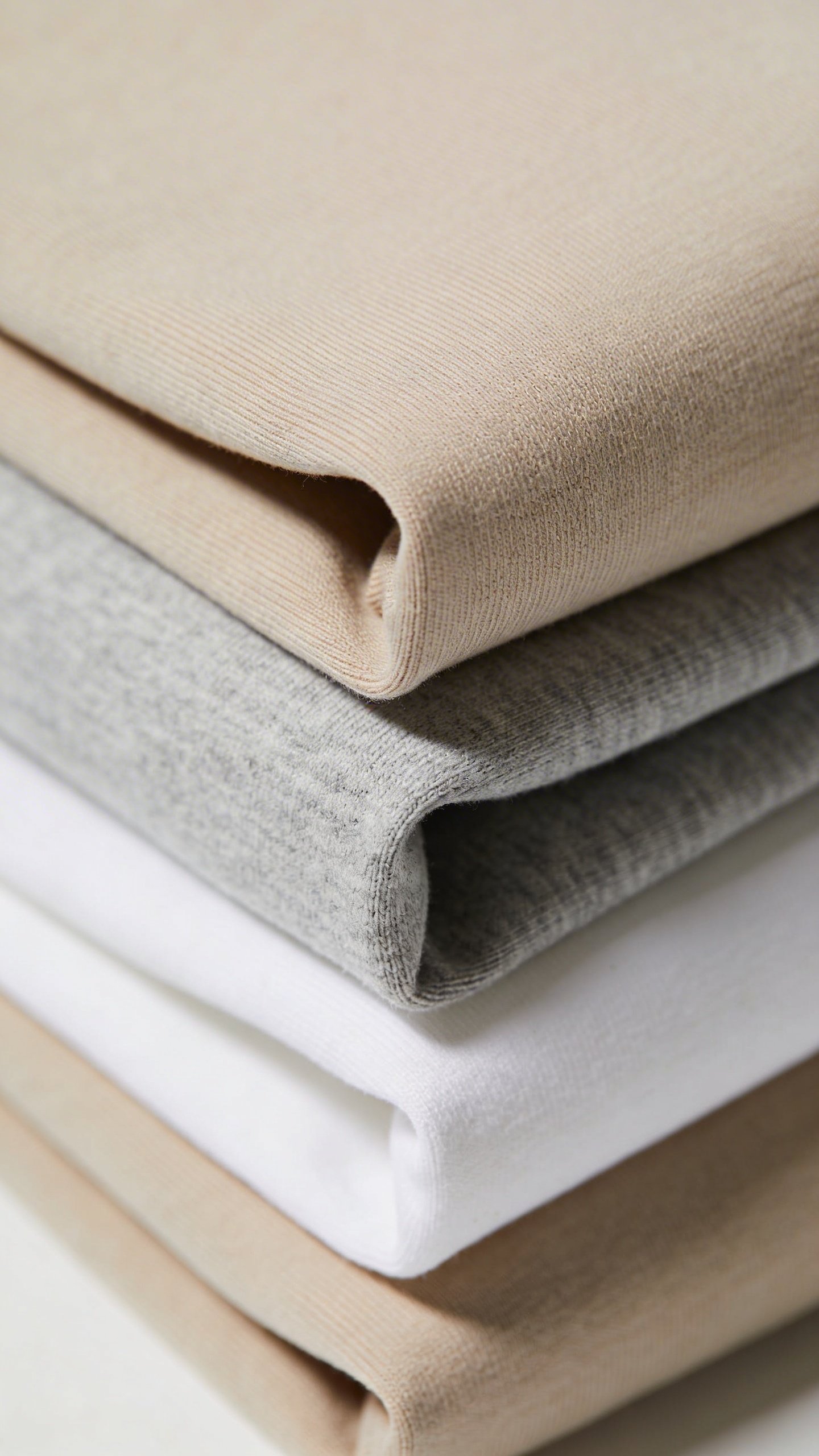
Begin with neutral base colors like black, white, navy, gray, or beige. These are your best friends because they literally go with everything. Think of them as the flour in your baking recipe—not exciting on their own, but absolutely essential.
Once you’ve got your neutral base down, you can add one or two accent colors. And here’s a pro tip: if you’re just starting out, keep your accent colors within the same family. Blues with greens, reds with oranges, purples with pinks. This way, even if you’re not totally confident yet, you’re working within a safe zone that naturally looks cohesive.
The Easy Color Rule Nobody Tells You
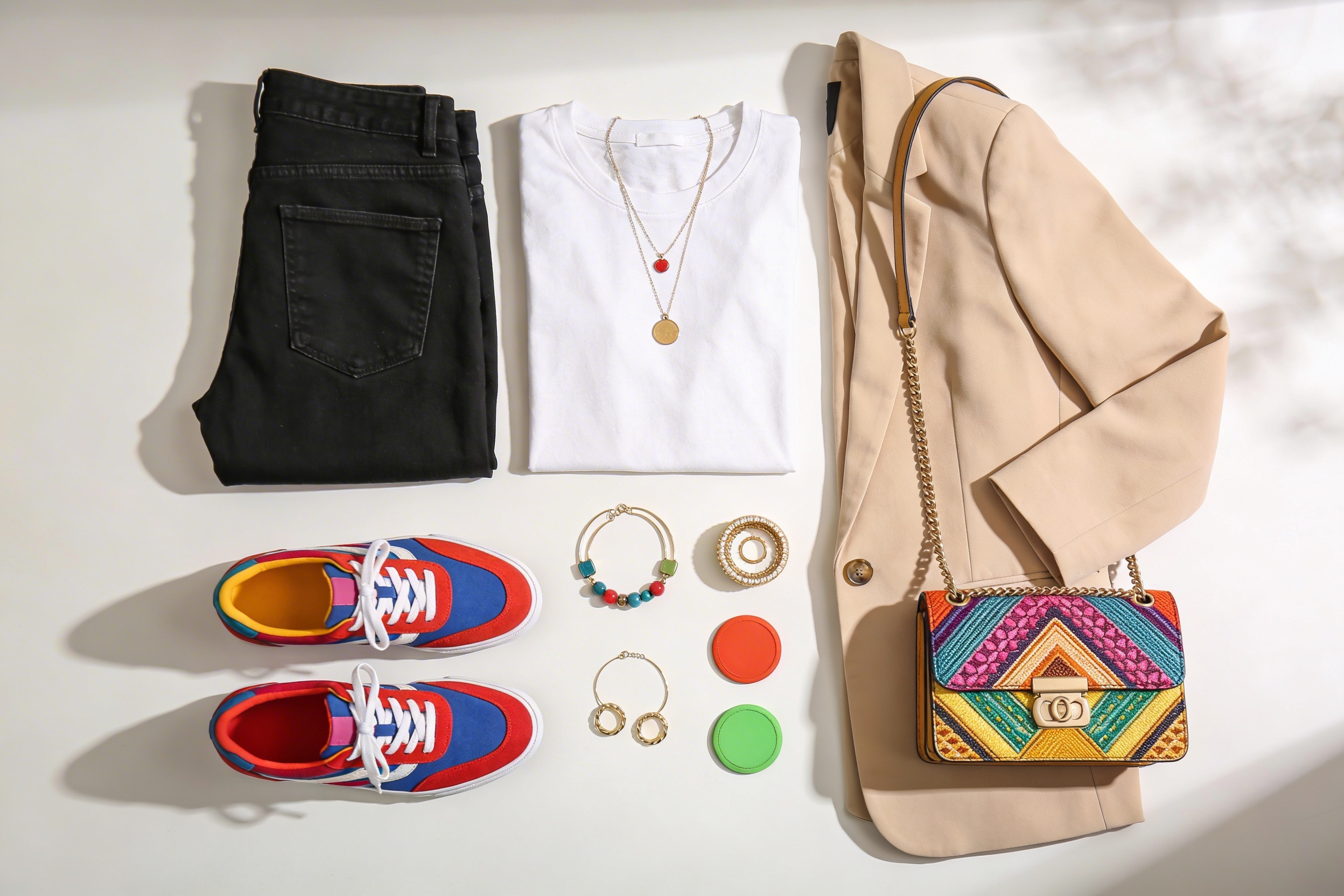
Want a foolproof formula? Stick to the 60-30-10 rule. Your outfit should be 60% one dominant color (usually a neutral), 30% a secondary color, and 10% an accent color. So if you’re wearing black jeans and a white tee, add a denim jacket (your 30%) and maybe some red sneakers or a fun accessory (your 10%). Boom—instantly put together.
Pick Your Anchor Piece First
Every great outfit starts with one hero piece. This is the item you build everything else around, and it makes the whole process SO much easier.
Your anchor piece could be anything: those vintage jeans you love, a statement jacket, a killer dress, or even a graphic tee you’re excited to wear. The key is choosing this piece first, then letting everything else support it.
Think of it like writing a paper in school (stay with me here). You wouldn’t write the introduction first—you’d figure out your main point, then build around it. Same concept, way more fun application.
How to Choose Your Anchor
Ask yourself these questions:
- What piece am I most excited to wear today?
- What’s appropriate for where I’m going?
- What’s the weather like? (Nobody looks good when they’re freezing or sweating)
- Which item makes me feel most confident?
Your answer to any of these can be your anchor. There’s no wrong choice here—just what works for you.
Balance Your Proportions
Okay, this sounds technical, but it’s actually super simple. If you wear something loose on top, wear something fitted on bottom. If you wear something fitted on top, you can go loose on bottom. That’s literally it.
Why does this matter? Because wearing all baggy clothes makes you look like you’re drowning in fabric, and wearing all tight clothes can feel… well, let’s just say it’s a choice. Balance creates visual interest and helps you look intentional rather than accidental.
Oversized sweater? Pair it with skinny jeans or leggings. Fitted crop top? Throw on some wide-leg pants or a flowy skirt. See how this works?
The Tucking Trick
Here’s a game-changer: the half-tuck. Take your shirt and tuck in just the front or one side into your pants. This simple move defines your waist, breaks up your silhouette, and makes you look like you actually tried (even if you rolled out of bed 10 minutes ago). FYI, this works especially well with oversized button-ups and tees.
Layer Like You Mean It
Layering isn’t just for winter—it’s a year-round styling technique that adds depth and dimension to any outfit. Plus, it gives you options when the temperature decides to have a personality crisis.
Start with your base layer (tank top, tee, or whatever sits closest to your skin), then add your middle layer (shirt, sweater, hoodie), and finish with your outer layer (jacket, coat, cardigan). Each layer should peek out just a bit from the one on top of it.
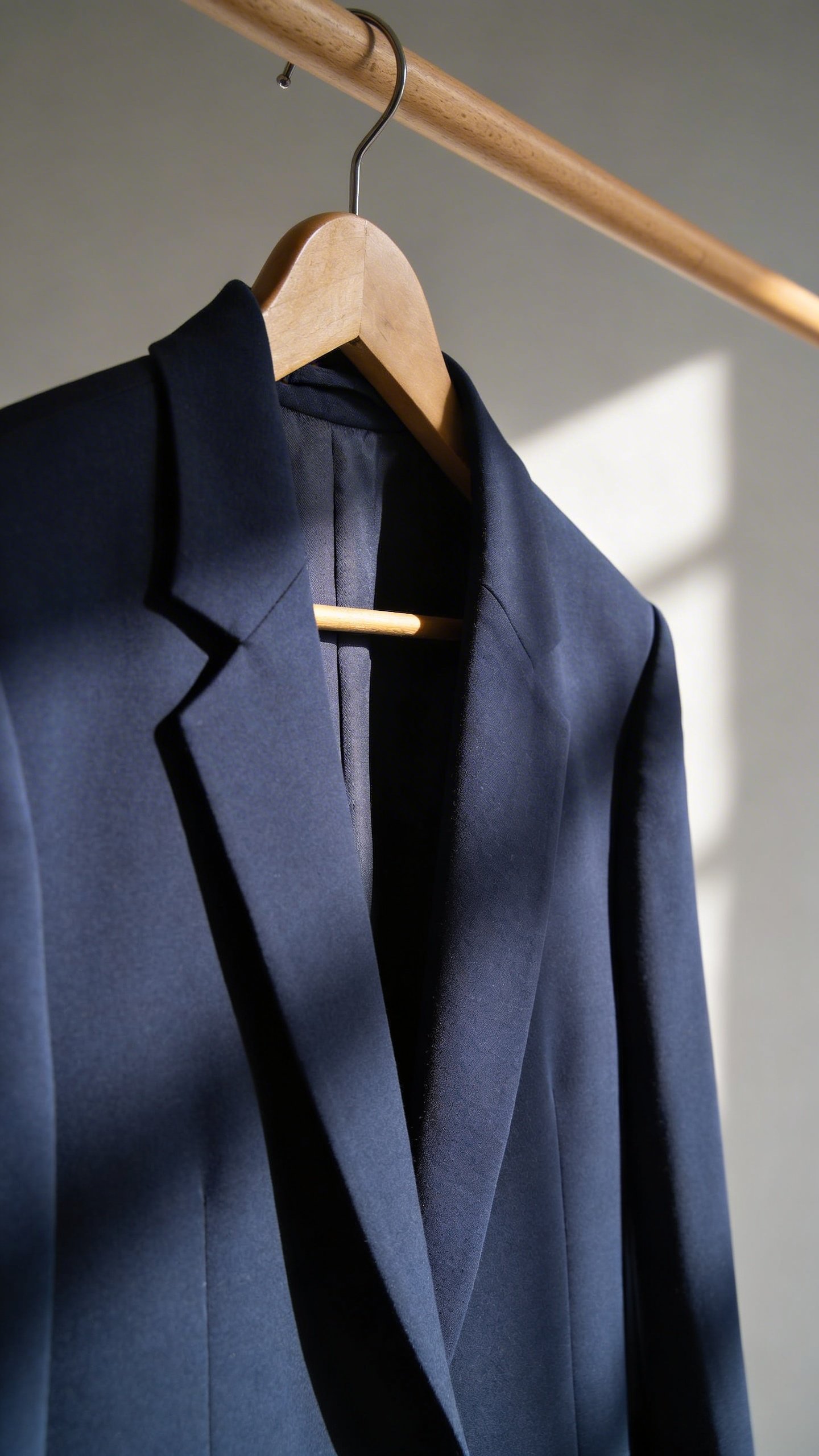
The secret to good layering? Vary your lengths and textures. Don’t wear three things that all end at the same spot—that’s boring. Let your tee peek out from under your sweater, and let your sweater show beneath your jacket. Mix a silky blouse with a chunky knit. Combine a cotton tee with a leather jacket.
Accessorize Without Overthinking
Accessories are where people either nail their outfit or completely psyche themselves out. Let’s keep it simple: you don’t need a lot, but you need something.
A good watch, simple necklace, pair of earrings, or even a baseball cap can completely transform a basic outfit. The key is not to pile everything on at once—choose 2-3 accessories maximum and call it a day.
Your shoes and bag also count as accessories, by the way. A clean pair of white sneakers or sleek boots can elevate even the most basic jeans-and-tee combo. And please, make sure your bag isn’t fighting with the rest of your outfit for attention.
The Jewelry Balance
Going for statement earrings? Keep your necklace simple or skip it entirely. Wearing a bold necklace? Stick to studs or small hoops for your ears. You want people to notice your accessories, not feel overwhelmed by them.
Know Your Occasion
This should be obvious, but you’d be surprised. Where you’re going absolutely matters when styling an outfit from scratch.
Brunch with friends calls for something different than a job interview, which calls for something different than a date night. Understanding the context helps you narrow down your options immediately, which is honestly half the battle.
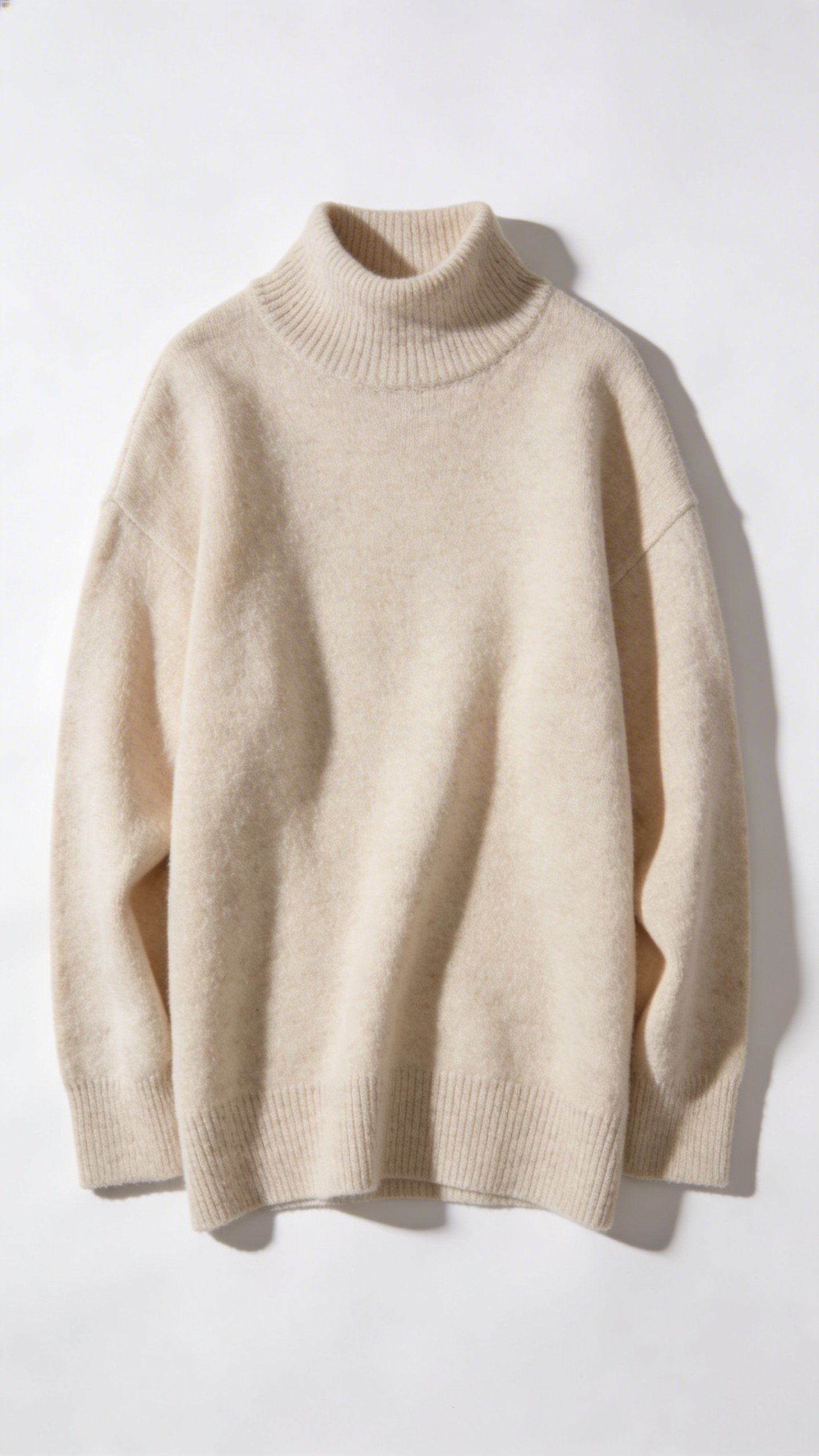
Casual settings give you the most freedom—jeans, sneakers, tees, and hoodies are all fair game. Business casual means stepping it up with slacks, blouses, loafers, or simple dresses. Formal events require your dressiest pieces and more polished accessories.
When in doubt, it’s better to be slightly overdressed than underdressed. You can always dress down by removing a jacket or swapping shoes, but you can’t dress up a hoodie once you’re already there.
FAQs
What if I’m not sure which colors look good on me?
Start by holding different colored clothes up to your face in natural light. Notice which ones make your skin look brighter and more awake versus which ones wash you out. Generally, if you have warm undertones (yellow-ish skin), you’ll look great in earthy tones like olive, rust, and cream. Cool undertones (pink-ish skin) rock jewel tones like sapphire, emerald, and crisp white. But honestly? Wear what makes you happy—that confidence shows.
How many pieces should be in a basic outfit?
Aim for 3-5 main pieces minimum. This typically includes pants or a skirt, a top, shoes, and maybe a jacket or cardigan. You can absolutely get away with just a dress and shoes (that’s two pieces!), but most outfits fall in that 3-5 range. Anything more than 7 pieces and you might be overthinking it.
Can I mix patterns or should I stick to solids?
You can totally mix patterns! The easiest way is to keep them in the same color family or vary the scale (pair a small polka dot with a large stripe, not two competing large prints). If that feels too advanced, just make sure one pattern is way more dominant than the other. IMO, starting with one pattern piece and keeping everything else solid is the safest bet while you’re learning.
What’s the biggest mistake beginners make?
Trying to wear everything they love all at once. Your favorite neon jacket, statement earrings, patterned pants, AND graphic tee? That’s too much, friend. Pick one or two pieces you want to highlight and let everything else play a supporting role. Less is genuinely more when you’re building styling confidence.
How do I know if my outfit actually works?
Take a photo of yourself in it. Seriously. Your phone camera doesn’t lie. If something looks off in the photo, it probably looks off in real life too. Also, check yourself from all angles in a full-length mirror—not just the front view. And here’s the ultimate test: if you feel comfortable and confident, it works. If you’re constantly adjusting or feeling self-conscious, something’s not right.
Should I follow trends or develop my own style?
Little bit of both, honestly. Trends can be fun and keep your wardrobe fresh, but chasing every single trend is exhausting and expensive. Instead, cherry-pick trends that actually appeal to you and incorporate them into your existing style. Your personal style should be the foundation, with trends as optional spice, not the main ingredient.
Conclusion
Styling an outfit from scratch gets easier every single time you do it. Start with these basics—choose your colors, pick an anchor piece, balance your proportions, layer thoughtfully, add a few accessories, and dress for the occasion. The more you practice, the more natural it becomes.
Remember, there’s no universal “right” way to dress. These are guidelines, not commandments. The whole point is to feel good in what you’re wearing and express yourself. So experiment, make mistakes, figure out what works for your body and lifestyle, and most importantly, have fun with it. Your style is yours—own it.