
How to Set Up a Small Bedroom Without Going Crazy
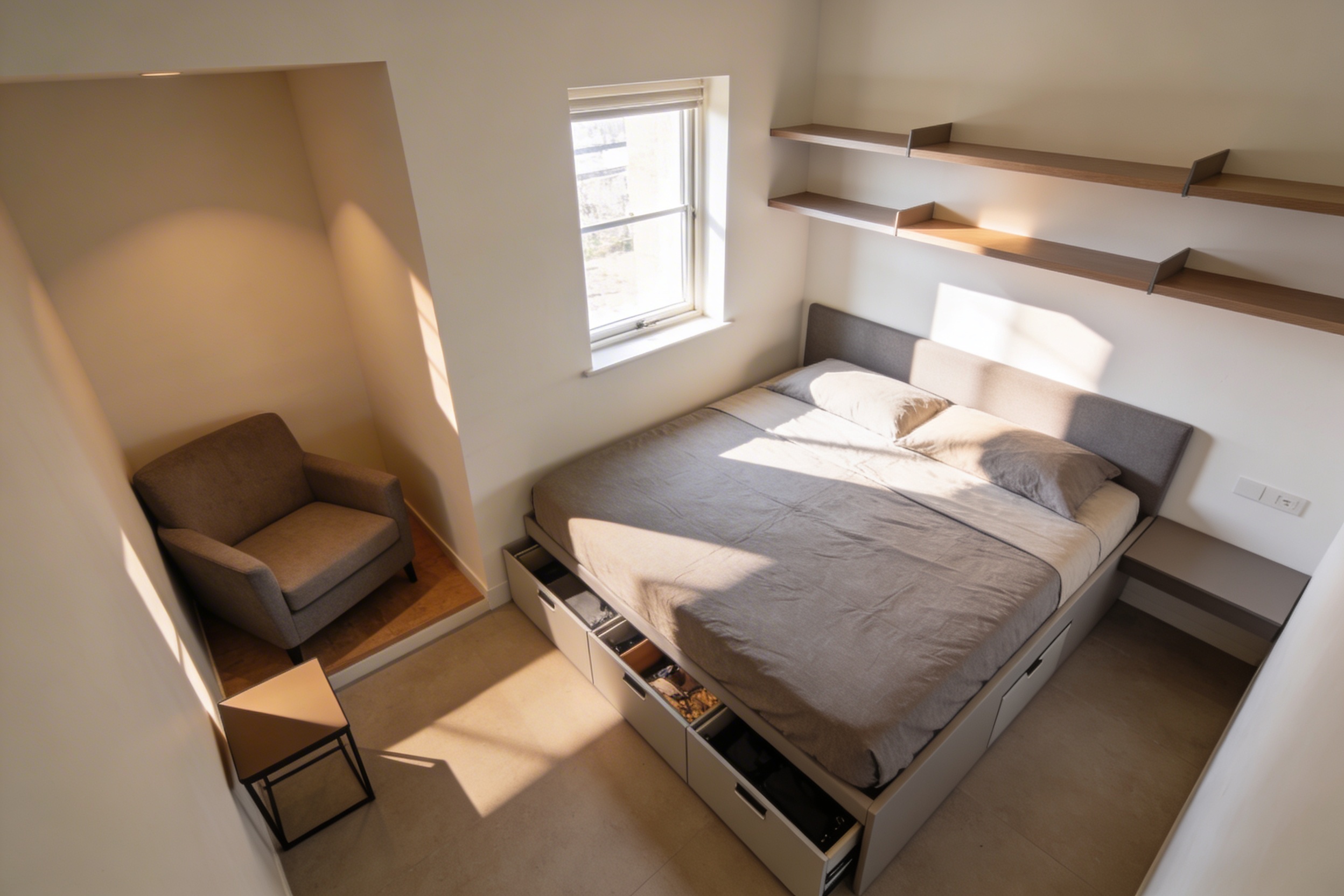
So you’ve got a bedroom the size of a shoebox and you’re wondering how to make it work? Welcome to the club. Small bedrooms are basically a universal challenge, whether you’re in a cramped apartment, a college dorm, or just dealing with weird house architecture. The good news is that with some smart choices and a bit of creativity, you can turn that tiny space into something actually functional and comfortable.
Start With the Bed (Because Duh)
Let’s be real—the bed is going to dominate your room no matter what you do. It’s the biggest piece of furniture you own, and there’s no getting around it. But you can make strategic choices here.
First up, consider the size carefully. Yeah, you might want a king-sized bed, but if it leaves you with just enough space to shuffle sideways to your closet, that’s a problem. A full or queen usually hits the sweet spot for small bedrooms. And honestly? Don’t feel bad about going with a twin XL if space is really tight. Your knees might not hang off the edge, but at least you’ll have room to, you know, walk around.
Bed Placement Matters More Than You Think
Where you stick your bed can make or break the whole room. Try putting it against the longest wall—this usually creates the best flow. Centering it on that wall gives you symmetry and makes the room feel intentional rather than haphazard.
If you’re really cramped, push the bed into a corner. You lose one side for getting in and out, sure, but you gain precious floor space. Plus, it can create a cozy nook vibe if you style it right with some pillows against the walls.
Go Vertical With Your Storage
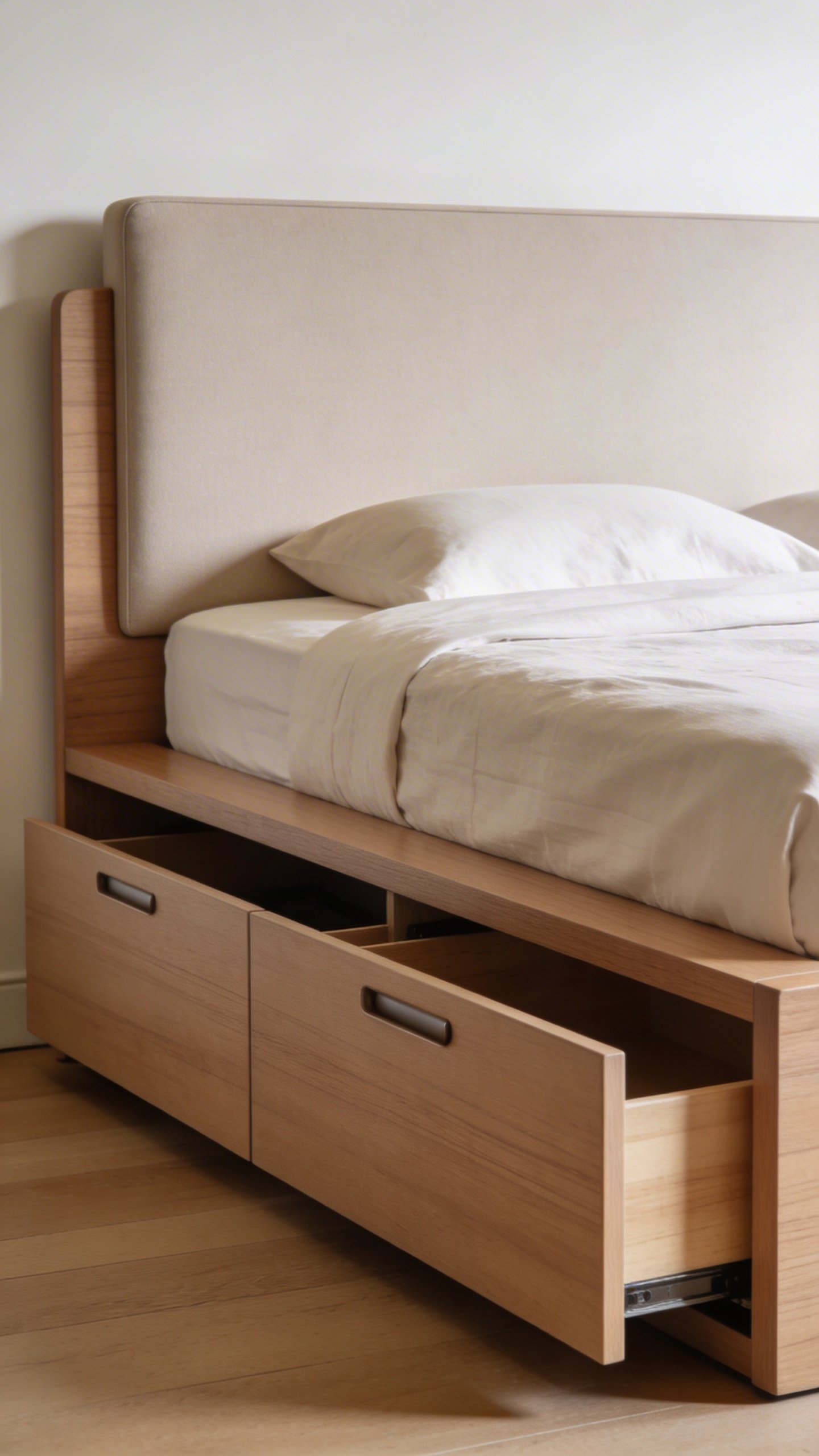
Here’s something people forget: walls go up. Way up. And all that vertical space is just sitting there, totally wasted, while you’re tripping over stuff on your floor.
Wall-mounted shelves are your best friend in a small bedroom. Put them above your desk, above your bed (careful with this one—don’t mount a shelf full of heavy books directly over where you sleep unless you enjoy living dangerously), or literally anywhere you’ve got wall space. Floating shelves keep things light and airy, which helps the room feel less cramped.
Tall dressers beat wide ones in small spaces. Think about it—they have the same storage capacity but use way less floor space. Same goes for bookcases. A narrow, tall bookshelf tucked in a corner barely registers visually but holds tons of stuff.
Don’t Forget the Space Under Your Bed
That gap under your bed frame? Gold mine. Get some under-bed storage containers and use them for off-season clothes, extra bedding, or whatever you need to stash. If you’re buying a new bed frame, look for ones with built-in drawers. It’s like free storage that doesn’t take up any extra space.
Multifunctional Furniture Is Your Secret Weapon
In a small bedroom, every piece of furniture needs to earn its spot. If it only does one thing, it better be really important (looking at you, bed).
A nightstand with drawers or shelves beats a simple flat surface. An ottoman that opens up for storage? Chef’s kiss. A desk that folds down from the wall when you need it? Now we’re talking.
IMO, the best investment for a small bedroom is a good storage bed or a Murphy bed if you’re feeling fancy. Yeah, Murphy beds seem extra, but they literally give you your entire floor back during the day. Can’t beat that math.
Light and Color Strategy
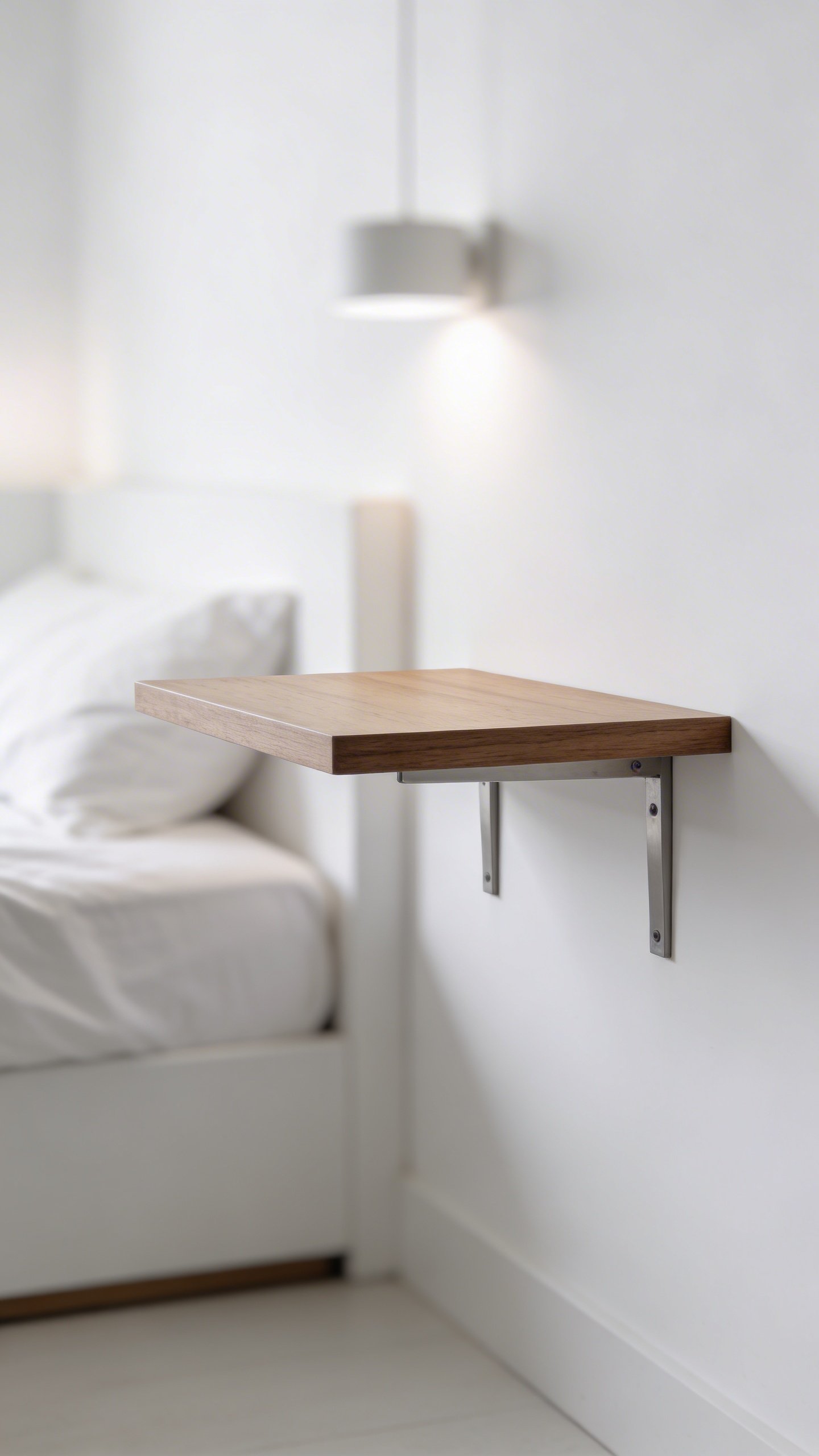
Dark colors make spaces feel smaller. That’s just physics or psychology or something. Point is, lighter wall colors reflect light and make your room feel more spacious. You don’t have to go stark white—soft grays, beiges, or pastels work great too.
But here’s the thing: you can totally have dark accent walls if you want them. One darker wall can actually add depth without shrinking the space. Just don’t go painting all four walls navy blue unless you’re going for “cozy cave” vibes.
Maximize Natural Light
Keep your window treatments simple and light. Heavy, dark curtains eat up visual space and block precious natural light. Sheer curtains or simple blinds let light in while still giving you privacy.
Add mirrors strategically to bounce light around. A large mirror opposite or adjacent to your window basically doubles your natural light. Plus, mirrors create the illusion of more space, which is exactly what you need.
Declutter Like Your Sanity Depends On It
Real talk: a small room can’t hide clutter. Everything shows. That pile of clothes on your chair? It’s not charming—it’s chaos.
Be ruthless about what you keep in your bedroom. Do you really need fourteen throw pillows? Does every book you own need to live in here? Sort through your stuff regularly and move out anything that doesn’t need to be in your sleeping space.
The one in, one out rule works wonders. Buy a new sweater? Donate an old one. It keeps your stuff from multiplying like rabbits.
Smart Organization Systems
Invest in good drawer organizers, closet systems, and storage boxes. When everything has a designated spot, your room stays cleaner with way less effort. Plus, organized drawers and closets hold way more than messy ones. Science fact.
Create Zones (Even In Tiny Spaces)
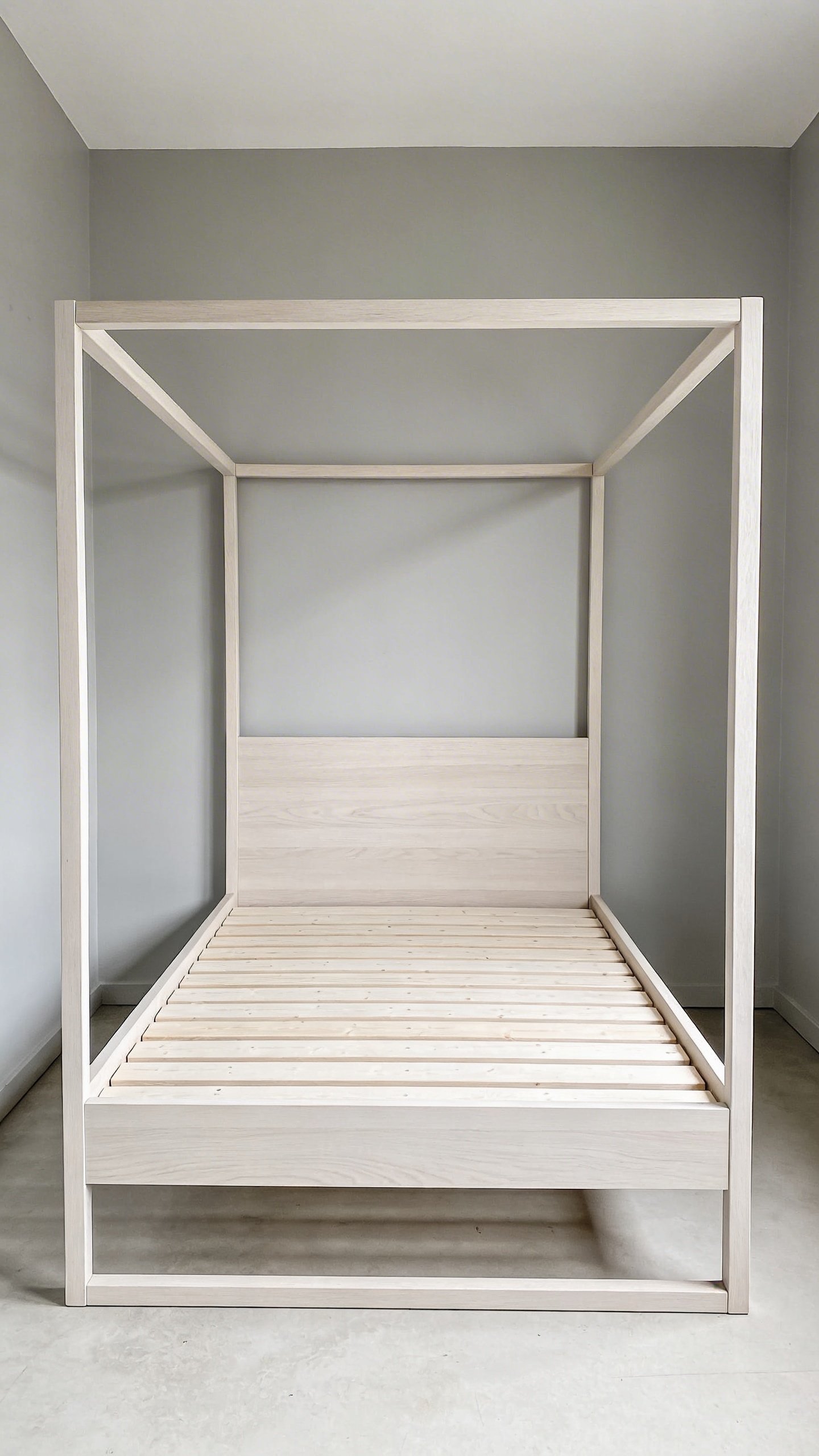
Just because your bedroom is small doesn’t mean it can’t have different areas for different activities. You can create zones with furniture placement, rugs, or even lighting.
Got a corner for a small desk? That’s your work zone. Your bed area is for sleeping (revolutionary, I know). Maybe you’ve got a reading chair by the window—boom, reading nook. Defining these spaces mentally helps the room feel larger and more organized.
Use area rugs to visually separate zones. A small rug under your desk or beside your bed creates definition without putting up actual walls.
Frequently Asked Questions
What size bed should I get for a 10×10 bedroom?
A full or queen bed works best for a 10×10 room. You’ll still have space to move around and add other furniture. A king would eat up too much floor space, leaving you feeling cramped. If you need extra room for a desk or seating area, consider a full-size bed—you’d be surprised how much floor space you gain.
How do I make my small bedroom look bigger?
Use light colors on walls and bedding, add mirrors to reflect light, and keep furniture to a minimum. Mounting things on walls instead of using floor space helps tremendously. Also, keeping clutter under control makes a massive difference—visual chaos makes any space feel smaller. FYI, avoiding heavy curtains and maximizing natural light are probably the easiest wins.
Should I put my bed in the center of the room or against a wall?
Against a wall, especially in a small bedroom. Centering a bed in a tiny room wastes valuable floor space on both sides. Put it against your longest wall for the best flow, or tuck it in a corner if you’re really tight on space. Save the floating bed situation for larger rooms.
What furniture is essential for a small bedroom?
Honestly, just a bed and some storage. Everything else is negotiable based on your needs. If you work from home, add a small desk. If you’ve got tons of clothes, prioritize a dresser. But you can absolutely live with just a bed, a nightstand, and a closet organization system. Less is genuinely more in small spaces.
How can I fit a desk in my small bedroom?
Look for narrow wall-mounted desks or floating shelves that double as desk surfaces. Corner desks maximize awkward spaces. You can also use a small nightstand as a combo bedside table and laptop station if you don’t need much workspace. Some people even use a breakfast-in-bed tray—not ideal long-term, but it works in a pinch.
What’s the best way to organize a small bedroom closet?
Use vertical space with double hanging rods, shelf dividers, and over-the-door organizers. Slim velvet hangers take up way less space than plastic or wooden ones. Store off-season clothes elsewhere if possible, and use clear bins so you can see what’s inside without digging around. A well-organized closet can hold twice as much as a messy one.
Wrapping It Up
Setting up a small bedroom isn’t about cramming everything you own into a tight space and hoping for the best. It’s about making intentional choices with your furniture, storage, and layout. Prioritize what matters, use your vertical space, and don’t be afraid to get creative with multifunctional pieces.
Your small bedroom can absolutely be comfortable, functional, and even stylish. It just takes some planning and a willingness to be honest about what you actually need in your sleeping space. Now go forth and make that shoebox shine.