
How to Put Together an Outfit That Always Works Fast
You know that feeling when you open your closet, stare at a mountain of clothes, and somehow have “nothing to wear”? Yeah, we’ve all been there. The good news is that getting dressed doesn’t have to feel like solving a Rubik’s cube every morning. Let me show you how to crack the code on outfits that actually work every single time.
Start With Your Base Layer Foundation
Think of your outfit like building a house—you need a solid foundation before you get fancy with the decorations. Your base layer is where everything begins, and honestly, this is where most people either nail it or completely mess up.
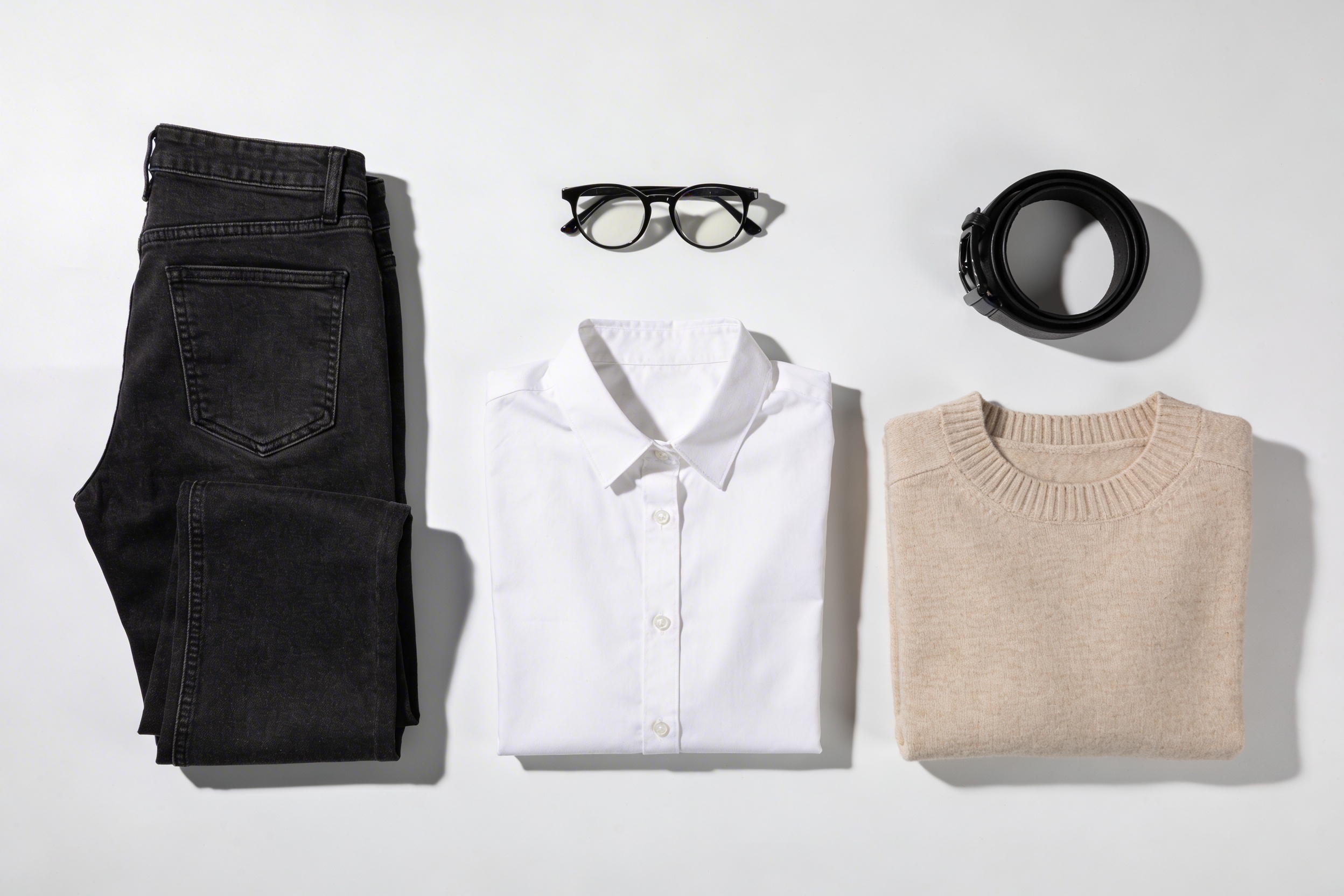
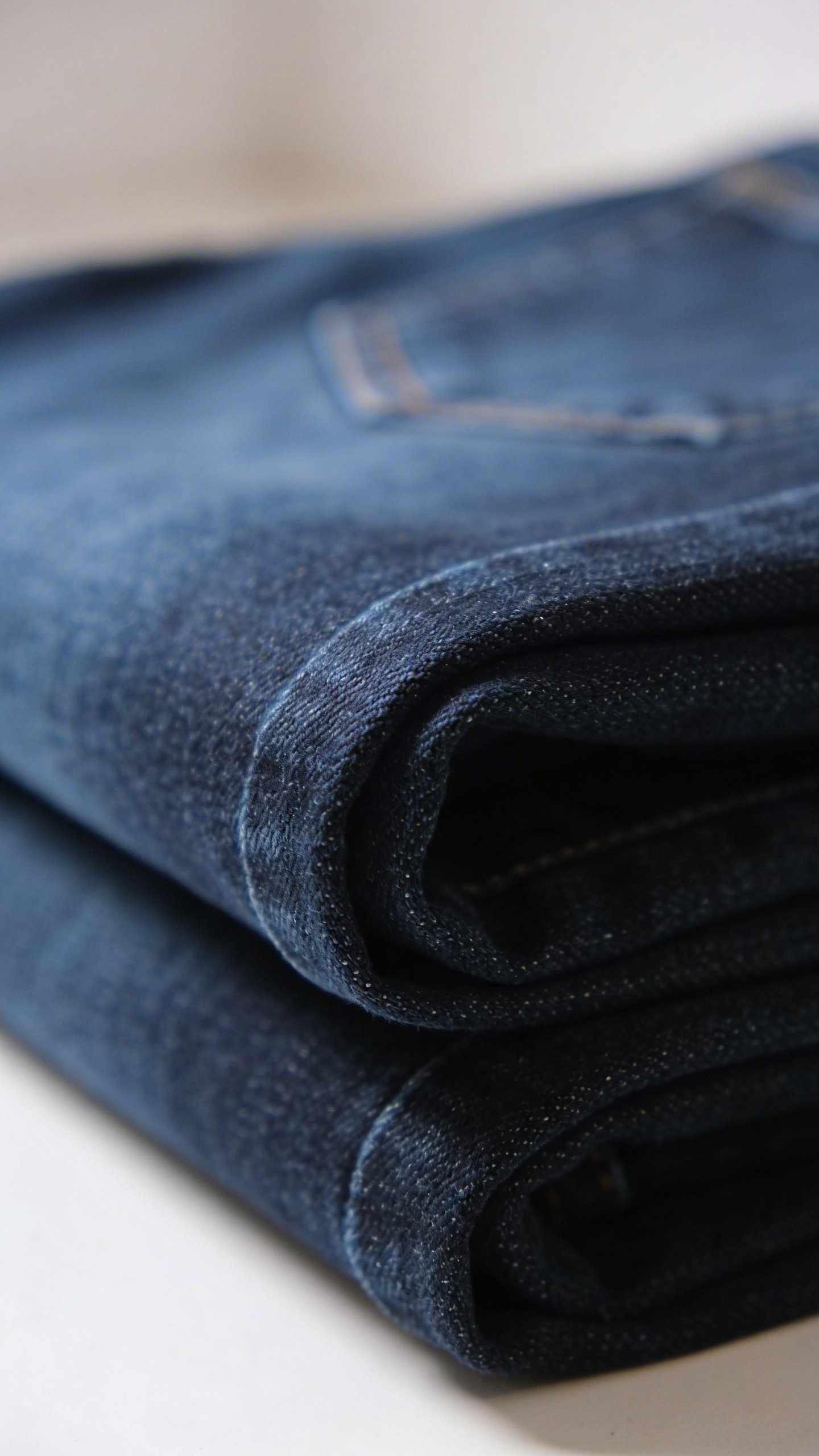
For most outfits, your base is going to be either well-fitted jeans, tailored trousers, or a solid skirt. Notice I said “well-fitted”? That’s not optional. Ill-fitting bottoms can tank even the most expensive outfit faster than you can say “fashion disaster.”
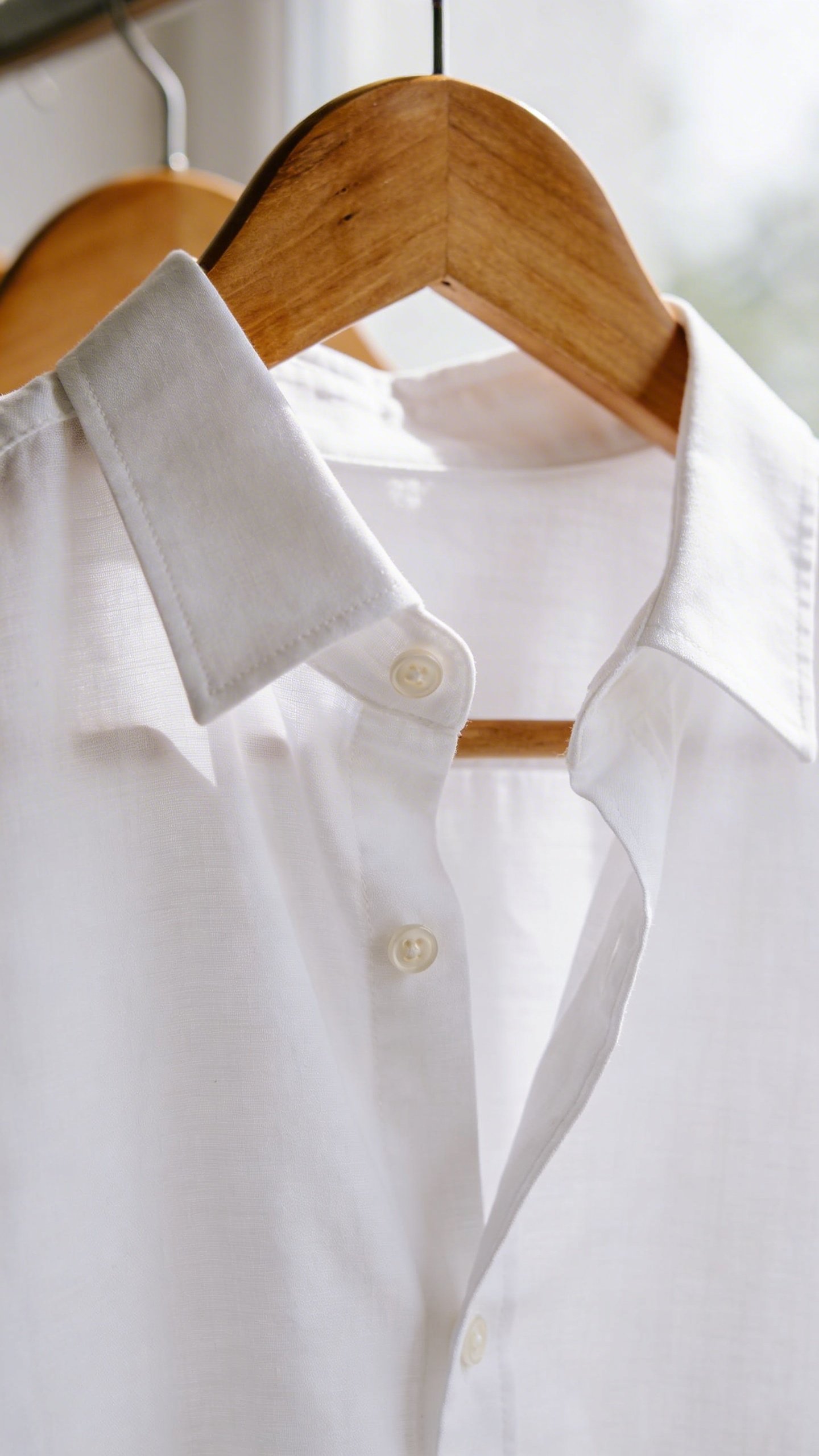
Your top should be equally simple at this stage. A plain tee, a crisp white shirt, or a fitted sweater works wonders. The key here is that these pieces should fit your body properly and be in neutral colors that play nice with others. We’re talking blacks, whites, grays, navy, or beige.
The Fit Factor Nobody Talks About
Here’s the thing nobody wants to hear: if your clothes don’t fit right, nothing else matters. You could be wearing designer everything, but if your pants are bunching at the ankles or your shirt is pulling across the shoulders, you’re fighting an uphill battle.
Get friendly with a tailor. Seriously. Having your basics tailored to actually fit your body is probably the best money you’ll ever spend on your wardrobe. A $20 shirt that fits perfectly beats a $200 shirt that doesn’t, every single time.
The Rule of Three for Color Coordination
Want to know the secret that makes celebrity stylists look like geniuses? They stick to three colors maximum per outfit. That’s it. That’s the whole secret.
Pick one dominant color (usually your pants or dress), one secondary color (your top or jacket), and one accent color (shoes, bag, or accessories). This keeps you looking pulled-together without looking like you got dressed in the dark or raided a rainbow.
Neutrals are your best friends here because they count as “free” colors that go with everything. Black, white, gray, navy, and tan can mix with pretty much anything without throwing off your color balance.
When to Break the Color Rules
Look, rules are meant to be bent sometimes. Monochromatic outfits (all one color in different shades) can look incredibly chic. And if you’re feeling bold, a well-executed head-to-toe bright color moment can absolutely work. Just know what you’re doing before you commit.
Layer Like You Mean It
Layering is what separates the amateurs from the pros. It adds visual interest, helps you adjust to temperature changes, and gives you that “I definitely know what I’m doing” vibe.
Start with your base layer, add a middle layer (cardigan, blazer, or jacket), and finish with an outer layer if needed (coat or heavier jacket). Each layer should be slightly looser than the one beneath it—nobody wants to look like a sausage casing.
The magic happens when your layers complement each other in both color and proportion. A fitted shirt under an oversized blazer? *Chef’s kiss*. A chunky sweater under a fitted coat? Also beautiful. A baggy shirt under a baggy jacket? That’s a hard pass.
Accessories Are Your Secret Weapon
Here’s where you get to have some fun. Accessories can take a basic outfit from “meh” to “where did you get that?” faster than anything else in your wardrobe.
A statement watch, simple necklace, or bold earrings can completely change the vibe of your outfit. Same goes for bags, belts, and scarves. The trick is not to go overboard—remember our rule of three? That applies to accessories too.
Choose quality over quantity when it comes to accessories. A few well-made pieces that you actually wear beat a drawer full of cheap stuff that falls apart or turns your skin green.
The Belt That Changes Everything
Never underestimate the power of a good belt. It can cinch a loose dress, add interest to a monochrome outfit, or pull together two separate pieces into a cohesive look. Plus, it literally highlights your waist, which is pretty much always flattering.
Shoes Make or Break the Whole Thing
I wish I could tell you that shoes don’t matter that much, but I’d be lying. Your footwear choice can completely change the tone of your outfit, so choose wisely.
Clean, well-maintained shoes in a neutral color work with almost everything. White sneakers, black ankle boots, tan loafers—these are your workhorses. They don’t have to be expensive, but they do need to look intentional and not like you grabbed whatever was by the door.
Match your shoe formality to your outfit formality. Don’t wear beat-up sneakers with dress pants (unless you’re going for that specific streetwear vibe), and don’t wear patent leather heels with distressed jeans unless you really commit to the contrast.
The Five-Minute Morning Formula
Want to make getting dressed completely painless? Here’s your foolproof morning routine that works every time:
- Pick your bottoms first (they’re usually the hardest to match)
- Choose a top that complements without competing
- Add one layer for dimension (jacket, cardigan, or vest)
- Select shoes that match your outfit’s vibe
- Add one or two accessories maximum
This takes the guesswork out of the equation. You’re not staring at your closet hoping for divine inspiration—you’re following a system that actually works.
The night before trick also works wonders, FYI. Laying out your outfit before bed means you’re making decisions with a clear head instead of pre-coffee panic mode.
Building Your Capsule Core
You don’t need a massive wardrobe to always look put-together. You need the right pieces that mix and match effortlessly. That’s where the capsule wardrobe concept comes in clutch.
Start with these essentials that work for almost everyone:
- Two pairs of well-fitted jeans (one dark, one medium wash)
- A white button-down shirt
- Three quality t-shirts in neutral colors
- One blazer that fits like a dream
- A versatile dress or two
- A quality pair of pants for dressier occasions
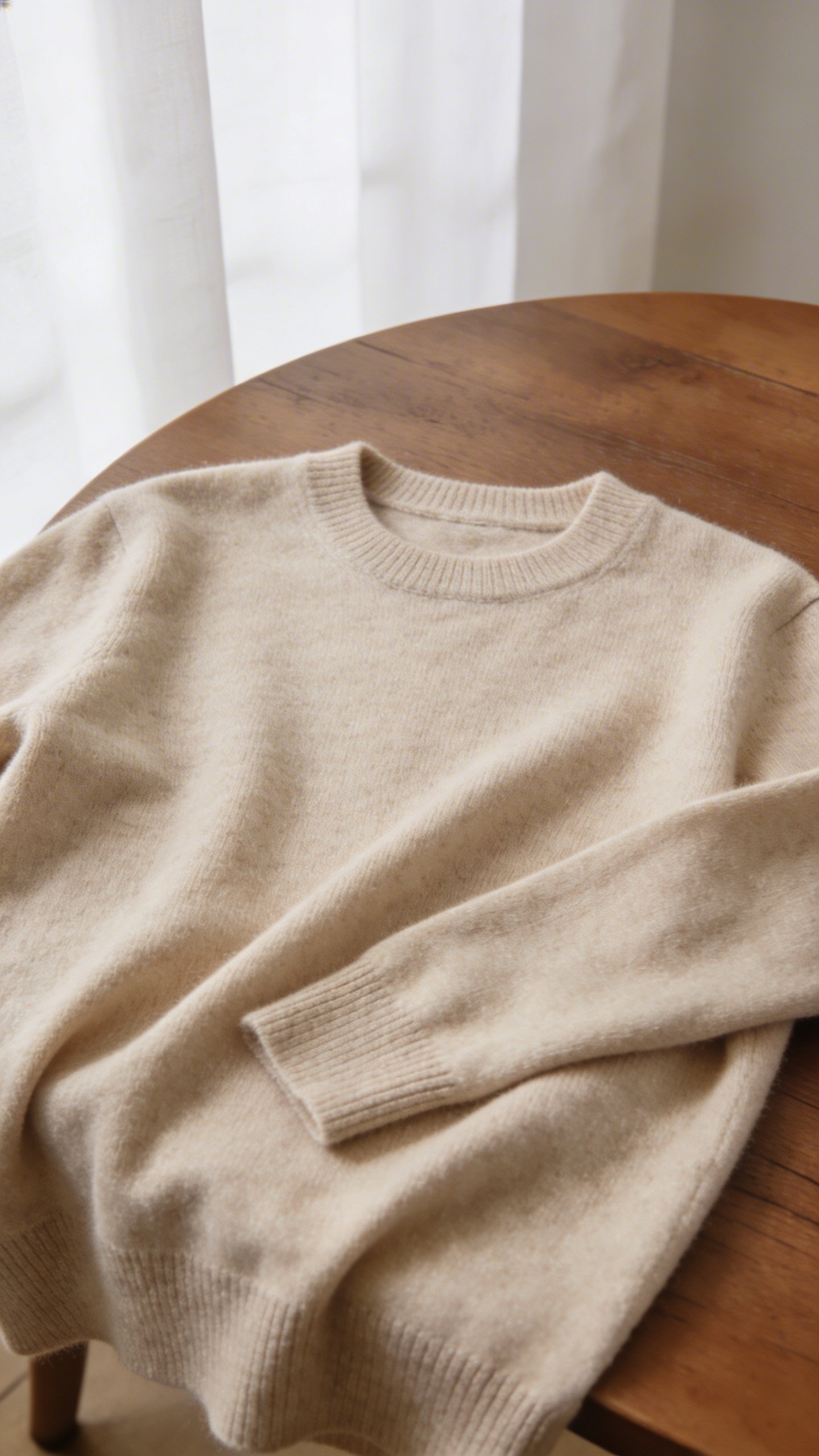
- Two sweaters (one chunky, one fitted)
- A go-to jacket or coat
With just these pieces, you can create dozens of different outfits. Add your personal flair through accessories and a few statement pieces that reflect your style, and you’re golden.
Frequently Asked Questions
How do I know if an outfit actually works or if I’m just used to seeing myself in it?
Take a photo. Seriously, snap a quick pic and look at it with fresh eyes. Our mirrors can lie to us (especially in good lighting), but a photo shows you what everyone else sees. If something looks off in the photo, it probably looks off in real life too. Also, trust your gut—if you’re constantly adjusting something or feeling uncomfortable, that’s your body telling you the outfit isn’t working.
Can I wear the same outfit formula multiple times a week?
Absolutely! Once you find something that works, milk it for all it’s worth. Nobody is keeping track of your outfits like you think they are. Change up the colors, swap the accessories, or switch your shoes, and boom—it’s technically a different outfit. Work smarter, not harder.
What if my personal style doesn’t fit into neat categories?
Then don’t force it into one. These guidelines are just that—guidelines, not commandments. The whole point is to give you a framework that makes getting dressed easier, not to turn you into a fashion clone. Take what works, leave what doesn’t, and adapt everything to fit your actual life and preferences.
How many pairs of shoes do I really need?
You can honestly get by with four pairs: casual sneakers, dressy sneakers or loafers, boots, and one dressier option. Everything beyond that is just expanding your options. IMO, quality matters more than quantity here—one great pair of boots beats five cheap pairs that hurt your feet.
Should I follow trends or stick to classics?
Why not both? Build your foundation with classic pieces that won’t look dated next year, then sprinkle in a few trendy items if they genuinely speak to you. Don’t buy something trendy just because everyone else is wearing it—buy it because you actually like it and can see yourself wearing it multiple times.
What’s the biggest mistake people make when putting outfits together?
Overthinking it. People try to do too much—too many colors, too many patterns, too many statement pieces all at once. The best outfits usually have one focal point and everything else supports it. Keep it simple, make sure everything fits well, and you’re already ahead of 90% of people out there.
Conclusion
Getting dressed doesn’t have to be rocket science. Start with well-fitting basics in neutral colors, follow the rule of three for colors, layer thoughtfully, and let accessories do the heavy lifting. Focus on building a solid foundation of versatile pieces rather than chasing every trend that comes along.
The real secret? An outfit that “always works” is one that makes you feel confident and comfortable. All the style rules in the world mean nothing if you’re tugging at your clothes all day or feeling like you’re wearing a costume. Find your formula, refine it over time, and get on with your day. You’ve got better things to worry about than what’s in your closet.