
How to Organize Kitchen Cabinets Layout That Actually Works
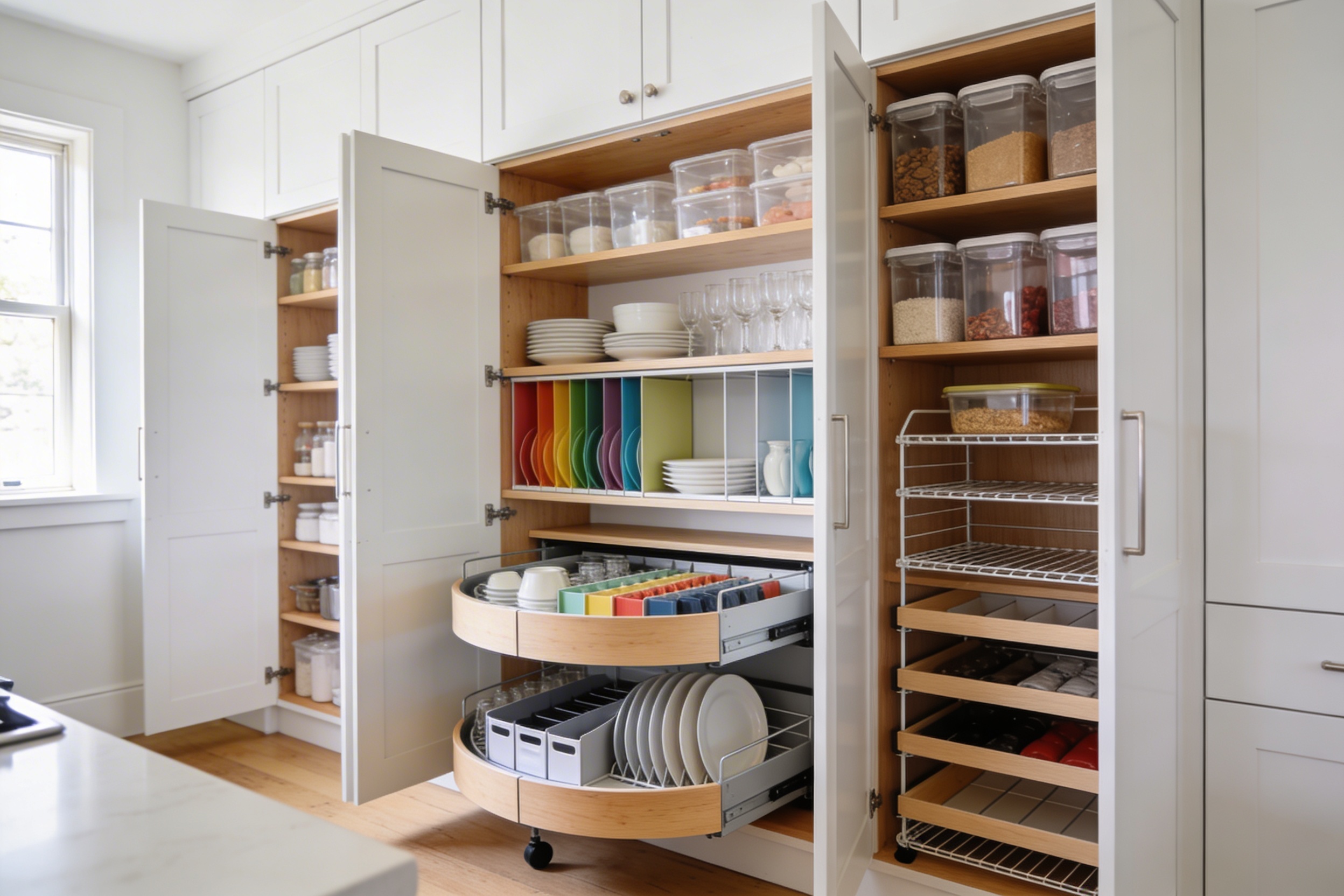
You know that moment when you open a cabinet and three different containers come tumbling out? Or when you’re digging behind canned goods trying to find that one spice you know you bought last month? Yeah, your kitchen cabinets are crying out for help, and honestly, organizing them isn’t as painful as you think.
Start With a Massive Purge Session
Before you even think about organizing anything, you need to yank everything out of those cabinets. And I mean everything. It’s going to look like a disaster zone in your kitchen for a bit, but trust me on this one.
Spread everything out on your counters, kitchen table, or even the floor if you’re really ambitious. This is your chance to discover that you’ve been hoarding seven partially used bags of flour and approximately nineteen random plastic containers without matching lids. Come on, we’ve all been there.
Get ruthless with what you’re keeping. Toss anything expired (those spices from 2019 aren’t doing you any favors), donate duplicates you don’t need, and finally admit that you’re never going to use that bread maker you bought during the pandemic.
Zone Your Kitchen Like a Pro
Here’s where the magic happens. Your kitchen needs zones, just like how you organize your life into work mode and Netflix mode. Think about how you actually use your kitchen, not how some magazine spread tells you to.
The Cooking Zone
Keep your pots, pans, cooking utensils, and oils near the stove. Revolutionary, right? But you’d be surprised how many people store their everyday cookware in the cabinet furthest from where they actually cook. Your future self will thank you when you’re not sprinting across the kitchen with a spatula while something’s burning.
The Prep Zone
Cutting boards, knives, mixing bowls, and food prep tools should live near your main counter workspace. FYI, this is usually the area with the most counter space, so work with what you’ve got.
The Beverage Station
Coffee mugs, tea bags, coffee supplies, and glasses go near your coffee maker or kettle. Nobody wants to trek across the kitchen before their morning caffeine kicks in. That’s just cruel.
The Food Storage Zone
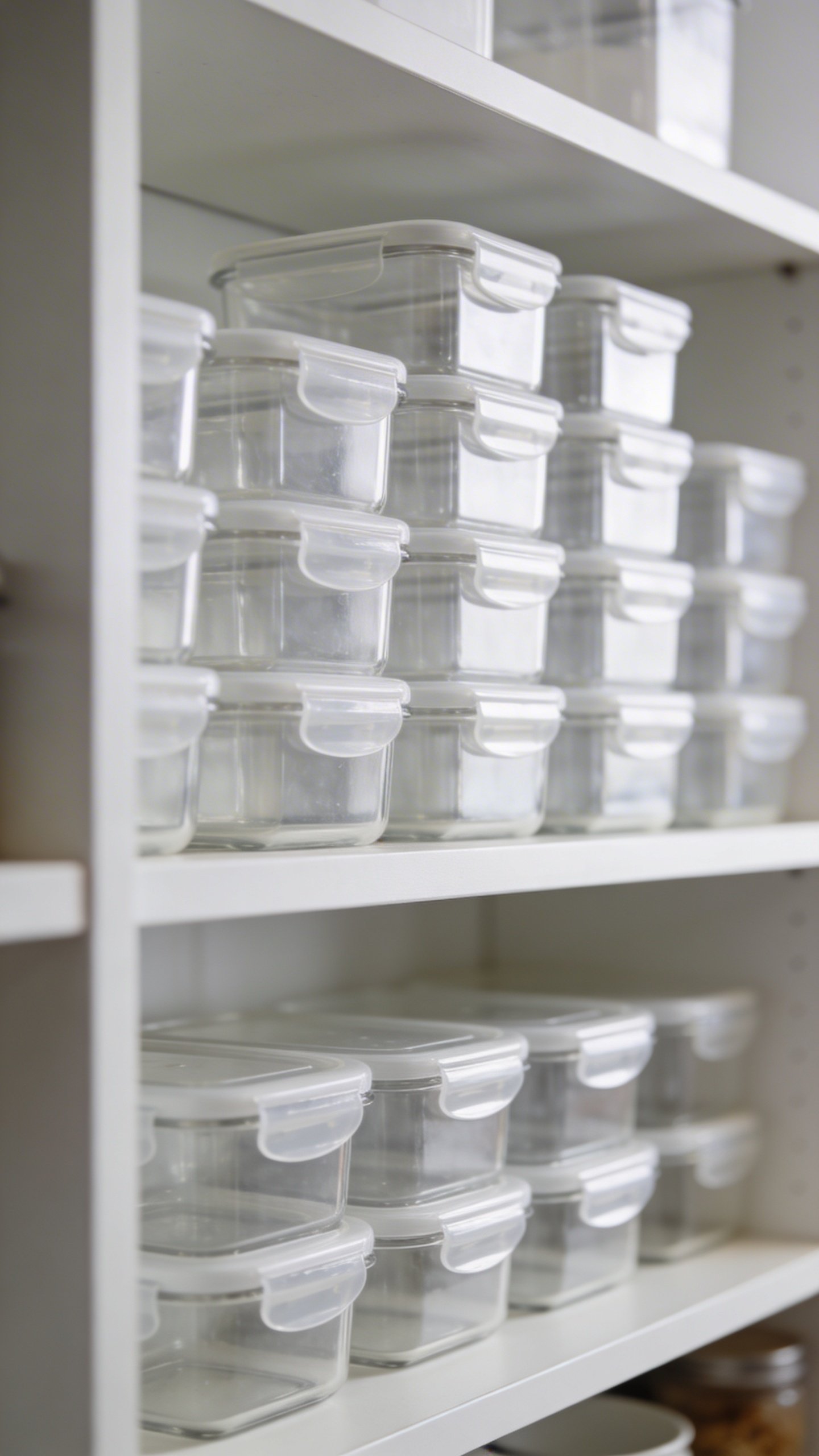
Keep your pantry items, dry goods, and food storage containers in one general area. This makes meal planning and grocery inventory checks way easier.
Work With Your Cabinet Heights and Depths
Not all cabinets are created equal, and you need to play to their strengths. Those deep lower cabinets? They’re perfect for heavy items like appliances, large pots, or bulk pantry items. But here’s the thing: never stack stuff you use regularly in the back of deep cabinets unless you enjoy excavation projects.
Upper cabinets should house your lighter, everyday items. Keep the stuff you use most often at eye level. Reserve the highest shelves for things you rarely need, like fancy serving platters or seasonal items.
Corner cabinets are the black holes of the kitchen universe, so either invest in a lazy Susan or accept that whatever goes in there might as well be in witness protection.
Embrace Vertical Space Like Your Life Depends on It

You know what most people forget about? The vertical space inside their cabinets. Adding shelf risers can literally double your usable space. Stack your plates on one level, bowls on the riser above. Mind. Blown.
Door-mounted organizers are your secret weapon for lids, spices, or cleaning supplies. You’ve got all this prime real estate on the inside of your cabinet doors just sitting there doing nothing.
Stackable bins and baskets keep similar items together and prevent the dreaded avalanche situation. Label them if you’re feeling extra organized (or if you live with people who “can’t find anything”).
The Container Situation Needs Addressing
Let’s talk about food storage containers, because this is where things get real. You need to commit to a system and stick with it. IMO, having a million different container brands is a recipe for lid-matching chaos.
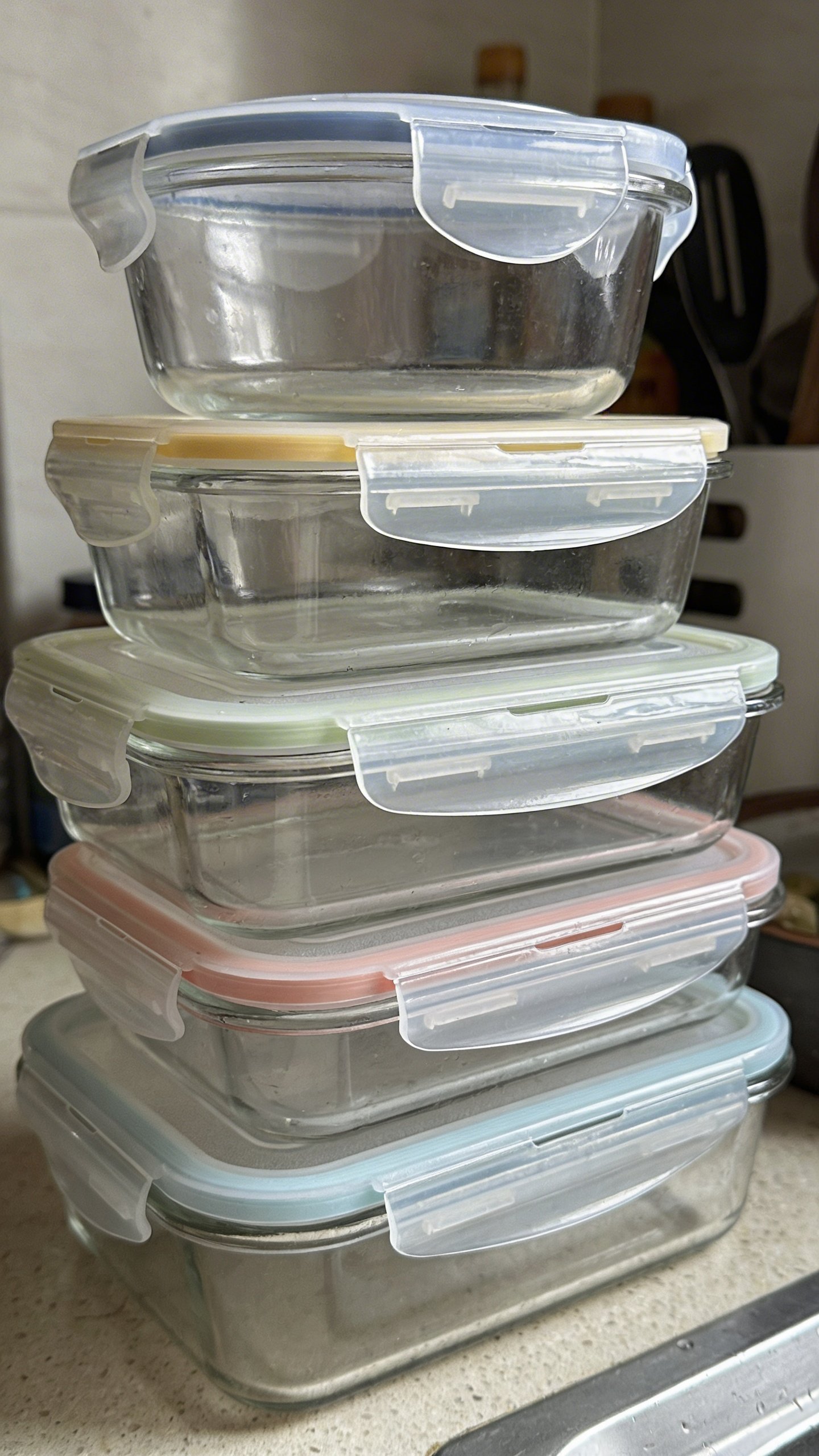
Pick one or two container systems and donate or recycle the rest. Store containers with their lids already on them, or use a separate organizer just for lids. Revolutionary concepts, I know, but these simple changes will save you so much frustration.
Stack same-sized containers inside each other and keep all the lids in one designated spot. You can use a small bin, a drawer divider, or even mount a file organizer inside your cabinet door.
Create Systems That Actually Work for You
Here’s the truth bomb: the “perfect” organization system is the one you’ll actually maintain. If you’re not someone who’s going to meticulously label everything, don’t force it. If you can’t be bothered with complicated drawer dividers, keep it simple.
Group items by frequency of use. Daily items should be the easiest to grab. Weekly items can go slightly out of the way. Monthly or seasonal items can take the hard-to-reach spots.
Use clear containers for pantry items when possible. Being able to see you’re running low on rice beats discovering it when you’re already cooking dinner. Plus, clear containers just look more organized, even if you’re not really that organized.
Maintaining Your Beautiful New System
Setting up an organized kitchen is one thing; keeping it that way is another beast entirely. The secret? Put things back where they belong immediately. Yeah, it sounds obvious, but it’s the difference between staying organized and recreating chaos.
Do a quick cabinet audit every few months. Toss expired items, relocate things that migrated to weird spots, and adjust your system if something’s not working. Your kitchen habits might change, and your organization should evolve with them.
Get everyone in your household on board with the system. Label things if needed, especially if you’re dealing with people who claim they “didn’t know where it goes.”
Frequently Asked Questions
Should I organize my cabinets by item type or by meal type?
Most people find organizing by item type easier to maintain long-term. Grouping all your baking supplies together, all your spices together, and all your canned goods together makes more sense than trying to create “breakfast,” “lunch,” and “dinner” zones. Unless you’re running a restaurant, meal-type organization usually gets messy fast.
What’s the best way to organize spices?
Alphabetical order works great if you cook with a wide variety of spices regularly. Otherwise, group them by cuisine type or frequency of use. Whatever you do, get them out of their original containers if possible and into uniform jars or a tiered organizer where you can actually see what you have. Drawer inserts or cabinet door racks work brilliantly for spices.
How do I deal with small appliances I rarely use?
If you use them less than once a month, they don’t deserve prime cabinet real estate. Store them in higher cabinets, the basement, or even a hallway closet if your kitchen storage is tight. Keep only your daily or weekly appliances actually in the kitchen workspace.
Is it worth buying matching containers for everything?
For items you access regularly? Absolutely. The investment in matching containers for flour, sugar, rice, pasta, and other staples pays off in both functionality and sanity. For random stuff you rarely use? Don’t stress about it. Focus your container budget on the items you interact with daily.
How often should I reorganize my kitchen cabinets?
A full reorganization? Maybe once or twice a year. But you should do mini-maintenance sessions every few months. Toss expired stuff, wipe down shelves, and adjust what’s not working. Think of it like regular oil changes for your kitchen.
What if I have really limited cabinet space?
Get creative with wall space, use the tops of cabinets for rarely-used items, and be super selective about what earns cabinet space. You might need to store some items elsewhere in your home. Also, embrace drawer organizers and pull-out shelves to maximize every inch you do have.
Wrapping It Up
Organizing your kitchen cabinets doesn’t require a complete kitchen renovation or expensive organizing systems. It just needs some thoughtful planning, honest assessment of your cooking habits, and commitment to maintaining whatever system you create. Start with one cabinet at a time if the whole kitchen feels overwhelming. Even small improvements make your daily kitchen routine smoother, and honestly, there’s something deeply satisfying about opening a cabinet and actually finding what you need on the first try. Your organized kitchen is waiting, so grab some boxes and get started.