
How to Make Your Home Smell Good Naturally Without Chemicals
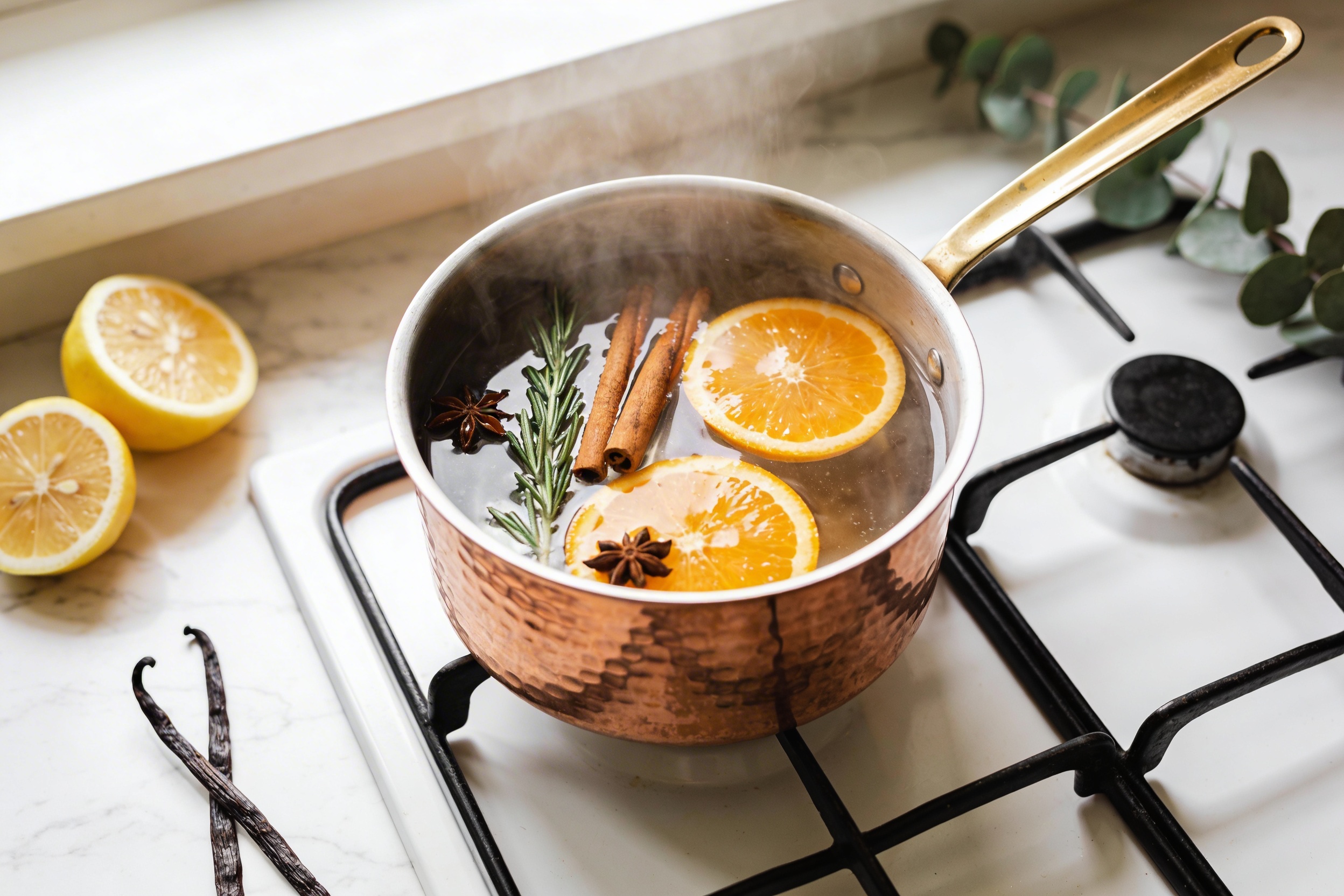
Walking into a home that smells amazing is like getting a warm hug for your nose. But here’s the thing: those plug-in air fresheners and synthetic sprays are basically chemical cocktails that mask odors instead of eliminating them. The good news? You can make your home smell incredible using stuff you probably already have in your kitchen, and your lungs will actually thank you for it.
Start with the Basics: Get Rid of the Stink First
Look, we need to have a real talk here. You can’t just cover up bad smells with good ones and call it a day. That’s like putting perfume on dirty laundry – it doesn’t work, and honestly, it just makes things worse.
Before you start making your home smell like a botanical garden, you need to track down and eliminate the source of any funky odors. Check your trash cans, look under the sink for forgotten produce, and please, for the love of all things good, clean out your fridge. That mystery container from three weeks ago? It’s not getting better with age.
Once you’ve done the dirty work, give your space a proper clean. Open those windows and let fresh air circulate. Sometimes the best smell is just clean, fresh air doing its thing.
Simmer Pots: Your New Secret Weapon
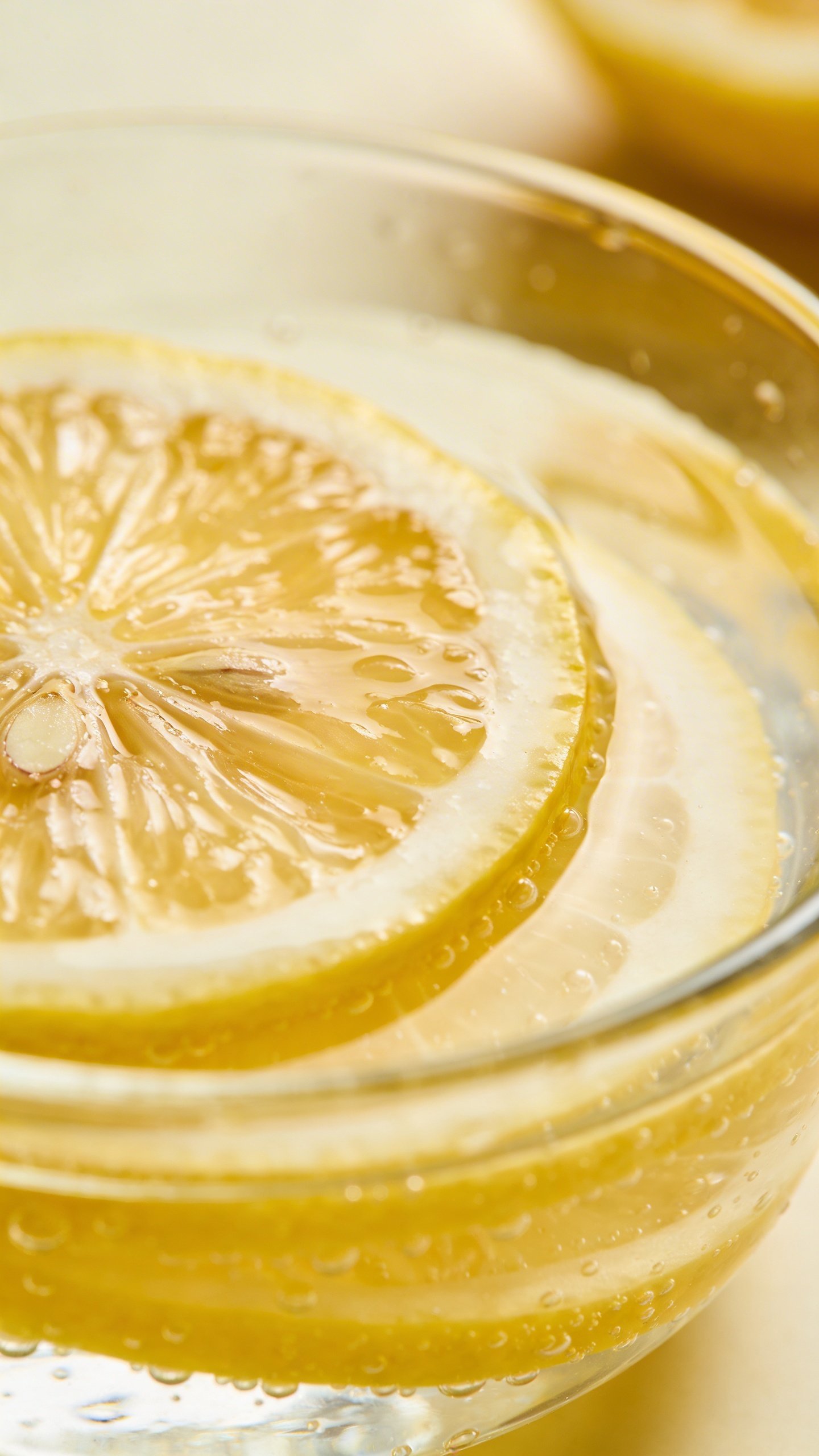
Want to know the easiest way to make your house smell like you’ve been baking all day without actually baking? Simmer pots are absolute game-changers, and they’re ridiculously simple.
Grab a small pot, fill it with water, and toss in whatever smells good. Citrus peels, cinnamon sticks, vanilla extract, fresh herbs, whole cloves – the combinations are endless. Put it on your stove on the lowest heat setting and let it work its magic. Just keep an eye on the water level because, you know, fire hazards aren’t the vibe we’re going for.
Seasonal Simmer Pot Combos That Actually Work
For fall and winter, try orange slices, cinnamon sticks, whole cloves, and a splash of vanilla. It smells like every cozy coffee shop you’ve ever loved.
In spring and summer, go with lemon slices, fresh rosemary, and a few drops of peppermint extract. It’s crisp, clean, and refreshing without being overwhelming.
FYI, you can reuse the same simmer pot for 2-3 days if you store it in the fridge between uses. Just add more water and reheat.
Essential Oils: Use Them Right or Don’t Use Them at All
Essential oils get a lot of hype, and while they’re definitely useful, people often use them wrong. You don’t need to go overboard – a little goes a long way, and honestly, some of those MLM consultants will have you thinking you need to bathe in the stuff.
A diffuser is your best bet for using essential oils safely. Add water and 3-5 drops of your favorite oil, and you’re set. Lavender for bedrooms, peppermint for kitchens, eucalyptus for bathrooms – match the scent to the space.
Don’t have a diffuser? No problem. Put a few drops on cotton balls and tuck them in drawers, closets, or even inside your vacuum cleaner bag. When you vacuum, it’ll spread the scent around naturally.
Baking Soda: The Unsung Hero
Can we just appreciate baking soda for a second? This humble box of white powder is basically a miracle worker when it comes to absorbing odors. It doesn’t just mask smells – it actually neutralizes them.
Sprinkle baking soda on carpets and upholstery, let it sit for 15-30 minutes, then vacuum it up. Your carpets will smell fresh instead of like that weird musty smell all carpets seem to develop.
Put open boxes of baking soda in your fridge, closets, and anywhere else that tends to get a little funky. Replace them every three months, and you’ll notice a massive difference. You can even add a few drops of essential oil to the baking soda before using it for an extra boost.
Fresh Plants and Herbs: Living Air Fresheners
Plants aren’t just pretty to look at – some of them actually purify the air and smell amazing. Plus, they make you look like you have your life together, which is always a bonus.
Herbs like basil, mint, and rosemary smell fantastic and are useful in cooking. Put them in sunny spots in your kitchen and give them a gentle brush with your hand when you walk by to release their scent.
Eucalyptus is another winner. Hang fresh eucalyptus in your shower, and the steam will release its oils. It’s like having a spa in your bathroom, except you don’t have to pay spa prices.
The Best Air-Purifying Plants
Snake plants, spider plants, and pothos are all great at filtering air naturally. They won’t necessarily make your home smell like anything specific, but they’ll help keep the air fresh and clean. IMO, that’s half the battle right there.
DIY Room Sprays That Don’t Suck
Making your own room spray is so easy that you’ll wonder why you ever bought those chemical-laden ones. All you need is a small spray bottle, distilled water, witch hazel (or vodka – yes, really), and essential oils.
The basic formula: Fill your bottle halfway with distilled water, add witch hazel or vodka until it’s about three-quarters full, then add 10-15 drops of essential oils. Shake before each use, and you’ve got yourself a natural room spray that actually works.
The alcohol helps the oils mix with the water and makes the spray evaporate more quickly, which disperses the scent faster. Science is cool, right?
Don’t Forget the Trash and Drains
Your garbage disposal and trash cans are probably silent offenders when it comes to home smells. Even if you can’t actively smell them, they’re contributing to the overall vibe of your space.
For garbage disposals, freeze lemon or lime wedges in ice cube trays and run a few through once a week. It cleans the blades and makes your sink smell fresh. For trash cans, put a dryer sheet or cotton ball with essential oils at the bottom under the bag.
For stinky drains, pour half a cup of baking soda down the drain, follow it with a cup of white vinegar, let it fizz for 15 minutes, then flush with hot water. Do this monthly, and your drains won’t betray you with weird smells.
Frequently Asked Questions
How long do natural scents last compared to artificial air fresheners?
Natural scents are generally more subtle and don’t last as long as synthetic ones, but that’s actually a good thing. Artificial fragrances are designed to be overwhelming and stick around forever (and coat your lungs in who-knows-what). Natural scents might last a few hours to a day, depending on the method, but they’re healthier and you can easily refresh them.
Can I use these methods if I have pets?
Most natural methods are pet-safe, but you need to be careful with essential oils. Some oils are toxic to cats and dogs, especially tea tree, eucalyptus, and citrus oils. Stick to simmer pots, baking soda, and fresh plants, and keep any essential oil diffusers in rooms your pets don’t frequent. Always do your research based on your specific pets.
What’s the fastest way to make my home smell good before guests arrive?
Start a simmer pot immediately – it works within 15-20 minutes. While that’s going, open windows for fresh air circulation, light a candle or two, and quickly vacuum with some essential oil on a cotton ball in the bag. If you’re really in a pinch, putting a pan of vanilla extract in a 300-degree oven for about an hour works wonders (but watch it carefully).
Why does my house smell musty even though it’s clean?
Mustiness usually comes from humidity and lack of air circulation. Even clean homes can smell musty if air isn’t moving around. Open windows regularly, use fans, run your HVAC system, and consider getting a dehumidifier if you live in a humid climate. Also check for hidden moisture problems like leaky pipes or poor ventilation in bathrooms.
Are scented candles considered natural?
It depends. Most conventional candles are made from paraffin wax, which is petroleum-based and releases chemicals when burned. If you want natural candles, look for soy, beeswax, or coconut wax candles with cotton wicks and scented with essential oils rather than synthetic fragrances. They cost more, but your lungs will appreciate it.
How do I get rid of cooking smells naturally?
Boil a pot of water with lemon slices and a splash of vinegar for 10-15 minutes. You can also simmer cinnamon sticks and orange peels after cooking something particularly pungent. Running your exhaust fan while cooking helps too, and leaving out a bowl of white vinegar overnight will absorb lingering odors.
Conclusion
Making your home smell good naturally isn’t rocket science, and you definitely don’t need a cabinet full of expensive products to pull it off. Start with keeping things clean, experiment with simmer pots and essential oils, and don’t underestimate the power of good old baking soda. Your nose (and your wallet) will thank you, and you won’t have to worry about what weird chemicals you’re breathing in every day. Plus, there’s something genuinely satisfying about walking into your home and knowing that amazing smell came from actual oranges and cinnamon instead of “Ocean Breeze #47” from a laboratory.