
How to Make a Good Outfit Every Time (Simple Rules)
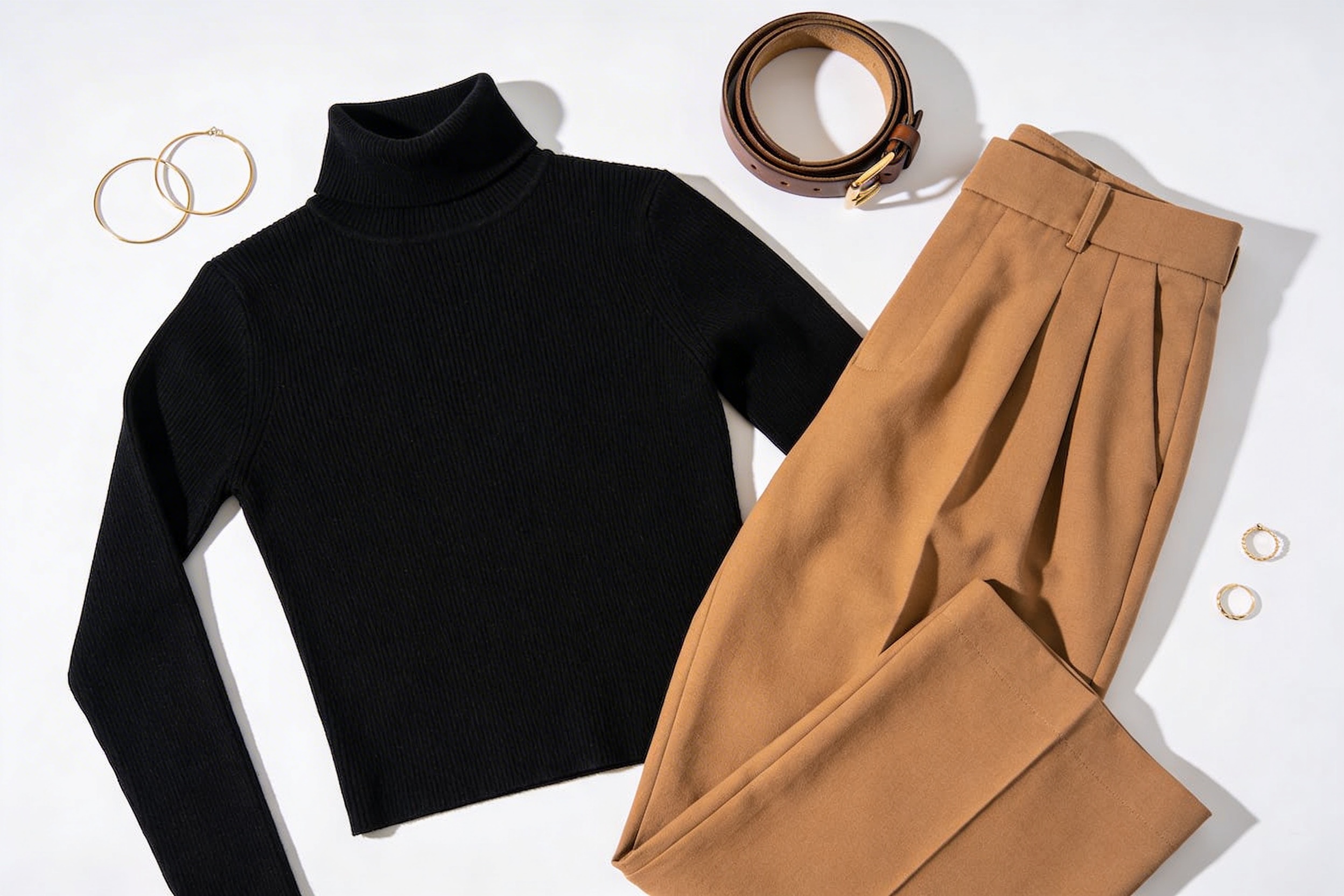
You know that feeling when you open your closet and suddenly forget how clothing works? Like, you own all these individual pieces but putting them together feels like solving a Rubik’s cube blindfolded? Yeah, we’ve all been there. The good news is that building a solid outfit isn’t about having perfect style instincts or dropping thousands on designer pieces—it’s about following a few simple rules that work every single time.
The Golden Rule of Proportions
Here’s the deal: balance is everything. If you’re wearing something loose on top, go fitted on the bottom. Baggy pants? Tuck in that shirt or wear something more form-fitting up top. This isn’t rocket science, but it’s the difference between looking intentionally styled and looking like you’re drowning in fabric.
Think of it this way—your outfit needs visual structure. An oversized sweater with boyfriend jeans might look effortlessly cool on Instagram, but in real life, it often just looks shapeless. The rule is simple: balance volume with structure. Wide-leg trousers look amazing with a fitted turtleneck. A flowy maxi skirt pairs perfectly with a cropped tank.
The only exception? When you’re deliberately going for an oversized, avant-garde look. But even then, you’re making a conscious choice about proportions—you’re not just throwing things on randomly.
Master the Color Coordination Game
Color matching stresses people out way more than it should. You don’t need to be a color theory expert or carry around a color wheel. You just need a game plan.
Start With Neutrals
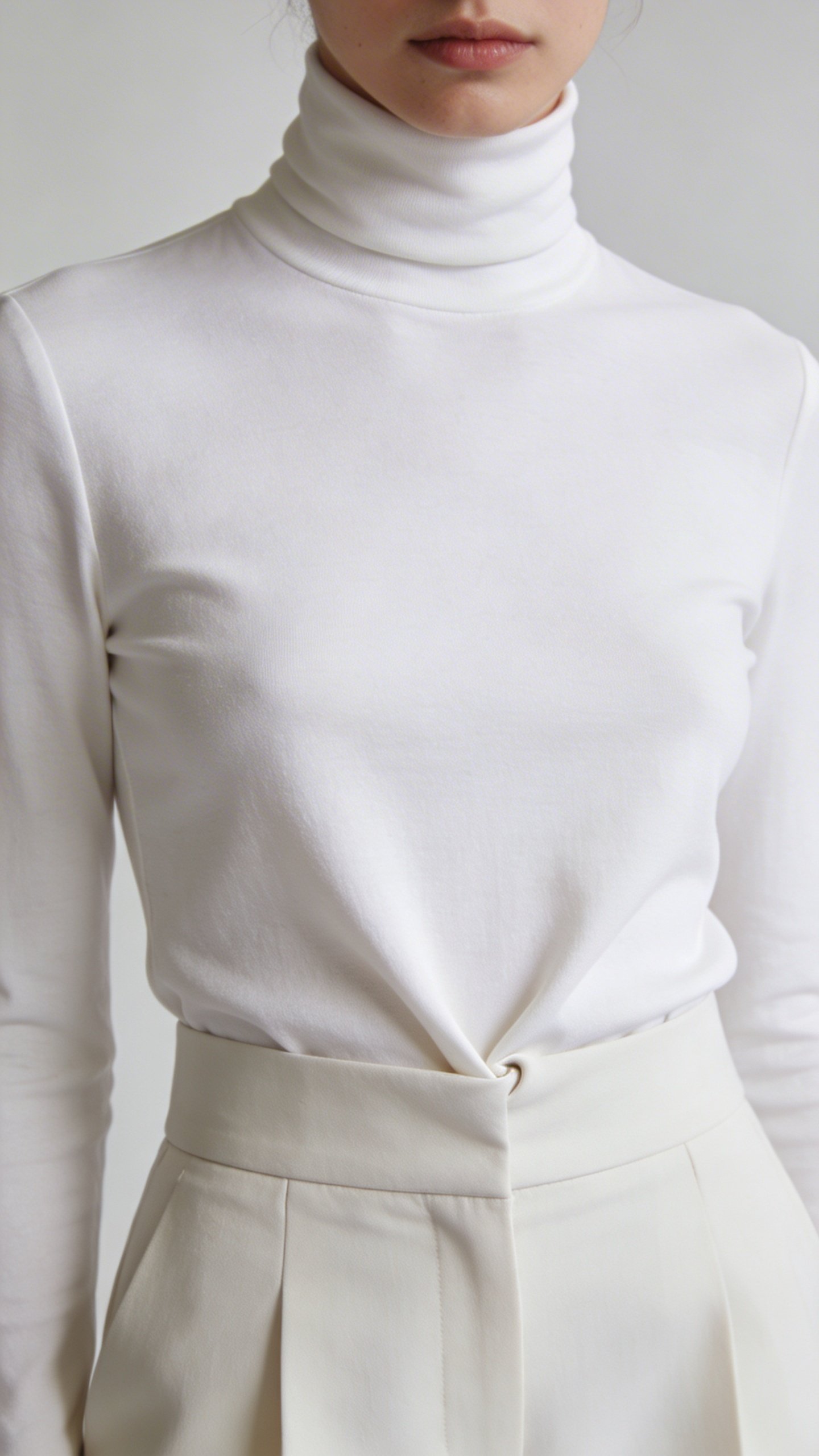
Black, white, gray, navy, beige, and tan are your best friends. You literally cannot mess up a neutral-based outfit. All-black? Classic. Navy and tan? Sophisticated. Gray and white? Clean and simple. Build your wardrobe foundation with these colors, and you’ll always have something that works.
The One-Pop Rule
Want to add color? Cool, just follow this: one statement color at a time. Let’s say you’re wearing jeans and a white tee—add a red jacket OR red shoes, not both. Keep everything else neutral and let that one color do the talking. This prevents the “rainbow explosion” effect that screams “I tried too hard.”
Tonal Dressing Is Your Shortcut
Wearing different shades of the same color family is basically cheating, and I mean that in the best way. All blues, all browns, all creams—it looks sophisticated and pulled-together with minimal effort. FYI, this is how fashion people look so effortlessly chic in their Instagram photos.
Fit Matters More Than Brand
You could be wearing a designer piece that costs more than most people’s rent, but if it doesn’t fit right, it looks cheap. Meanwhile, a well-fitted $20 shirt from a fast-fashion store can look surprisingly expensive. The difference is all in how the clothes sit on your body.
Shoulders should align with your actual shoulders. Pants shouldn’t bunch up around your ankles (unless they’re meant to). Shirts shouldn’t pull across your chest or gap between buttons. If something’s almost perfect but not quite, consider getting it tailored—it’s cheaper than you think and makes a world of difference.
Pay special attention to sleeve length and pant hems. These are the details people notice subconsciously, even if they can’t articulate what looks “off” about an outfit.
The Three-Layer Strategy
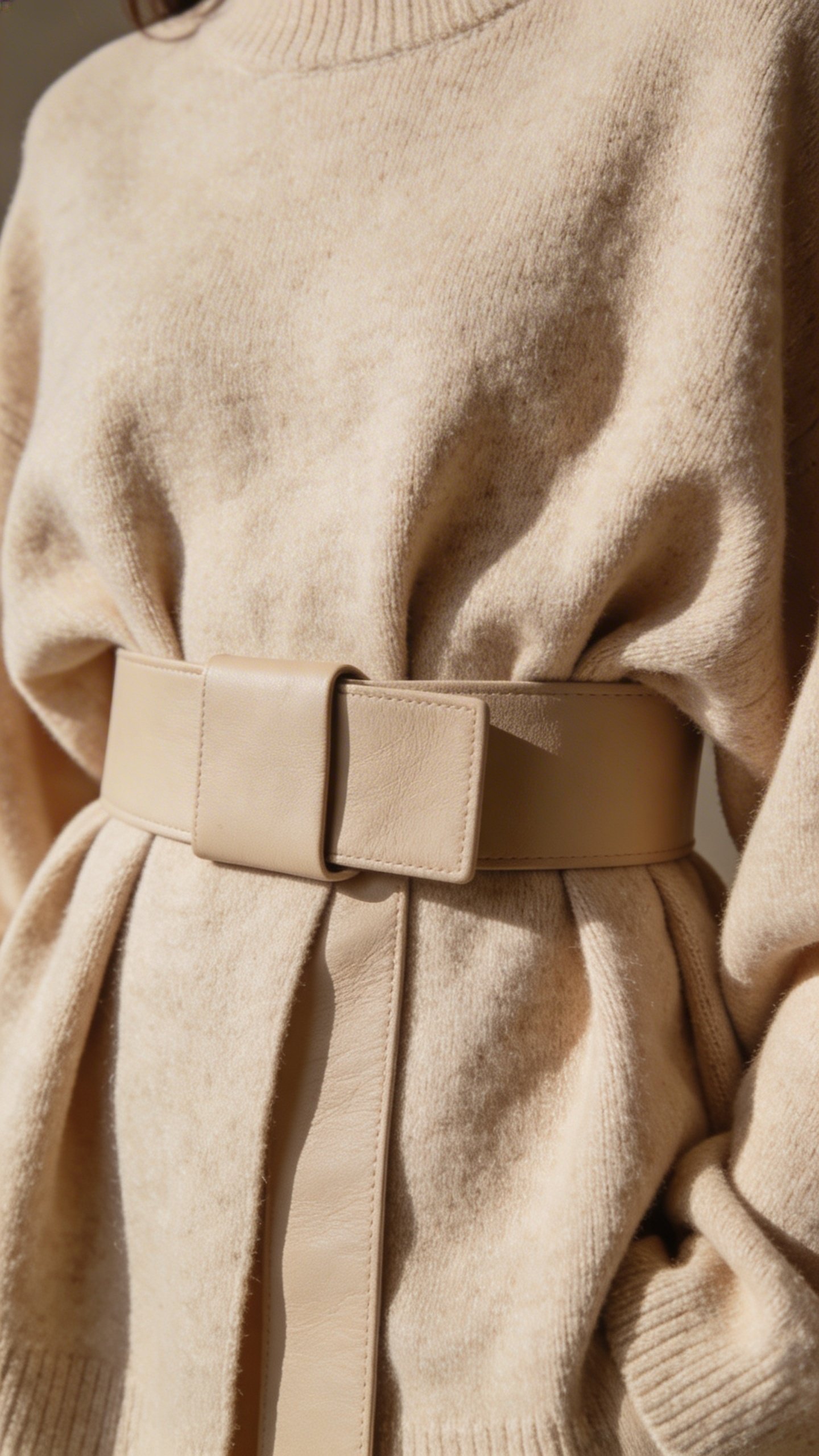
This one’s a game-changer. A basic outfit becomes interesting when you add layers. Not because it’s cold outside, but because layers add dimension and visual interest to what you’re wearing.
Start with a base (t-shirt, tank, whatever). Add a middle layer (button-up, cardigan, sweater). Finish with an outer layer if needed (jacket, coat, blazer). Even just two layers work—like a t-shirt under an open flannel or a turtleneck under a slip dress.
The beauty of this approach? It makes simple pieces look more complex. A plain white tee and jeans is fine. That same white tee with jeans, plus a denim jacket and a scarf? Now we’re talking. You’ve created an outfit with depth without really doing much.
Accessorize, But Don’t Overdo It
Accessories are where people either elevate their outfits or completely derail them. The key is restraint. You don’t need a hat, sunglasses, three necklaces, four rings, a watch, and a statement bag all at once. That’s sensory overload.
Pick two or three accessories max. Maybe it’s a watch and a simple necklace. Or earrings and a belt. Or a bag and sunglasses. Choose pieces that complement your outfit without competing for attention.
And please, make sure your accessories make sense together. Gold jewelry with a gold watch. Silver with silver. Mixing metals can work, but that’s advanced-level stuff—stick with matching until you’re more confident.
Know Your Outfit Formulas
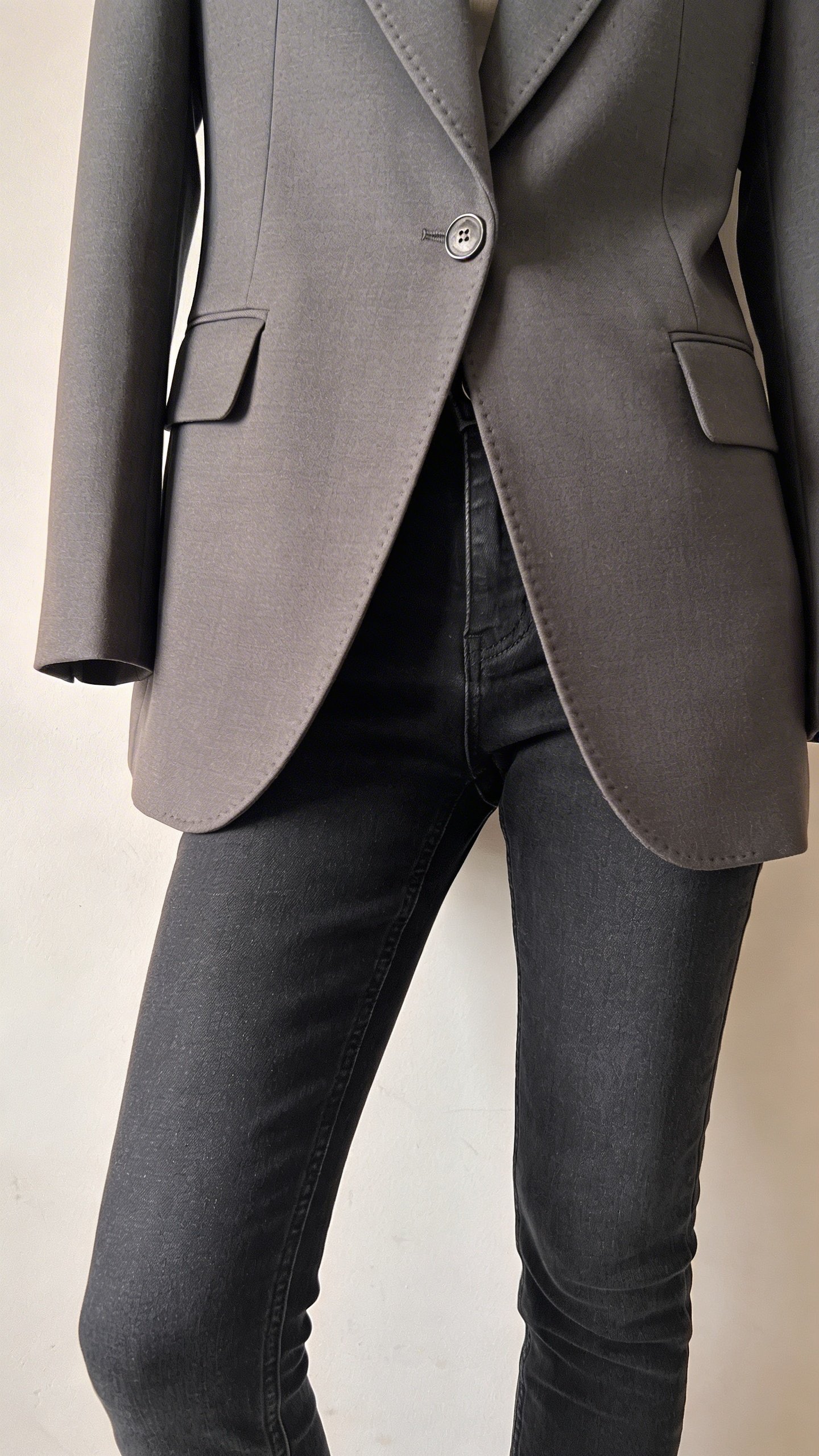
Stop reinventing the wheel every morning. Smart dressers have go-to formulas they rotate through. These are combinations they know work, so getting dressed becomes autopilot instead of an existential crisis.
Here are some foolproof formulas to steal:
- The Classic: Well-fitted jeans + white t-shirt + blazer + sneakers or loafers
- The Polished Casual: Chinos + button-up shirt (tucked) + belt + casual shoes
- The Elevated Basics: Black pants + black turtleneck + statement coat + boots
- The Weekend Easy: Joggers + fitted hoodie + bomber jacket + clean sneakers
- The Effortless: Midi skirt + fitted top + denim jacket + sandals or sneakers
Notice how these formulas balance proportions, stick to simple color schemes, and include layers? That’s not a coincidence. Find three to five formulas that work for your lifestyle and body type, then just swap in different pieces within the same structure.
The Context Actually Matters
An outfit doesn’t exist in a vacuum. Where you’re going and what you’re doing should influence what you wear. Sounds obvious, but you’d be surprised how many people miss this.
Brunch with friends? Different vibe than a client meeting. Date night? Different than running errands. Reading the room (or occasion) is part of putting together a good outfit. The most stylish person at a casual barbecue isn’t the one in designer labels—it’s the person who understood the assignment and dressed appropriately while still looking put-together.
This doesn’t mean you can’t inject personality. It just means being aware of context and working within it. You can absolutely wear your style to a job interview; just make sure it’s the professional version of your style.
Frequently Asked Questions
How many items should be in a basic wardrobe?
There’s no magic number, but aim for quality over quantity. A capsule wardrobe of 30-40 versatile pieces beats a closet stuffed with 200 things you never wear. Focus on basics that mix and match easily: a few pairs of well-fitted pants, solid-color tops, one or two jackets, and shoes for different occasions. Build from there based on your actual lifestyle, not what fashion magazines tell you to own.
Can I wear black and navy together?
Absolutely, and anyone who tells you otherwise is stuck in outdated fashion rules. Black and navy look sophisticated together, especially in tailored pieces. The key is making it look intentional—pair a navy blazer with black pants, or black jeans with a navy sweater. Just make sure each piece fits well so it’s clearly a choice, not a mistake made in poor lighting.
How do I know if something actually fits properly?
Stand naturally and check these points: shoulder seams should hit at your shoulder edge, not drooping down your arm. You should be able to pinch about an inch of fabric at the sides of a shirt (more means too big, less means too tight). Pants should sit comfortably at your natural waist without a belt holding them up. And you should be able to move, sit, and breathe without feeling restricted. IMO, if you’re constantly adjusting or feeling uncomfortable, the fit is off.
What’s the easiest way to look more put-together instantly?
Tuck in your shirt. Seriously, it’s that simple. A tucked shirt with a belt creates structure and makes any outfit look more intentional. Even a casual t-shirt tucked into jeans looks more polished than the same combo untucked. Try a full tuck for formal vibes or a front tuck for casual situations. This one small change makes a surprisingly big difference.
Should I follow fashion trends?
Follow trends that genuinely appeal to you and work with your existing wardrobe, but don’t feel pressured to wear something just because it’s trendy. Trends come and go, but good fit and classic pieces never go out of style. Think of trends as optional spice you add to your wardrobe foundation, not the foundation itself. Your style should feel authentic to you, not like you’re wearing a costume of what’s currently popular.
How can I develop my own personal style?
Start by paying attention to what you reach for repeatedly and what makes you feel confident. Take note of outfits you see (in real life or online) that resonate with you, then identify common threads. Create a simple inspiration folder on your phone. Experiment with one new element at a time rather than overhauling everything at once. Personal style develops gradually through trial and error—give yourself permission to figure it out as you go.
Conclusion
Building good outfits consistently isn’t about having an innate fashion sense or unlimited budget. It’s about understanding a few fundamental principles and applying them every time you get dressed. Balance your proportions, coordinate your colors thoughtfully, prioritize fit above everything else, and know your go-to formulas. The rest is just details.
Once you internalize these rules, getting dressed stops being stressful and starts being automatic. You’ll develop an eye for what works and what doesn’t, and eventually, you won’t even need to think about it. Until then, keep these guidelines handy, and remember: confidence is the best accessory. Even a simple outfit looks amazing when you wear it like you own the place.