
How to Hide Microwave in Kitchen Like a Designer
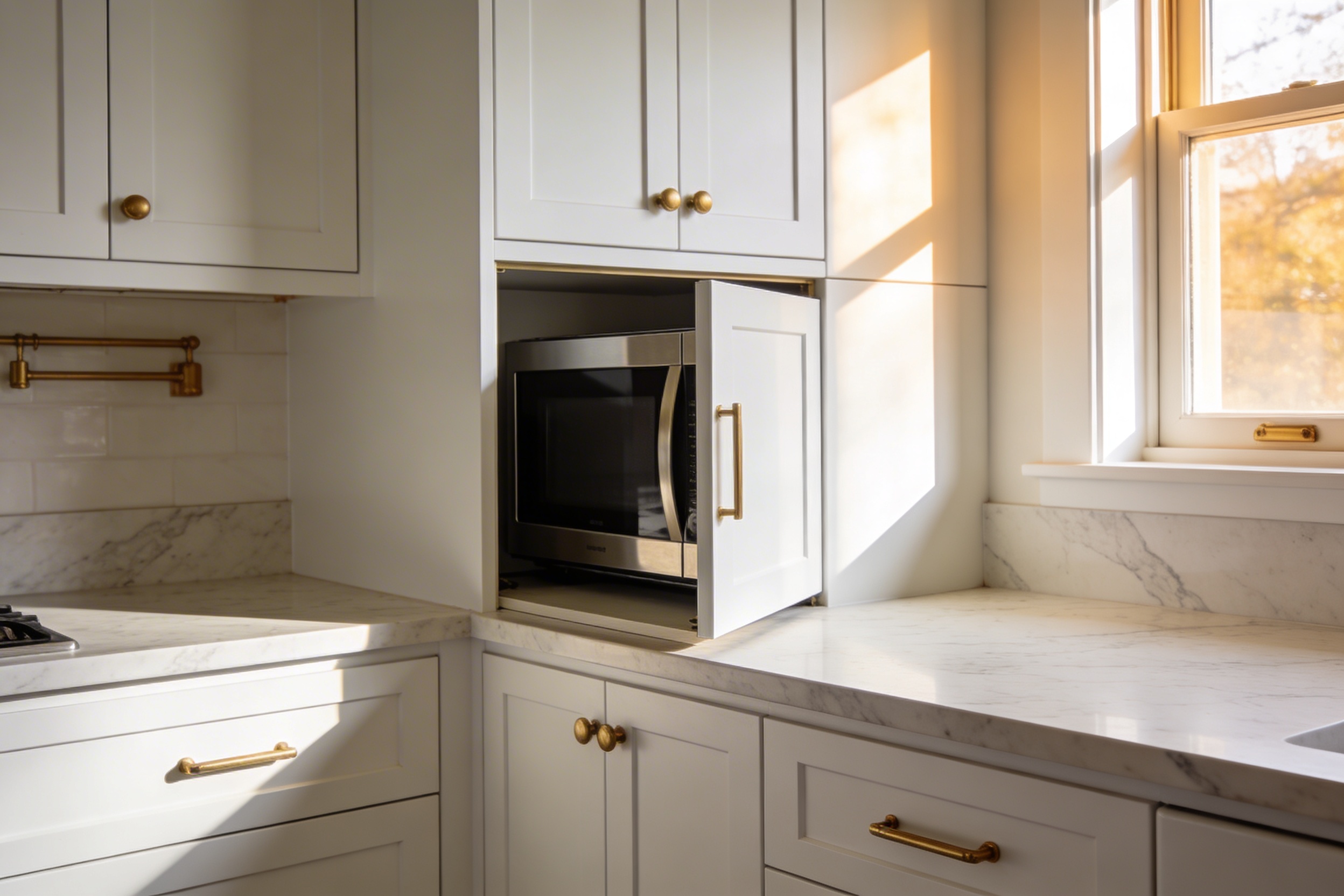
Let’s be honest—microwaves aren’t exactly the sexiest kitchen appliance. They’re basically bulky boxes that hog counter space and scream “I can’t be bothered to use my actual oven.” But here’s the thing: we need them. So if you’re stuck with this necessary evil, let’s at least figure out how to tuck it away somewhere it won’t ruin your kitchen’s aesthetic.
Why Bother Hiding Your Microwave Anyway?
I get it—you might be thinking, “It’s just a microwave, who cares?” But hear me out. That chunky appliance sitting on your counter is probably eating up prime real estate that you could use for, you know, actually cooking. Plus, if you’ve put any effort into making your kitchen look halfway decent, a microwave can stick out like a sore thumb.
Modern kitchens trend toward clean, minimalist looks. Your stainless steel microwave with its LED clock flashing “12:00” because you never bothered to set it? Not exactly Instagram-worthy. Hiding it doesn’t mean you’re ashamed of reheating leftovers—it just means you want a cleaner, more functional space.
The Classic Cabinet Hideaway
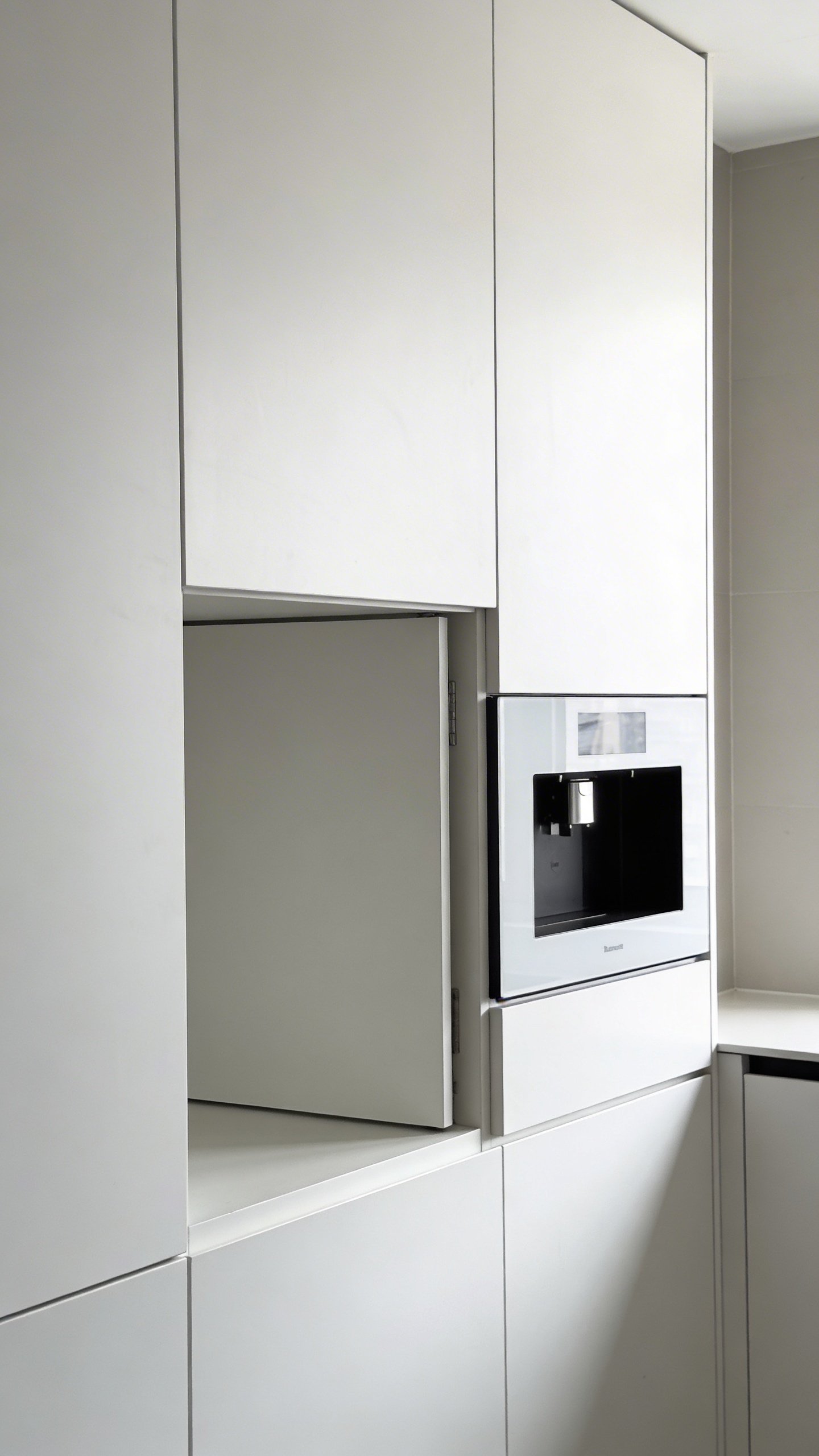
This is probably the most popular solution, and for good reason. Built-in cabinets designed specifically for microwaves give you that seamless, integrated look that makes designers weep with joy.
Upper Cabinet Installation
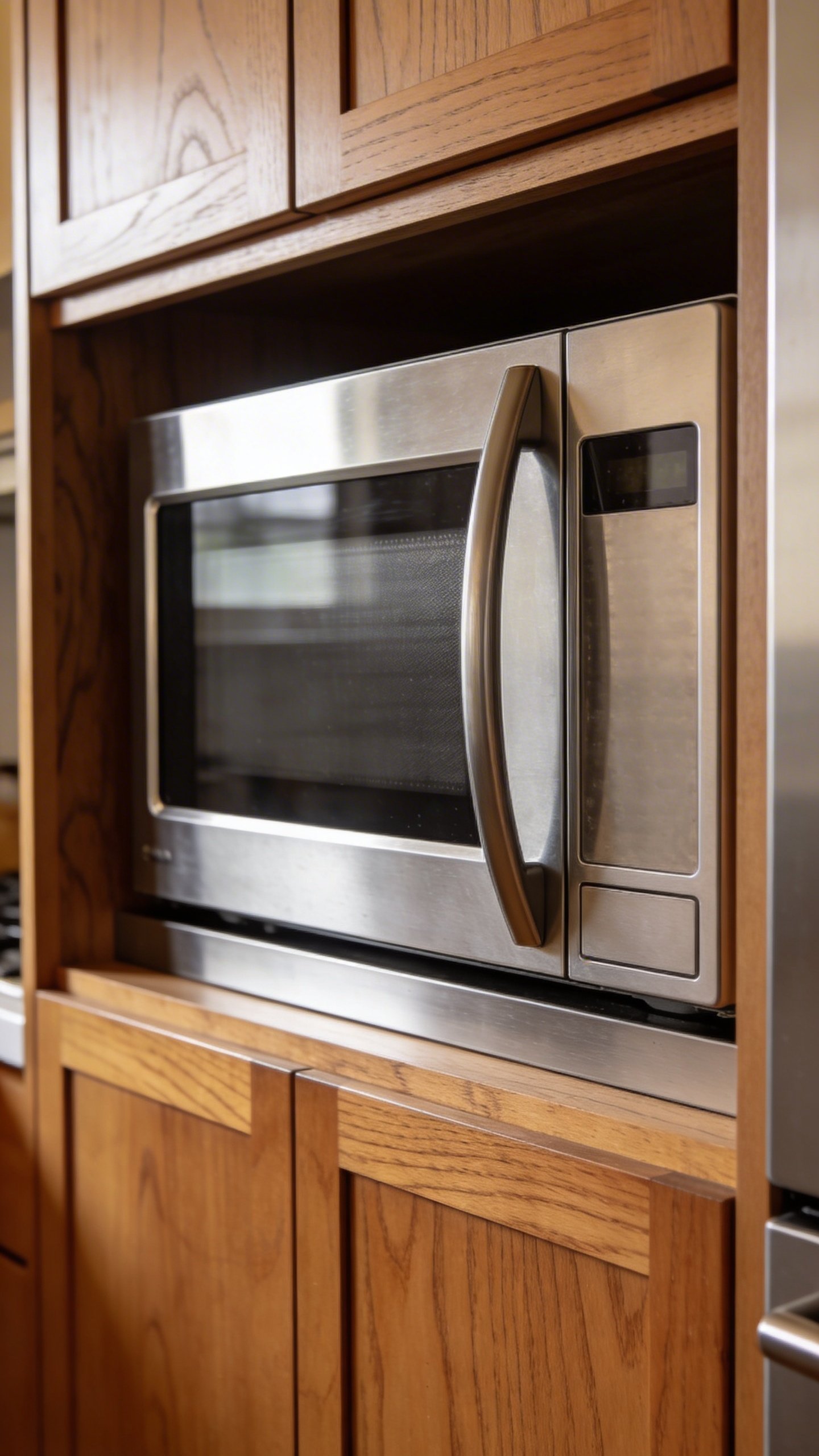
Mounting your microwave in an upper cabinet puts it at eye level, which is actually pretty convenient. You won’t be bending over to grab your piping hot soup (and potentially spilling it all over yourself). Just make sure the cabinet has proper ventilation—microwaves get hot, and you don’t want to create a fire hazard.
The catch? You’ll need to sacrifice some cabinet space. But if you’re tight on counter real estate, this trade-off usually makes sense.
Lower Cabinet Solutions
Here’s a plot twist: some people actually prefer their microwaves down low. Base cabinet microwave drawers are a thing, and they’re weirdly satisfying to use. You pull them out like a drawer, pop your food in, and slide them shut. It’s like your microwave is playing hide-and-seek.
This option works great for families with kids who can safely access the microwave, or if you’ve got limited wall space. Fair warning though—these drawer-style microwaves tend to cost more than your standard models.
The Pantry Power Move
Got a walk-in pantry or even a decent-sized cabinet pantry? Congratulations, you’ve got yourself a perfect microwave hiding spot. Tuck that baby on a shelf between your cereal boxes and pasta jars, and suddenly it’s out of sight but still accessible.
The genius of this approach is that you’re using space that wasn’t particularly valuable anyway. Unlike prime counter or cabinet spots in your main kitchen area, pantry real estate is relatively cheap. Just make sure you’ve got an outlet nearby—running an extension cord through your pantry is a good way to fail both the safety test and the aesthetics test.
One pro tip: install a slide-out shelf if you can. Pulling the microwave out makes it way easier to use, and you won’t have to perform gymnastics to retrieve your nachos.
The Appliance Garage Approach
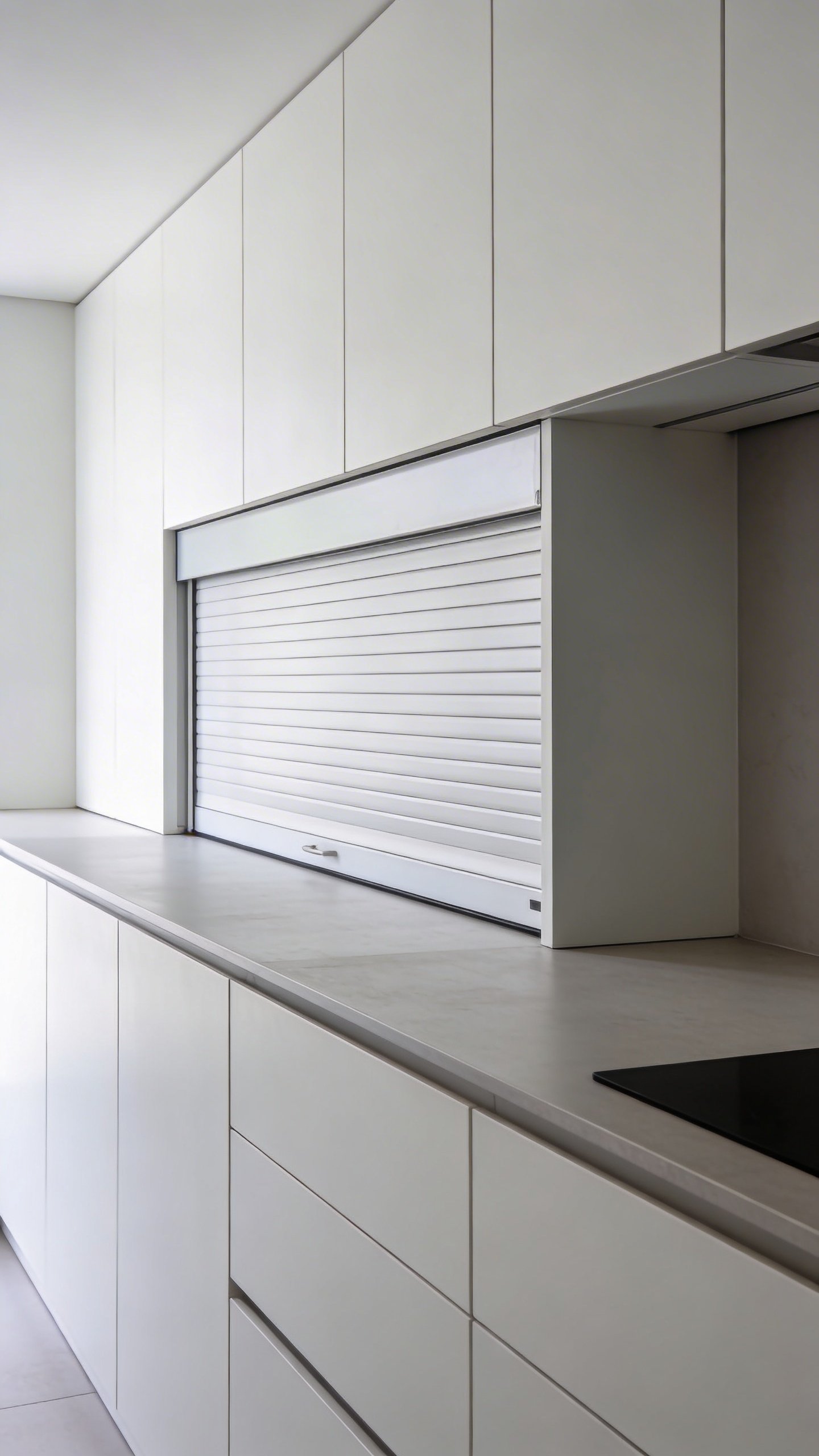
Remember appliance garages? Those little cabinet compartments with roll-up doors that people used to hide toasters and blenders? Well, they’re making a comeback, and they’re perfect for microwaves.
An appliance garage gives you the best of both worlds—your microwave stays plugged in and ready to use, but when you’re done, you just close the door and boom, it disappears. It’s like magic, except it’s just carpentry.
The downside is that you’ll need either existing appliance garage space or enough room to install one. If you’re doing a kitchen reno anyway, definitely consider adding this feature. Your future self will thank you every time you don’t have to stare at your microwave.
Island Integration Ideas
Kitchen islands aren’t just for fancy cocktail parties and awkward family gatherings anymore. They’re also excellent microwave hideouts. You can install a microwave drawer in your island or create a cabinet space specifically for it.
This solution works especially well in larger kitchens where the island serves as a functional workspace. Having the microwave in the island keeps it accessible from all sides while maintaining your perimeter counter space for food prep.
Just watch out for the height situation. If your island is standard height, mounting the microwave might mean bending down more than you’d like. But hey, think of it as bonus exercise?
Over-the-Range: The Space-Saving Champion
Okay, this technically isn’t “hiding” your microwave, but it’s such a good space-saver that it deserves a mention. Over-the-range microwaves pull double duty as both a microwave and a range hood, which means they’re replacing something that was already taking up wall space.
These bad boys vent your stovetop while also reheating your pizza, and they free up all that counter space you were wasting. The installation is a bit more involved (you’ll probably want a professional unless you’re super handy), but the payoff is worth it.
FYI, make sure you get one with decent ventilation power if you actually cook on your stovetop. Some cheaper models are basically just microwaves cosplaying as range hoods.
Getting Creative with Nooks and Crannies
Sometimes the best hiding spots are the ones you create yourself. Look around your kitchen for dead space—that weird gap between cabinets, the corner that’s too small for anything useful, or even under the counter where you currently store nothing but random grocery bags.
Custom Shelving Solutions
Building a custom shelf or cubby specifically sized for your microwave can turn wasted space into valuable real estate. You can match it to your existing cabinetry or go wild with a contrasting color if that’s your vibe.
Breakfast Nook Integration
If you’ve got a breakfast nook or coffee station area, why not incorporate the microwave there? It actually makes logical sense—you’re probably using the microwave for coffee, oatmeal, and other breakfast stuff anyway.
Frequently Asked Questions
Do I need special ventilation when hiding my microwave in a cabinet?
Absolutely yes. Microwaves need breathing room, typically at least 3 inches on the sides and back, and more on top. Check your microwave’s manual for specific clearance requirements. Trapping heat can shorten your microwave’s lifespan or, worst case scenario, create a fire hazard. Some people install small fans in cabinets for extra airflow, which isn’t a bad idea.
Can I put my microwave in a closed cabinet?
You can, but you’ll need to keep the door open while using it. Otherwise, you’re back to that ventilation problem we just talked about. Some folks install cabinets with doors that slide into pockets or swing fully open to get them out of the way during use. It’s a bit more hassle than leaving it exposed, but if aesthetics are your priority, it works.
How much does it cost to install a built-in microwave?
Built-in microwave installations typically run between $200-$500 for labor, not including the cost of the actual microwave or any cabinet modifications you need. Microwave drawers are the priciest option—they can cost $1,000-$1,500 just for the appliance itself. Standard built-in microwaves run $300-$800, which isn’t that much more than countertop models.
Will hiding my microwave make it harder to use?
IMO, it depends on where you hide it. A well-designed built-in at a comfortable height? Probably easier to use than hunching over a countertop model. A microwave shoved in the back corner of a deep pantry? Yeah, that’s going to get annoying fast. Think about your daily workflow before committing to a location.
Can I hide a regular countertop microwave, or do I need a special built-in model?
You can definitely hide a countertop microwave in a cabinet or pantry—just make sure you’ve got adequate ventilation and clearance. Built-in models are designed for trim kits that make them look seamless, but they’re not mandatory. If you’re on a budget, work with what you’ve got. Just don’t cram it in there without proper airflow.
What’s the easiest way to hide a microwave without a renovation?
The pantry method wins for simplicity. If you’ve got a pantry with a shelf at a reasonable height and an outlet, you’re basically done. Runner-up goes to using existing cabinet space with a simple shelf addition. No major construction required, and you can DIY it in an afternoon if you’re moderately handy.
Wrapping It Up
Hiding your microwave doesn’t have to be complicated or expensive. Whether you’re going full renovation mode with custom cabinetry or just shuffling things around to tuck it in the pantry, you’ve got options. The key is finding that sweet spot between aesthetics and functionality—because a beautiful kitchen that’s a pain to work in defeats the whole purpose.
Pick a solution that fits your space, your budget, and most importantly, your actual cooking habits. There’s no point hiding your microwave in some inconvenient spot if you use it ten times a day. Make it work for you, and your kitchen will look better and function smoother. Now go forth and reclaim that counter space!