
How to Hang Vines in Bedroom Ceiling Like a Pro
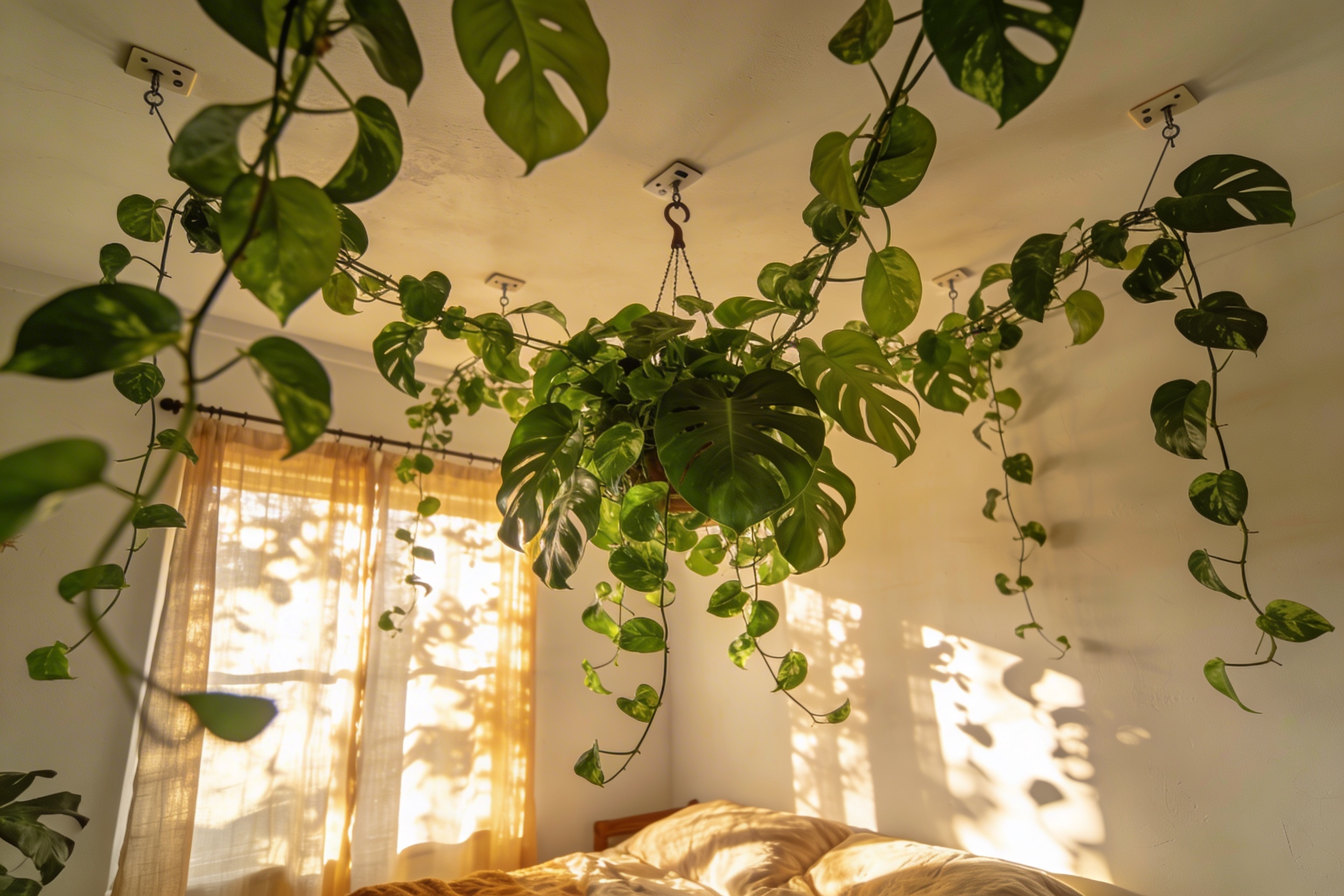
Look, I get it. You saw that gorgeous photo on Pinterest of a bedroom draped in lush greenery, and now your plain white ceiling feels like a personal attack. Hanging vines from your ceiling is actually way easier than you think, and I’m about to show you exactly how to transform your bedroom into the indoor jungle of your dreams.
Why Your Ceiling Needs This Makeover
Before we dive into the how-to, let’s talk about why ceiling vines are absolutely worth the effort. First off, they create this incredible sense of depth and dimension that regular wall art just can’t match. Your eyes naturally travel upward, making even a small bedroom feel bigger and more interesting.
Plus, if you’re using real plants, you’re basically installing a natural air purifier above your head while you sleep. How cool is that? Even fake vines add texture and visual interest that breaks up boring ceiling space.
And honestly, there’s something super calming about lying in bed and looking up at cascading greenery instead of stark white drywall. It’s like bringing a tiny piece of forest canopy indoors.
Choosing Your Vines: Real vs. Fake

This is the first big decision you’ll need to make, and both options have their perks.
Real Plants for the Dedicated Plant Parent
Real vining plants like pothos, philodendron, or string of pearls bring authentic life to your space. They purify air, grow over time, and give you that legit jungle vibe. But here’s the catch – you’ll need to actually water them and make sure they get enough light.
Hanging real plants from your ceiling means dealing with potential water drips during watering, so you’ll want saucers or catch trays. You’ll also need to position them near natural light or invest in grow lights.
Faux Vines for the Practical Decorator
Fake vines have come a LONG way, people. We’re not talking about your grandma’s dusty plastic ivy anymore. Modern artificial vines look incredibly realistic and require zero maintenance beyond the occasional dusting.
They’re lighter, you can place them anywhere regardless of light, and you’ll never wake up to dead leaves on your pillow. IMO, for ceiling installations specifically, faux vines often make more sense unless you’re a serious plant enthusiast.
Tools and Materials You’ll Actually Need
Let’s get practical. Here’s what you should grab before starting this project:
- Ceiling hooks – adhesive or screw-in, depending on your commitment level
- Fishing line or clear wire – for invisible support
- Command strips – seriously underrated for this project
- Ladder or sturdy step stool – please don’t stand on your desk chair
- Measuring tape – eyeballing it leads to chaos
- Your chosen vines – duh
- Optional: Small plant pots or hanging planters for real plants
FYI, investing in quality ceiling hooks is worth it. Those cheap ones might fail at 2 AM and scare you half to death.
Installation Methods That Actually Work

Now for the fun part. You’ve got several ways to approach this, depending on how permanent you want things and what your ceiling situation looks like.
The Adhesive Hook Method
This is perfect for renters or commitment-phobes. Heavy-duty adhesive hooks can hold surprisingly significant weight if you follow the instructions properly. Clean your ceiling surface thoroughly with rubbing alcohol first – this step matters more than you think.
Space your hooks about 2-3 feet apart for a natural draping effect. Let the adhesive cure for the recommended time before hanging anything. I know waiting is boring, but trust me on this one.
The Screw-In Hook Method
If you own your place or have a chill landlord, screw-in ceiling hooks provide the most secure option. You’ll want to locate ceiling joists for maximum holding power, especially if you’re hanging real plants with soil.
Use a stud finder to locate those joists, mark them with a pencil, and install your hooks directly into them. For spots between joists, use drywall anchors rated for ceiling use.
The Tension Rod Trick
Here’s a clever alternative: install a tension rod or curtain rod across your room (mounted on walls, not ceiling), then drape vines over it. This works especially well if you want vines above your bed but don’t want to drill into the ceiling directly overhead.
Creating Natural-Looking Drapes and Swags
The difference between “gorgeous botanical paradise” and “weird tangled mess” comes down to how you arrange your vines. Random definitely doesn’t mean just throwing them up there and hoping for the best.
Start by mapping out where you want your anchor points. I like creating a gentle wave pattern across the ceiling rather than straight lines. Think about how real vines would grow – they cluster, they drape, they don’t form perfect geometric patterns.
Layer different lengths and types of vines for depth. Some should hang lower, some should barely drape. Mix fuller, leafier sections with more delicate trailing bits. Step back frequently to check your progress from bed level, since that’s where you’ll actually see it most.
Use your fishing line to create the draping effect you want, securing vines at multiple points rather than just letting them hang from one hook. This gives you control over the swag and prevents that “droopy party streamer” look.
Lighting Considerations That Make or Break the Look
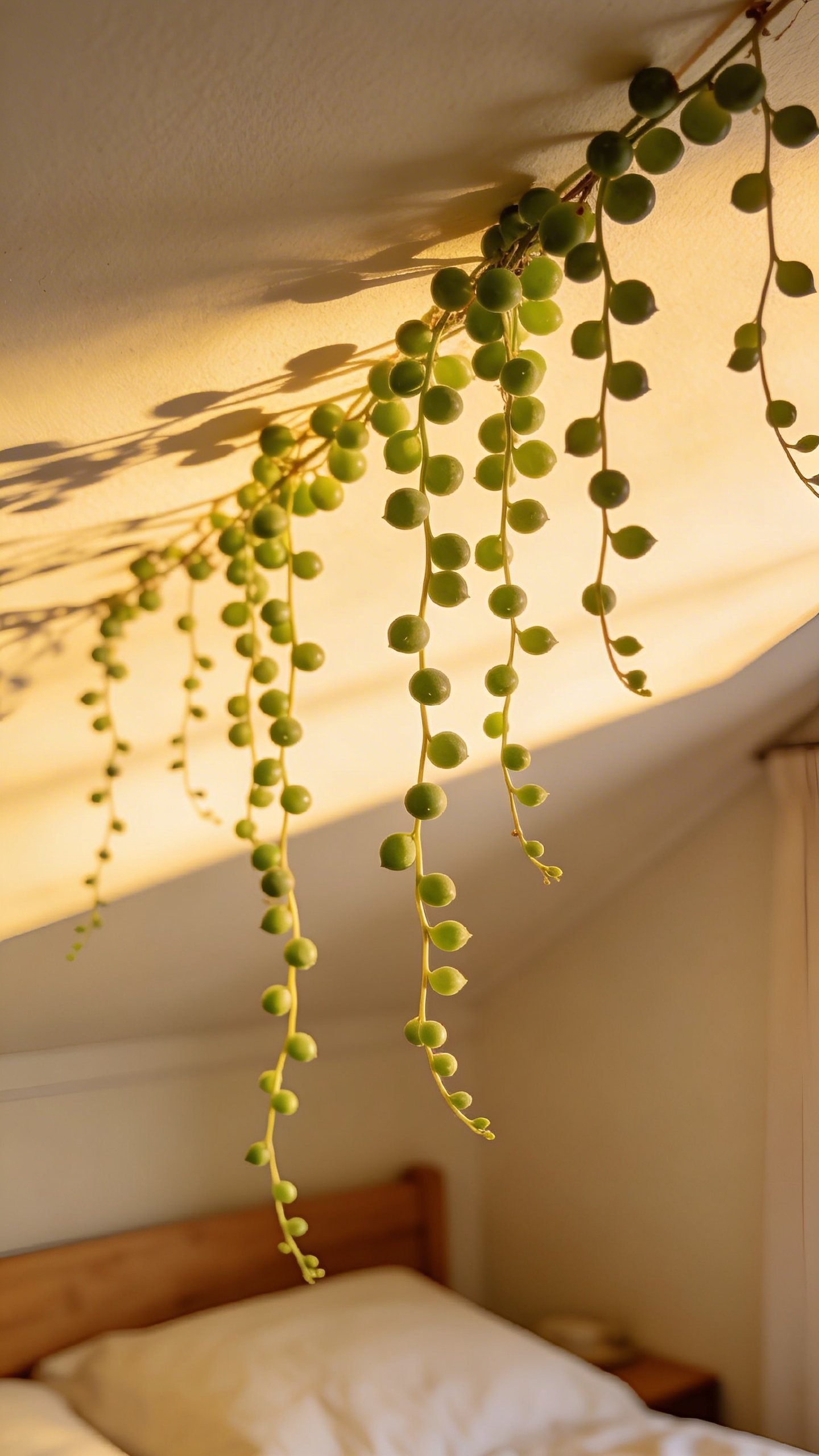
Good lighting can take your ceiling vines from “meh” to “magazine-worthy.” If you have a ceiling light fixture, consider how your vines frame it. You can create a gorgeous halo effect by arranging vines in a circle around your light.
String lights woven through the vines create absolute magic. Warm white LED fairy lights add ambiance without overheating (important if you’re using fake vines – we’re not trying to create a fire hazard here).
For real plants, think about supplemental lighting. Small clip-on grow lights can hide among the foliage and keep your plants thriving without looking like a science experiment.
Maintenance and Long-Term Care
Let’s talk about keeping this looking good beyond the first Instagram post.
For faux vines, dust them monthly with a microfiber duster or take them down for a gentle shower rinse every few months. Seriously, dusty fake plants look sadder than no plants at all.
For real plants, establish a watering routine that works with your ceiling setup. Some people take down hanging planters weekly to water in the sink. Others use a plant misting bottle and just embrace the occasional drip.
Trim real vines regularly to maintain the shape you want and encourage fuller growth. Don’t be afraid to prune – most vining plants respond well to it and actually look better with strategic trimming.
Frequently Asked Questions
Will ceiling hooks damage my rental apartment?
Adhesive hooks designed for ceilings typically remove cleanly if you follow removal instructions carefully. Heat them gently with a hairdryer before slowly pulling, and use adhesive remover for any residue. Command makes specific ceiling-rated hooks that are designed to remove without damage, though always check your lease first.
How much weight can ceiling hooks hold?
It depends entirely on the hook type and installation. Quality adhesive hooks usually hold 3-5 pounds each. Screw-in hooks attached to joists can hold 10-30 pounds depending on size. Always check the packaging for weight ratings, and remember that real plants get heavier when you water them.
What are the best low-light vining plants for bedrooms?
Pothos is the absolute champion here – it tolerates low light like a champ and literally thrives on neglect. Philodendron is another great choice. Both come in several varieties with different leaf patterns, so you can mix it up. Just avoid high-light plants like string of pearls unless your bedroom has great natural light.
How do I keep fake vines from looking cheap?
Quality matters, so skip the dollar store options. Look for vines with varied leaf sizes, realistic color variations, and flexible stems. Mix different types together rather than using identical strands. Bend and arrange stems individually instead of leaving them in their packaged shape. And honestly? Good placement and lighting make even mid-range faux vines look expensive.
Can I hang vines if I have textured or popcorn ceilings?
Absolutely! Screw-in hooks actually work great with textured ceilings. For adhesive hooks, you’ll want to find the flattest spots possible or use a stronger adhesive designed for rough surfaces. The texture might actually help disguise your hanging hardware better than smooth ceilings.
How do I water ceiling plants without making a mess?
Use planters with attached saucers, water slowly and sparingly, or develop a routine where you take plants down weekly to water in your sink or bathtub. Let them drain completely before rehanging. Some people use ice cubes on the soil – they melt slowly and reduce dripping, though this isn’t ideal for all plant types.
Conclusion
Hanging vines from your bedroom ceiling isn’t some impossible design feat reserved for professionals with unlimited budgets. With the right hooks, a little planning, and some patience during installation, you can totally create that dreamy, botanical bedroom you’ve been scrolling past on social media.
Start small if you’re nervous – maybe just a few strands above your headboard. You can always add more once you see how much it transforms your space. The hardest part is actually getting started, and now you’ve got everything you need to make it happen. Your ceiling is waiting for its glow-up!