
How to Display Cookbooks in Kitchen Without Losing Counter Space
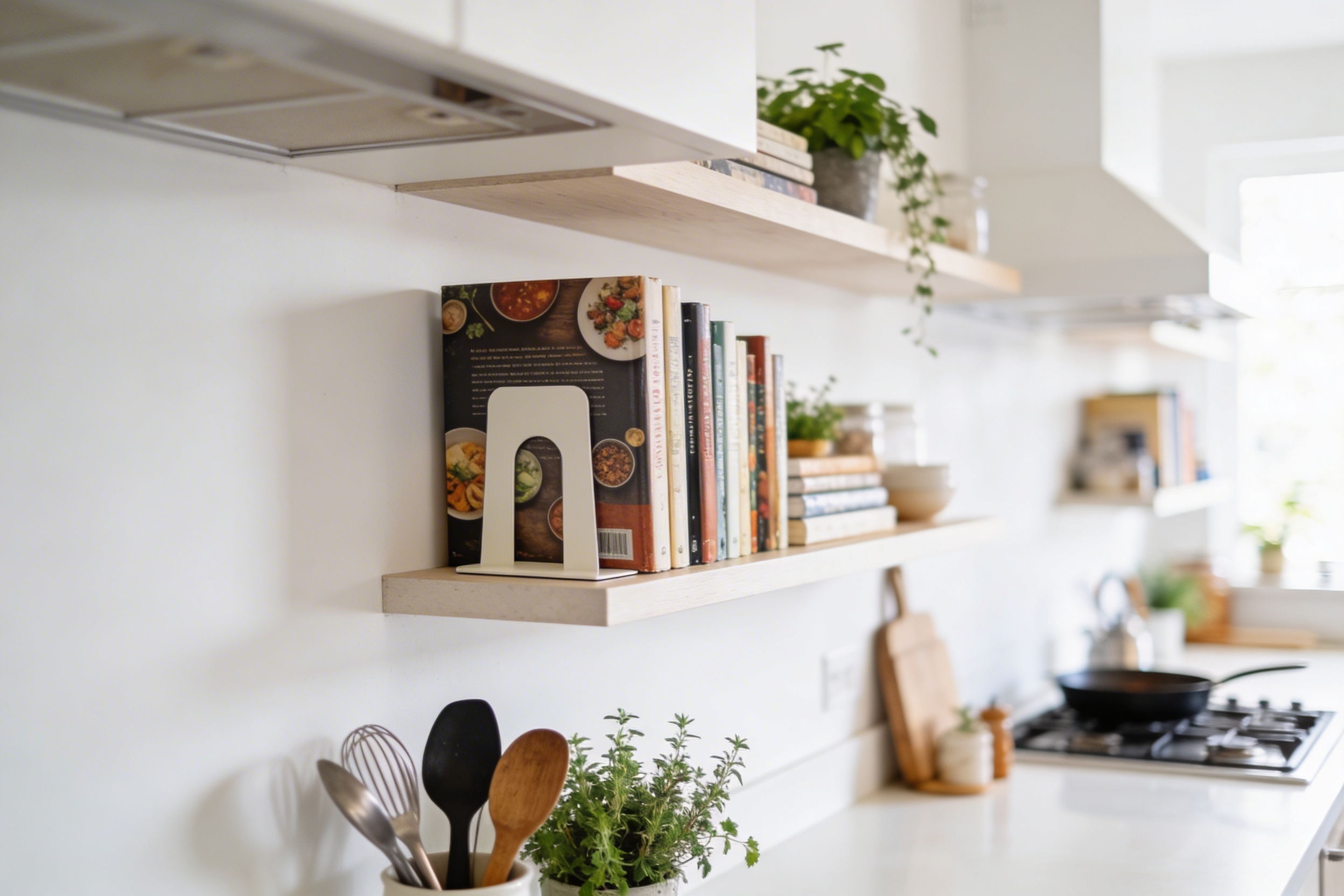
Your cookbooks deserve better than sitting in a sad pile on the counter or hiding in some dark cabinet where you’ll forget they exist. These beautiful collections of recipes and food photography cost you good money, and they’re probably gathering dust instead of inspiring your next culinary adventure. Let’s fix that.
Why Cookbook Display Matters More Than You Think
Listen, I get it. You bought those cookbooks with the best intentions. You were going to cook every recipe, master French cuisine, and finally learn what “mise en place” actually means. But here’s the thing: if you can’t see your cookbooks, you won’t use them.
When you display your cookbooks properly, they become part of your kitchen’s personality. They add color, texture, and that “I actually cook here” vibe that makes a kitchen feel lived-in and loved. Plus, having them visible means you’ll actually grab them when you’re stuck in that “what’s for dinner?” spiral.
Think of it this way: your cookbooks are tools just as much as your chef’s knife or stand mixer. You wouldn’t hide those in a closet, right?
Countertop Display Ideas That Won’t Eat Your Prep Space
The kitchen counter is prime real estate, so you need to be strategic here. You can’t just stack twenty cookbooks and expect to have room for actual cooking.
The Cookbook Stand Solution
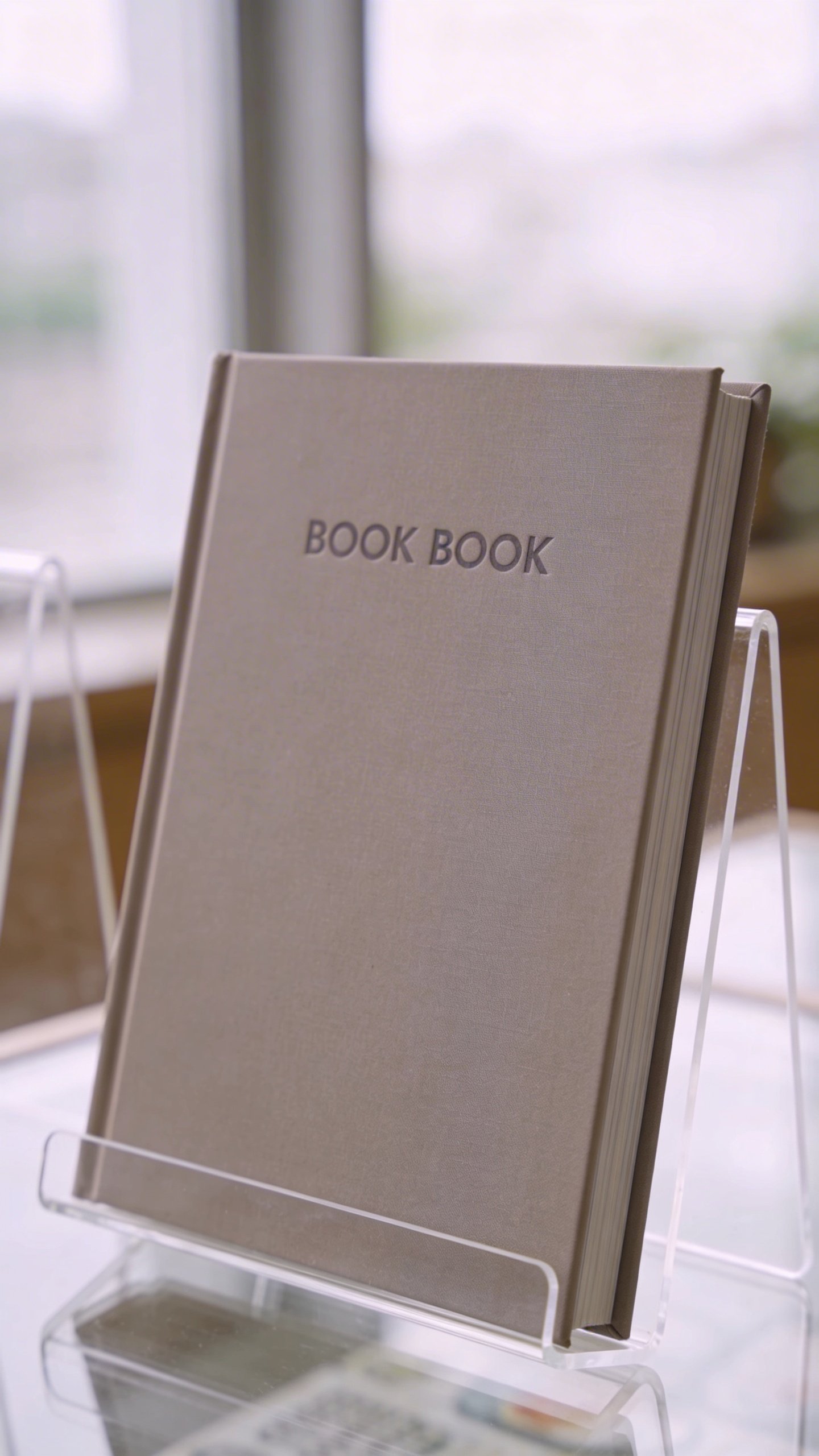
A simple cookbook stand or easel lets you display one or two favorites without sacrificing much space. You can rotate them weekly or keep your current obsession front and center. Acrylic stands work great because they’re clear and don’t add visual clutter, while wooden or metal ones add character.
Position your stand near your main prep area but not directly where you chop vegetables. Trust me, tomato juice on vintage cookbook pages is not a good look.
The Strategic Stack
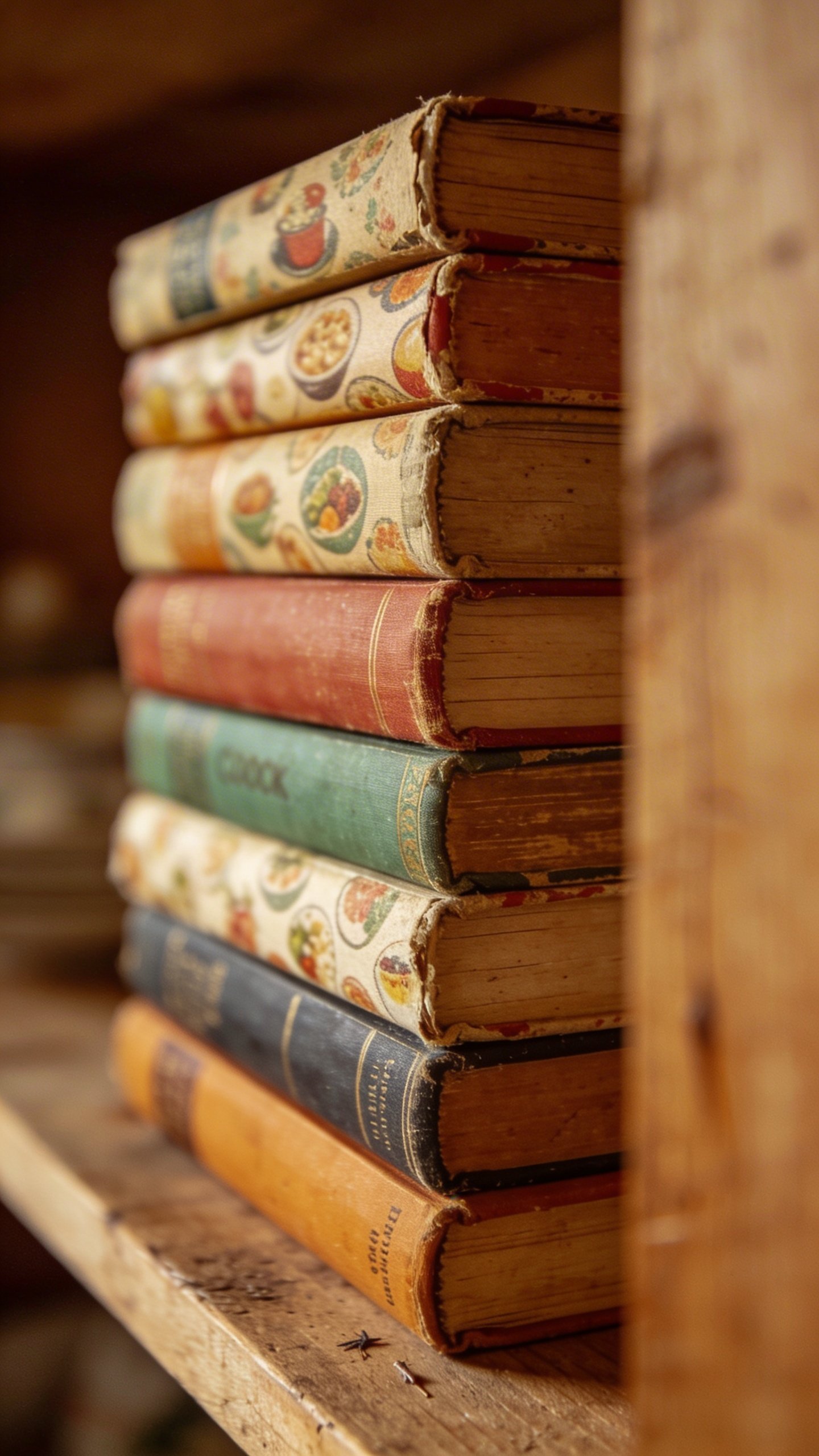
If you’ve got a corner or dead space on your counter, a small stack of three to five cookbooks can actually look intentional and stylish. Put the biggest one on the bottom (obviously) and work your way up. Top it with a small plant or decorative object to show you meant to do that.
Open Shelving: The Instagram-Worthy Option
Open shelves are basically made for cookbook display. They give you tons of visibility and make your kitchen look like it belongs in a design magazine.
Mix up your arrangement by combining cookbooks with other kitchen items. A few mixing bowls here, some pretty canisters there, and suddenly your cookbooks look like part of a curated collection instead of a random assortment. Vary between standing books upright and laying a few horizontally to create visual interest.
Color coordination is your friend here. You can organize by spine color for that rainbow effect, or group similar tones together for a more sophisticated vibe. IMO, the rainbow thing can look a bit much, but you do you.
Floating Shelves Specifically for Cookbooks
Installing a floating shelf or two just for cookbooks gives them a dedicated home. Mount them at eye level so you can actually read the spines without crouching or standing on your tiptoes. A shelf depth of 8-10 inches works perfectly for most cookbooks.
Cabinet Solutions for the Minimalist (Or the Messy)
Not everyone wants their stuff on display, and that’s completely valid. If you prefer clean counters and hidden storage, you’ve still got options.
Glass-front cabinets give you the best of both worlds. Your cookbooks stay protected from cooking splatter and grease, but you can still see them. Plus, you can arrange them nicely since you know people can peek in.
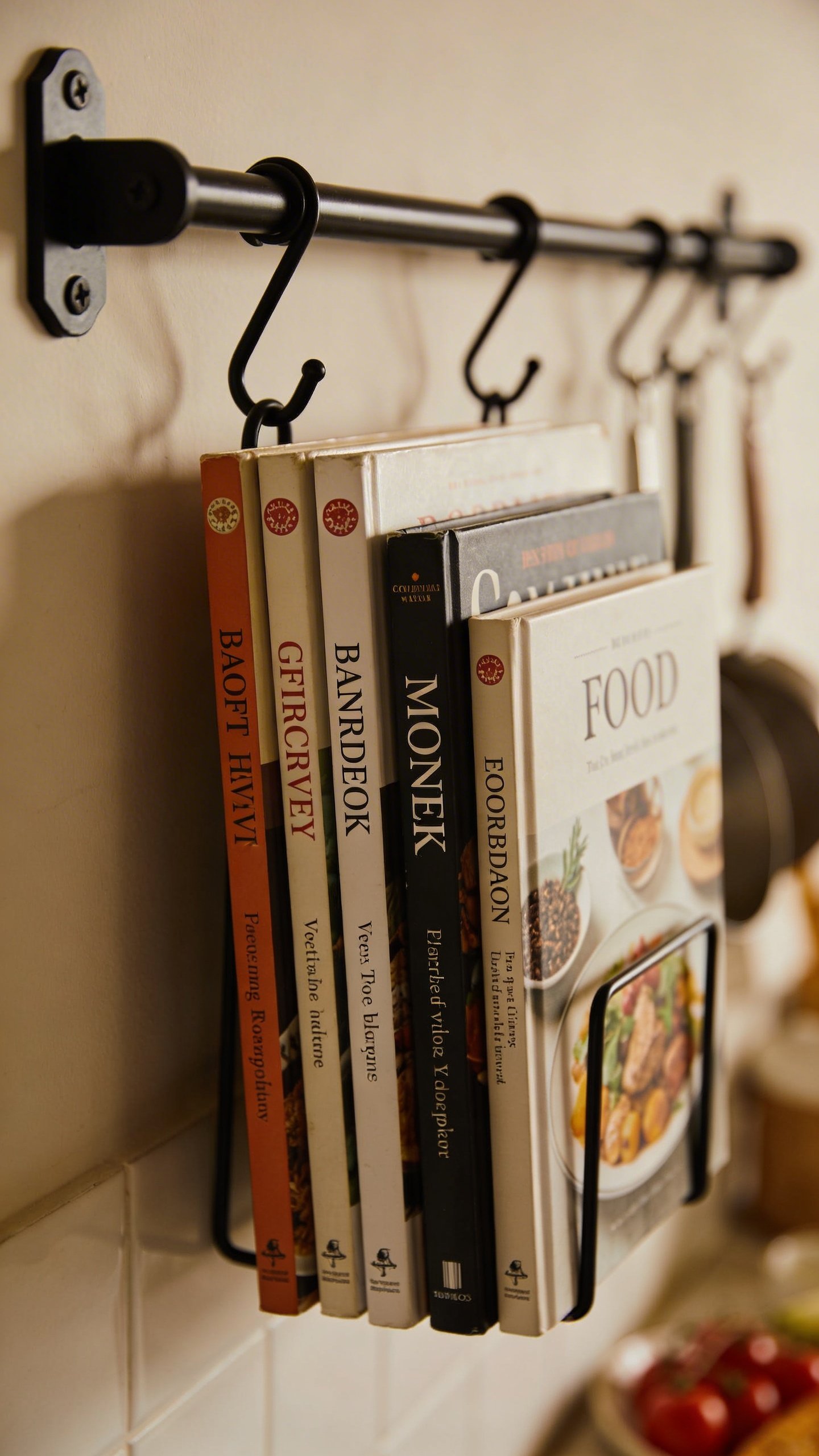
Inside regular cabinets, use wire shelf dividers or bookends to keep cookbooks upright and organized. Label sections if you’re really Type A about it: “Baking,” “Quick Weeknight Dinners,” “That Ottolenghi Cookbook I’m Intimidated By.”
Creative Display Spots You Haven’t Considered
Who says cookbooks only live in the kitchen proper? Get weird with it.
Wall-Mounted Ledges
Picture ledges or narrow shelves mounted on your kitchen wall let you display cookbooks face-out. This means you get to show off those gorgeous covers you paid extra for. Rotate them seasonally or whenever you feel like switching things up.
The Kitchen Island End
If your island has open ends, add some small shelves or use that space for cookbook storage. It keeps them accessible but out of the main cooking zone. FYI, this works especially well in open-concept kitchens where the island backs up to your living space.
Cart It Around
A rolling cart dedicated to cookbooks means you can move your collection wherever you need it. Baking day? Roll it near the oven. Meal planning Sunday? Park it at the kitchen table. Bar carts work perfectly for this and look way chicer than you’d expect.
Protecting Your Cookbooks While Displaying Them
Displaying cookbooks in the kitchen means they’re exposed to heat, moisture, and the occasional oil splatter. Here’s how to keep them in good shape.
Keep them away from direct heat sources like your stove or oven. That vintage Julia Child book won’t thank you for the steam facial. Direct sunlight also fades those beautiful spines over time, so avoid spots near sunny windows.
Consider using plastic cookbook covers for your most-used volumes. Yes, they look a bit library-ish, but they’ll protect against spills and splatters. You can also grab them with messy hands without guilt.
Wipe down your displayed cookbooks every couple of weeks with a dry cloth. Kitchens are grease magnets, and that film builds up faster than you think.
Frequently Asked Questions
How many cookbooks should I display versus store away?
Display the ones you actually use or genuinely love looking at. If you haven’t opened it in a year and the cover doesn’t spark joy, box it up. A good rule of thumb is keeping 10-15 cookbooks visible and rotating others in as needed. You’re curating a collection, not running a bookstore.
Should I organize cookbooks by size, color, or topic?
Whatever makes you happy and helps you find what you need. Size looks neat and tidy. Color looks cool for the ‘gram. Topic makes actual practical sense when you’re searching for a specific recipe. You could also do a hybrid: organize by topic but arrange similarly-sized books together within each category.
What’s the best way to display really large coffee table-style cookbooks?
These oversized beauties look amazing laying flat on a counter or island, especially stacked two or three high. You can also use them as risers to elevate other kitchen items. Just make sure you’ve got the space since they’re hefty.
How do I keep my most-used cookbooks clean when they’re on display?
Use a cookbook holder that props the book open while you cook, keeping it elevated and away from the mess zone. When you’re done, close it and return it to its display spot. Those clear acrylic holders are easy to wipe clean between uses.
Can I display cookbooks in a humid kitchen without ruining them?
You can, but be smart about it. Keep them away from steamy areas and make sure your kitchen has decent ventilation. If your kitchen gets super humid, rotate your display cookbooks more frequently and give the others a break in a drier spot.
What if I have too many cookbooks to display them all?
Join the club! Display your current favorites and seasonally appropriate ones, then rotate the collection every few months. Store the rest in a dry place outside the kitchen. This keeps your display fresh and gives you an excuse to rediscover forgotten favorites.
Conclusion
Displaying your cookbooks transforms them from forgotten purchases into active parts of your cooking life. Whether you go full open-shelving or keep things tucked in glass cabinets, the key is making them accessible and visible enough to actually use.
Start with your favorites, experiment with different spots, and don’t stress about making it Pinterest-perfect. Your cookbook display should work for your space and your cooking style. Now go rescue those beautiful books from whatever dark corner they’re hiding in and give them the spotlight they deserve.