
How to Decorate a Shelf in Bedroom Like a Pro
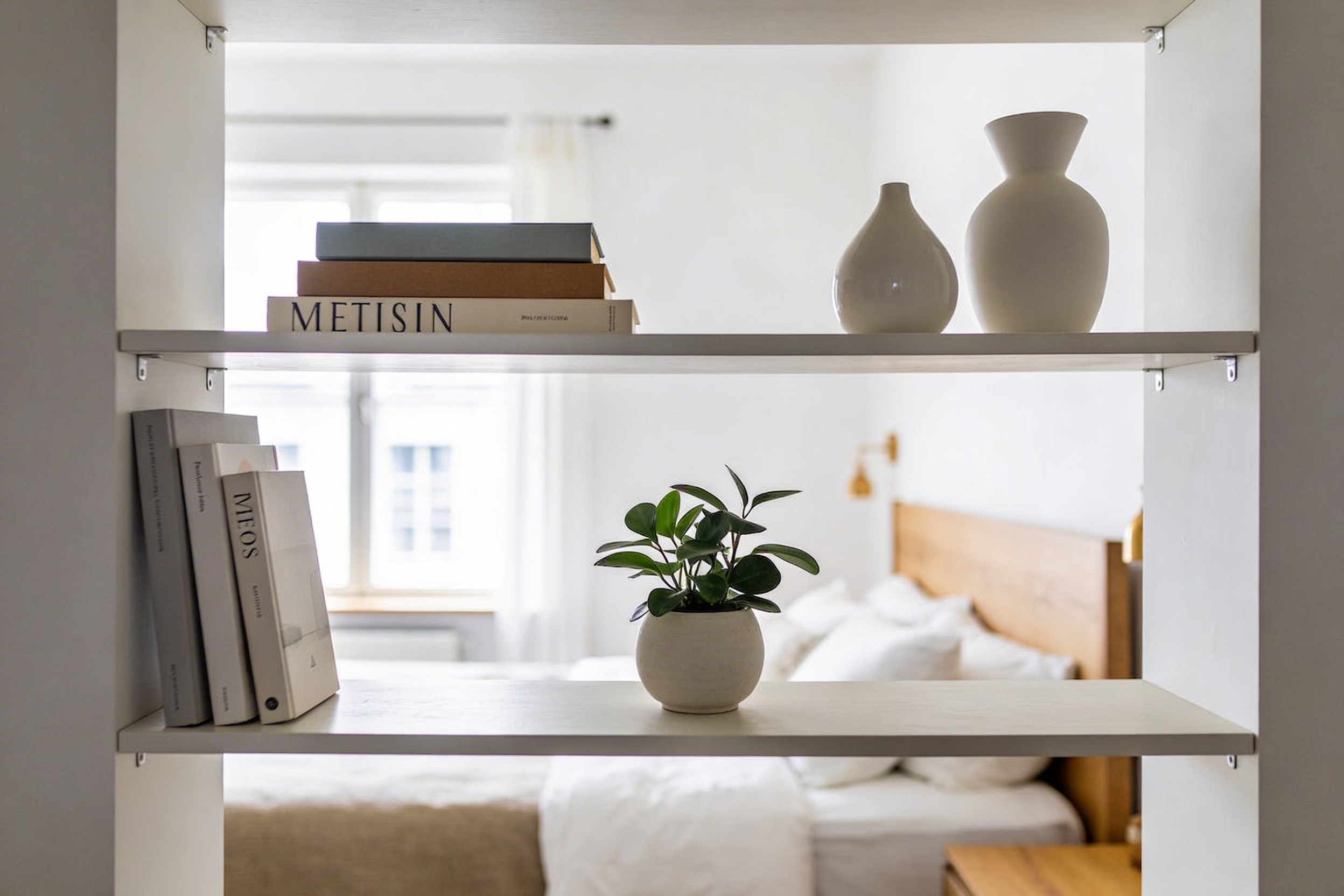
You know that shelf in your bedroom that’s currently holding a random collection of receipts, dusty books, and possibly a water glass from three weeks ago? Yeah, that one. It’s time to transform it from a glorified junk collector into an actual design feature that makes your bedroom look like it belongs in a magazine. And no, you don’t need to spend a fortune or possess some mystical interior design degree to pull it off.
Start With a Clean Slate (Yes, This Means Actually Cleaning)
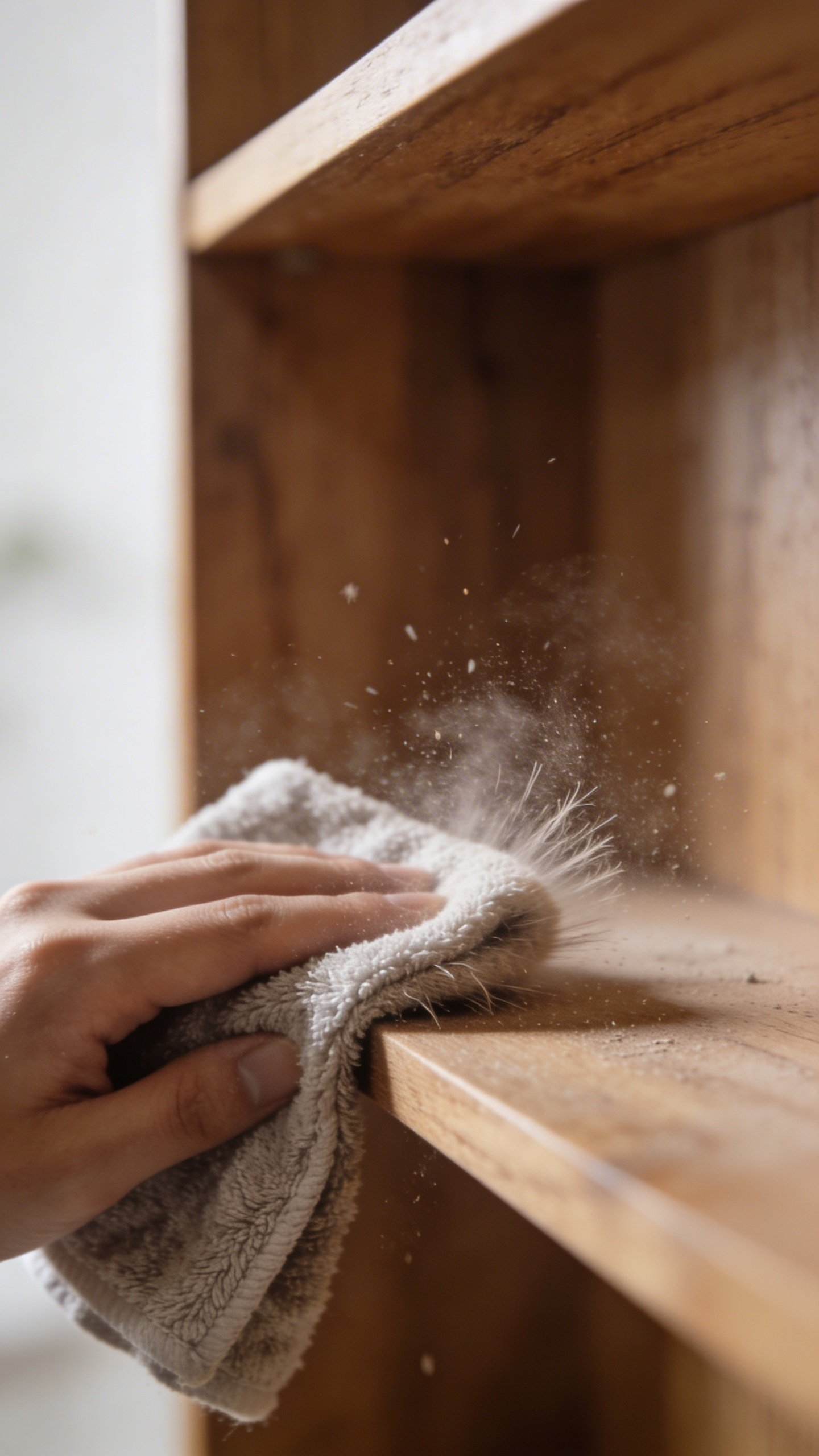
Before you start curating your shelf like it’s a museum exhibit, you need to clear everything off and give it a proper clean. I’m talking about actually wiping down the surface, dusting the sides, and maybe even touching up any scuffs if you’re feeling ambitious.
This blank canvas approach lets you see what you’re working with and prevents you from just shuffling the same clutter around into slightly prettier clutter. Trust me, your bedroom shelf doesn’t need that collection of takeout condiment packets, no matter how you arrange them.
Once you’ve got a clean shelf, take a moment to assess the space. How deep is it? How much vertical room do you have? These dimensions will determine what actually fits without looking like you crammed a department store onto a single shelf.
The Rule of Thirds Makes Everything Better
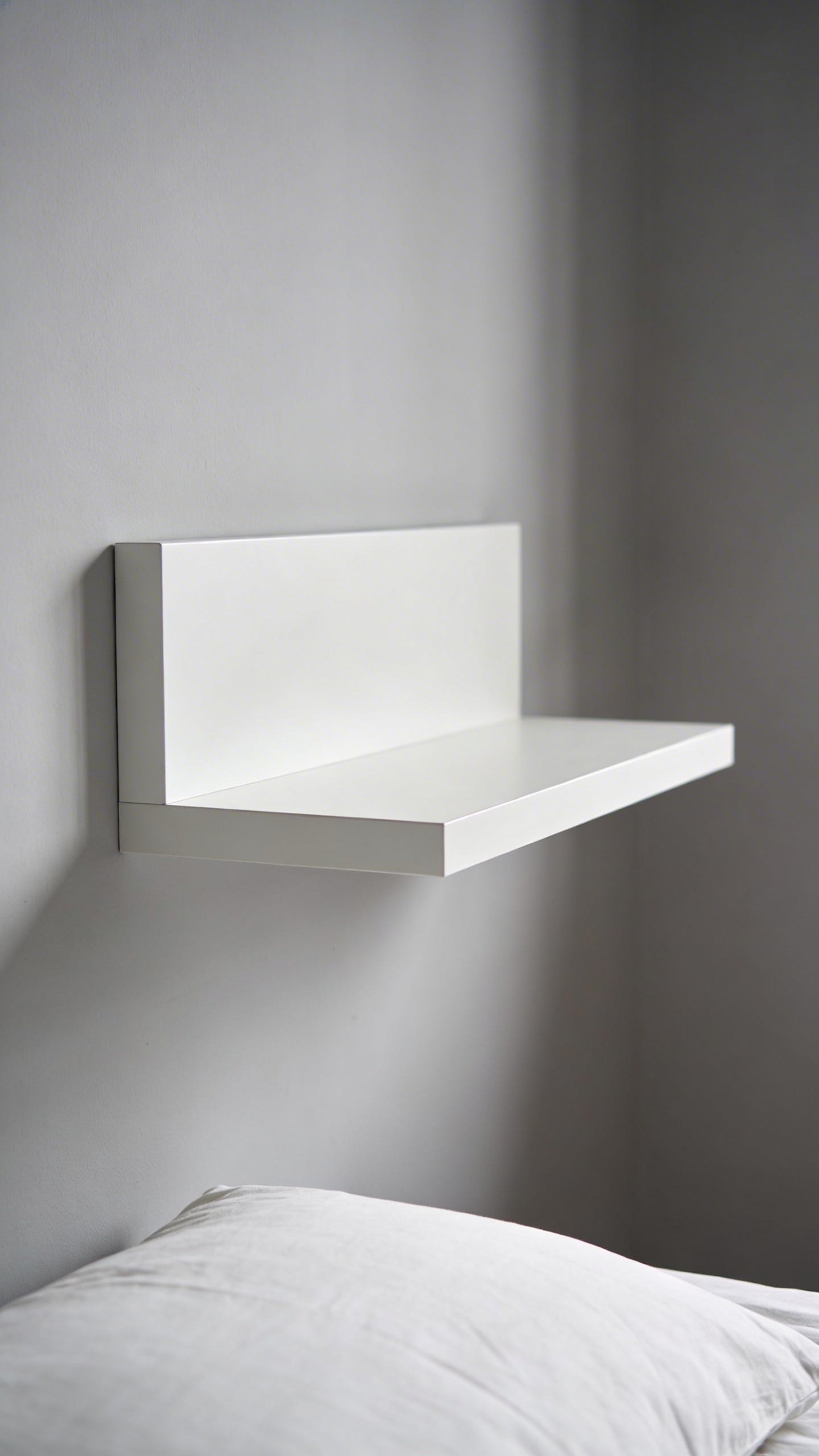
Here’s a secret that interior designers use everywhere: the rule of thirds. Basically, you want to mentally divide your shelf into three sections and create distinct vignettes in each area. This keeps things from looking too symmetrical and boring, but also prevents total chaos.
Think of it like this: one section might feature a stack of books, another could showcase a plant, and the third might hold a decorative object or photo frame. The key is variety in height, texture, and purpose.
You don’t need to be super rigid about this, but having that framework in your head helps when you’re standing there wondering why everything looks weird. Spoiler alert: it probably looks weird because you lined everything up like soldiers at attention.
Layer Your Items for Depth and Interest
Flat shelves look flat. Revolutionary concept, I know. To add dimension, you need to layer items at different depths. Place some things toward the back, some in the middle, and some near the front edge.
Lean artwork or mirrors against the wall behind other objects to create that collected-over-time look that screams “I definitely didn’t frantically style this before guests arrived.” Stack books horizontally and vertically to create different levels where you can perch smaller items.
This layering technique also makes your shelf look fuller without actually cramming more stuff onto it. It’s basically the decorating equivalent of strategic camera angles, and it works like a charm.
The Book Stack Strategy
Books are shelf MVPs because they’re functional and decorative. Stack three to five books horizontally to create a little pedestal for other objects. Choose books with spines or covers that match your bedroom’s color scheme.
Pro tip: nobody needs to know you picked these books purely for their aesthetics. That vintage medical encyclopedia? Looks amazing. Will you read it? Absolutely not, and that’s perfectly fine.
Mix Textures and Materials Like You’re Making a Salad
A shelf that’s all smooth ceramic or all rough wood gets boring fast. You want to combine different textures to keep the eye moving and interested. Think metal picture frames, woven baskets, glass vases, wooden boxes, and ceramic planters all playing together nicely.
This variety creates visual interest and makes your shelf look intentional rather than like you just grabbed whatever was lying around. Even though, let’s be honest, you probably did grab whatever was lying around. We all do it.
Natural materials work especially well in bedrooms because they create that calm, relaxing vibe you want when you’re trying to sleep. Wood, rattan, linen, and stone all bring warmth without making things feel cluttered.
Add Greenery Because Plants Fix Everything
A shelf without at least one plant is a missed opportunity, IMO. Plants bring life (literally) to your shelf and soften all those hard edges from books and frames.
Don’t have a green thumb? Join the club. Stick with low-maintenance options like pothos, snake plants, or ZZ plants that can survive your benign neglect. You can also absolutely use high-quality faux plants and nobody will judge you. Well, some people might judge you, but those people are exhausting.
Trailing Plants Are Your Friend
If your shelf has enough vertical clearance, trailing plants like pothos or string of pearls look incredible cascading over the edge. They add movement and that slightly wild, organic element that keeps things from looking too staged.
Just make sure you’re not creating a watering situation that’ll damage your shelf or the items on it. A little saucer under the pot goes a long way.
Personal Touches Make It Actually Yours
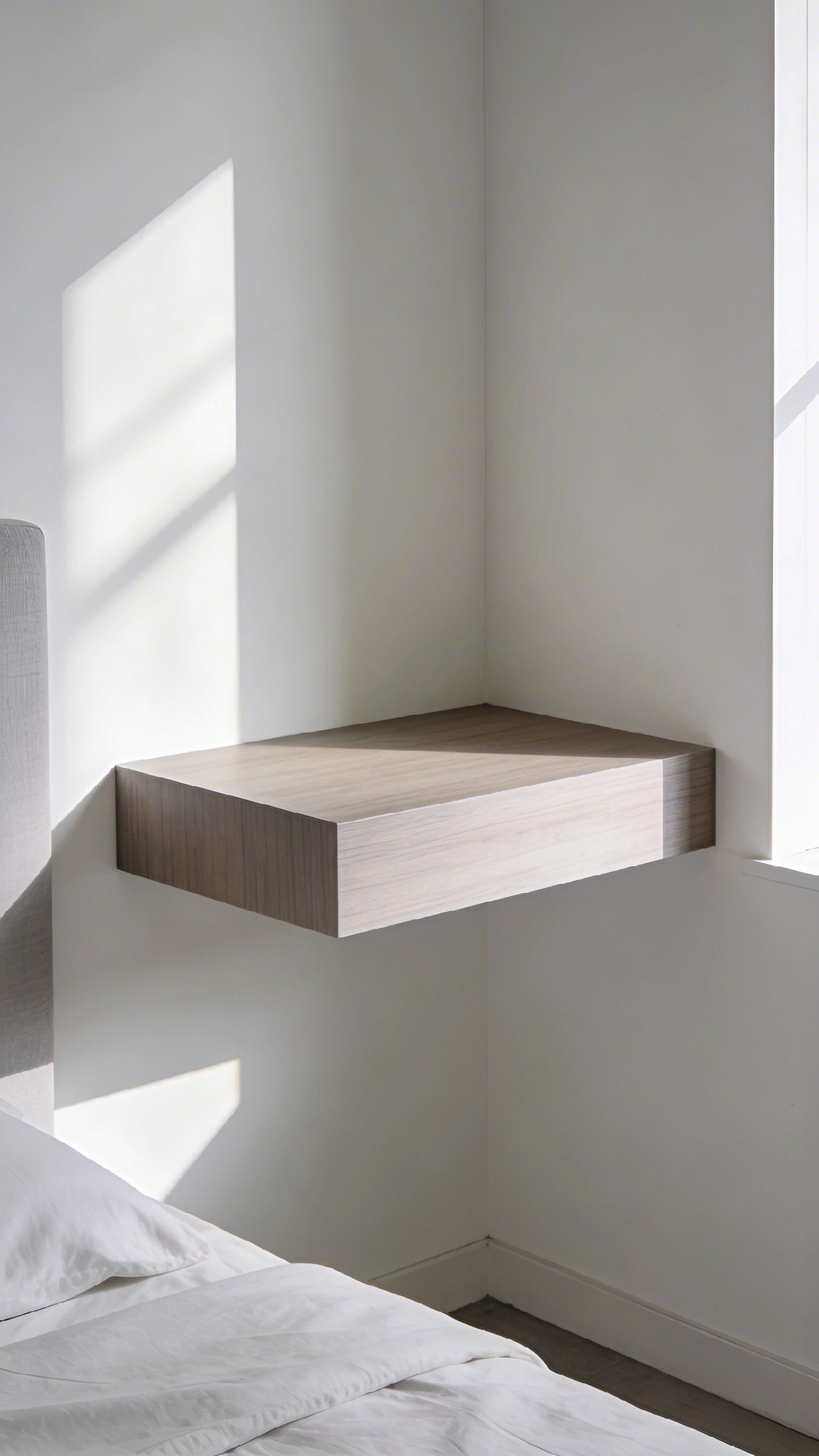
This is your bedroom, not a hotel room, so add some personality. Photos, meaningful souvenirs, handmade ceramics from that pottery class you took, or literally anything that makes you happy when you see it.
The items that tell your story are what transform a shelf from “nicely decorated” to “wow, this person actually lives here.” That weird rock you found on a hike? If you love it, display it. The vintage perfume bottle from your grandmother? Put it front and center.
Balance is key though. You want personal items mixed with purely decorative ones so it doesn’t look like you dumped out your memory box. Curate what you display and rotate items seasonally if you have lots of meaningful things competing for space.
Leave Some Breathing Room (AKA Negative Space)
Here’s where people mess up: they fill every single inch of shelf real estate. Don’t do this. Empty space is not your enemy; it’s actually what makes the things you do display stand out.
Think of negative space as the pause between sentences that makes the words matter more. Aim to keep about 30-40% of your shelf surface empty. This prevents visual clutter and gives your eye somewhere to rest.
When in doubt, take something off. You can always add more, but an overcrowded shelf just looks messy no matter how carefully you’ve arranged things. FYI, this is probably the hardest rule to follow because we all want to display ALL the things.
Lighting Can Make or Break Your Shelf Game
If your shelf sits in a dark corner, nobody’s going to appreciate your stellar decorating skills. Consider adding lighting to highlight your display and create ambiance in your bedroom.
Battery-operated LED puck lights stick right underneath shelves and illuminate everything below. String lights add a cozy vibe but can look college-dorm if you’re not careful. A small table lamp on the shelf itself works if you have the depth and electrical access.
The right lighting transforms your shelf from something you see during the day to a feature that glows beautifully at night. Plus, it’s way more relaxing than harsh overhead lights when you’re winding down for bed.
Frequently Asked Questions
How many items should I put on my bedroom shelf?
There’s no magic number, but a good starting point is 5-9 items or groupings for a standard shelf. This gives you enough to create visual interest without overwhelming the space. Remember that a “grouping” could be a stack of books with a small object on top, so you’re not limited to individual pieces. If your shelf looks crowded, remove items one at a time until it feels balanced.
Should I organize books by color or by size?
This totally depends on your vibe. Organizing by color creates an Instagram-worthy rainbow effect and makes a bold statement, while organizing by size looks more traditional and makes it easier to actually find books you want to read. You can also do a mix: stack some books horizontally by color and arrange others vertically by size. Whatever makes you happy when you look at it is the right answer.
How do I keep my shelf from looking too cluttered?
Stick to a simple color palette, use the rule of thirds, and leave plenty of negative space. Group similar items together rather than scattering them, and edit ruthlessly. If you’re questioning whether something belongs, it probably doesn’t. You can always store items elsewhere and rotate your display seasonally to keep things fresh without overcrowding.
What’s the best height to hang a bedroom shelf?
For a decorative shelf, eye level is your friend—typically around 57-60 inches from the floor. This makes it easy to appreciate your display without craning your neck. However, if you’re mounting shelves above a dresser or nightstand, leave at least 12-18 inches of clearance so you can actually use the surface below. Consider what you’ll place on the shelf before mounting it permanently.
Can I use floating shelves in a rental bedroom?
Absolutely, but you’ll need to patch and paint the holes when you move out. If that’s not your jam, consider freestanding shelf units or leaning ladder shelves that don’t require wall mounting. Some removable hanging systems claim to minimize wall damage, but they typically can’t support as much weight. Always check your lease about what kind of wall modifications you’re allowed to make.
How often should I change up my shelf styling?
Whenever you’re bored with it, honestly. Some people refresh their shelf displays seasonally, swapping in different colors or objects that match the time of year. Others find a setup they love and leave it for months or even years. A good middle ground is doing a minor refresh every few months by rotating a few items or rearranging what you have. This keeps things interesting without requiring constant effort.
Conclusion
Decorating a bedroom shelf isn’t rocket science, but it does require a bit of thought and experimentation. Start with the basics—clean your shelf, apply the rule of thirds, layer your items, and mix textures. Add plants for life, personal touches for meaning, and make sure you leave enough breathing room so everything can shine.
The best part? There’s no single “right” way to style a shelf. Your bedroom should reflect your personality, not some design rulebook. So grab what you love, play around with arrangements until something clicks, and don’t stress if it takes a few tries to get it right. Your shelf didn’t become a junk magnet overnight, and it won’t transform into a design masterpiece instantly either. But with these tips, you’re definitely on your way to having a bedroom that looks put-together and feels authentically you.