
How to Decorate a Guest Bedroom Without Going Broke
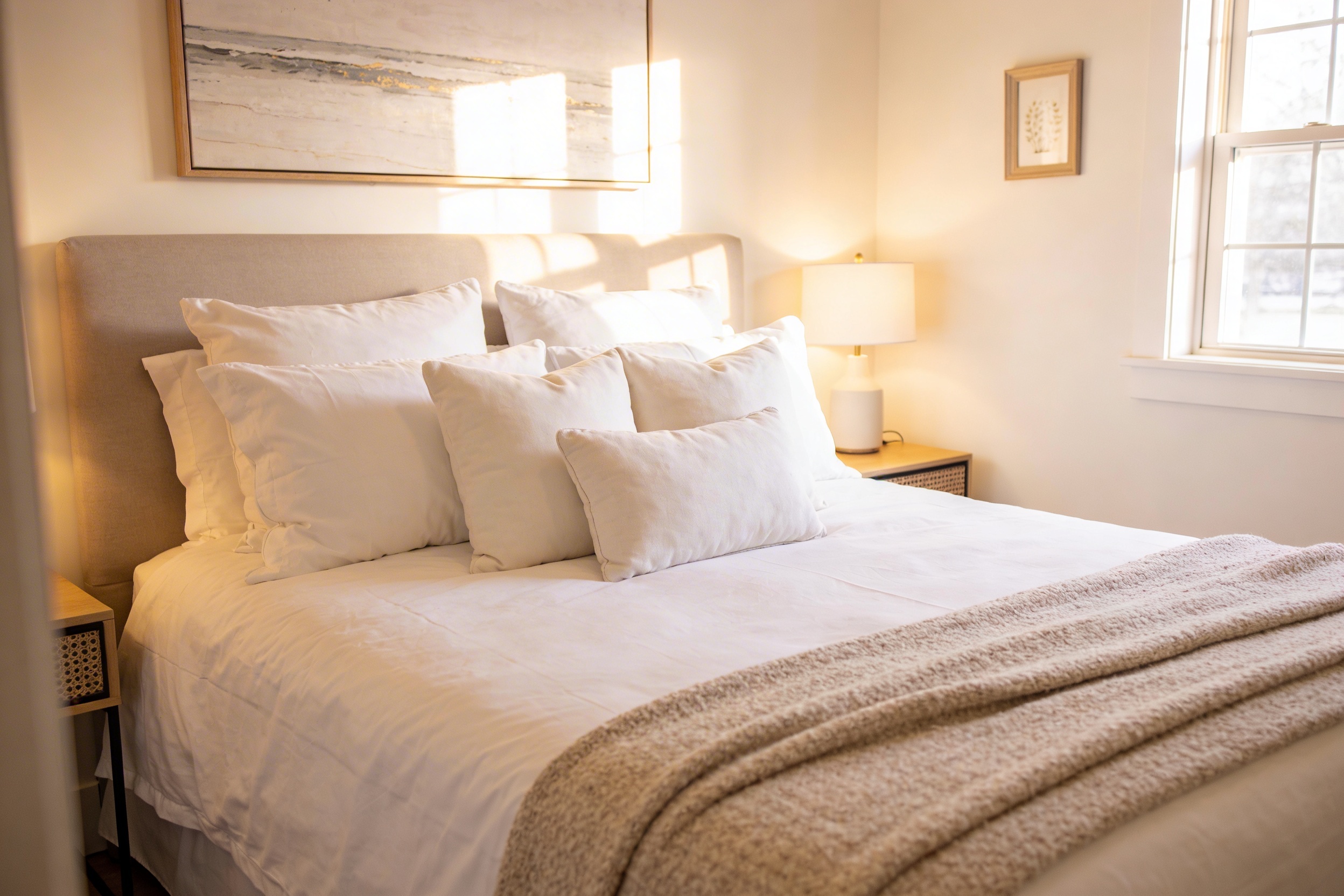
You know that room in your house that’s been collecting random junk for the past three years? Yeah, that one. It’s time to transform it into an actual guest bedroom instead of pretending your aunt won’t notice the treadmill covered in laundry when she visits. Creating a welcoming space for guests doesn’t require an interior design degree or a massive budget—just some thoughtful planning and a little elbow grease.
Start With a Comfortable Bed (Seriously, This Isn’t Optional)
Let’s be real: everything else in the room could be perfect, but if your guests wake up feeling like they wrestled a bear all night, you’ve failed. The bed is the star of the show, so invest your energy here first.
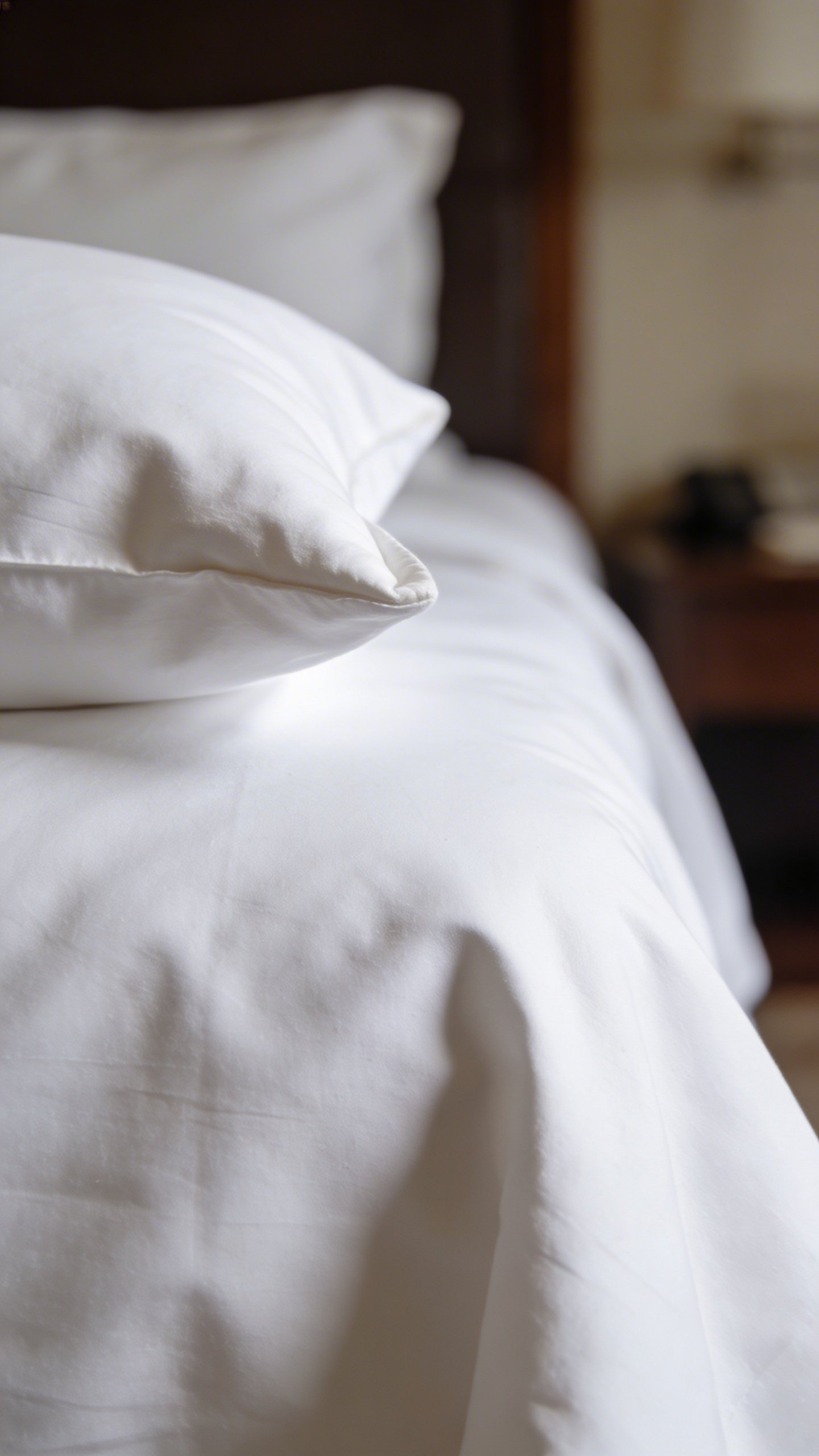
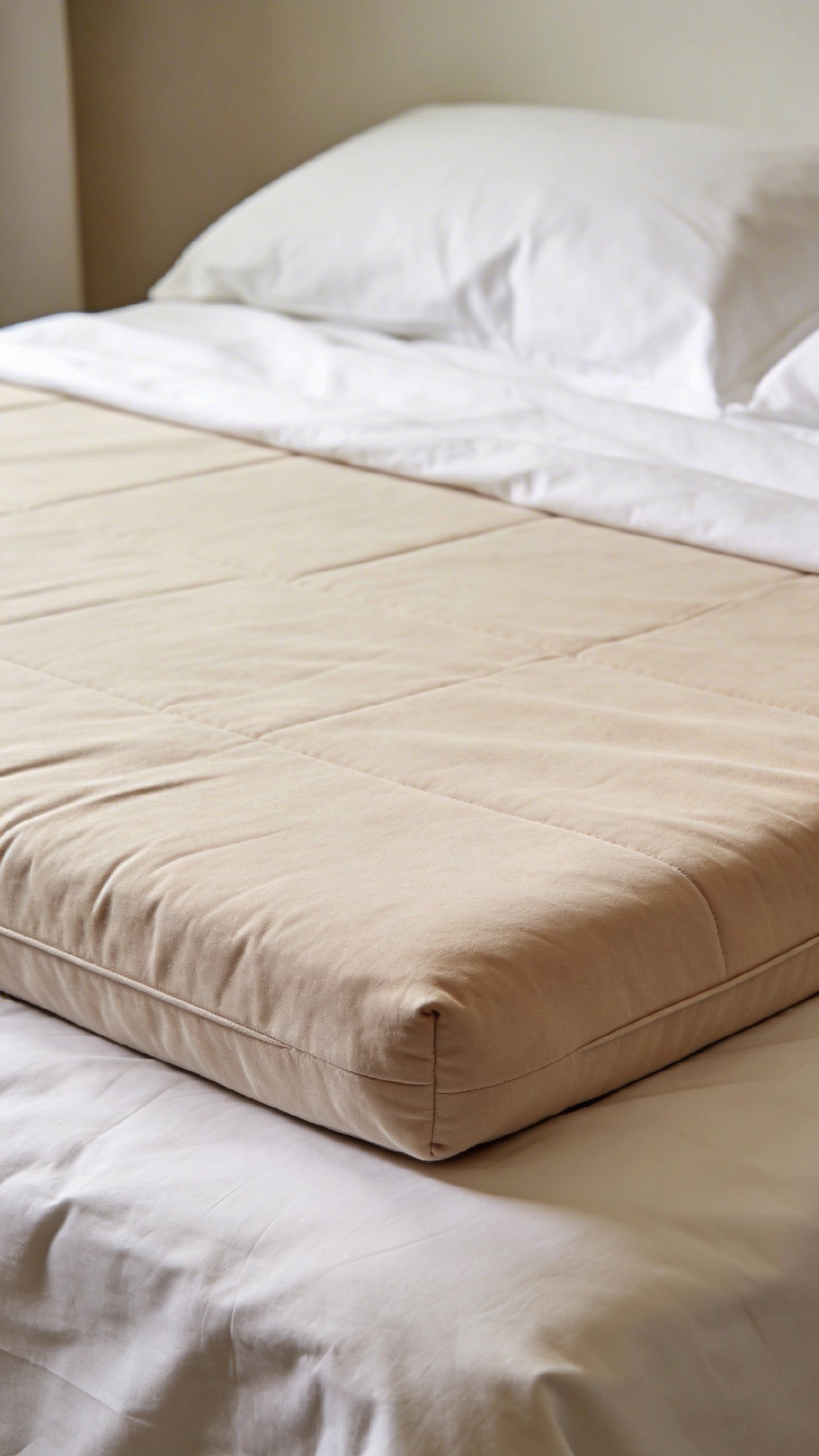
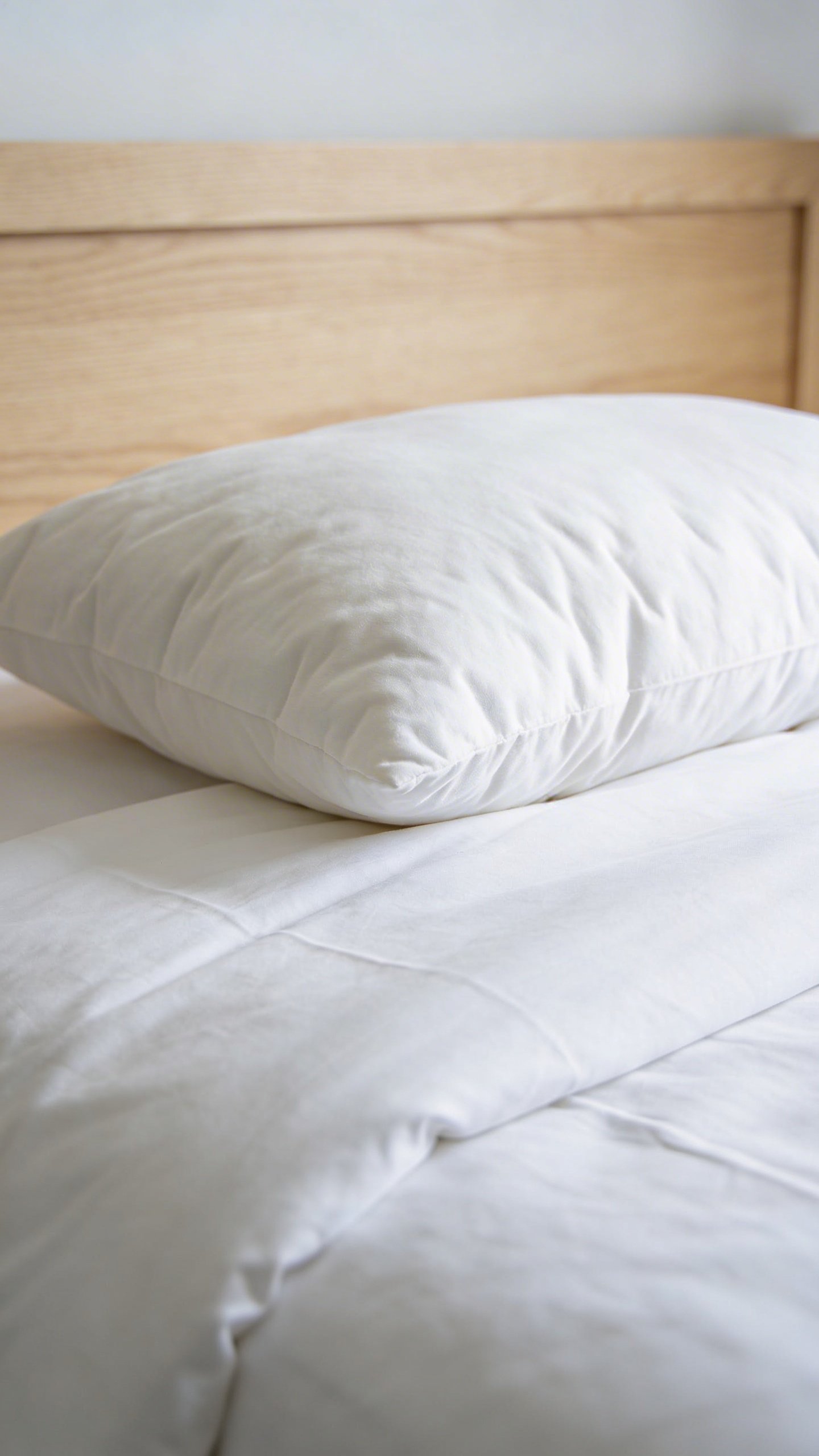
You don’t need to drop thousands on a mattress, but you do need something better than that hand-me-down futon from your college days. A quality mattress topper can work wonders if you’re working with a budget. Layer on some crisp, clean sheets—white or neutral colors make the room feel hotel-like—and pile on the pillows. Nobody has ever complained about too many pillows.
The Bedding Sweet Spot
Here’s what you actually need: fitted sheet, flat sheet, a duvet or comforter, at least four pillows (two firm, two soft), and a throw blanket. The throw isn’t just decorative—different people sleep at different temperatures, and your guest will appreciate the options. FYI, keeping everything in a neutral palette makes mixing and matching way easier when you inevitably need to replace pieces.
Clear Out the Clutter (No, Your Guests Don’t Want to See Your Tax Returns from 2015)
Before you even think about pretty throw pillows, you need to evict whatever’s currently living in this room. Your childhood trophies? Storage unit. That exercise bike you swore you’d use? Craigslist. Be ruthless.
A guest bedroom should feel like a clean slate, not a storage locker with a bed shoved in the corner. Your guests need somewhere to put their suitcase, hang their clothes, and set down their phone without moving a stack of mystery boxes first.
Create actual storage solutions for them: empty at least half the closet, clear out two or three dresser drawers, and make sure there’s a luggage rack or bench where they can live out of their suitcase without bending over every time they need clean socks.
Lighting Can Make or Break the Vibe
Overhead lighting alone is the enemy of coziness. You wouldn’t want to hang out in an interrogation room, so don’t make your guests feel like they’re in one either.
Layer your lighting with at least three sources: overhead for general illumination, bedside lamps for reading (one on each side if it’s a double bed), and maybe a floor lamp or accent light to soften things up. Dimmer switches are your best friend here—they let guests customize the mood from “wide awake” to “ready to pass out.”
The Nightstand Essentials
Each bedside table needs a lamp with a switch guests can reach without performing gymnastics. Add a charging station or at least an accessible outlet, a small dish for jewelry or pocket stuff, and maybe a coaster. Bonus points for a water carafe with a glass—nothing says “I thought of everything” like not making your guest stumble to the kitchen at 2 AM when they’re thirsty.
Pick a Color Scheme and Stick With It
You don’t need to be Picasso here. In fact, guest bedrooms work best when you keep things simple and calming. Think spa vibes, not circus tent.
Neutrals are your safe bet: soft grays, warm beiges, gentle blues, or muted greens. These colors work with pretty much any decor style and won’t clash with whatever bedding you already own. Add pops of color through accessories like throw pillows, artwork, or a cozy throw blanket, but keep the walls and large furniture pieces neutral.
IMO, this is also the one room where you can be a bit more boring with your choices—and that’s actually a good thing. Your guests aren’t moving in; they just need a peaceful place to crash.
Add Personal Touches (Without Making It Weird)
A completely sterile room feels unwelcoming, but covering every surface with family photos is also… a choice. Find the middle ground with thoughtful details that make guests feel cared for without creeping them out.
Fresh flowers or a small plant bring life to the space. A few carefully chosen books on the nightstand give guests something to flip through if they can’t sleep. A full-length mirror is super practical—everyone wants to check their outfit before heading out.
Consider these thoughtful additions:
- A basket with extra toiletries: travel-sized shampoo, toothpaste, lotion
- Extra phone chargers in common formats
- A small clock (not everyone wants to check their phone for the time)
- Tissues and a small trash can
- A robe and slippers if you’re feeling fancy
- Information sheet with WiFi password and any house quirks
Window Treatments That Actually Work
Here’s something people forget: your guests need to sleep past sunrise, and they also might want to change clothes without giving the neighbors a show. Window treatments aren’t optional—they’re essential.
Blackout curtains or lined drapes are worth the investment. Even better? Layer them with sheer curtains underneath. This gives guests privacy during the day while still letting in natural light, then complete darkness at night when they want to sleep.
Make sure the curtains actually close all the way. You know what’s annoying? A gap right in the middle where the streetlight shines directly onto your face at 6 AM. Test them yourself before declaring victory.
Temperature Control and Air Quality
Nothing ruins a guest’s stay faster than being too hot, too cold, or breathing stuffy air. You can’t control the weather, but you can give your guests options.
If the room has its own thermostat, amazing. Leave clear instructions on how to use it. If not, provide a fan for summer and an extra blanket for winter. A small air purifier or at least opening the windows before guests arrive keeps the air fresh and removes any mustiness from the room sitting empty most of the year.
Quick tip: actually sleep in this room yourself before hosting anyone. You’ll immediately notice if it’s weirdly hot, if street noise is a problem, or if that overhead light buzzes like an angry wasp. Fix these issues before your mother-in-law discovers them.
Frequently Asked Questions
How much should I spend on decorating a guest bedroom?
Honestly? However much you’re comfortable with. You can create a welcoming space for a few hundred bucks with smart shopping, or you can go all out. Focus your budget on the bed and bedding first—that’s where it matters most. Everything else you can thrift, DIY, or buy gradually. Your guests care way more about comfort than whether you bought that nightstand at IKEA or some fancy boutique.
What’s the minimum furniture I need for a guest bedroom?
You absolutely need a bed, at least one nightstand with a lamp, and somewhere for guests to hang clothes. Everything else is gravy. If you’re tight on space, a dresser can double as a TV stand, and a chair can hold a suitcase. Don’t overcrowd a small room trying to fit everything—empty space is better than a furniture obstacle course.
Should I put a TV in the guest bedroom?
This depends on your space and budget, but it’s definitely not required. Many guests actually appreciate the chance to unplug. If you do include one, make sure it works, keep the remote nearby, and maybe leave a note about how to use it if it’s complicated. Nothing’s worse than playing “guess which input” at midnight.
How can I make a small guest bedroom feel bigger?
Use light colors on the walls, hang curtains high and wide to make windows look larger, and choose furniture with legs rather than pieces that sit flat on the floor. A mirror strategically placed across from a window reflects light and creates depth. Also, less is more—don’t cram in furniture just because you have it. A tidy, minimalist small room beats a cluttered one every time.
What if I don’t have a full room to dedicate as a guest bedroom?
Get creative with multi-purpose spaces. A home office can double as a guest room with a sleeper sofa or Murphy bed. Even a finished basement corner can work with the right setup. The key is making sure guests have privacy, a comfortable place to sleep, and somewhere to stash their stuff. You don’t need a massive dedicated suite to be a good host.
How often should I refresh the guest bedroom?
Wash all the bedding before each guest arrives—this is non-negotiable. Dust and vacuum the room at least monthly even when it’s empty to prevent that musty unused-room smell. Swap out seasonal items like heavy blankets or fans as needed. Do a deeper refresh of paint, decor, and furniture whenever things start looking tired, probably every few years depending on how much use the room gets.
Wrapping It Up
Creating a great guest bedroom really comes down to putting yourself in your guests’ shoes (or slippers, as it were). Think about what you appreciate when staying somewhere: a comfortable bed, enough light, a place for your stuff, and some basic privacy. Nail those fundamentals, add a few thoughtful touches, and you’ll have people actually looking forward to visiting instead of booking a hotel. And hey, once it’s all set up, you’ve also created a perfect retreat for yourself when you need to escape from the rest of the household. Just saying.