
How to Create a Peaceful Home Environment (Finally)
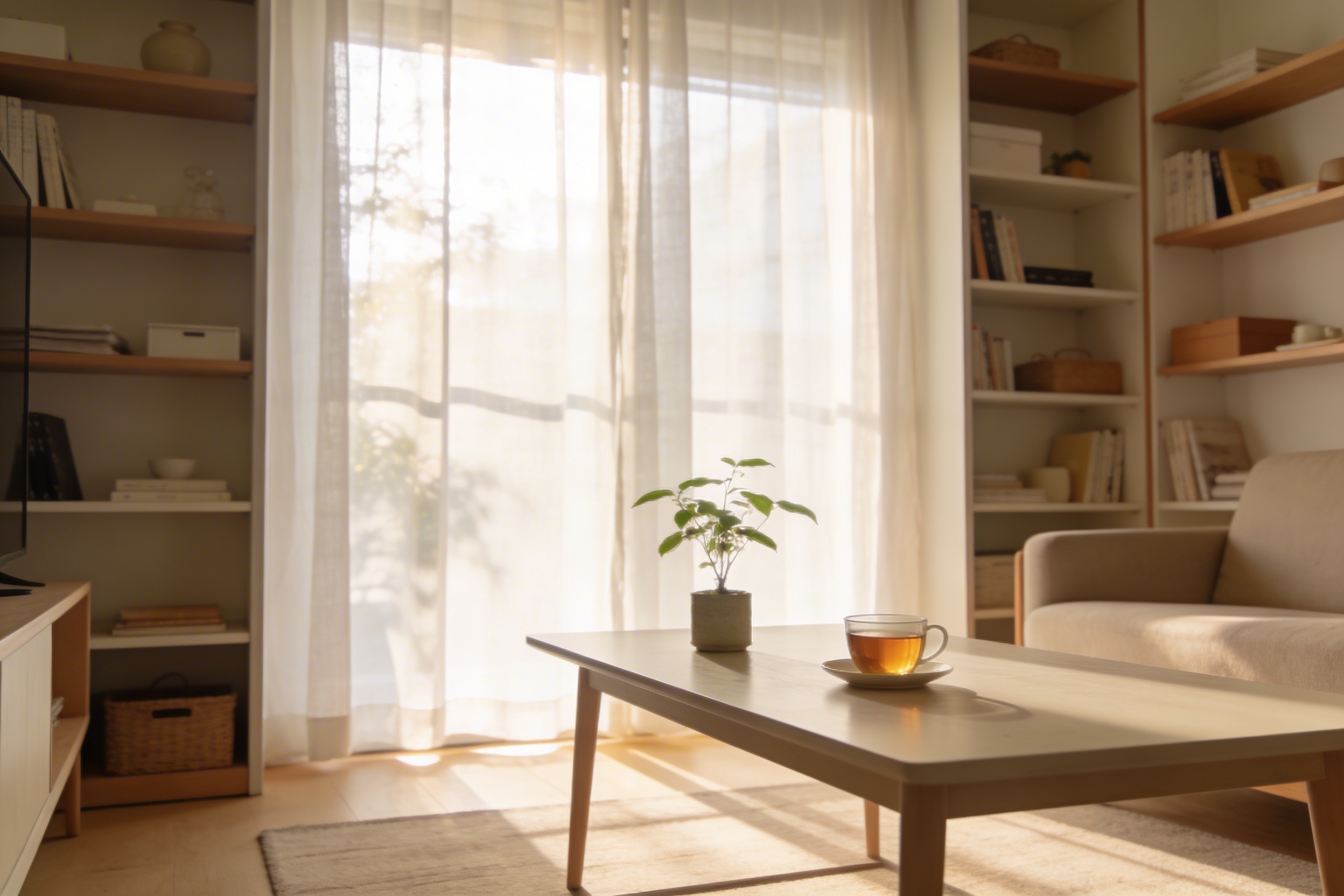
Your home should be your sanctuary, not another source of stress. But let’s be real—between cluttered countertops, buzzing notifications, and that pile of laundry that’s achieved sentience, creating a peaceful environment feels like trying to meditate at a rock concert. The good news? You don’t need to Marie Kondo your entire life or drop a fortune on minimalist furniture to transform your space into a calming retreat.
Declutter Without the Drama
Look, I’m not going to tell you to throw away everything you own and live like a monk. But that stack of mail from three months ago? The seventeen coffee mugs breeding in your sink? They’re literally stealing your peace.
Start with one surface at a time. Clear your kitchen counter today, your nightstand tomorrow. Don’t overwhelm yourself with a whole-house purge that’ll leave you exhausted and surrounded by garbage bags you’ll never sort through.
Here’s the thing about clutter: it’s not just physical mess. Every item in your line of sight is a tiny decision your brain has to process. “Do I need to deal with this? Is this important? Why is this here?” Multiply that by a hundred random objects, and no wonder you feel mentally fried when you walk through your door.
The “Touch It Once” Rule
This one changed my life, honestly. When you bring something into your home—mail, groceries, new purchases—deal with it immediately instead of creating a “temporary” pile that becomes permanent. Open the mail, recycle the junk, file what matters. Put the groceries away instead of leaving bags on the counter. Your future self will thank you.
Control the Sensory Chaos
Ever notice how you feel completely different in a dim, quiet coffee shop versus a bright, loud one? Your home environment hits all your senses constantly, and most of us never think about optimizing it.
Lighting makes a massive difference. Harsh overhead lights are basically the enemy of relaxation. Invest in some warm-toned lamps, use dimmer switches, or even grab some smart bulbs you can adjust throughout the day. Morning brightness to wake up, evening warmth to wind down.
Sound is equally important. If you live on a busy street or have loud neighbors (my condolences), consider a white noise machine or a small fountain. The gentle, consistent sound masks the unpredictable noises that jack up your stress levels. Plus, there’s something inherently calming about water sounds that just works.
Scent Matters More Than You Think
Your nose is directly wired to the emotional center of your brain, which is why certain smells instantly transport you back to childhood or make you feel relaxed. Use this to your advantage!
Essential oil diffusers, candles, or even just opening windows for fresh air can completely shift your home’s vibe. Lavender, chamomile, and vanilla are scientifically proven to reduce stress. But honestly, whatever scent makes you feel good is the right choice.
Create Tech-Free Zones
I know, I know. You’re reading this on a device right now, and I’m not suggesting you go full Luddite. But hear me out: your bedroom should not be a second office, and your dining table shouldn’t be a laptop stand.
Designating certain spaces as tech-free zones gives your brain permission to actually relax. Your bedroom becomes associated with sleep instead of scrolling through work emails at midnight. Your kitchen table becomes a place for actual meals and conversations instead of another workstation.
FYI, this includes the TV. I get that some people genuinely relax watching shows, but having a screen constantly on in the background creates low-level stimulation that prevents deep relaxation. Try having at least one room that’s completely screen-free. You might surprise yourself with how much you appreciate it.
Bring Nature Inside

Humans aren’t meant to live in concrete boxes surrounded by plastic and screens. We’re wired to respond positively to natural elements, which is why even small touches of nature can drastically improve your home’s peaceful vibe.
Plants are the obvious choice here, and they don’t have to be complicated. Snake plants and pothos are practically indestructible and still clean your air and look great. Start with one or two and see how you feel.
Natural materials matter too. Swap some synthetic stuff for wood, cotton, linen, or wool when you can. It doesn’t need to be expensive—a wooden cutting board, cotton throw blanket, or linen napkins all count. These materials feel better, look warmer, and create a more grounded atmosphere than their plastic counterparts.
Let There Be (Natural) Light
Open your curtains during the day! Natural light regulates your circadian rhythm, boosts mood, and makes spaces feel larger and more welcoming. If privacy is a concern, sheer curtains give you both light and coverage.
Establish Peaceful Routines
A peaceful home isn’t just about the physical space—it’s about what happens in that space. Creating calming routines turns your home into a predictable, safe haven instead of just another chaotic location.
Start with a simple evening wind-down routine. Maybe it’s lighting a candle while you wash dishes, playing soft music during dinner prep, or spending ten minutes tidying before bed. These small rituals signal to your brain that it’s time to shift gears.
Morning routines matter too. Instead of immediately doom-scrolling your phone, try opening windows, making coffee mindfully, or sitting quietly for five minutes. How you start your day in your home sets the tone for everything else.
Design for Comfort, Not Instagram
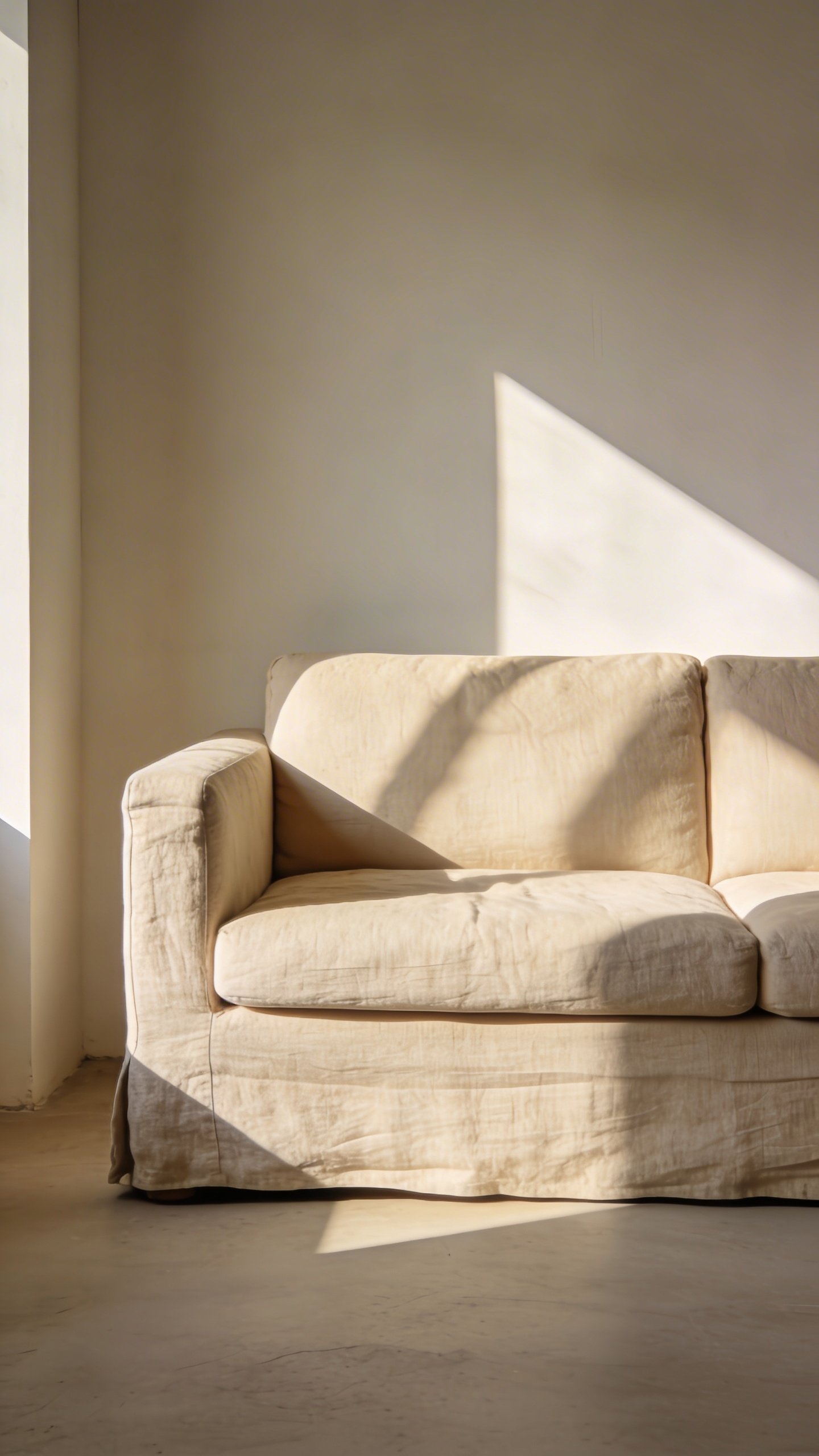
Here’s some real talk: those perfectly styled homes on social media often aren’t actually comfortable to live in. White couches with three perfectly arranged pillows? Beautiful, sure. Peaceful to actually use? Not so much.
Your home should work for your real life, not some idealized version of it. If you have kids, pets, or just enjoy eating snacks on the couch (guilty), design for that reality. Washable slipcovers, durable surfaces, and furniture you don’t stress about using—that’s what creates actual peace.
IMO, a slightly “imperfect” home that you can fully relax in beats a showroom you’re afraid to touch. Function over form doesn’t mean sacrificing style; it just means being honest about what you actually need.
Frequently Asked Questions
How do I create a peaceful home when I live with messy roommates or family members?
Focus on what you can control. Create peace in your personal spaces—your bedroom, a corner desk, wherever you can claim. Have honest conversations about shared spaces and try to establish basic systems everyone can follow, like a “reset the kitchen before bed” rule. You can’t force others to change, but you can control your reaction and your own space.
What’s the quickest way to make my home feel more peaceful right now?
Clear one surface completely and light a candle. Seriously, that’s it. A clean kitchen counter or coffee table with nothing but maybe one plant or candle immediately shifts the energy. Takes maybe ten minutes and costs nothing if you already have a candle lying around.
Do I really need to get rid of stuff I might use someday?
If you haven’t used it in a year and it’s not seasonal or sentimental, you probably won’t use it. But don’t stress about being perfect. Start by removing things you definitely don’t want or need. The “maybes” can wait until you’re ready. Decluttering isn’t all-or-nothing.
How can I make a small apartment feel peaceful instead of cramped?
Maximize natural light, use mirrors to create depth, and embrace vertical storage to keep floors clear. Also, less is genuinely more in small spaces—fewer, larger pieces feel more spacious than lots of small items. Keep surfaces as clear as possible, which reduces visual clutter even when square footage is limited.
Is it worth investing in expensive organizational systems?
Not necessarily. Simple solutions often work better than complicated systems you won’t maintain. Baskets, hooks, and basic shelving from budget stores work just fine. Spend money on things that genuinely improve your daily life—a comfortable chair, good lighting, quality bedding—rather than fancy label makers and matching containers.
How do I maintain a peaceful home once I’ve created it?
Build maintenance into your daily routine with small habits. Ten-minute evening tidy, dealing with mail immediately, putting things back after using them. It’s way easier to maintain peace than to constantly recreate it from chaos. Also, be realistic—life happens, things get messy, and that’s okay. Just reset when you can.
Conclusion
Creating a peaceful home environment isn’t about achieving some impossible standard of perfection. It’s about making intentional choices that support your actual life and wellbeing. Start small, focus on what bothers you most, and remember that your home should serve you—not the other way around.
You don’t need a complete renovation, a massive budget, or even a whole weekend. Just pick one thing from this article that resonated with you and try it today. Clear that counter. Light that candle. Open those curtains. Peace builds gradually, one small choice at a time.