
How to Build an Outdoor Kitchen Without Regrets
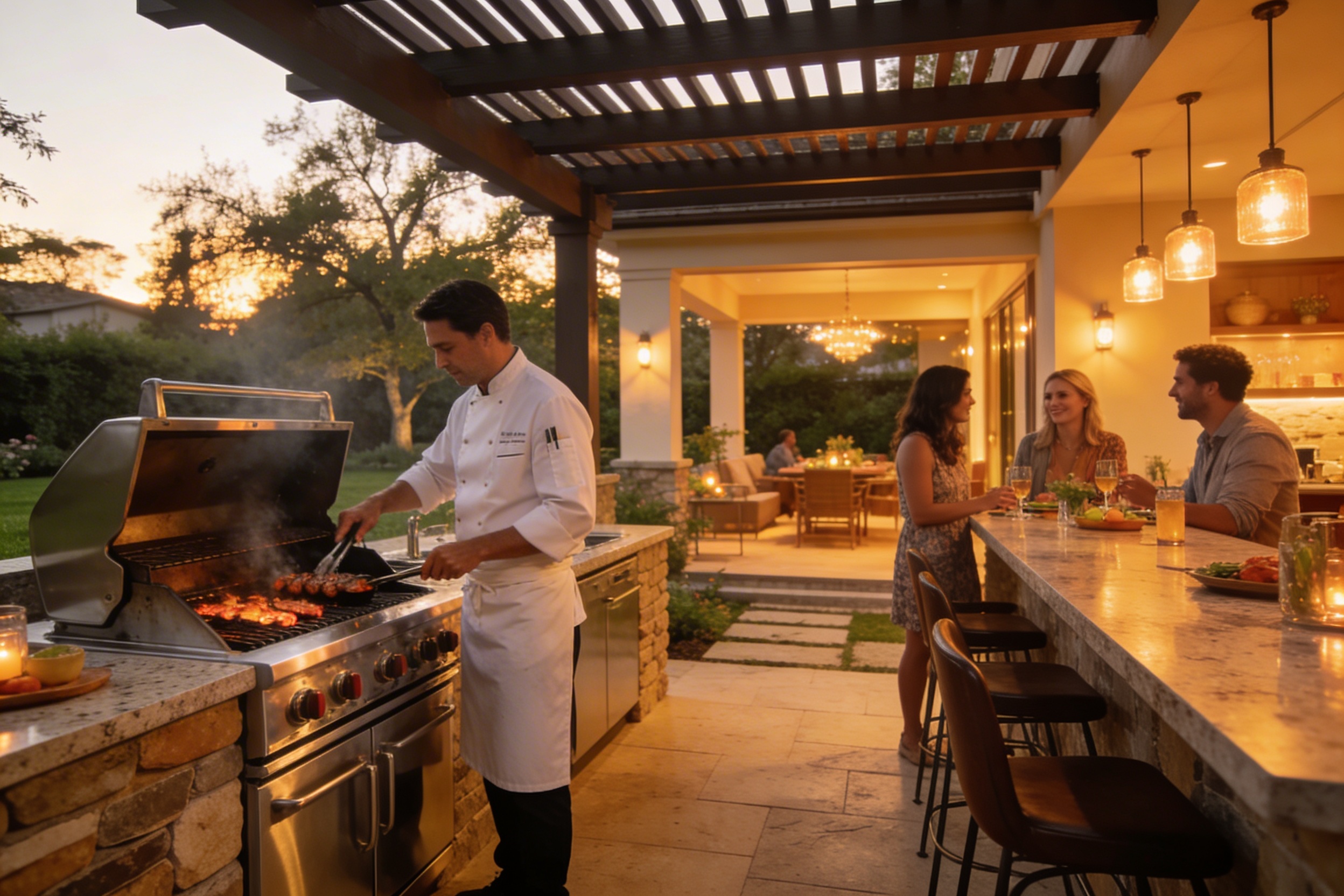
Picture this: you’re flipping burgers in your cramped kitchen while your guests enjoy the sunshine outside, and you’re stuck missing the party. Sound familiar? An outdoor kitchen solves that problem and takes your backyard entertaining to the next level. Plus, let’s be honest, cooking outside just makes everything taste better.
Planning Your Outdoor Kitchen Layout
Before you start hauling appliances into your yard, take a breath and actually plan this thing out. Trust me, moving a built-in grill because you didn’t think about wind direction is not fun.
Start by figuring out where you’ll actually use this space. You want it close enough to your indoor kitchen that you’re not hiking back and forth for forgotten ingredients, but far enough that smoke doesn’t billow through your living room windows. About 15-20 feet from your house usually hits the sweet spot.
Think about the work triangle concept from indoor kitchens. You’ll want your grill, prep area, and refrigerator forming a comfortable triangle so you’re not doing laps around your patio. Keep everything within a few steps of each other, and your cooking experience will flow much smoother.
Consider the Elements
Mother Nature doesn’t care about your BBQ plans, so position your kitchen strategically. Face your cooking area away from prevailing winds unless you enjoy smoke in your eyes. Morning sun is great for breakfast prep, but afternoon western sun can turn your cooking zone into a solar oven.
Also, check your local codes before you commit to a location. Some municipalities have specific distance requirements from property lines, and you definitely don’t want to rebuild because you didn’t do your homework.
Choosing Your Essential Appliances
Here’s where things get fun. You could go absolutely wild with appliances, but let’s focus on what you’ll actually use more than twice a year.
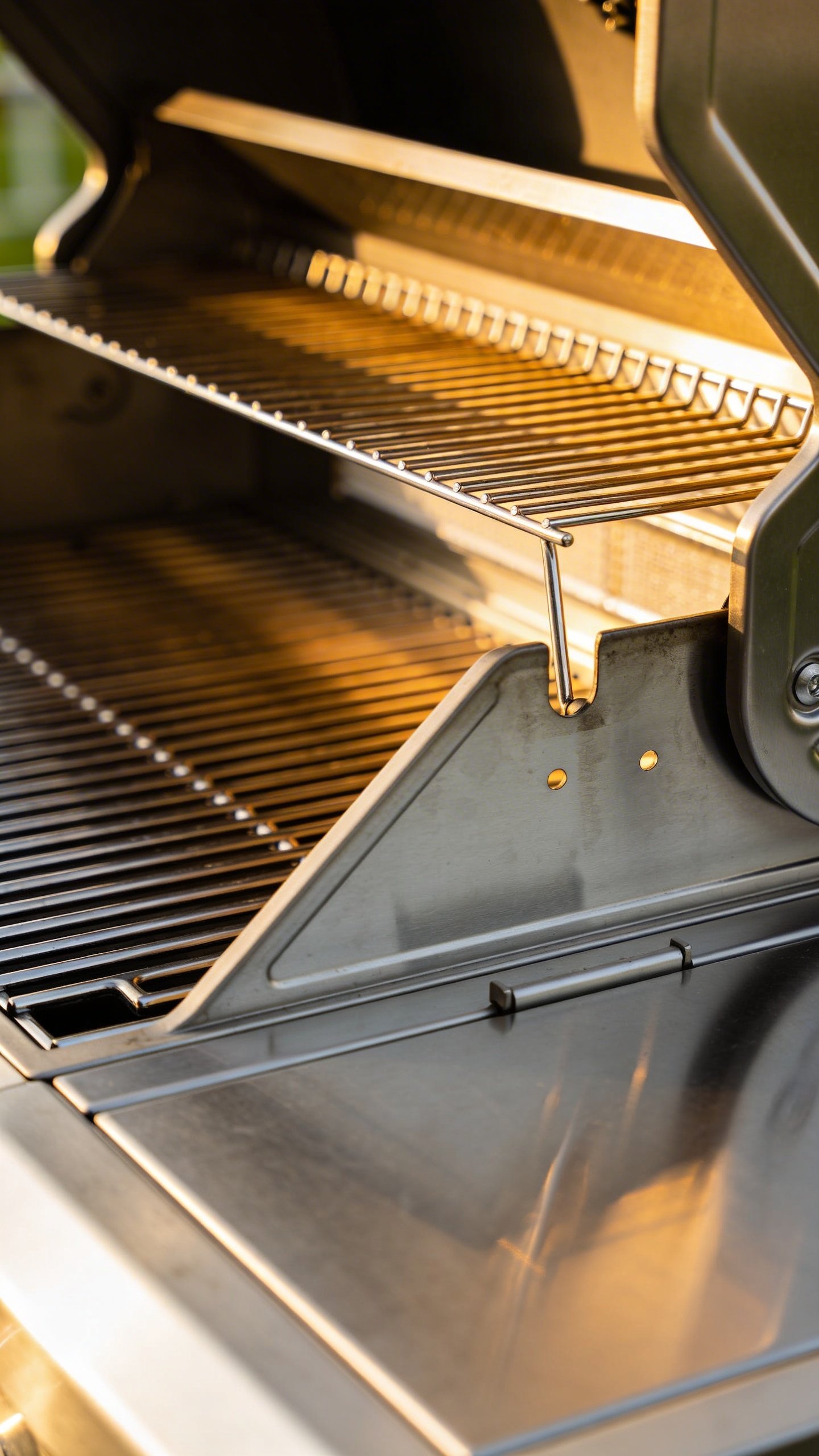
The grill is obviously non-negotiable. You’ve got options here: gas grills offer convenience, charcoal brings that smoky flavor, and pellet grills split the difference. For outdoor kitchens, most people go with built-in gas or a kamado-style ceramic grill. Size matters too – if you regularly feed a crowd, don’t cheap out on BTUs or cooking surface.
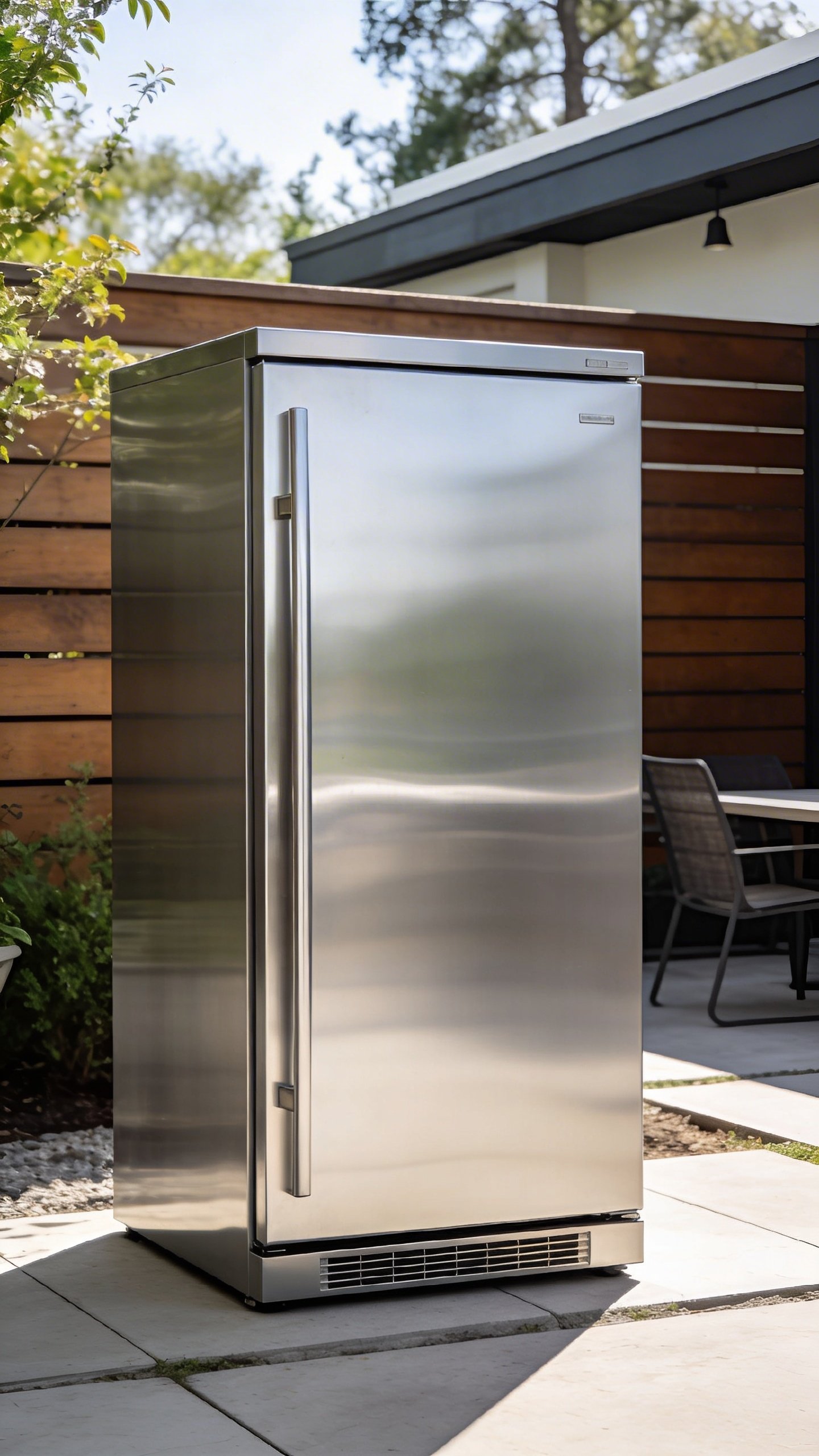
A refrigerator designed for outdoor use changes everything. No more running inside every five minutes. Make sure it’s actually rated for outdoor temperatures though. Regular indoor fridges will die a quick death in the elements.
Here’s what else you might want to consider:
- Side burners for sauces and side dishes
- Pizza ovens (game-changer, IMO)
- Warming drawers for keeping food at temp
- Ice makers for serious entertainers
- Smokers if you’re into low and slow cooking
Selecting Materials That Last
Nothing’s sadder than an outdoor kitchen that looks great in May and falls apart by September. You need materials that can handle whatever weather throws at them.
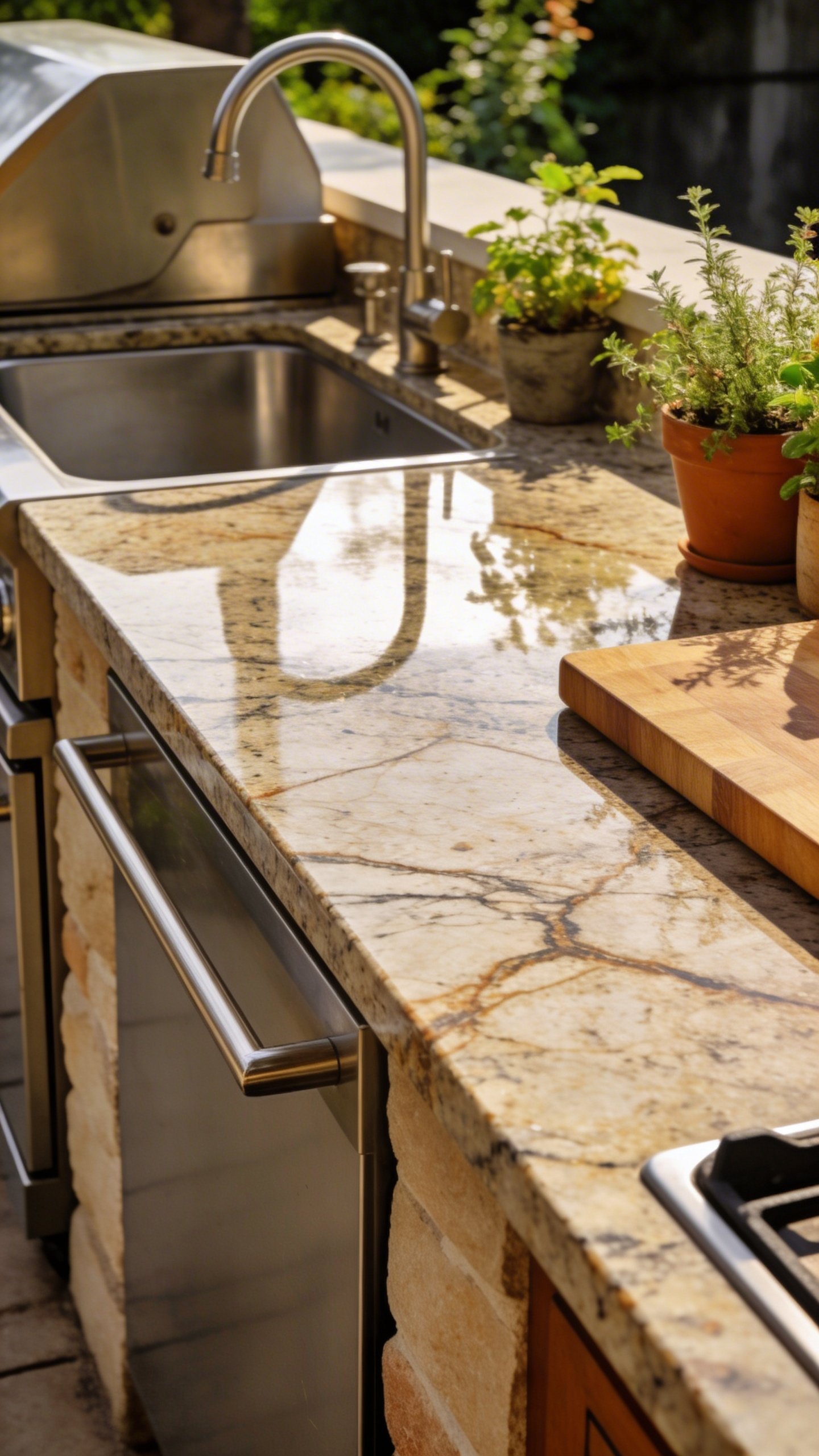
For countertops, granite and concrete are your best friends. They handle heat, cold, and that beer your buddy inevitably spills. Tile works too but can crack in freeze-thaw cycles. Steer clear of laminate unless you enjoy replacing countertops annually.
Cabinetry and Storage
Regular wood cabinets outdoors? That’s basically building a rodent hotel with extra mold. Go with stainless steel, polymer, or marine-grade materials designed to handle moisture and temperature swings.
If you’re dead set on a wood look, use materials specifically rated for marine or outdoor use. And FYI, even those need regular sealing and maintenance.
Building the Foundation and Structure
You wouldn’t build a house on dirt, so don’t build your outdoor kitchen on it either. A solid foundation prevents your expensive setup from sinking, cracking, or doing weird tilty things.
Most outdoor kitchens need a concrete slab foundation at least 4 inches thick. In areas with freeze-thaw cycles, go deeper and add rebar for reinforcement. The extra cost upfront beats fixing a cracked foundation later.
For the structure itself, you’ve got choices. Concrete block covered with stone veneer gives you that high-end look and holds up forever. Steel framing with cement board works great too and is lighter. Whatever you choose, make sure it’s designed to support the weight of your appliances and countertops.
Don’t Forget Ventilation
If you’re building any kind of roof or cover over your kitchen, ventilation isn’t optional. Grease, smoke, and carbon monoxide need somewhere to go. A good range hood rated for outdoor use solves this problem, though it’ll cost more than an indoor one.
Running Utilities Like a Pro
This is where things get real. Unless you’re some kind of plumbing and electrical wizard, hire professionals for this part. Seriously.
For gas lines, you absolutely need a licensed plumber. Gas leaks aren’t a DIY learning opportunity. They’ll run a line from your main supply, size it properly for your appliances, and make sure everything’s up to code.
Electrical work needs a licensed electrician too. You’ll want GFCI outlets (required by code in wet locations), proper weatherproof boxes, and circuits sized for your appliances. Running a line from your panel isn’t rocket science, but doing it safely and to code matters.
Water lines are handy for sink installation and cleanup. Run them below the frost line in cold climates, and install a shut-off valve you can actually reach. Draining the system before winter prevents expensive frozen pipe disasters.
Adding the Finishing Touches
The functional stuff is handled, but now you make it actually enjoyable to use. Lighting transforms your outdoor kitchen from a daytime-only affair to an anytime party spot.
Install task lighting over your prep and cooking areas – you need to actually see what you’re cooking. Add ambient lighting around the perimeter for atmosphere. String lights are trendy, but dedicated outdoor fixtures last longer and look more polished.
Counter space is like garage space – you can never have too much. Leave at least 18 inches on either side of your grill for plates and tools. A larger prep area opposite your cooking zone gives you room to actually work.
Storage gets overlooked but matters big time. You need spots for:
- Grilling tools and utensils
- Plates and serving dishes
- Propane tanks (if applicable)
- Cleaning supplies
- Spices and cooking oils
FAQ
How much does building an outdoor kitchen actually cost?
Budget outdoor kitchens start around $3,000-5,000 for a basic setup with a grill and some counter space. Mid-range projects typically run $10,000-20,000 with quality appliances and materials. Go all out with premium everything, and you’re looking at $30,000-50,000 or more. The appliances usually eat up the biggest chunk of your budget.
Can I build an outdoor kitchen myself or do I need contractors?
You can absolutely DIY parts of it if you’re handy. The foundation, framing, and finish work are doable for experienced DIYers. But hire licensed pros for gas, electrical, and plumbing work. It’s not worth the safety risk or potential code violations. Plus, permits often require licensed contractors for utilities anyway.
What’s the best countertop material for outdoor kitchens?
Granite wins for most people – it handles heat, looks great, and lasts forever with minimal maintenance. Concrete countertops are super durable and customizable but need sealing. Tile works on a budget but can crack in cold climates. Whatever you choose, make sure it’s sealed properly and rated for outdoor use.
Do I need a permit to build an outdoor kitchen?
Almost certainly yes, especially if you’re running gas, electrical, or plumbing lines. Requirements vary by location, but permanent structures with utilities typically need permits. Check with your local building department before you start. Working without permits can cause serious headaches when you try to sell your house later.
How do I protect my outdoor kitchen in winter?
Winterizing depends on your climate. Drain all water lines and shut off water supply to prevent freezing. Cover appliances with weatherproof covers. Clean everything thoroughly before closing up for the season. In mild climates, you might just need to cover things during storms. Some people with covered outdoor kitchens use them year-round.
What’s the ideal size for an outdoor kitchen?
Plan for at least 8-10 feet of linear space for a functional setup with a grill, some counter space, and maybe a fridge. Comfortable outdoor kitchens typically run 10-16 feet long. If you cook for crowds regularly or want multiple cooking zones, go bigger. Just remember – bigger means more expensive to build and maintain.
Conclusion
Building an outdoor kitchen transforms how you use your backyard and entertain. Yeah, it takes planning, a decent budget, and some serious decision-making, but the payoff is worth it. You’ll actually want to cook outside, your guests can hang with you while you work, and your property value gets a nice boost too.
Start with a solid plan, don’t skimp on the foundation and utilities, and choose materials that’ll last. Whether you go full luxury or keep things simple, an outdoor kitchen that’s well-built will give you years of awesome meals and even better memories. Now get out there and start planning – those burgers aren’t going to grill themselves.