
How to Brighten a Dark Bedroom Without Spending Big
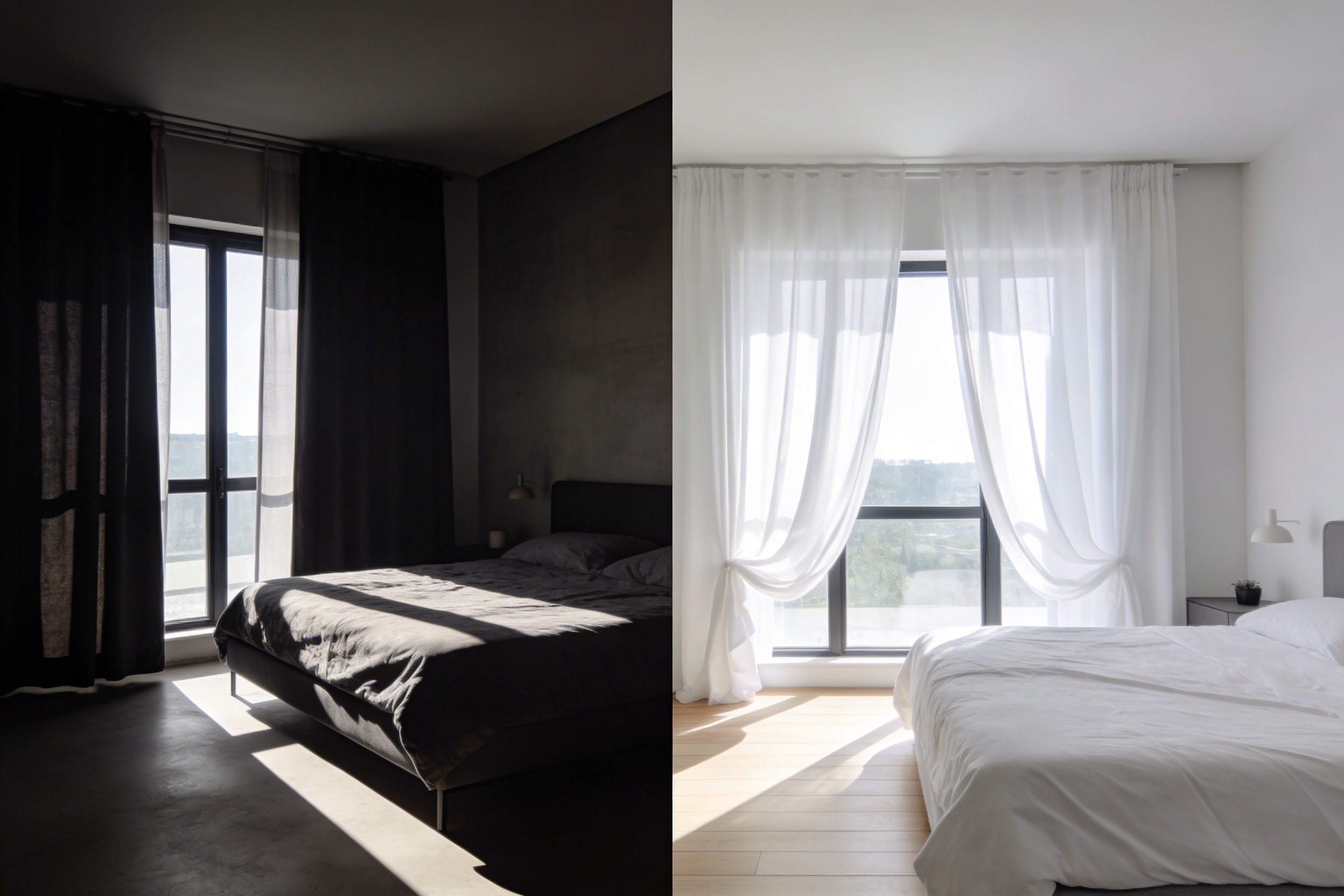
Living in a dark bedroom can feel like you’re camping out in a cave—minus the cool stalactites and adventure vibes. Maybe your windows face a brick wall, or your room naturally leans dungeon-chic thanks to some questionable architectural choices. Either way, waking up in perpetual gloom isn’t exactly the vibe most of us are going for.
Let There Be Light (The Real Stuff)
Look, I’m going to start with the obvious solution because it actually works. Natural light is your best friend when you’re trying to brighten a dark bedroom, so you need to maximize every photon that manages to sneak its way inside.
Start by taking a hard look at your window treatments. Those heavy, dark curtains might look sophisticated, but they’re basically light-blocking ninjas working against you. Swap them for sheer white or light-colored curtains that let sunlight filter through while still giving you privacy. If you’re worried about people peeping in, you can layer sheers with lighter drapes that you pull back during the day.
Here’s a pro tip: hang your curtain rod higher and wider than the actual window frame. This trick creates the illusion of larger windows and lets you pull the curtains completely away from the glass when they’re open. More exposed window = more light. Math checks out.
Clean Your Windows (Yes, Really)
When was the last time you actually cleaned your windows? And I mean really cleaned them, not just wiped away a suspicious smudge with your sleeve. Dirty windows can block up to 40% of incoming light, which is basically like wearing sunglasses indoors. Grab some glass cleaner and give those windows a proper scrub—both inside and out if you can reach them safely.
Mirror, Mirror on the Wall
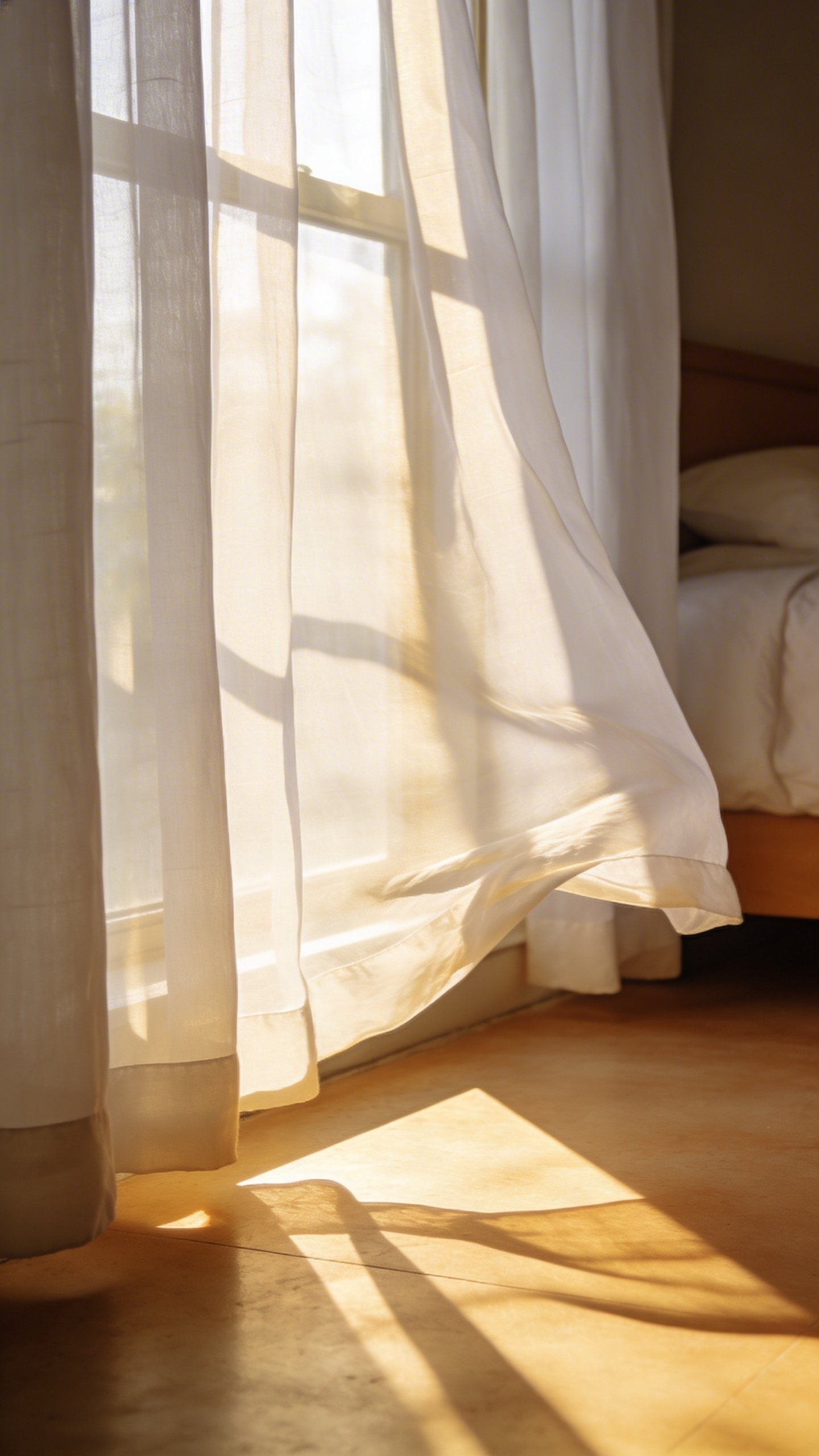
Mirrors are like magic portals for light. They bounce illumination around the room and create the illusion of more space, which also contributes to that brighter, airier feeling you’re after.
The key is strategic placement. Position a large mirror directly across from your window to reflect natural light back into the room. You can also lean a full-length mirror against a wall near a window for a more casual, Pinterest-worthy look. Just avoid placing mirrors where they’ll create weird glare situations or reflect unflattering angles of your bed (nobody needs that first thing in the morning).
FYI, you don’t need to drop a fortune on fancy mirrors. Thrift stores and discount home stores often have perfectly good options that work just as well as expensive designer pieces.
Paint Your Way to Brightness
Dark walls absorb light like a black hole absorbs, well, everything. If you’re able to paint (landlord permitting), this is probably the single most impactful change you can make.
White or light neutral colors reflect the most light, but that doesn’t mean you’re stuck with boring. Soft grays, pale blues, warm creams, and gentle greiges can all brighten a space while adding more personality than flat white. If you want to add some drama without sacrificing brightness, consider painting just one accent wall in a darker color while keeping the other three light.
Don’t Forget the Ceiling
Here’s something most people overlook: your ceiling is basically the fifth wall, and painting it a lighter shade than your walls can make a huge difference. A bright white or very pale cream ceiling helps reflect light downward. Some designers even recommend using a high-gloss or semi-gloss finish on ceilings to maximize reflection, though I’ll admit that’s not everyone’s aesthetic.
Layer Your Artificial Lighting

One sad overhead light isn’t going to cut it, my friend. You need to think about lighting the way interior designers do: in layers.
Your lighting layers should include:
- Ambient lighting: Your main overhead fixture or ceiling light
- Task lighting: Reading lamps, bedside table lamps, or desk lamps
- Accent lighting: String lights, LED strips, or decorative fixtures that add visual interest
The goal is to eliminate dark corners and create multiple light sources throughout the room. This prevents that single-bulb-in-a-creepy-basement vibe and makes the space feel warm and inviting.
When choosing bulbs, pay attention to both brightness and color temperature. Daylight bulbs (5000-6500K) mimic natural light and work great for dark rooms, though some people find them too harsh for bedrooms. Soft white bulbs (2700-3000K) create a cozier atmosphere but don’t brighten as dramatically. IMO, the sweet spot is bright white (3500-4100K) for most bedroom situations.
Choose the Right Furniture and Decor
Heavy, dark furniture makes a room feel cramped and cave-like. I get it—you might love that gorgeous dark wood dresser or espresso-toned bed frame. But if brightness is your priority, you’ll want to reconsider your furniture choices.
Light-colored or natural wood furniture reflects more light and keeps the space feeling open. Think white lacquer, light oak, birch, or even lucite and glass pieces if you’re feeling fancy. If replacing furniture isn’t in the budget, consider painting existing pieces or using light-colored furniture covers.
Your bedding also plays a bigger role than you might think. Dark comforters and sheets create a visual black hole in the center of your room. Switch to white, cream, or light-colored bedding to instantly brighten things up. You can always add darker accent pillows or a throw blanket for contrast.
Declutter for the Win
This might sound weird, but clutter makes rooms feel darker. Too much stuff creates shadows, blocks light pathways, and generally makes spaces feel cramped. A quick decluttering session can genuinely help brighten your bedroom without costing you a cent.
Add Reflective and Metallic Accents
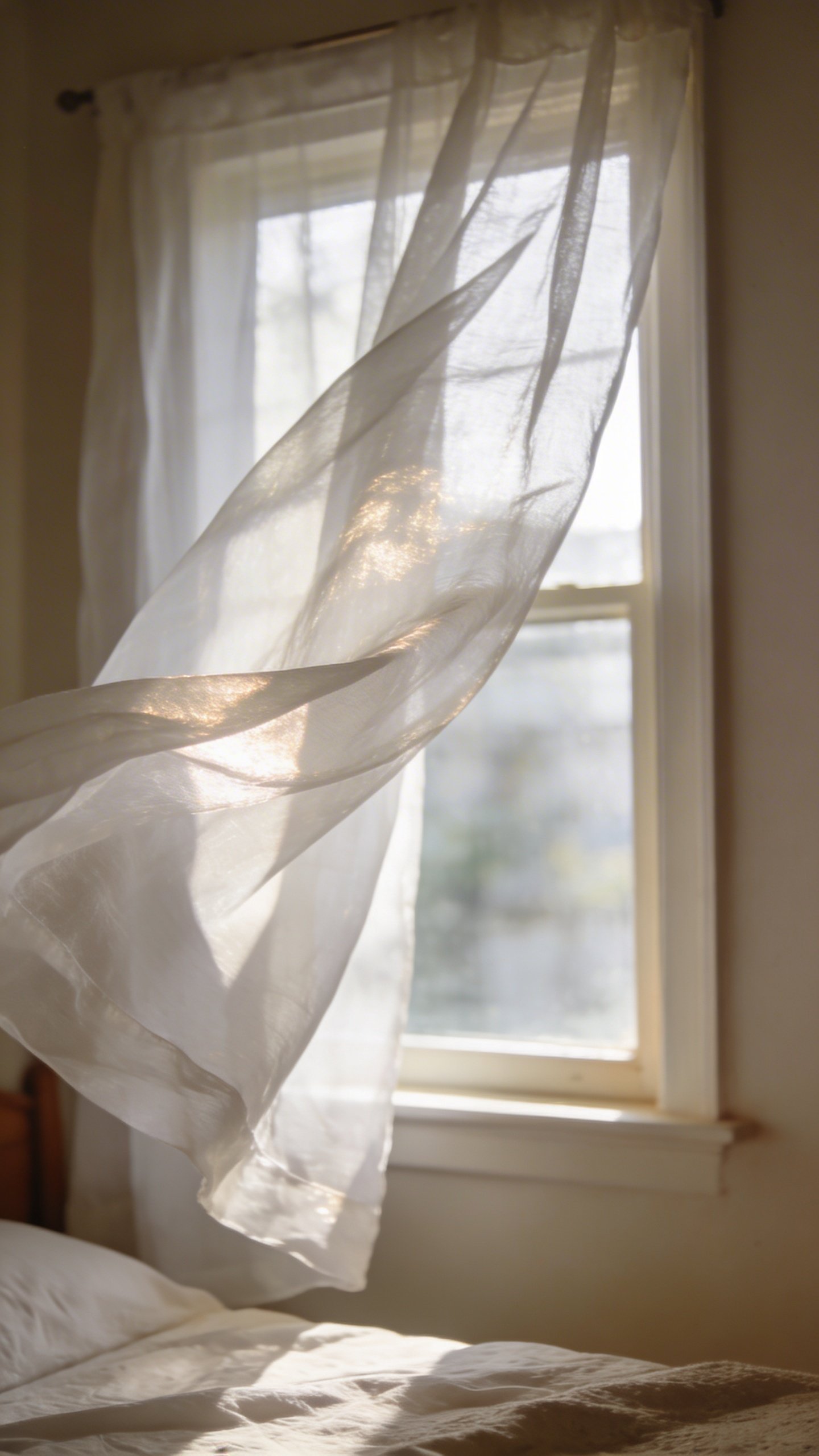
Beyond mirrors, you can incorporate other reflective surfaces to bounce light around. Metallic picture frames, glass vases, glossy ceramic pieces, and even metallic throw pillows can all contribute to a brighter space.
Chrome, brass, silver, and gold finishes on lamps, drawer pulls, or decorative objects catch and reflect light throughout the day. Just don’t go overboard—you’re aiming for “bright and airy,” not “disco ball explosion.”
Frequently Asked Questions
What’s the best paint color for a dark bedroom?
Pure white is technically the most reflective, but it can feel sterile in a bedroom. Benjamin Moore’s “Simply White” or Sherwin-Williams’ “Alabaster” are popular choices that offer warmth while still maximizing brightness. For a bit more personality, try soft grays like “Repose Gray” or pale blues like “Palladian Blue.”
Can I brighten a room without painting?
Absolutely! Focus on maximizing natural light, adding mirrors, upgrading your lighting fixtures, switching to lighter bedding and curtains, and incorporating light-colored decor. These changes can dramatically brighten a space without touching the paint.
How many lamps should I have in a bedroom?
A good rule of thumb is at least three light sources: your main overhead light plus two additional lamps (typically bedside lamps). Larger bedrooms might benefit from four or five sources. The key is eliminating dark corners while creating ambiance.
Do LED lights really make a difference?
Yes! LED bulbs come in various brightness levels and color temperatures, last forever, and use less energy. You can get LEDs that are significantly brighter than traditional bulbs without increasing your electricity bill. Plus, you can find LED strip lights and other creative solutions for adding light in unexpected places.
What if my bedroom has no windows?
This is tough, but not hopeless. Focus on layered artificial lighting with multiple sources at different heights. Use bright white or daylight bulbs, and consider a light therapy lamp or sun lamp to simulate natural light. Mirrors and light colors become even more critical in windowless rooms.
Should I use glossy or matte paint finishes?
Glossy and semi-gloss finishes reflect more light, making them technically better for dark rooms. However, they also show every imperfection in your walls. Eggshell or satin finishes offer a good compromise—they reflect more light than flat paint without highlighting every ding and scratch.
Final Thoughts
Brightening a dark bedroom doesn’t require a complete renovation or a massive budget. Start with the easy wins: clean your windows, swap out dark curtains for light ones, and add a mirror or two. If you can paint, that’ll give you the biggest bang for your buck. Layer in some additional lighting, lighten up your color scheme, and watch your cave transform into a bright, welcoming retreat. Your morning self will thank you for it.