

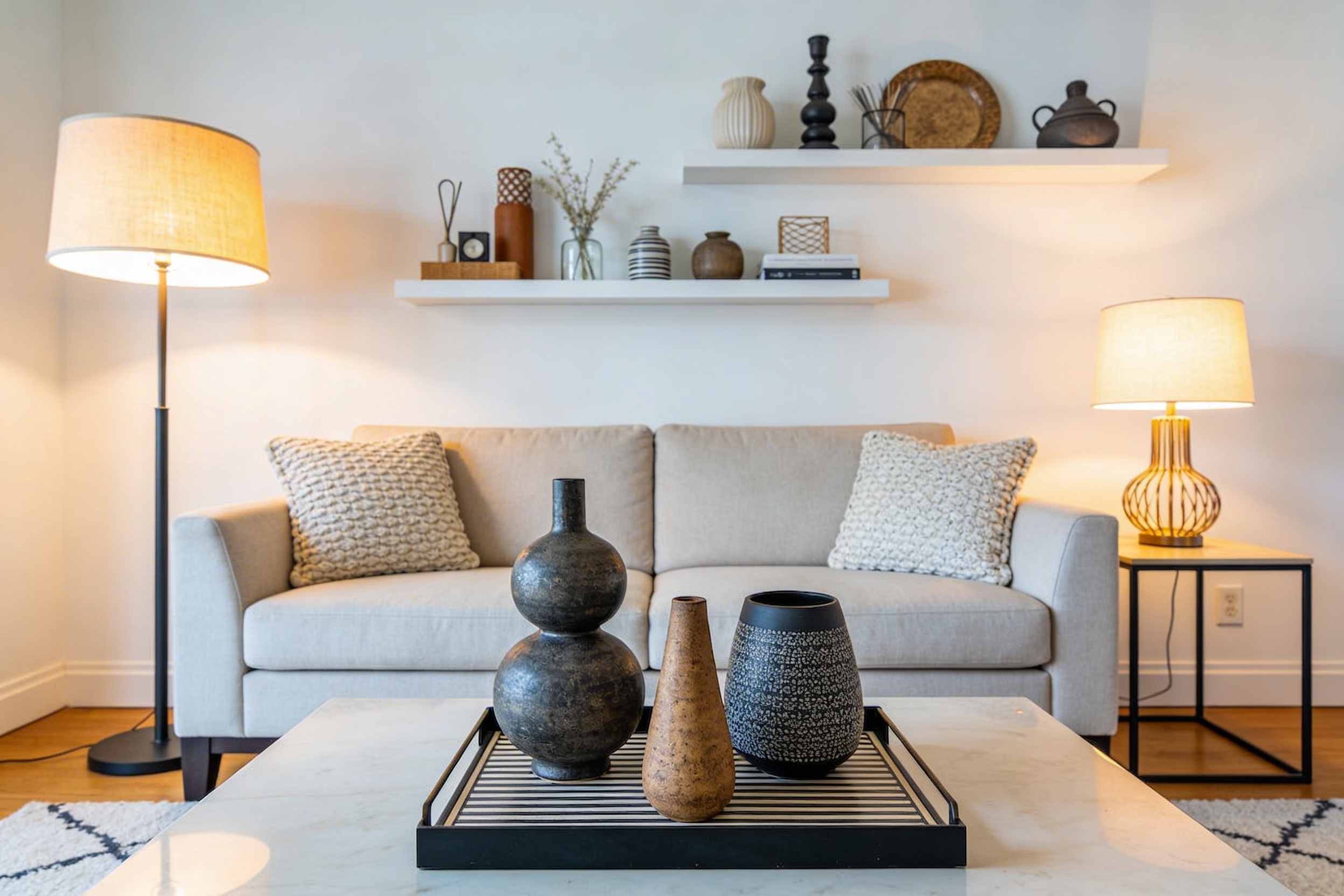
You know that feeling when you walk into a beautifully designed space and think, “How do they make it look so effortless?” Well, spoiler alert: it’s not magic, and you don’t need an interior design degree to pull it off. With a few strategic moves and some insider knowledge, you can transform your space from “meh” to “magazine-worthy” without breaking the bank or your sanity.
Start with the Rule of Three (Because Odd Numbers Are Your Friends)
Here’s a secret that designers swear by: things look better in groups of three. Don’t ask me why our brains love odd numbers, but they do. When you’re arranging accessories on a coffee table, shelf, or mantel, cluster them in threes.
Try grouping items of varying heights together. A tall vase, a medium-sized candle, and a small decorative object create visual interest without looking cluttered. This applies to everything from throw pillows on your couch to picture frames on your wall.
The beauty of this rule? It gives you permission to stop obsessing over perfectly symmetrical arrangements. Asymmetry often looks more natural and, frankly, more interesting than everything lined up like soldiers.
Layer Your Lighting Like You’re Dressing for Winter
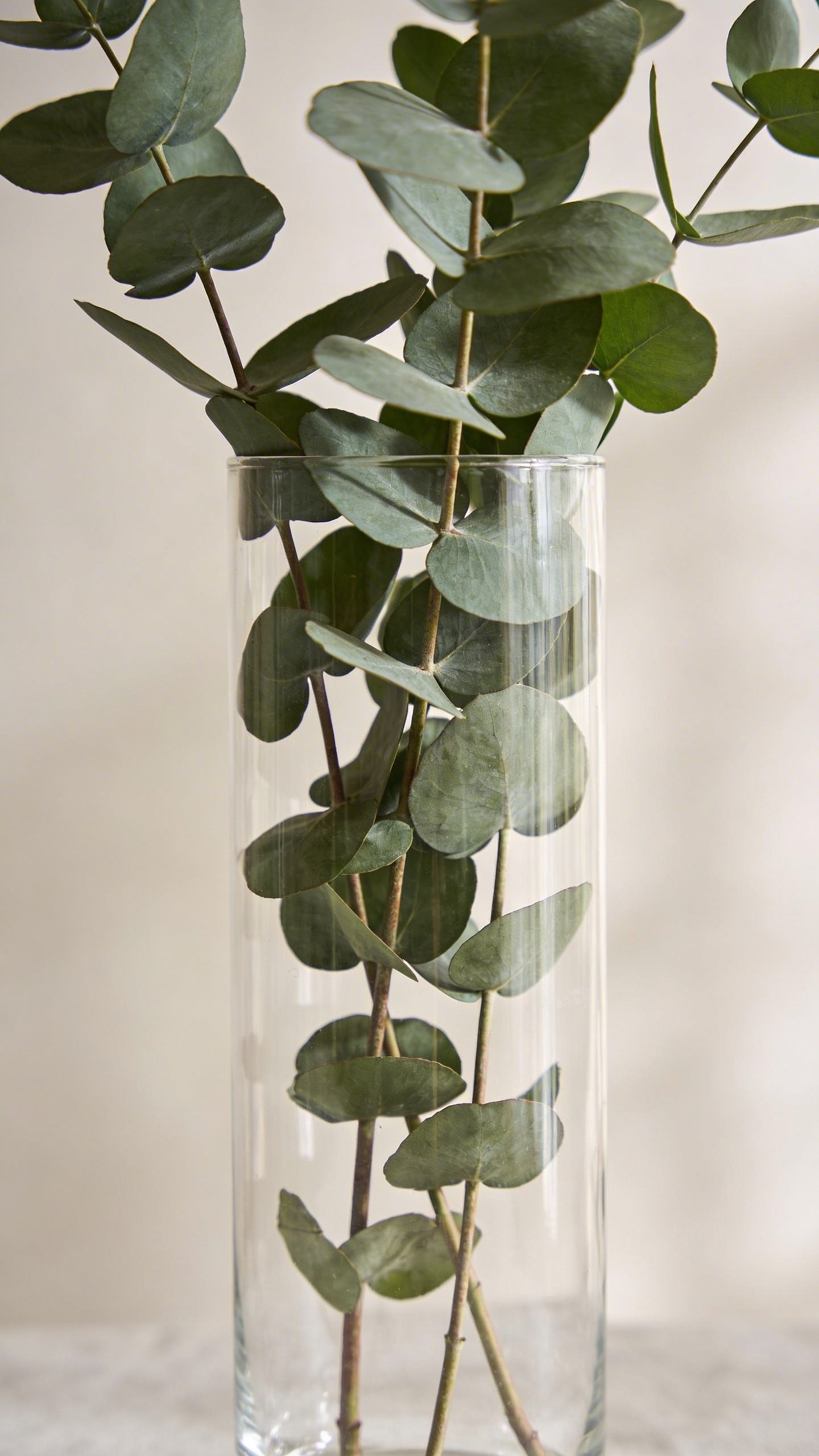
If you’re relying solely on that one overhead light fixture, we need to talk. Professional designers use at least three types of lighting in every room: ambient (your main overhead light), task (reading lamps, under-cabinet lights), and accent (picture lights, candles, decorative lamps).
Think of lighting as the jewelry of your room. It adds sparkle, creates mood, and highlights your best features. A well-lit room instantly feels more expensive and intentional.
Don’t Forget About Dimmers
Installing dimmer switches is one of those small changes that makes a massive difference. You can transition from “working from home” brightness to “Netflix and chill” ambiance with a simple turn. Plus, they’re surprisingly easy to install if you’re even remotely handy.
Embrace the Power of Empty Space
I get it. You want to fill every corner, cover every wall, and use all the things you own. But here’s the truth: negative space is a design element, not wasted space. Pros know that breathing room makes everything else in the room look more intentional and valuable.
Leave some surfaces bare. Let your walls have empty spots. Not every shelf needs to be packed from end to end. This restraint (painful as it might be) separates the amateurs from the pros.
Your eyes need places to rest, and so does your room. Think of it like a good conversation – the pauses matter just as much as the words.
Scale Matters More Than You Think
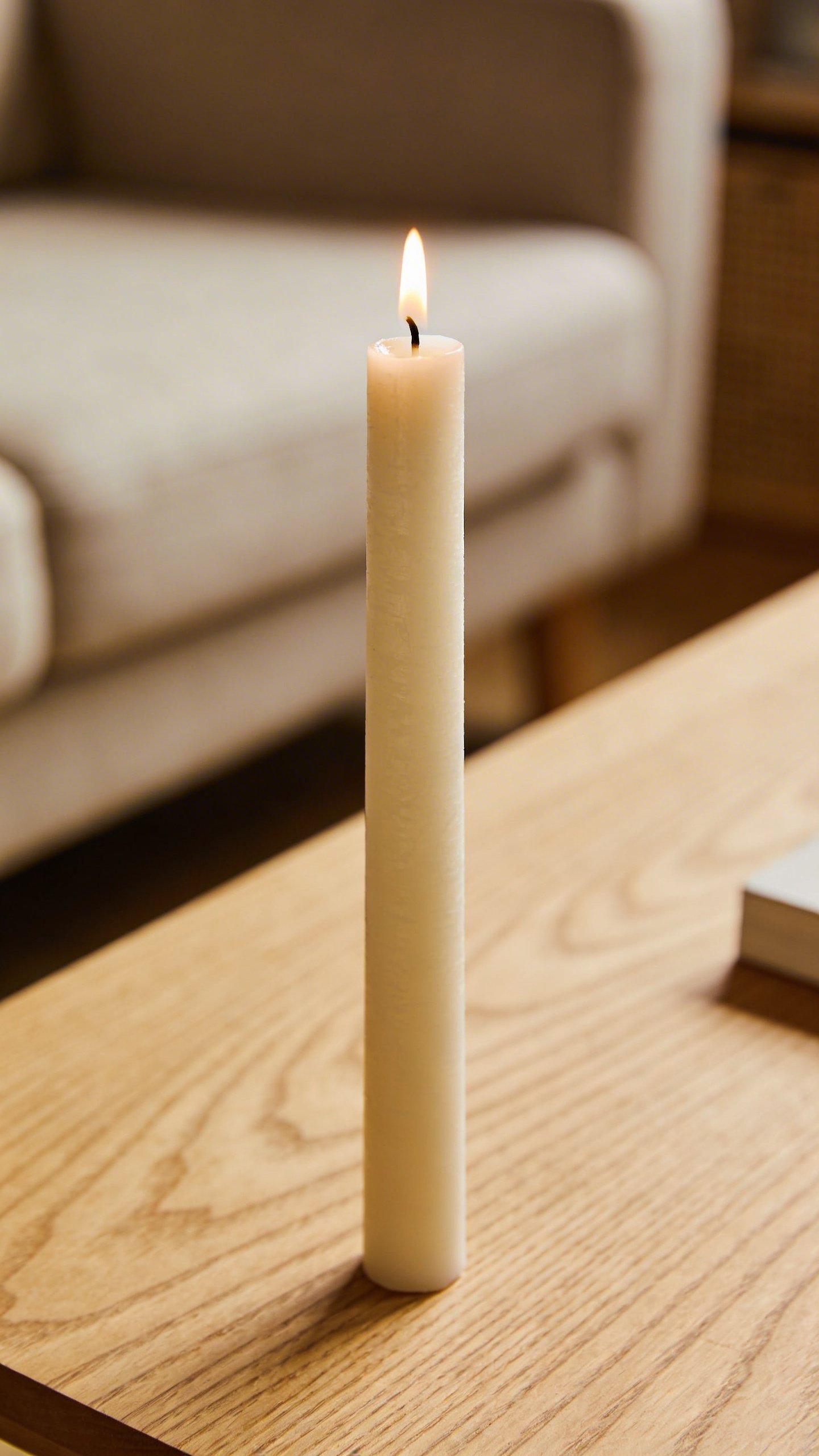
That tiny rug in your living room? It’s making your whole space look smaller and awkward. Your curtains stopping right at the window sill? They’re shortening your walls. Size isn’t everything, but in decorating, it’s pretty darn close.
Your area rug should be large enough that at least the front legs of your furniture sit on it. Your curtain rod should extend 6-12 inches beyond your window frame on each side, and the curtains themselves should kiss the floor (or even puddle slightly if you’re feeling fancy).
Oversized art makes a bigger impact than a gallery wall of tiny frames – though both have their place. When in doubt, go bigger than you think you need. FYI, this is one area where you don’t want to be conservative.
Coffee Tables and Sofas Need to Talk
Your coffee table should be about two-thirds the length of your sofa. Too small, and it looks like dollhouse furniture. Too large, and it overwhelms the space. Aim for about 18 inches between your sofa and coffee table – enough room to walk but close enough to actually reach your drink.
Create a Focal Point (Every Room Needs a Star)
Professional spaces always have a clear focal point – something that draws your eye when you enter the room. It might be a fireplace, a statement piece of art, an accent wall, or even a stunning piece of furniture.
Once you identify your focal point, arrange your furniture to highlight it. Everything else should support this star player, not compete with it. If your room doesn’t have a natural focal point, create one with paint, wallpaper, or a bold piece of art.
Multiple focal points fighting for attention? That’s just visual chaos with extra steps. Pick your favorite and let everything else play backup.
Mix High and Low Like a Design Mixologist
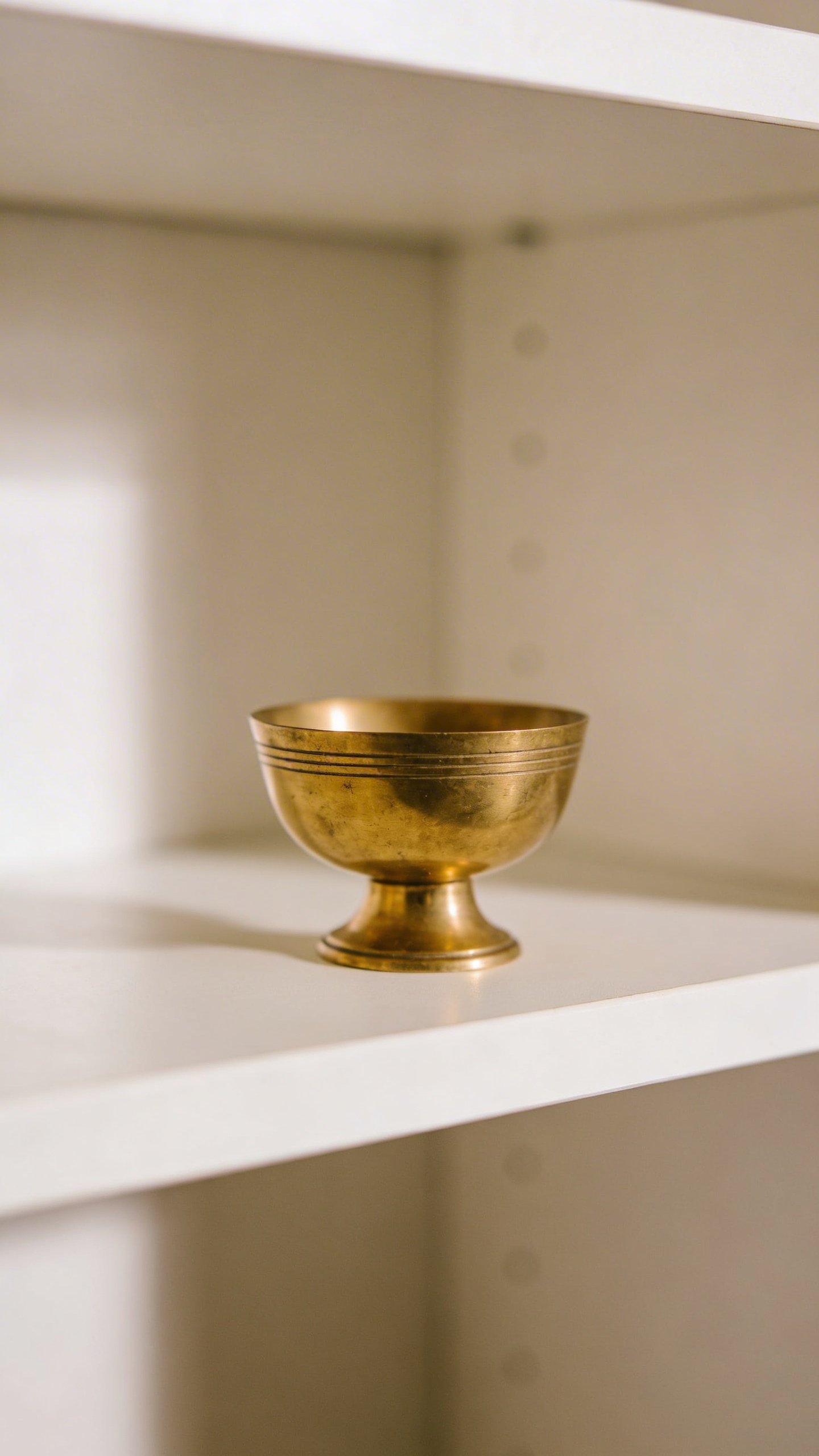
Here’s where you can save money and still look like you spent a fortune: mix expensive investment pieces with budget-friendly finds. Splurge on your sofa (you use it every day), but grab those decorative pillows from a discount store.
Nobody needs to know where everything came from. A $30 vase from a home goods store looks just as good as a designer piece when it’s styled well. Save your money for the things that matter – quality furniture, good lighting, and pieces you’ll keep for years.
The high-low mix also keeps your space from looking too “matchy-matchy” or like you bought everything from one store in a single afternoon. Real homes collect pieces over time, and yours should look like it evolved naturally.
Don’t Ignore Texture (It’s the Secret Sauce)
Color gets all the glory, but texture does the heavy lifting. A monochromatic room can still feel rich and interesting if you layer different textures. Smooth velvet next to nubby linen, sleek metal against rough wood, shiny glass beside matte ceramic – this is what creates depth.
Add texture through throw blankets, pillows, rugs, baskets, and even plants. IMO, plants are the easiest way to add both texture and life to any space, plus they make you look like you have your life together.
Think about how things feel, not just how they look. A room that engages multiple senses always feels more professional and complete.
Frequently Asked Questions
How much should I spend to make my home look professionally decorated?
You don’t need to drop thousands to achieve a designer look. Start with what you have, rearrange strategically, and invest in a few key pieces over time. Focus your budget on items you use daily – your bed, sofa, and dining table – and save on accessories. Many professional-looking upgrades (like paint, rearranging furniture, and decluttering) cost little to nothing.
What’s the biggest mistake people make when decorating?
Pushing all their furniture against the walls like they’re afraid of the center of the room. Pull your furniture away from the walls to create intimate conversation areas and make your space feel larger and more intentional. Also, buying everything too small – when in doubt, size up.
Should I follow design trends or stick with timeless pieces?
Do both! Invest in timeless, neutral furniture that’ll last for years, then incorporate trends through easily changeable items like pillows, throws, art, and accessories. This way, you can refresh your look without replacing your sofa every time design trends shift. Your wallet will thank you.
How do I choose a color palette that works?
Start with something you already own and love – a piece of art, a rug, or even a favorite throw pillow. Pull colors from that piece to create your palette. Stick to 3-4 main colors: a neutral base, a primary accent color, and one or two supporting colors. This creates cohesion without being boring.
What’s the fastest way to make a room look more expensive?
Declutter ruthlessly, add crown molding or trim, hang your curtains high and wide, swap out builder-grade light fixtures, and style surfaces thoughtfully rather than cramming them full. Also, fresh paint works wonders – nothing says “amateur” like scuffed, dirty walls.
How many throw pillows is too many?
If you have to remove half your pillows just to sit down, you’ve gone too far. For a standard sofa, 3-5 pillows in varying sizes usually hits the sweet spot. Mix patterns and textures, but make sure they share at least one common color to tie them together.
Bringing It All Together
Decorating like a pro isn’t about having unlimited funds or innate talent – it’s about understanding a few key principles and applying them consistently. Start with one room, implement these tips gradually, and don’t expect perfection overnight. Your space should evolve with you, reflecting your personality while still looking polished and intentional.
Remember, even professional designers don’t get everything right on the first try. They experiment, move things around, and sometimes buy things that don’t work out. The difference is they know the rules well enough to break them strategically. So give yourself permission to try, fail, adjust, and try again. Your dream space is waiting, and now you’ve got the roadmap to get there.