

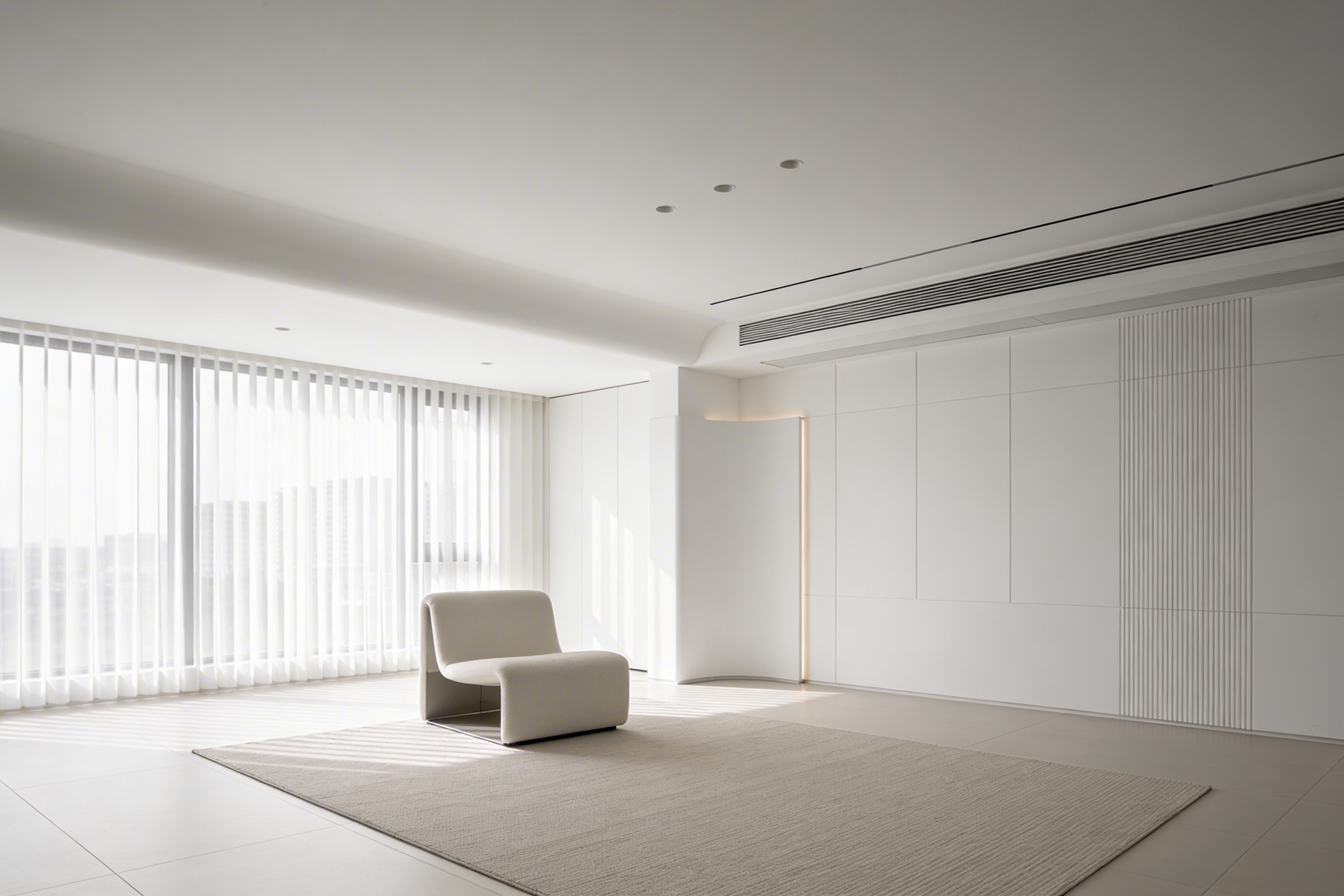
You walk into a minimal home and something just clicks. Your shoulders drop, you exhale, and everything feels… right. It’s not magic—there’s actually solid psychology and design theory behind why these clean, pared-back spaces make us feel like we can finally breathe.
Your Brain on Clutter (Spoiler: It’s Not Pretty)
Let’s talk about what happens upstairs when you’re surrounded by stuff. Your brain is constantly processing visual information, and every single object in your field of vision demands a tiny slice of your attention. That tchotchke collection? Those 47 throw pillows? Your gray matter is working overtime just cataloging all of it.
Studies show that visual clutter competes for your neural resources, making it harder to focus and increasing stress levels. When you strip away the excess, your brain gets a break. It’s like finally closing those 83 browser tabs you had open—suddenly everything runs smoother.
Minimal homes understand this fundamental truth: less stuff equals less mental load. Your eyes can rest on clean surfaces instead of bouncing between competing focal points. It’s visual meditation, basically.
The Power of Negative Space
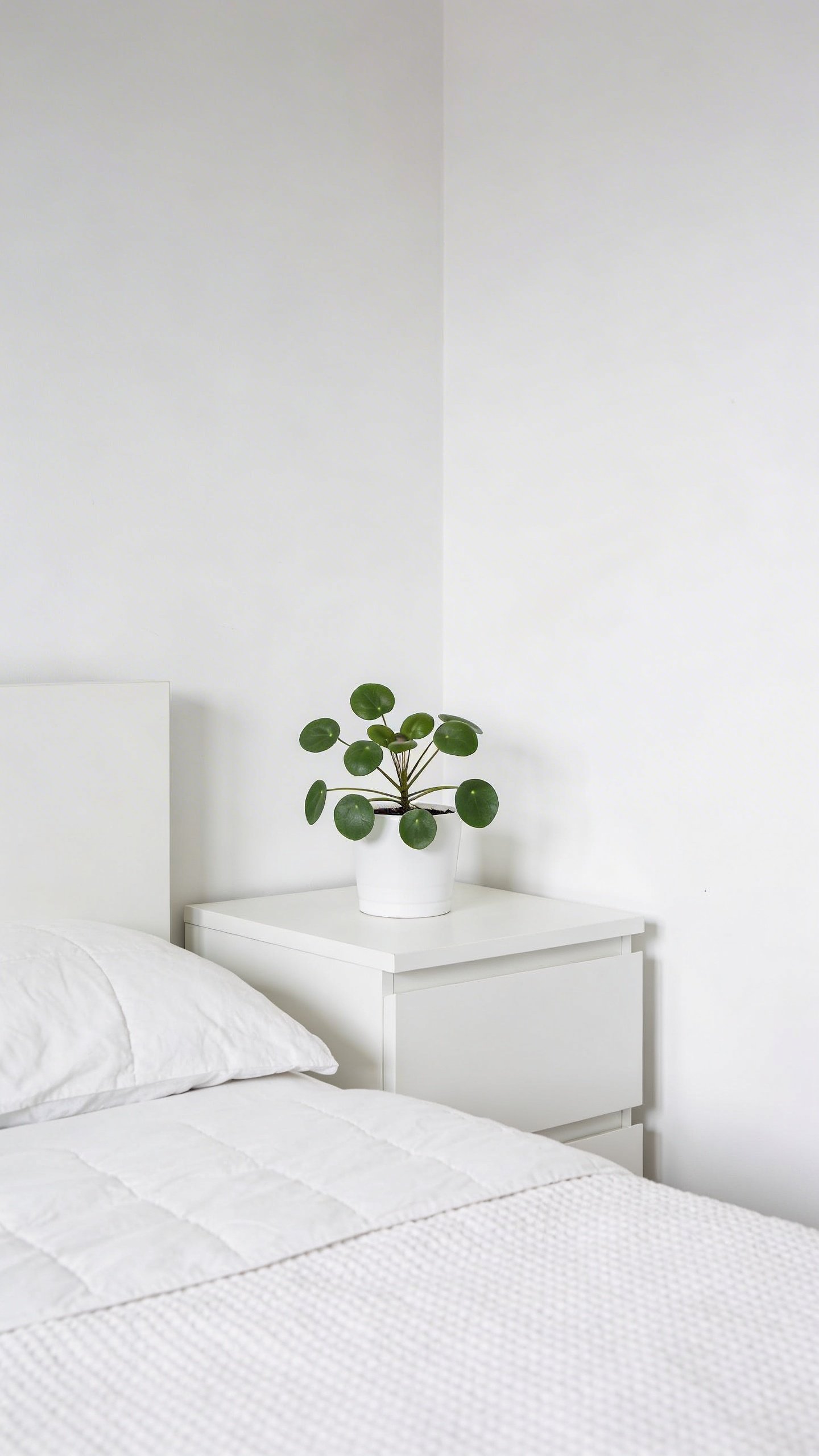
Here’s where minimal design gets legitimately smart. Negative space—the empty areas between and around objects—isn’t just “nothing.” It’s an active design element that makes everything else look better.
Think about it like this: a single piece of art on a white wall becomes a statement. That same piece surrounded by six other frames, some floating shelves, and a decorative wall clock? It disappears into the noise. Negative space gives important elements room to breathe and be appreciated.
Minimal homes leverage this principle ruthlessly. Every piece of furniture, every decorative object gets its moment in the spotlight because it’s not fighting for attention. The emptiness actually creates visual interest—which sounds backwards until you see it in action.
Less Is Literally More (For Once)
That phrase gets thrown around a lot, but in minimal design it’s mathematically true. When you have fewer objects, each one carries more visual weight and importance. Your nice dining table isn’t just furniture—it becomes a sculptural element. Your carefully chosen lamp transforms into a focal point.
This selectivity forces you to choose quality over quantity, which brings us to our next point.
Quality Becomes Obvious
In a cluttered space, you can hide cheap furniture behind visual noise. But in a minimal home? Everything’s on display, baby. There’s nowhere for that particle board dresser to hide when it’s the only thing on the wall.
This sounds intimidating, but it’s actually liberating. Minimal design pushes you toward better-made, longer-lasting pieces because they’re doing all the heavy lifting. You start caring about materials, craftsmanship, and design details because they’re actually visible.
IMO, this is one of the best side effects of going minimal. You end up with a smaller collection of things you genuinely love instead of a house full of “meh” you accumulated over time. Your space becomes intentional rather than accidental.
Light Moves Differently
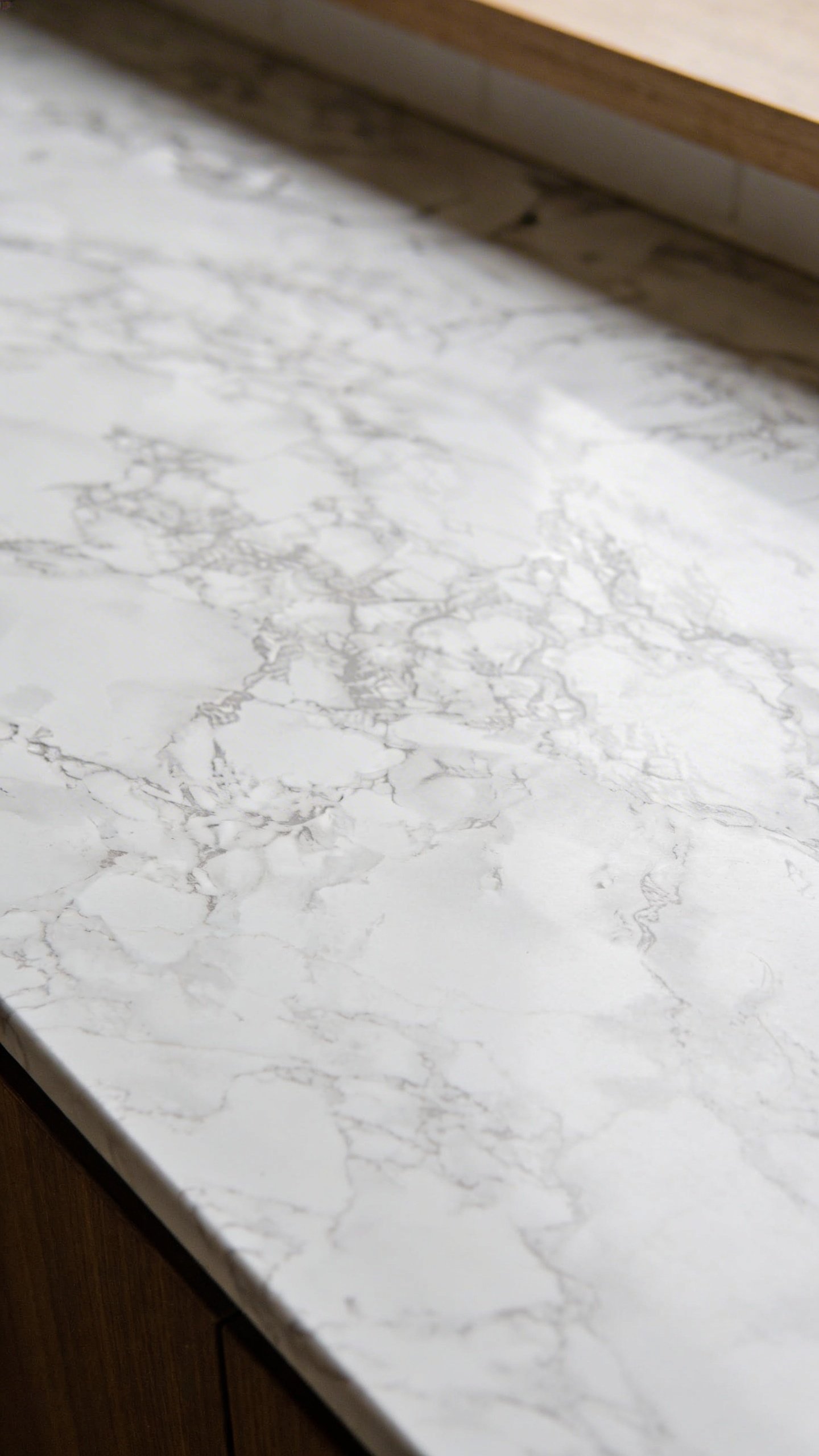
Empty spaces don’t just look good—they completely change how light behaves in your home. Natural light can travel farther, bounce off more surfaces, and create interesting shadows without getting blocked by furniture arrangements.
Minimal homes tend to feel brighter and more spacious even when they’re the same square footage as cluttered ones. Light reflects off clean walls and floors, multiplying itself throughout the space. It’s like getting free square footage through optical illusion.
Plus, when you’re not blocking windows with heavy curtains and massive furniture pieces, you actually get to enjoy the view you’re probably paying for. Wild concept, right?
The Color Psychology Factor
Most minimal homes stick to neutral palettes—whites, grays, beiges, blacks. This isn’t just trendy; it’s psychologically calming. Neutral colors don’t trigger strong emotional responses, which means your home becomes a peaceful backdrop for your life instead of constantly demanding attention.
When you do introduce color in a minimal space, it pops. A single emerald green chair or a rust-colored throw becomes a deliberate design choice rather than getting lost in a rainbow of competing hues.
Easier to Keep Clean (Let’s Be Real)
Nobody wants to talk about the practical stuff, but here we are. Minimal homes look better partly because they’re exponentially easier to maintain. Fewer objects mean fewer surfaces collecting dust. Clear countertops take thirty seconds to wipe down.
You can actually see dirt and mess in a minimal space, which sounds like a disadvantage until you realize it means you catch problems early. That mystery stain doesn’t get to hide behind a fruit bowl for six months.
A clean minimal home looks magazine-ready with minimal effort, while even a spotless cluttered space can still look chaotic. The bar for “looking good” is just lower when you’re working with less.
It Photographs Like a Dream
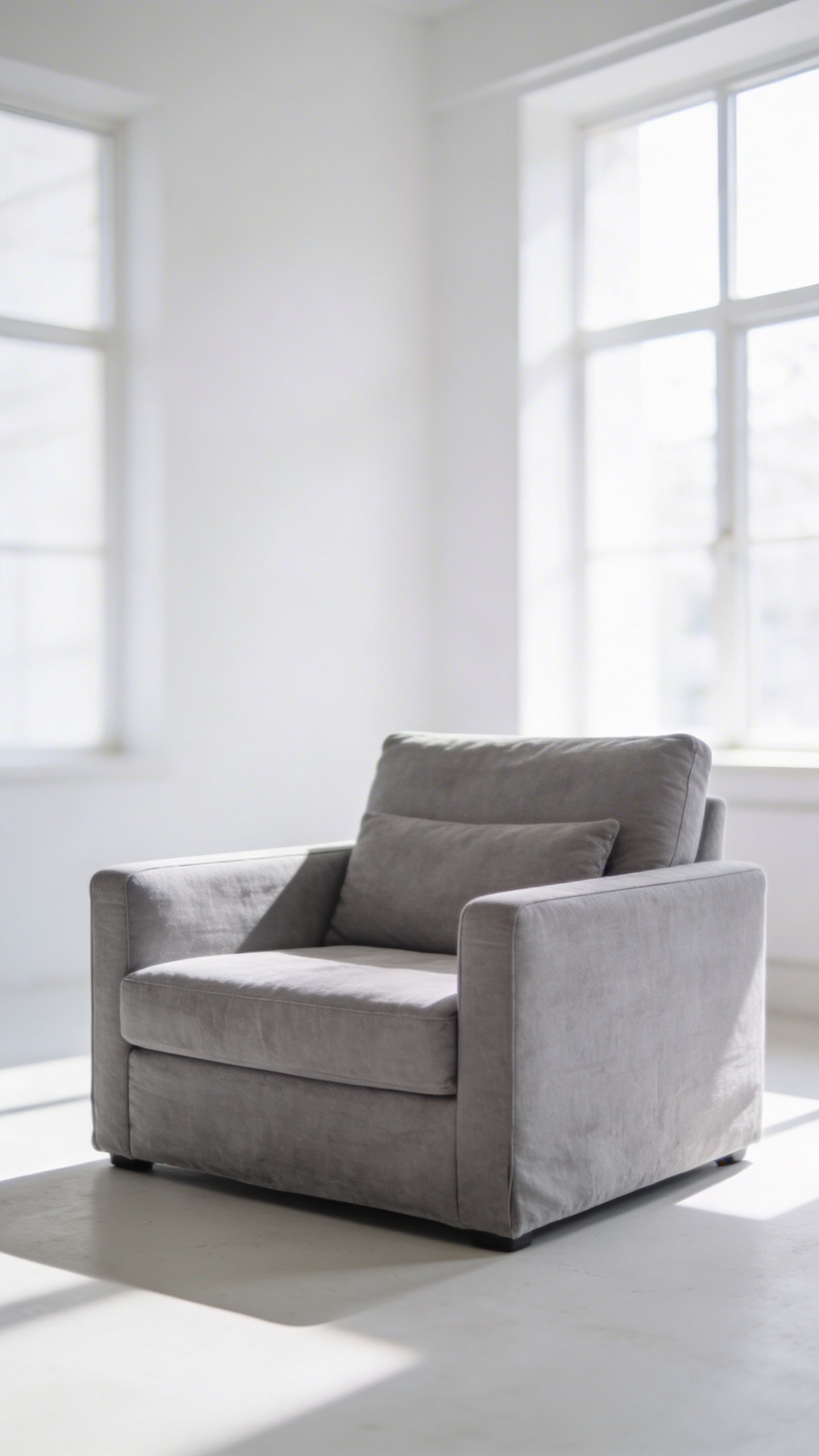
Okay, this might sound shallow, but we live in the age of Instagram. Minimal spaces are inherently photogenic because they have built-in composition. Clean lines, negative space, and careful object placement create natural visual balance.
But beyond social media clout, this matters for a deeper reason: spaces that photograph well usually just look good, period. Photography is essentially about composition, light, and focal points—the same elements that make real-life spaces appealing. Minimal design nails all three.
When you’re trying to sell your home or just showing it off to friends, a minimal aesthetic translates beautifully through a camera lens. No weird angles needed to hide the clutter.
Frequently Asked Questions
Won’t a minimal home feel cold and unwelcoming?
Not if you do it right. The key is incorporating texture and warmth through materials—think wool throws, wooden furniture, linen curtains, and woven baskets. Minimalism doesn’t mean sterile; it means intentional. You can have a cozy minimal home by choosing warm neutrals, adding plants, and including soft lighting. The difference is you’re adding these elements purposefully rather than filling space out of obligation.
How do I deal with all my stuff if I want a minimal look?
Storage solutions are your best friend here. The goal isn’t to own nothing—it’s to keep visual surfaces clear. Invest in closed storage like cabinets, drawers, and closets with good organization systems. Display only what you love and what serves a purpose. Everything else gets tucked away but remains accessible. FYI, this might also be a good opportunity to declutter things you don’t actually need.
Is minimal design just a trend that’ll look dated soon?
Minimal design has roots going back decades—think mid-century modern, Scandinavian design, and Japanese minimalism. While specific interpretations evolve, the core principles of clean lines, functional furniture, and uncluttered spaces remain timeless. Unlike trendy maximalist moments or specific color schemes, minimalism ages well because it’s fundamentally about good proportions and quality design.
Can I have a minimal home with kids and pets?
Absolutely, though it requires more discipline and smart systems. Focus on creating designated storage for toys that’s easy for kids to use. Choose durable, cleanable materials for furniture and floors. The trick is building habits around putting things away rather than letting them accumulate on surfaces. Many families find minimalism actually makes life easier because there’s less stuff to manage and clean.
Does minimal mean everything has to be white and gray?
Nope! While neutral palettes are common in minimal design, you can absolutely incorporate color. The key is using it intentionally and sparingly. A minimal home might have white walls but feature a bold blue sofa or warm terracotta accents. The restraint in quantity makes the colors you do choose more impactful.
How minimal is too minimal?
You’ve gone too far when your home stops feeling functional or comfortable for your actual life. If you’re afraid to use your space or you’re missing items you genuinely need, that’s too minimal. The goal is removing excess, not creating a showroom you can’t live in. Your home should support your lifestyle, not restrict it.
The Bottom Line
Minimal homes look better because they work with human psychology rather than against it. They reduce visual stress, showcase quality, manipulate light beautifully, and create peaceful environments that photograph well and feel even better.
But here’s the thing: minimalism isn’t about deprivation or following strict rules. It’s about being intentional with your space and recognizing that sometimes the most powerful design choice is knowing what to leave out. Your home doesn’t need to look like a museum or a monastery—it just needs to breathe a little.
Start small if you’re curious. Clear one surface completely and live with it for a week. Notice how your eyes rest there, how that area becomes easier to maintain, how the items around it suddenly look more important. Once you see it, you can’t unsee it—and your definition of “looks better” might just shift entirely.