


You know that feeling when you walk into a room and instantly want to curl up and never leave? That’s the cozy bedroom vibe we’re chasing. Creating a space that feels like a warm hug after a long day isn’t rocket science, but it does take some intentional choices. Let me walk you through exactly how to transform your bedroom from “meh” to “never leaving this sanctuary.”
Layer Your Lighting Like Your Life Depends On It
Here’s the thing about overhead lighting: it’s the enemy of cozy. That harsh ceiling fixture making your room look like an interrogation chamber? Yeah, we’re ditching that approach entirely.
Think about layering your light sources instead. You want at least three different light sources in your bedroom. A bedside lamp for reading, maybe some string lights or a salt lamp for ambiance, and perhaps a floor lamp in the corner. The goal is to create pools of warm light rather than flooding the entire space.
Dimmer Switches Are Your Best Friend
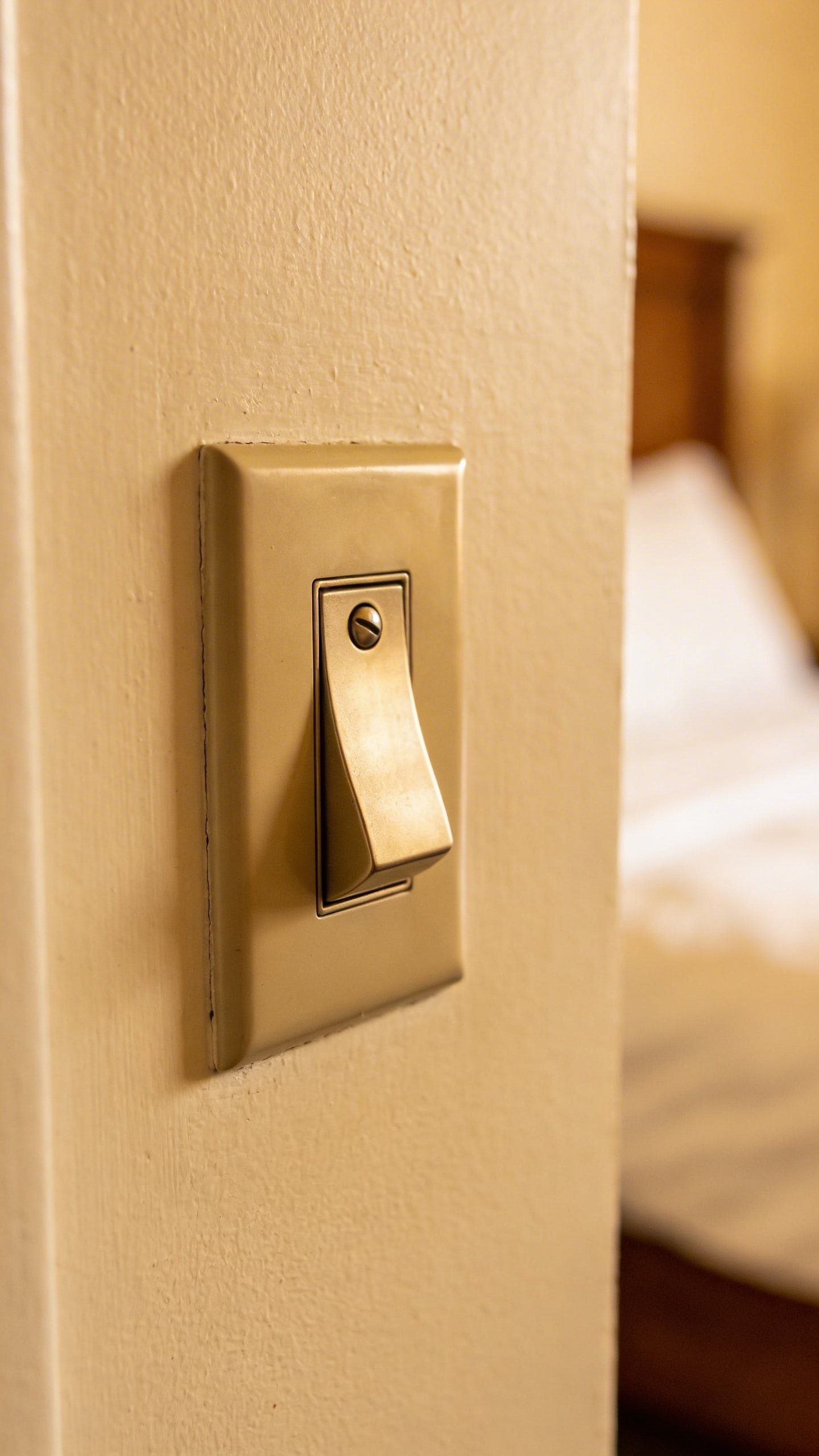
Installing a dimmer switch might be the single best investment you make in your cozy bedroom journey. Seriously, being able to control the intensity of your lighting changes everything. You can go from “getting ready for the day” brightness to “winding down with a book” softness without switching rooms.
And please, for the love of all things cozy, choose warm white bulbs (around 2700K) instead of those blue-toned daylight bulbs. You’re creating a bedroom, not a hospital ward.
Texture Is Where the Magic Happens

Want to know the secret that interior designers use to make spaces feel expensive and inviting? They pile on the textures. Different materials and fabrics create visual interest and tactile comfort that tricks your brain into full relaxation mode.
Start with your bedding. Mix a chunky knit throw with smooth cotton sheets and a velvet cushion or two. Add a faux fur rug beside your bed so your feet hit something plush instead of cold floor. The contrast between different textures makes everything feel more intentional and, honestly, more luxurious.
Don’t stop at the obvious spots either. A woven basket for storage, linen curtains, a macramé wall hanging—these all add layers of texture that contribute to that cozy cocoon feeling.
The Temperature Sweet Spot
Let’s talk about actual temperature because you can have all the cozy aesthetics in the world, but if your room feels like a sauna or an icebox, you’re not going to feel comfortable. Science says the ideal bedroom temperature sits between 60-67°F (15-19°C).
I know that sounds cold, but here’s why it works: your body temperature naturally drops when you sleep, and a cooler room supports that process. Plus, there’s something inherently cozy about being in a cool room while snuggled under warm blankets.
Invest in bedding that you can layer. A lightweight cotton duvet for summer, flannel sheets for winter, and various throw blankets you can add or remove as needed. This way, you control your microclimate without cranking the thermostat.
Color Psychology Isn’t Just Marketing Hype

The colors you choose for your bedroom legitimately affect how you feel in the space. Those Instagram-worthy all-white minimalist bedrooms? They might look clean, but they can feel cold and sterile.
For maximum coziness, lean into warm, muted tones. Think soft terracotta, sage green, warm gray, dusty rose, or creamy beige. These colors create a sense of warmth and security that bright whites and cool grays just can’t match.
You don’t need to repaint your entire room either (though you can if you’re feeling ambitious). Start with textiles—your bedding, curtains, and throw pillows can introduce these warm tones without any commitment.
Declutter Without Becoming a Minimalist Monk
Real talk: clutter kills cozy. When your bedroom looks like a laundry explosion meets a home office meets a storage unit, your brain can’t relax. But you also don’t need to embrace that stark minimalism that makes you feel like you’re sleeping in a showroom.
The Nightstand Test
Look at your nightstand right now. If it’s covered in random stuff—old water glasses, receipts, 47 hair ties, and that book you’ve been “reading” for six months—you’re creating visual noise that prevents relaxation.
Keep your nightstand to the essentials:
- A lamp
- Whatever you’re currently reading
- A small dish for jewelry or glasses
- Maybe a plant or small decorative item
Everything else can find a home elsewhere or, hot take, maybe you don’t need it at all.
Hidden Storage Solutions
The coziest bedrooms hide their practical storage. Ottoman benches at the foot of the bed, under-bed storage boxes, and nightstands with drawers all let you keep things you need without displaying them like a yard sale.
Baskets are also your friend here—they’re decorative enough to leave out while hiding the random stuff that doesn’t have a proper home.
Bring In Some Life (The Plant Kind)
Plants make spaces feel alive and, frankly, more breathable. You don’t need to turn your bedroom into a jungle, but a few well-placed plants add warmth and a connection to nature that artificial decor can’t replicate.
Some low-maintenance options that work well in bedrooms:
- Snake plants (basically indestructible)
- Pothos (thrives on neglect)
- Peace lilies (pretty and forgiving)
- ZZ plants (for low-light situations)
Just keep them off your nightstand if you’re prone to knocking things over in the middle of the night. FYI, nobody wants to deal with a dirt spill at 3 AM.
Scent Matters More Than You Think
Your nose is directly connected to the emotional centers of your brain, which means scent can instantly make a space feel more inviting. A bedroom that smells fresh and pleasant is automatically cozier than one that smells like yesterday’s gym socks.
Candles are the obvious choice, but be strategic about it. Vanilla, lavender, sandalwood, and chamomile all promote relaxation. Save the energizing citrus scents for your bathroom or kitchen.
Essential oil diffusers work great too, and unlike candles, you can leave them running without worry. Plus, some scents like lavender actually have proven sleep-promoting benefits, so you’re not just making things smell nice—you’re upgrading your sleep quality.
The Little Details That Make a Big Difference
Sometimes it’s the smallest touches that push a bedroom from comfortable to truly cozy. These are the details that make you feel like you’re staying in a boutique hotel rather than just sleeping in your own house.
A carafe of water on your nightstand with an actual glass (not a plastic water bottle) feels luxurious. A soft eye mask hanging on your bedpost. A small tray that corrals your nightstand items. These tiny upgrades require minimal effort but create an atmosphere of intentionality.
And here’s something people forget: artwork on your walls. It doesn’t need to be expensive gallery pieces—prints, photos, or even a tapestry add personality and warmth to your walls. Just make sure you’re choosing images that make you feel calm rather than energized.
Frequently Asked Questions
How can I make my bedroom cozy on a budget?
Focus on textiles first—they give you the most bang for your buck. Thrift stores often have great throws, pillows, and even lamps. Rearranging furniture costs nothing but can completely change how the space feels. String lights are cheap and instantly create ambiance. IMO, you can create an incredibly cozy bedroom for under $100 if you’re strategic and don’t mind hunting for deals.
What’s the best bedding material for a cozy bedroom?
This depends on your climate and personal preference, but you can’t go wrong with cotton or linen for sheets—they’re breathable and get softer with every wash. For colder months, flannel sheets feel like sleeping in a hug. Duvet covers give you flexibility since you can easily swap them out seasonally. Just avoid synthetic materials that don’t breathe well; they might feel soft initially but often make you sweaty and uncomfortable.
Should I have a TV in my cozy bedroom?
This is controversial, but if you’re asking purely from a coziness perspective, TVs can work as long as you’re intentional about it. Mount it so it’s not dominating the visual space, and use it deliberately rather than leaving it on as background noise. That said, the coziest bedrooms often keep screens to a minimum because they promote rest rather than stimulation. Your call based on your lifestyle.
How do I make a small bedroom feel cozy instead of cramped?
Small bedrooms can actually feel cozier than large ones—you just need to embrace the intimacy. Use mirrors to create the illusion of more space. Keep your color palette cohesive so the room doesn’t feel busy. Choose furniture that’s appropriately scaled (a king bed in a tiny room will feel suffocating). And remember that cozy doesn’t mean cluttered—in small spaces, decluttering is even more critical.
What’s the ideal mattress height for a cozy bedroom?
A bed that sits around 25 inches from the floor (including the mattress and box spring or base) tends to feel the most substantial and luxurious. Higher beds create opportunities for extra storage underneath and make you feel like you’re climbing into a cloud. Lower beds can feel more modern but sometimes lack that “sink into comfort” vibe. Test what feels right when you sit on the edge—your feet should touch the floor comfortably.
How often should I change my bedroom setup to keep it feeling cozy?
You don’t need to constantly redecorate, but small seasonal shifts keep things fresh. Swap out throw pillows and blankets when seasons change. Rotate artwork or photos a couple times a year. Move furniture around annually if you’re feeling ambitious. The goal isn’t constant change—it’s maintaining a space that continues to feel intentional and cared for rather than stale and forgotten.
Wrapping It All Up
Creating a cozy bedroom isn’t about following a rigid formula or buying everything from a single Instagram-worthy collection. It’s about layering elements—soft lighting, varied textures, comfortable temperatures, and personal touches—that work together to make you feel safe and relaxed.
Start with one or two changes that speak to you most. Maybe that’s finally getting a bedside lamp so you can ditch the overhead light, or perhaps it’s adding a chunky throw blanket to your bed. You don’t need to transform everything overnight.
The coziest bedrooms evolve over time as you figure out what makes you feel most comfortable. Pay attention to what draws you in when you enter other people’s homes or hotels, then adapt those elements to fit your space and style. Your bedroom should be your favorite room in your house—the place you actually look forward to retreating to at the end of the day. Make it count.