

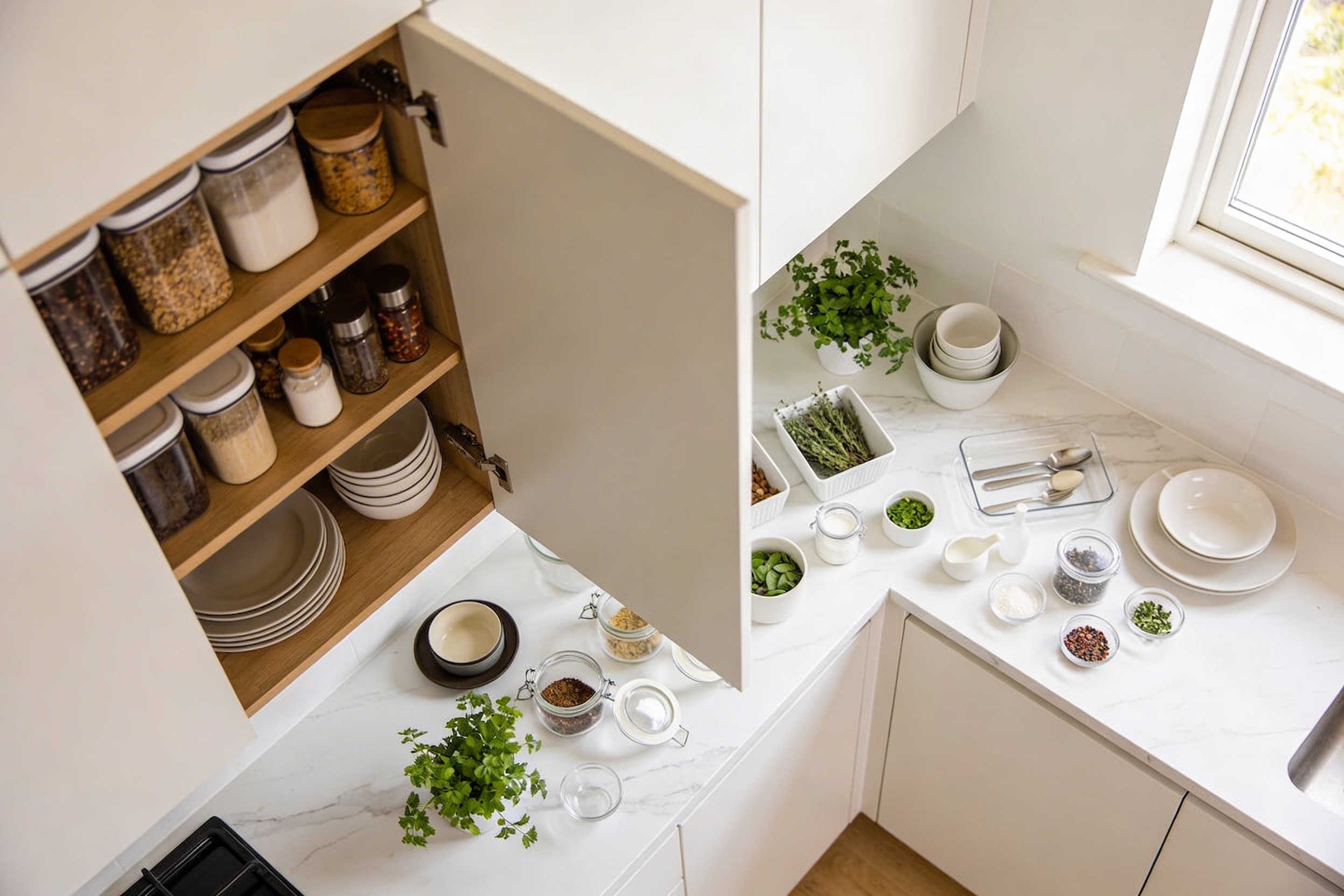
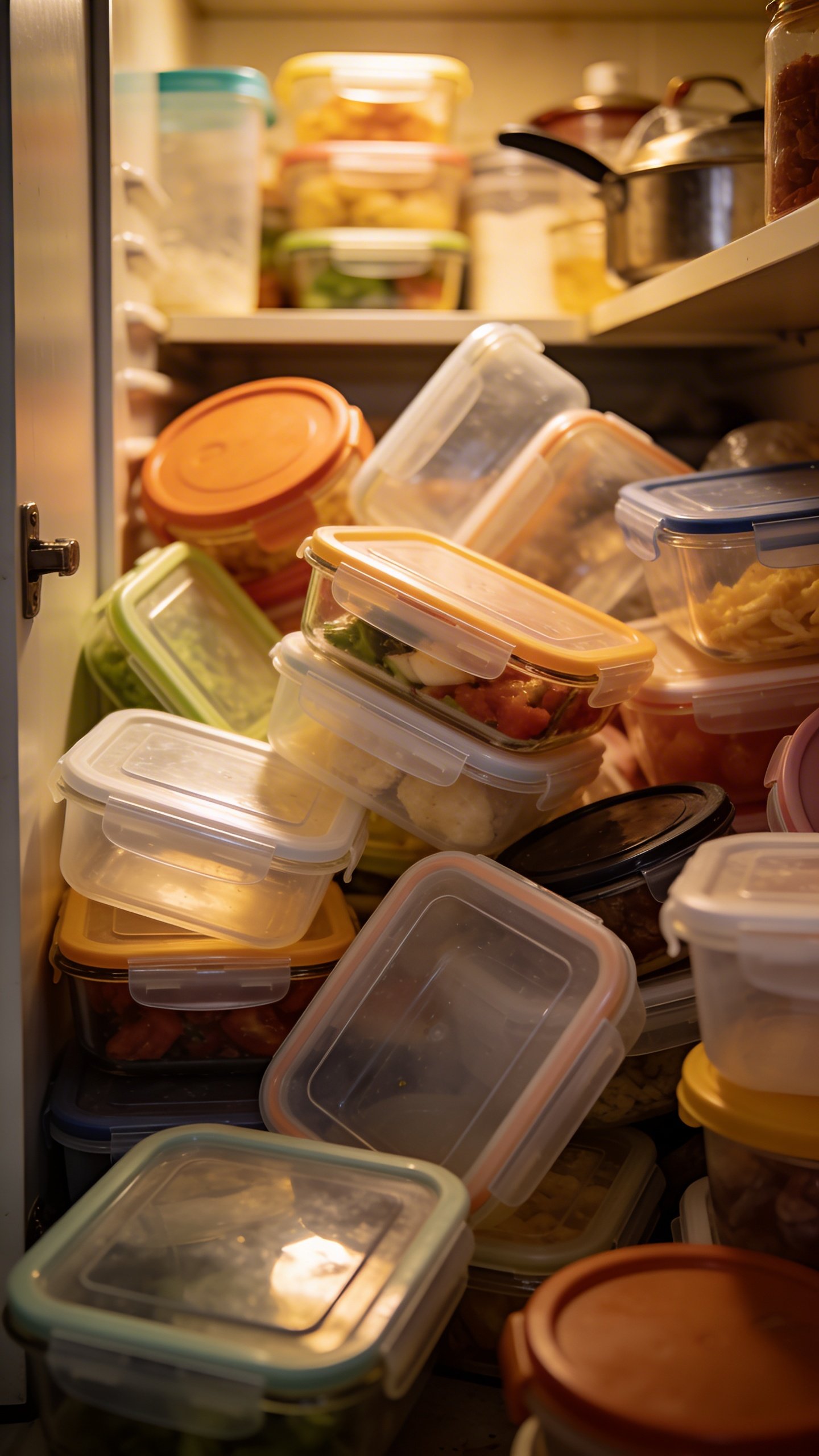
You open your kitchen cabinet and a rogue Tupperware lid launches itself at your face. Sound familiar? We’ve all been there, standing in front of a chaotic mess of mismatched containers, expired spices, and mysteriously sticky shelves. Let’s fix that nightmare once and for all.
Empty Everything Out (Yes, Everything)
I know what you’re thinking—this sounds like a massive pain. And honestly? You’re right. But trust me, you can’t organize what you can’t see. Pull every single item out of your cabinets and pile it all on your counter.
This is actually the perfect time to discover that pasta you bought in 2019 or those three identical jars of cinnamon you somehow accumulated. You’ll probably feel a little embarrassed about the state of things, but hey, at least you’re doing something about it now.
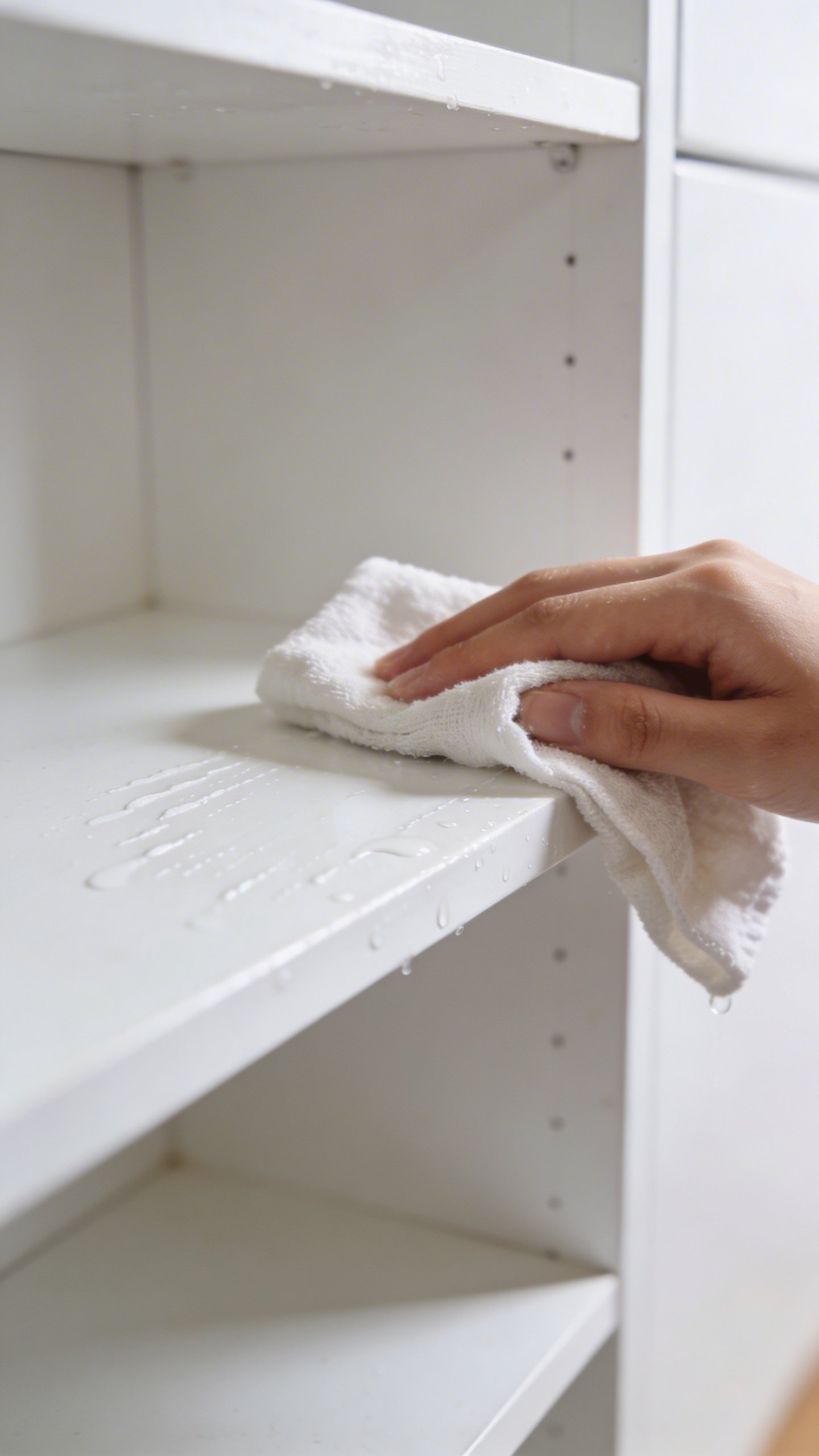
As you empty each cabinet, give the shelves a quick wipe-down. Nothing fancy—just get rid of the crumbs, sticky spots, and whatever that mysterious brown drip is. Clean shelves are the foundation of good organization, and you’ll thank yourself later when you’re not sticking to everything.
Sort and Purge Like Your Kitchen Depends On It
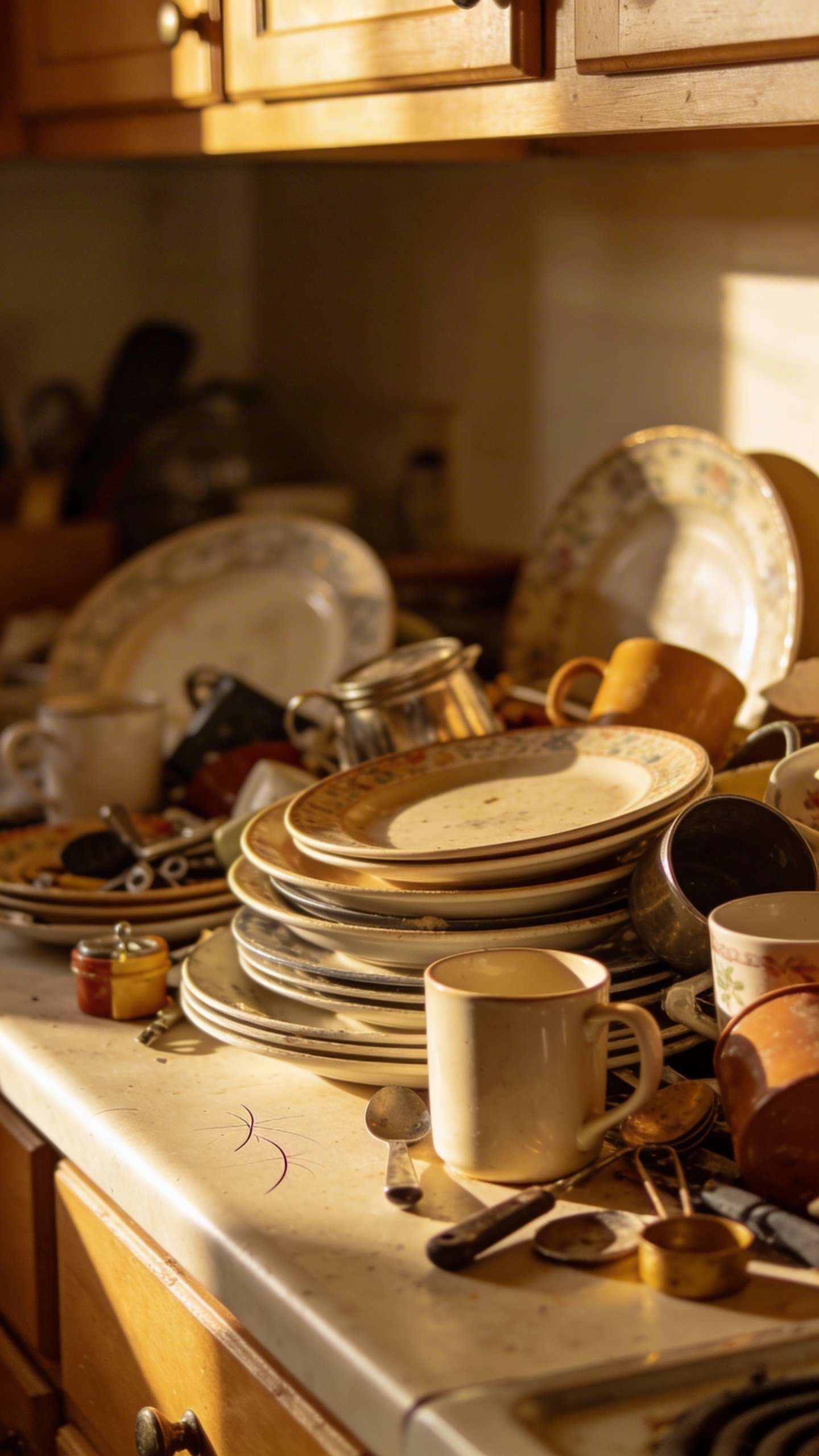
Now comes the fun part: deciding what actually deserves a place in your kitchen. Create three piles: keep, toss, and donate. Be ruthless here—that avocado slicer you used once two years ago? It’s gotta go.
Check Expiration Dates
Go through every single food item and check those dates. I guarantee you’ll find expired baking powder, rancid oils, and spices that lost their flavor sometime during the previous administration. When in doubt, toss it out. Your stomach will thank you.
Ditch the Duplicates
How many can openers does one person need? Exactly. Keep your favorite one and donate the rest. Same goes for those seventeen coffee mugs—you have friends, but not that many friends.
Group Similar Items Together
Here’s where the magic happens. Start creating categories based on how you actually use things. Don’t organize based on some Pinterest fantasy version of yourself who bakes sourdough every weekend—organize for real life.
Think about logical groupings like:
- Baking supplies: flour, sugar, baking powder, vanilla extract, measuring cups
- Breakfast items: cereal, oatmeal, coffee, tea, filters
- Cooking oils and vinegars: olive oil, vegetable oil, sesame oil, vinegars
- Spices and seasonings: everything from salt to that fancy saffron you’re saving for a special occasion
- Snacks: chips, crackers, nuts, granola bars
- Canned goods: soups, beans, tomatoes, coconut milk
Your categories might look different, and that’s totally fine. The point is to group things in a way that makes sense for how you cook and eat. If you make smoothies every morning, create a smoothie station. Work with your lifestyle, not against it.
Assign Zones Based on Frequency
Not all cabinet space is created equal. Those easy-to-reach spots at eye level? That’s prime real estate, my friend. Don’t waste it on the fondue set you haven’t touched since 2015.
Put your daily-use items in the most accessible spots—the cabinets you can reach without a step stool or weird contortionist moves. Coffee, everyday dishes, cooking oils, and frequently used spices should all live here.
Middle and lower shelves can house things you use weekly but not daily. Think pasta, rice, baking supplies, and extra pantry items. The top shelves (aka the danger zone that requires a ladder) should store things you rarely need: special occasion servingware, seasonal items, or that bread maker you swear you’ll use someday.
FYI, keep heavy items on lower shelves. Nobody wants a cast iron skillet falling on their head because they stored it up high. Just saying.
Create a Coffee and Tea Station
If you’re a caffeine person, designate one cabinet for your entire morning routine. Mugs, coffee, tea, filters, sugar, and whatever else you need to become human in the morning should all live together. Your pre-coffee brain will appreciate not having to hunt around for things.
Invest in Some Basic Storage Solutions
You don’t need to spend a fortune on fancy organizers, but a few strategic purchases will change your life. Seriously, the right containers make everything easier to find and keep tidy.
Clear containers are your best friend for dry goods like flour, sugar, pasta, and rice. You can see exactly what you have and how much is left without opening anything. Plus, they stack nicely and keep bugs out—a definite win-win.
Lazy Susans (or turntables, if you prefer) work wonders for corner cabinets and deep shelves. No more losing bottles in the back and buying duplicates because you forgot you had them. Just spin and grab what you need.
Shelf risers let you stack items without creating an unstable tower of canned goods. They double your vertical space and make it easy to see everything at once. IMO, these are seriously underrated and super cheap.
Label Everything
I know labeling seems a bit extra, but it helps everyone in your household know where things go. Plus, it looks satisfying when everything has its designated spot. You can get fancy with a label maker or just use masking tape and a Sharpie—whatever works for you.
Maximize Vertical Space
Most people don’t use the full height of their cabinets, and that’s just wasted potential. Install additional shelves if you have tall cabinets with too much space between shelves. Stackable shelf organizers are an easy alternative if you’re not into DIY projects.
Use the inside of cabinet doors too. Stick adhesive hooks for measuring spoons, attach a small rack for aluminum foil and plastic wrap, or mount a spice rack. That’s free real estate you’re currently ignoring.
Don’t forget about drawer dividers if you’re organizing drawers too. They keep utensils, gadgets, and kitchen tools from becoming a jumbled mess every time you open the drawer.
Maintain Your Newly Organized Cabinets
Here’s the truth nobody wants to hear: organization isn’t a one-and-done deal. You’ll need to maintain it, but don’t worry—it’s way easier than the initial overhaul.
Set a reminder to do a quick cabinet check every three months. Toss expired items, wipe down shelves, and reorganize anything that’s gotten messy. Fifteen minutes of maintenance beats hours of reorganizing when things get completely out of control again.
Make it a household rule that everyone returns items to their designated spots. I know, good luck with that if you have kids or a partner who thinks the counter is a valid storage location. But at least try.
Buy what you need, not what’s on sale (unless you actually need it and will use it soon). Those bulk deals are only good if you have space and will use everything before it expires. Otherwise, you’re just creating clutter and wasting money.
Frequently Asked Questions
Should I store food in the original packaging or transfer it to containers?
Containers are better for most dry goods because they keep food fresher, prevent pests, and stack more efficiently. But there’s no shame in keeping things in original packaging if it’s resealable and fits your space well. Do what works for your budget and lifestyle.
How do I organize a small kitchen with limited cabinet space?
Get creative with vertical space and use every inch available. Install shelves on empty wall space, use the sides of cabinets for hanging storage, and invest in stackable organizers. Also, be even more ruthless about what you keep—small kitchens demand prioritization.
What’s the best way to organize spices?
Store spices in a cool, dark place (not above the stove, despite what every kitchen designer seems to think). Use a tiered organizer, drawer inserts, or a lazy Susan so you can see all your options at once. Alphabetical order helps if you have a lot of spices, or you can group by cuisine type.
How often should I clean out my kitchen cabinets?
Do a deep clean and purge every six months to a year. Quick maintenance checks every three months will keep things from getting too chaotic. If you notice things getting messy or hard to find, that’s your sign to do a mini-reorganization.
Where should I store pots, pans, and baking dishes?
Store these near your stove or oven for easy access while cooking. Use a vertical organizer or drawer dividers to keep lids contained—those things are chaos magnets. Deep drawers work better than cabinets for pots and pans if you have them.
Is it worth buying expensive storage containers and organizers?
Not necessarily. Start with budget-friendly options and see what works for your space and habits. You can always upgrade later if certain solutions prove super useful. Sometimes dollar store bins work just as well as fancy designer ones.
Conclusion
Organizing your kitchen cabinets takes some time upfront, but the payoff is worth it. You’ll save money by not buying duplicates, save time by finding what you need instantly, and save your sanity by not dealing with avalanches of Tupperware every morning.
Start with just one cabinet if the whole project feels overwhelming. Progress is progress, even if it’s slow. Before you know it, you’ll have a kitchen that actually functions the way it should—and maybe, just maybe, you’ll even enjoy cooking a little more.