

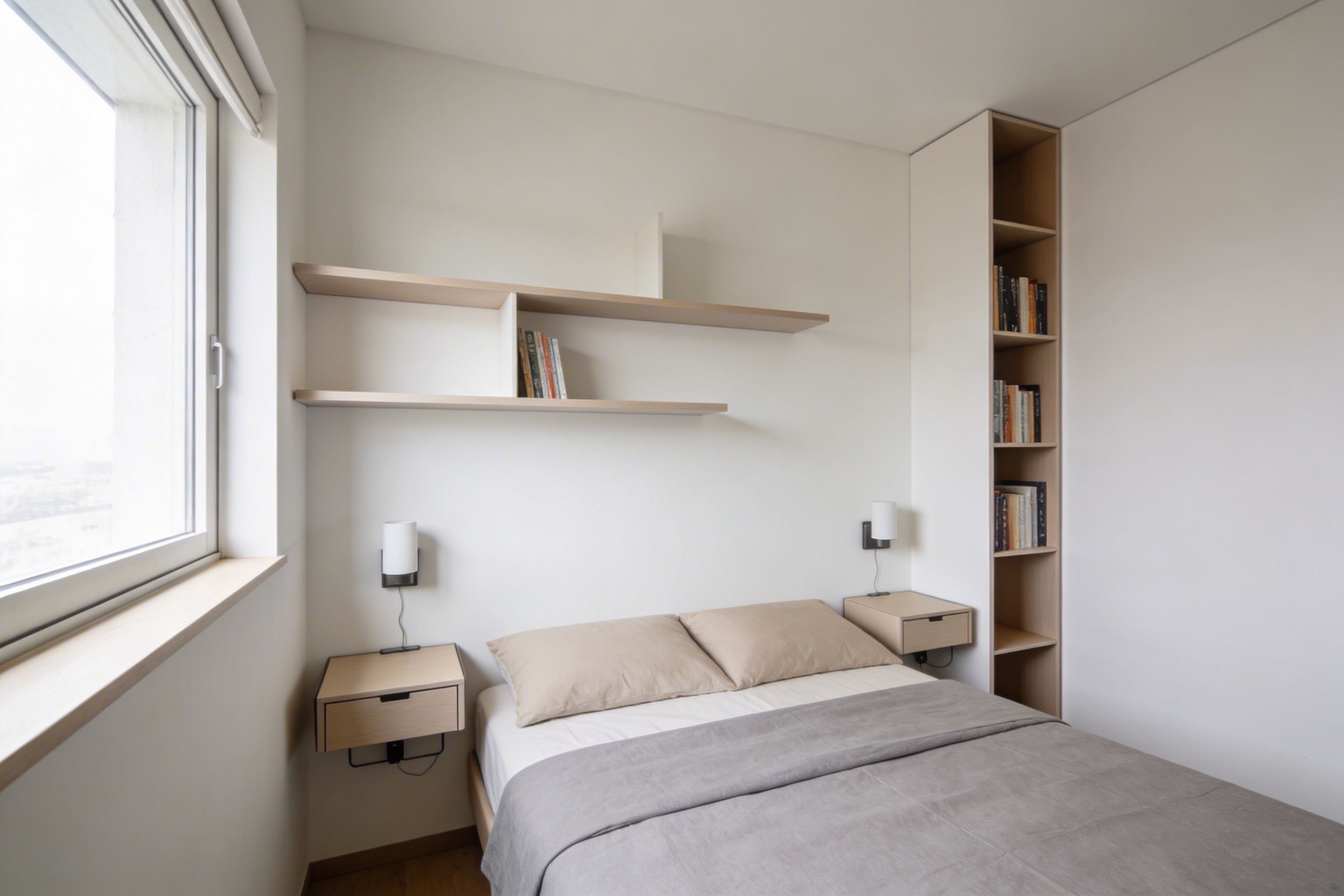
Look, I get it. You’re staring at your shoebox-sized bedroom wondering how you’re supposed to fit your life into this space without it looking like a chaotic disaster zone. The good news? Small bedrooms can actually be incredibly cozy and stylish when you know what you’re doing. Let me walk you through some game-changing tricks that’ll make your tiny room feel like a designer retreat instead of a cramped college dorm.
Think Vertically, Not Horizontally
Here’s the thing most people miss: when you’re short on floor space, your walls become your best friend. Seriously, stop thinking about what you can cram on the ground and start looking up.
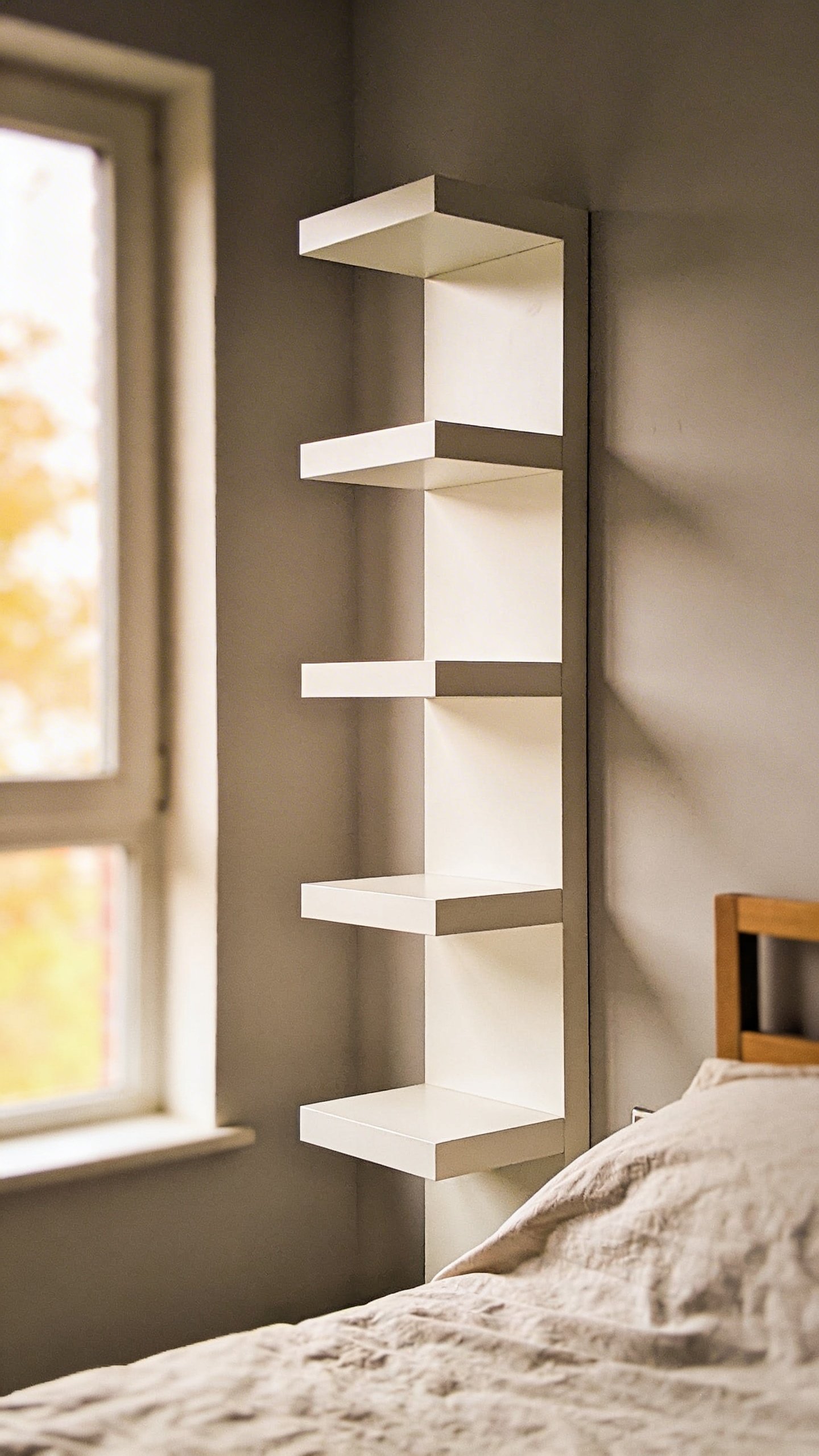
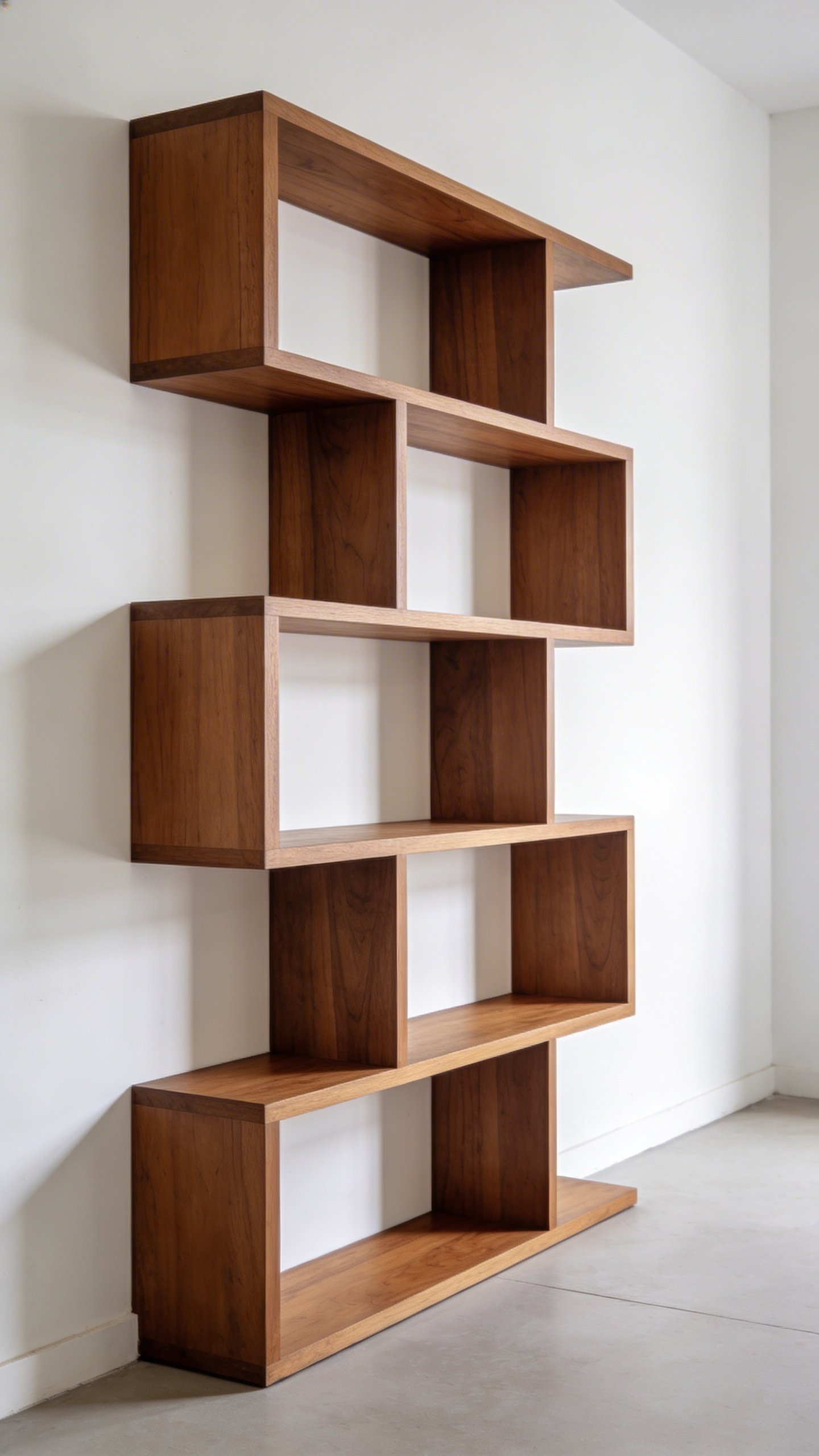
Tall bookshelves, floating shelves, and wall-mounted storage are absolute essentials for small bedrooms. They draw the eye upward, making your ceiling feel higher than it actually is. Plus, you’re using space that would otherwise just sit there being useless.
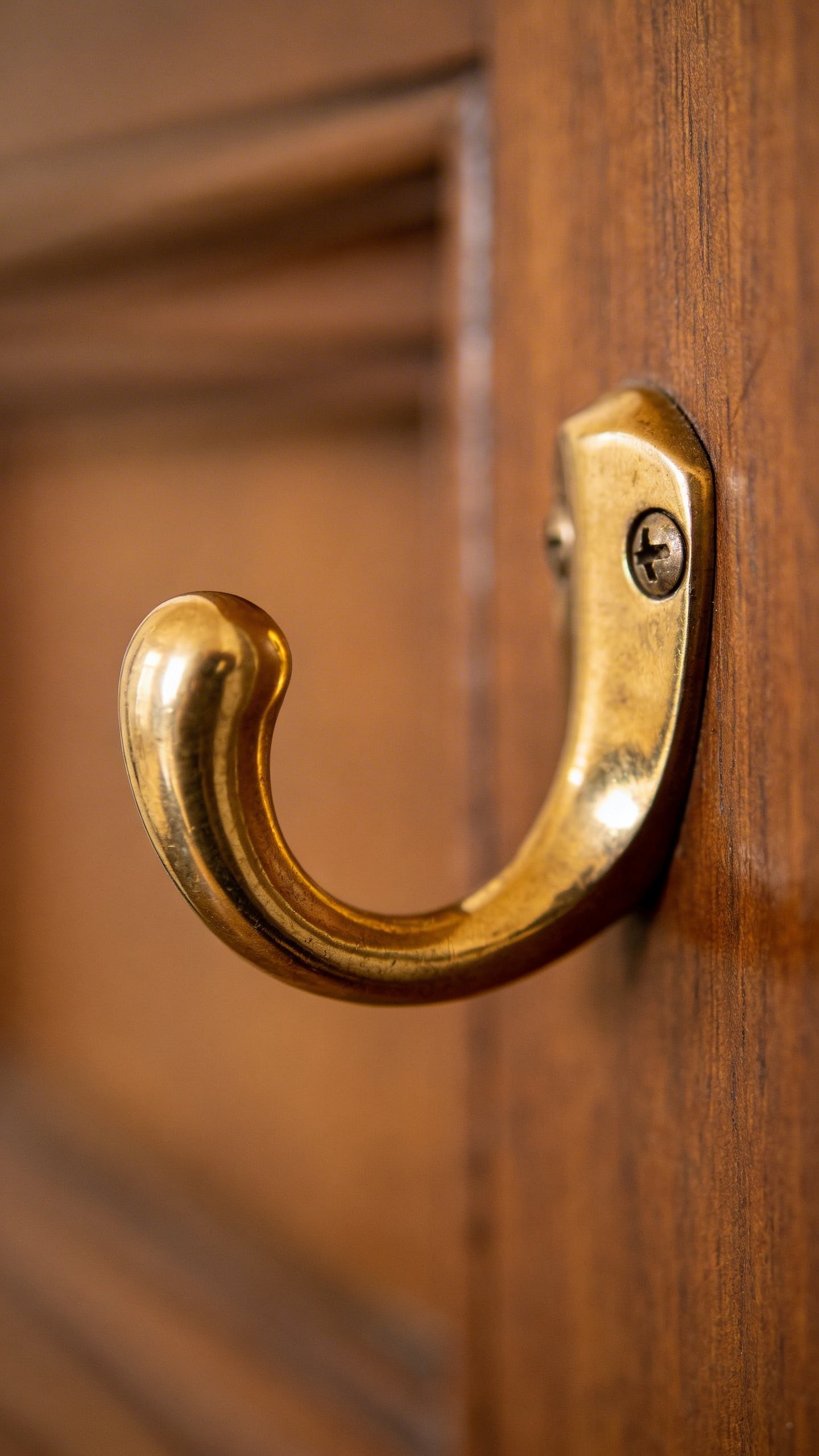
Install hooks on the back of your door for bags, robes, or jewelry. Mount your TV if you have one. Hang your nighttime reading lamp instead of letting it hog precious nightstand real estate. Every square inch counts when you’re working with limited space.
The Magic of Floating Nightstands
Traditional nightstands can make a small room feel even more cramped. Floating nightstands attach directly to your wall and create the illusion of more floor space. Your brain sees that empty floor area and thinks “spacious” even though you haven’t actually gained any square footage. It’s visual trickery at its finest.
Choose Your Bed Wisely
Your bed is probably the biggest piece of furniture in your room, so you better make it work hard for you. No freeloaders allowed in a small space.
Platform beds with built-in storage are phenomenal. You get drawers underneath where you can stash off-season clothes, extra bedding, or all those random things you don’t know what to do with. Some even have hydraulic lifts so you can access storage from the top—fancy, right?
If you’re feeling adventurous, consider a loft bed. Yeah, they’re not just for kids. You can put your desk, a reading nook, or storage underneath. Just make sure you’re okay with climbing a ladder every night because that gets old real quick if you’re not committed.
Skip the Footboard
Hot take: footboards make small rooms feel claustrophobic. They visually chop up the space and make your bed feel more imposing than it needs to be. Go for a simple headboard or even skip both entirely if you’re into that minimalist vibe.
Light It Up Like You Mean It
Lighting can make or break a small bedroom, and I’m not being dramatic here. Bad lighting makes small spaces feel like caves. Good lighting makes them feel airy and intentional.
First rule: maximize natural light however you can. Don’t cover your windows with heavy, dark curtains unless you absolutely need blackout shades for sleep. Go for sheer curtains or light-filtering blinds that let sunshine in while still giving you privacy.
Layer your artificial lighting with three types:
- Ambient lighting (overhead fixtures or ceiling lights)
- Task lighting (reading lamps, desk lights)
- Accent lighting (string lights, LED strips, decorative lamps)
FYI, putting lights on dimmer switches is a total game-changer. You can adjust the mood from “bright and productive” to “cozy Netflix cave” with one switch.
Mirror, Mirror on the Wall
Okay, so mirrors are basically magic for small spaces. They reflect light, create depth, and make your room feel literally twice as big. It’s like getting a free room expansion without knocking down any walls.
A large floor mirror leaning against the wall creates a focal point and makes the room feel more open. Position it across from a window if possible, and watch it bounce that natural light around like nobody’s business.
You can also use mirrored furniture (like a mirrored nightstand or dresser) but don’t go overboard. You want strategically placed mirrors, not a funhouse situation.
Color Schemes That Actually Work
Everyone says “paint it white” for small rooms, and while that’s not wrong, it’s also kind of boring. You have options, I promise.
Light, cool colors do make spaces feel larger—think soft blues, gentle greens, pale grays. But you can absolutely use darker colors if you do it right. A dark accent wall can actually add depth to a small room if the other walls stay light.
The Monochromatic Approach
Sticking to one color family in different shades creates a cohesive look that doesn’t overwhelm the eye. It’s like the design equivalent of wearing all black—it just works. Your walls, bedding, and decor all flow together instead of competing for attention.
Furniture That Multitasks
IMO, every piece of furniture in a small bedroom should earn its place by doing double duty. No room for one-trick ponies here.
Look for pieces like:
- Ottomans that open up for storage
- Desks that fold down when not in use
- Benches at the foot of the bed with hidden compartments
- Nightstands with shelves and drawers (not just a flat surface)
- Wardrobes that can replace bulky dressers
The key is thinking creatively about how furniture can serve multiple purposes. That cute bench? It’s also your shoe storage and a place to sit while you tie said shoes.
Declutter Like Your Sanity Depends on It
Real talk: no amount of decorating genius can fix a cluttered small bedroom. You’ve got to be ruthless about what stays and what goes.
Use the “one in, one out” rule—whenever you bring something new into your bedroom, something old has to leave. It keeps stuff from accumulating into that overwhelming mess that makes small spaces feel even smaller.
Under-bed storage boxes, drawer organizers, and closet systems are your friends. Everything needs a designated home, or it’ll end up on your floor, chair, or that weird pile that somehow always exists in the corner.
The Capsule Wardrobe Approach
If your closet is bursting at the seams, consider streamlining your wardrobe. Keep pieces you actually wear and love, donate the rest. Your small bedroom will thank you, and getting dressed becomes way easier when you’re not digging through clothes you haven’t worn since 2019.
Frequently Asked Questions
How can I fit a desk in my small bedroom?
Wall-mounted fold-down desks are absolute lifesavers for tiny bedrooms. They disappear when you’re not using them, giving you back that floor space. Alternatively, a narrow console table can double as both a desk and a vanity. Corner desks also maximize awkward spaces that wouldn’t work for other furniture.
Should I use wallpaper in a small bedroom?
Absolutely! Just choose wisely. Vertical stripes make ceilings feel higher, while subtle patterns add visual interest without overwhelming the space. Avoid huge, busy prints that’ll make the walls feel like they’re closing in. One accent wall with wallpaper can add personality without going overboard.
What size rug should I use?
Go bigger than you think. A rug that’s too small makes the room feel choppy and even smaller. Ideally, your rug should fit under at least the bottom two-thirds of your bed and extend out on the sides. If you can’t fit a large rug, skip it entirely rather than using a tiny one that looks like a bath mat.
How do I make my low ceiling feel higher?
Use vertical lines in your decor—tall lamps, floor-to-ceiling curtains hung at ceiling height (not just above the window), and vertical artwork. Paint your ceiling a lighter shade than your walls, or even add subtle stripes going up the walls. Keep furniture low-profile so you’re not emphasizing the lack of vertical space.
Can I have plants in a small bedroom?
Definitely! Plants make any space feel fresh and alive. Hanging planters are perfect for small bedrooms because they don’t take up surface space. Tall, narrow plants like snake plants fit in corners nicely. Just don’t turn your bedroom into a jungle—two to four well-placed plants are plenty.
What’s the biggest mistake people make decorating small bedrooms?
Trying to cram in too much stuff. Just because you can fit seventeen throw pillows, three nightstands, and a full gallery wall doesn’t mean you should. Small bedrooms need breathing room. Choose a few statement pieces you love and let them shine rather than cluttering every surface with decor.
Wrapping It Up
Decorating a small bedroom isn’t about making do with less—it’s about being smarter with what you have. Focus on vertical storage, choose multifunctional furniture, and don’t be afraid to get creative with your layout. The best small bedrooms feel intentional and curated, not cramped and chaotic.
Remember, some of the coziest, most inviting bedrooms are actually on the smaller side. Work with your space instead of against it, and you might find you prefer your compact sanctuary to those cavernous master bedrooms anyway. Now go forth and make that small bedroom absolutely awesome.