

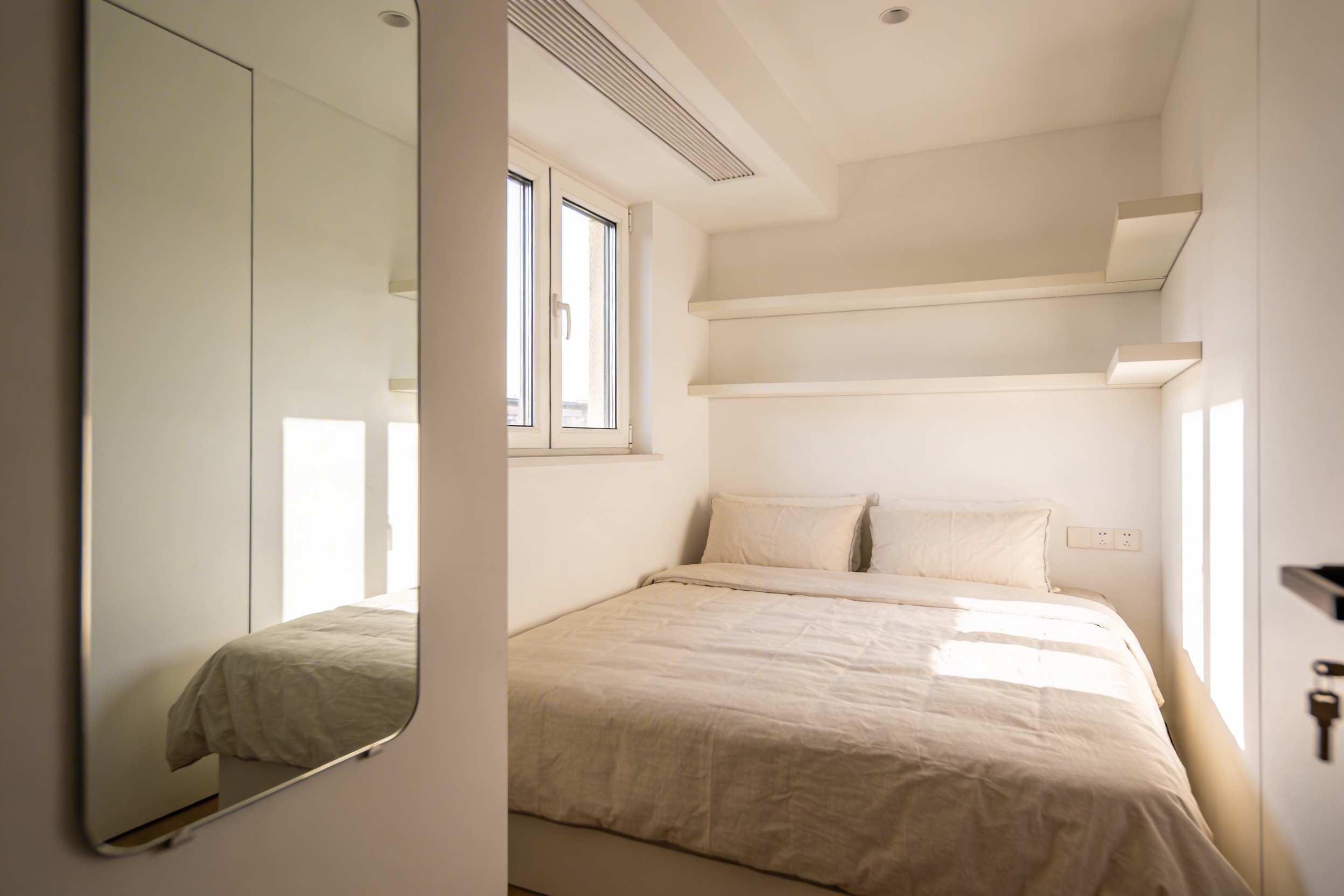
Living in a small bedroom doesn’t mean you have to feel like you’re camping in a closet. Whether you’re dealing with a shoebox apartment or just drew the short straw on bedroom size, the right arrangement can transform your cramped quarters into a cozy, functional space. The secret isn’t magic—it’s strategy, and I’m about to spill all the tricks that actually work.
Start With Your Bed Placement (Because It’s Kind of a Big Deal)
Your bed takes up the most real estate, so getting its placement right is priority number one. Think of it as the anchor for everything else in your room.
The most common move is pushing your bed against a wall—and honestly, there’s no shame in that game. It frees up precious floor space and creates a natural flow. Corner placement works even better if you can swing it, giving you two full walls to work with for other furniture.
But here’s where people mess up: they automatically shove the bed against the wall without considering which wall makes the most sense. Look at your door placement, windows, and where natural light hits. You don’t want to wake up with the sun blasting directly into your eyeballs every morning unless you’re into that sort of torture.
The Floating Bed Debate
Some design gurus swear by floating the bed in the center of the room. In a small bedroom? Skip this unless you have a really specific layout that makes it work. You’ll just create awkward, unusable pockets of space on all sides that are too small for furniture but too big to ignore.
Maximize Vertical Space Like Your Sanity Depends on It

When you can’t go out, go up. Seriously, walls are the most underutilized resource in small bedrooms.
Install floating shelves above your desk, dresser, or even your bed. They hold books, plants, decorative items—basically anything you’d normally pile on your floor or nightstand. Wall-mounted lighting is another game-changer that frees up surface space you’d otherwise sacrifice to bulky lamps.
Consider tall, narrow storage units instead of short, wide ones. A six-foot bookshelf has the same footprint as a three-foot one but doubles your storage. It’s literally just math, but the difference it makes is huge.
The Power of High-Mounted Everything
Mount your TV if you have one. Hang your mirror. Get hooks for bags, jewelry, and hats. Every item you get off horizontal surfaces makes your room feel less cluttered and more spacious. Plus, it’s way easier to clean when you’re not moving a million things around.
Multi-Functional Furniture Is Your New Best Friend
In small spaces, furniture needs to earn its keep. If it only does one thing, you probably can’t afford to keep it around.
Ottoman with storage inside? Chef’s kiss. Bed frame with built-in drawers? Absolutely. Desk that folds against the wall when you’re not using it? Now we’re talking. IMO, investing in quality multi-functional pieces pays off way more than buying cheap single-purpose furniture.
Here are some multi-functional MVPs worth considering:
- Storage beds with hydraulic lift mechanisms (access to massive under-bed storage)
- Nightstands with multiple shelves or drawers
- Benches with hidden storage compartments
- Murphy beds for the truly space-challenged
- Fold-down desks or wall-mounted drop-leaf tables
Don’t forget about furniture that can move around easily. A rolling cart can serve as a nightstand, desk organizer, or plant stand depending on what you need that day.
Create Zones (Yes, Even in a Tiny Room)
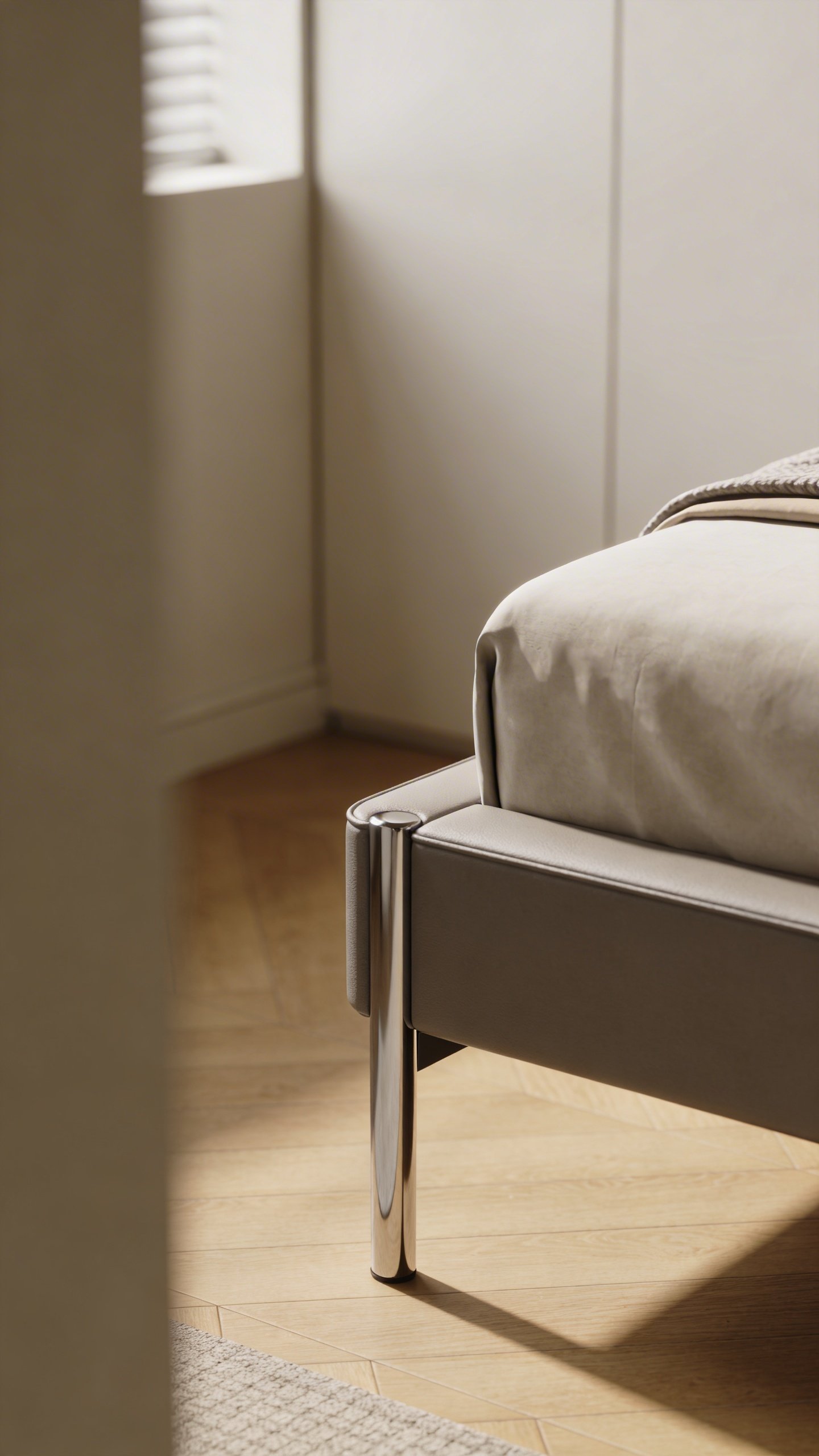
Just because your bedroom is small doesn’t mean it can’t have different areas. Creating distinct zones makes the space feel larger and more organized.
Your sleeping zone is obvious—that’s wherever your bed lives. But you can also carve out a getting-ready zone with a mirror and small stool, or a work zone with a compact desk. Even a reading nook in a corner with a comfy chair counts.
Use rugs to visually define these areas. A small rug under your desk or beside your bed creates separation without building actual walls. It’s a psychological trick that absolutely works.
The Under-Bed Frontier
If you’re not using the space under your bed, you’re basically throwing away free storage. That real estate is prime territory for stuff you need but don’t use daily.
Grab some rolling storage containers or flat boxes designed for under-bed use. They’re perfect for off-season clothes, extra bedding, shoes, or whatever else you need to stash. Just make sure you can easily pull them out—there’s nothing worse than storage you can’t actually access without a full workout session.
If you’re starting from scratch with furniture, consider getting a bed frame that sits higher off the ground. Those extra few inches make a massive difference in what you can fit underneath. Some frames specifically come with built-in drawers or lift-up storage, which eliminates the need for a separate dresser entirely.
Mirrors, Light, and Color Psychology
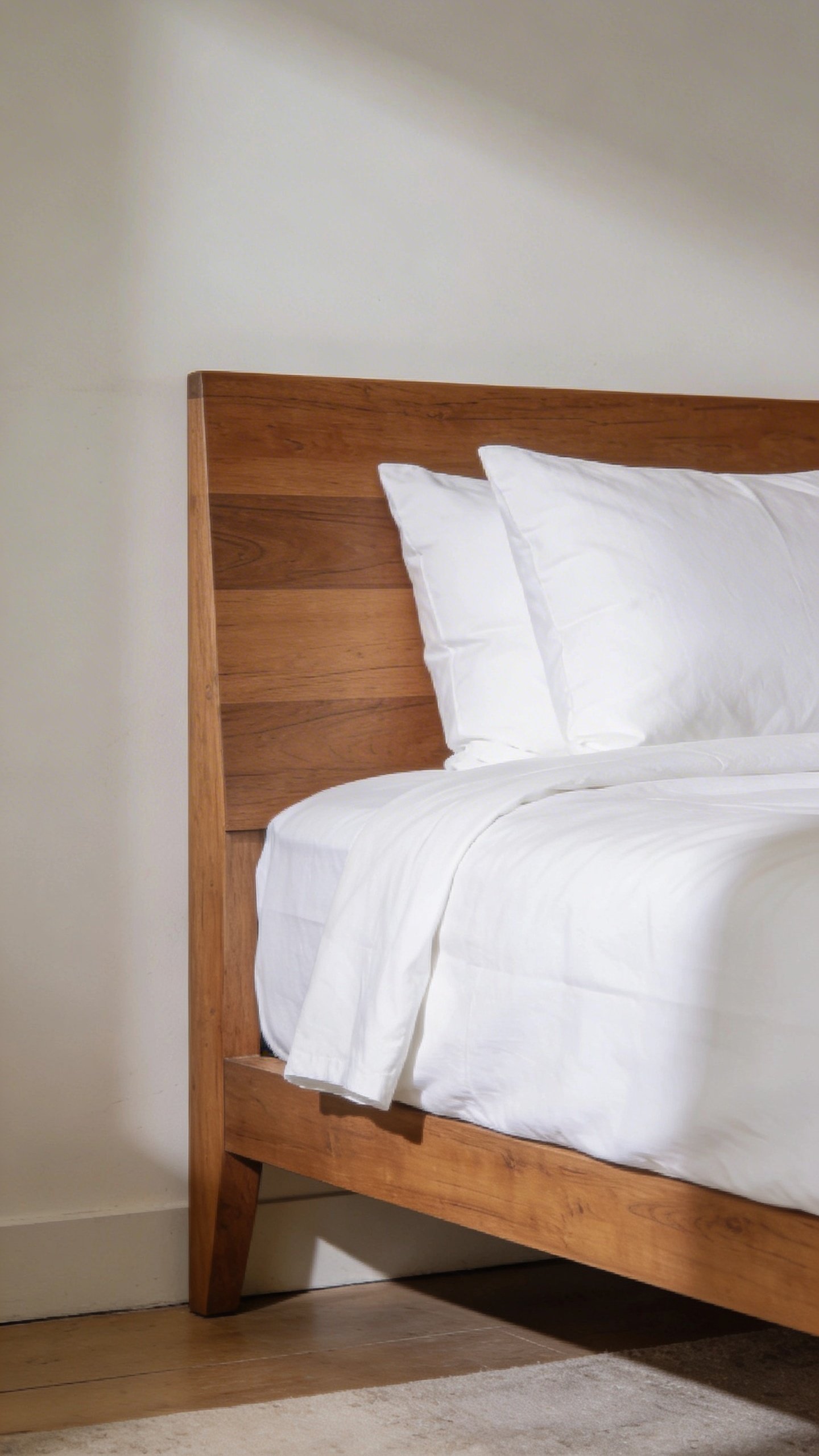
Want to know the oldest trick in the small-space playbook? Mirrors. They bounce light around and create the illusion of more space. It’s not exactly groundbreaking advice, but it works.
Place a large mirror across from your window to maximize natural light. Or go for mirrored closet doors if you’re really committed to the cause. Just maybe avoid putting a mirror directly across from your bed unless you enjoy scaring yourself awake at 3 AM.
Keep Your Color Palette Light
Dark colors absorb light and make spaces feel smaller. Light colors reflect light and open things up. Shocking, I know.
That doesn’t mean everything needs to be stark white (unless that’s your vibe). Soft neutrals, pastels, or cool tones work beautifully. You can absolutely add pops of darker or brighter colors through accessories, artwork, or an accent wall—just keep the majority of your space on the lighter side.
Lighting Layers Matter
Don’t rely on just one overhead light. Layer your lighting with a mix of ambient, task, and accent lights. This creates depth and makes your room feel more spacious and intentional. FYI, warm-toned bulbs create coziness while cool-toned ones make spaces feel larger—choose based on your priority.
Declutter Like It’s Your Job
Here’s some tough love: you can arrange furniture until you’re blue in the face, but if your room is packed with stuff, it’ll still feel cramped.
Small bedrooms require ruthless editing. Go through your clothes, books, knickknacks, and everything else. If you haven’t used it in six months and don’t absolutely love it, consider donating or tossing it. Every item you remove is literal breathing room you gain back.
Get creative with what you keep visible versus hidden. Open shelving works great for curated, attractive items, while closed storage should house everything else. Nobody needs to see your collection of random charging cables and old birthday cards.
Frequently Asked Questions
Should I get a king-size bed in a small bedroom?
Probably not, unless you want your bed to be your entire room. A full or queen usually hits the sweet spot between comfortable sleeping space and leaving room for, you know, actually walking around. Measure your room first and make sure you’ll have at least two feet of clearance on the sides you’ll use to get in and out of bed.
Where should I put my dresser in a small bedroom?
If you have closet space, consider skipping the dresser entirely and using closet organizers instead. If you need one, place it where it won’t block natural pathways or light sources. Across from your bed often works well, or in a corner. Tall and narrow beats short and wide in small spaces.
How do I fit a desk in my small bedroom?
Look for compact or wall-mounted options. A floating desk takes up zero floor space when not in use. Corner desks maximize awkward spaces. You can also use a windowsill-height shelf as a standing desk, or get a lap desk and work from bed (no judgment).
What’s the best way to organize a small closet?
Maximize vertical space with double hanging rods, shelf dividers, and over-door organizers. Use matching hangers to save space and create visual calm. Store off-season clothes elsewhere if possible. Consider a capsule wardrobe approach to simply own less stuff—it makes organization way easier.
Can I have plants in a small bedroom without it feeling cluttered?
Absolutely! Just go vertical with hanging planters or wall-mounted options. Windowsill plants work great too. Stick to a few larger plants rather than tons of tiny ones to avoid the cluttered look. Plants actually make small spaces feel more alive and less cramped when done right.
How often should I rearrange my small bedroom?
Whenever it stops working for you, honestly. Some people rearrange seasonally for a refresh, others find the perfect setup and stick with it for years. If you feel cramped or your routine has changed, it might be time to reconsider your layout.
Wrapping It Up
Arranging a small bedroom is less about following strict rules and more about understanding the principles that make spaces work. Prioritize your bed placement, think vertically, choose furniture that multitasks, and ruthlessly edit your belongings. Mix in some strategic mirrors and lighting, and you’ve got yourself a room that feels way bigger than its square footage suggests.
The best arrangement is ultimately the one that fits your lifestyle and makes you feel comfortable. Don’t be afraid to experiment, move things around, and break the “rules” if something else works better for you. Your small bedroom might not be getting any bigger, but with the right approach, it can absolutely feel like it did.