

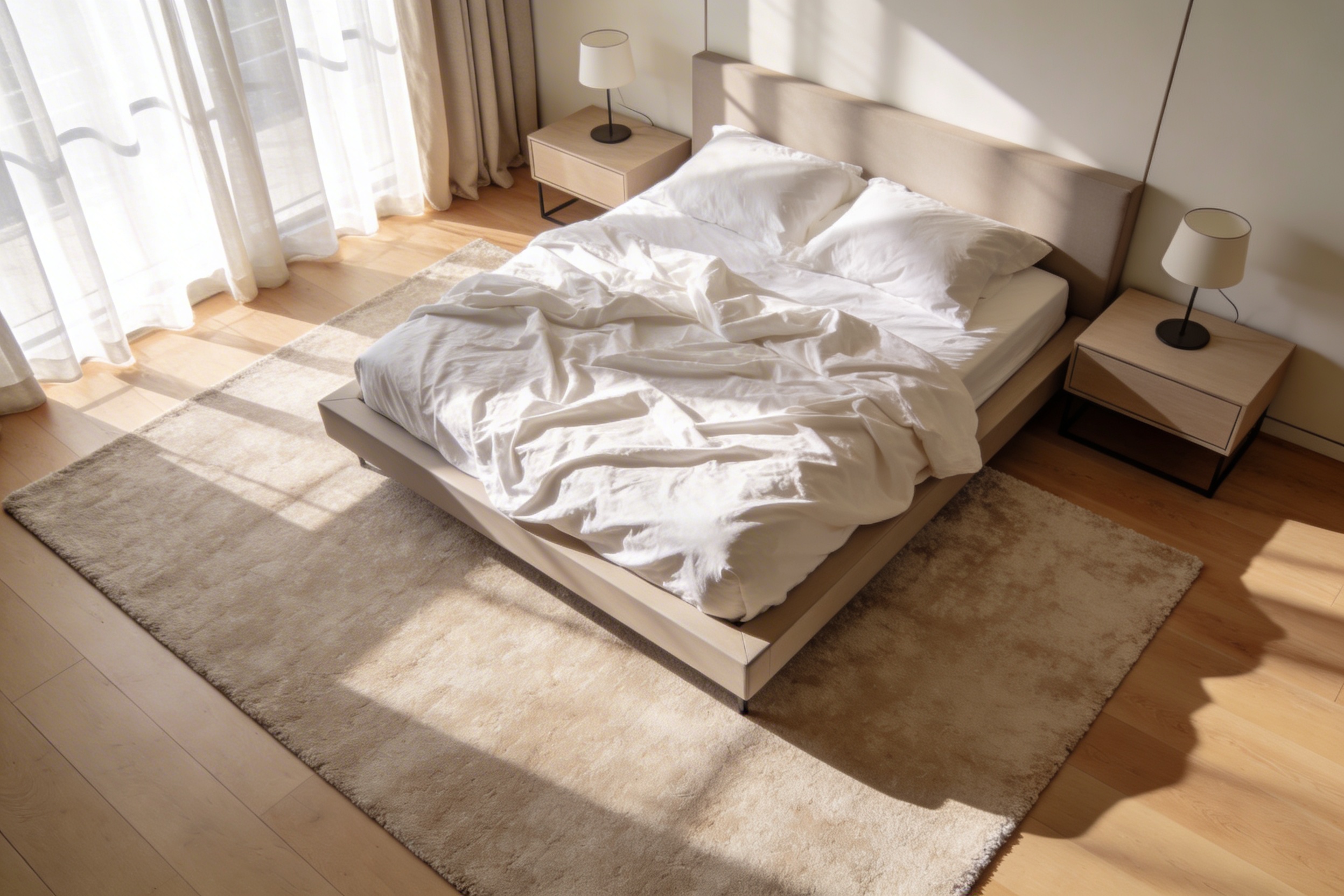
Ever stared at your bedroom wondering why it feels off despite that gorgeous new rug you bought? The problem might not be the rug itself—it’s where you put it. Rug placement is one of those sneaky design elements that can make or break your bedroom’s entire vibe. Get it right, and your space feels pulled together and cozy; get it wrong, and everything looks awkward and cramped.
Why Rug Placement Actually Matters
Look, I get it. A rug is just fabric on the floor, right? Wrong. The placement of your bedroom rug affects everything from how spacious your room feels to whether you stub your toe on the bed frame every morning.
A well-placed rug anchors your furniture and creates visual boundaries in your space. It also determines whether your feet hit cold, hard floor when you roll out of bed or land on something soft and welcoming. That difference matters way more than you’d think, especially on those freezing Monday mornings.
Plus, rugs help with acoustics. Bedrooms with proper rug placement feel quieter and more peaceful because the fabric absorbs sound. Nobody wants their room echoing like a gymnasium.
The Classic Under-the-Bed Placement
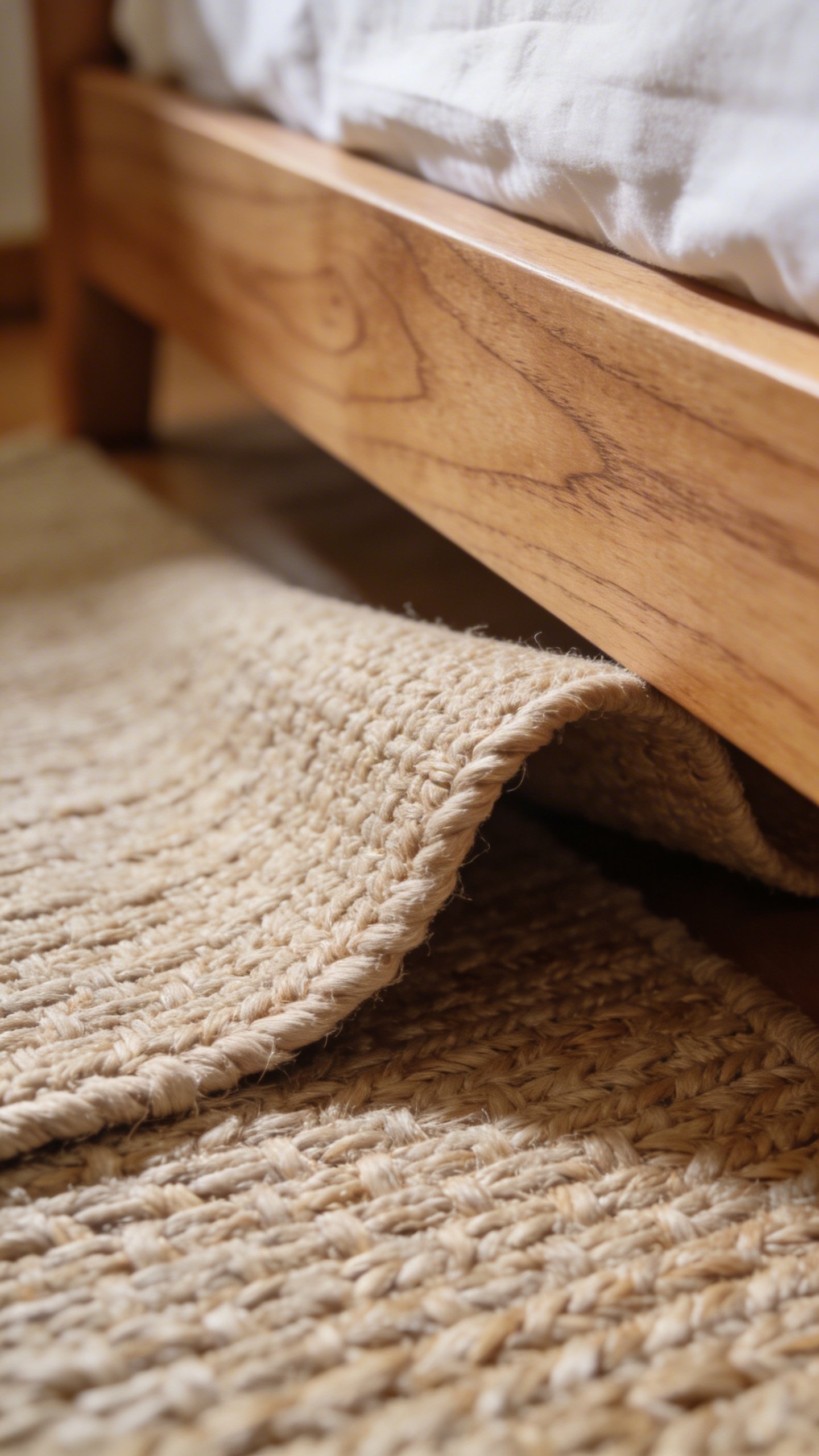
This is the most popular option for a reason. When you slide a rug partially under your bed, you create a cohesive look that frames your sleeping area like a piece of art.
The Two-Thirds Rule
Your rug should extend about two-thirds of the way under your bed. This means the bottom third of the rug peeks out from under the foot of your bed, and it extends generously on both sides. When you step out of bed, your feet land on the rug no matter which side you’re on.
For this placement to work, you’ll need a pretty big rug. For a queen bed, think 8×10 feet minimum. For a king, you’re looking at 9×12 feet. Yeah, it’s an investment, but it makes the room feel luxurious and intentional.
How Much Should Stick Out?
Aim for 18 to 24 inches of rug visible on each side of the bed and at the foot. This creates enough landing space for your feet without looking like you’re trying to carpet the entire room. If you have nightstands, the rug should extend beyond them too, so everything sits on one cohesive surface.
The Bedside Runner Approach
Working with a smaller budget or a smaller room? Bedside runners might be your best friend. Instead of one giant rug, you place two matching runners on either side of the bed.
This setup gives you that soft landing spot without requiring a massive rug. It works particularly well in narrow bedrooms where a large rug would overwhelm the space. Just make sure your runners are long enough to extend from your nightstand to at least the foot of the bed.
The catch? You need to find two identical rugs, and you’ll want them to be actual runners (long and narrow) rather than just small rectangular rugs. Trust me, the proportions matter here.
The Layered Look

Feeling adventurous? Layering rugs adds texture and personality to your bedroom. You start with a larger, neutral base rug (think jute or sisal) and then layer a smaller, more decorative rug on top.
This approach lets you play with patterns and colors without committing fully. Your base rug anchors the space and provides that essential softness underfoot, while the top rug brings the visual interest. FYI, this works best in larger bedrooms where you have room to showcase both rugs without things looking cluttered.
Just remember: the bottom rug should be significantly larger than the top one. You want visible borders of the base rug showing around your statement piece.
Floating the Rug (For Smaller Spaces)
If your bedroom is on the cozy side, you might want to “float” your rug in front of the bed rather than sliding it underneath. This means the rug sits entirely in front of the bed, not extending under it at all.
This placement works when you literally can’t fit a large rug under your bed without it bunching against the walls. The rug becomes more of an accent piece, kind of like a welcome mat for your bed. Make sure it’s still wide enough to extend beyond your bed frame on both sides, though, or it’ll look like a bath mat that got lost.
The downside? Your feet might hit floor instead of rug when you first get out of bed, depending on your sleeping position. But it’s better than forcing an oversized rug into a space where it doesn’t fit.
Common Mistakes That Kill the Vibe
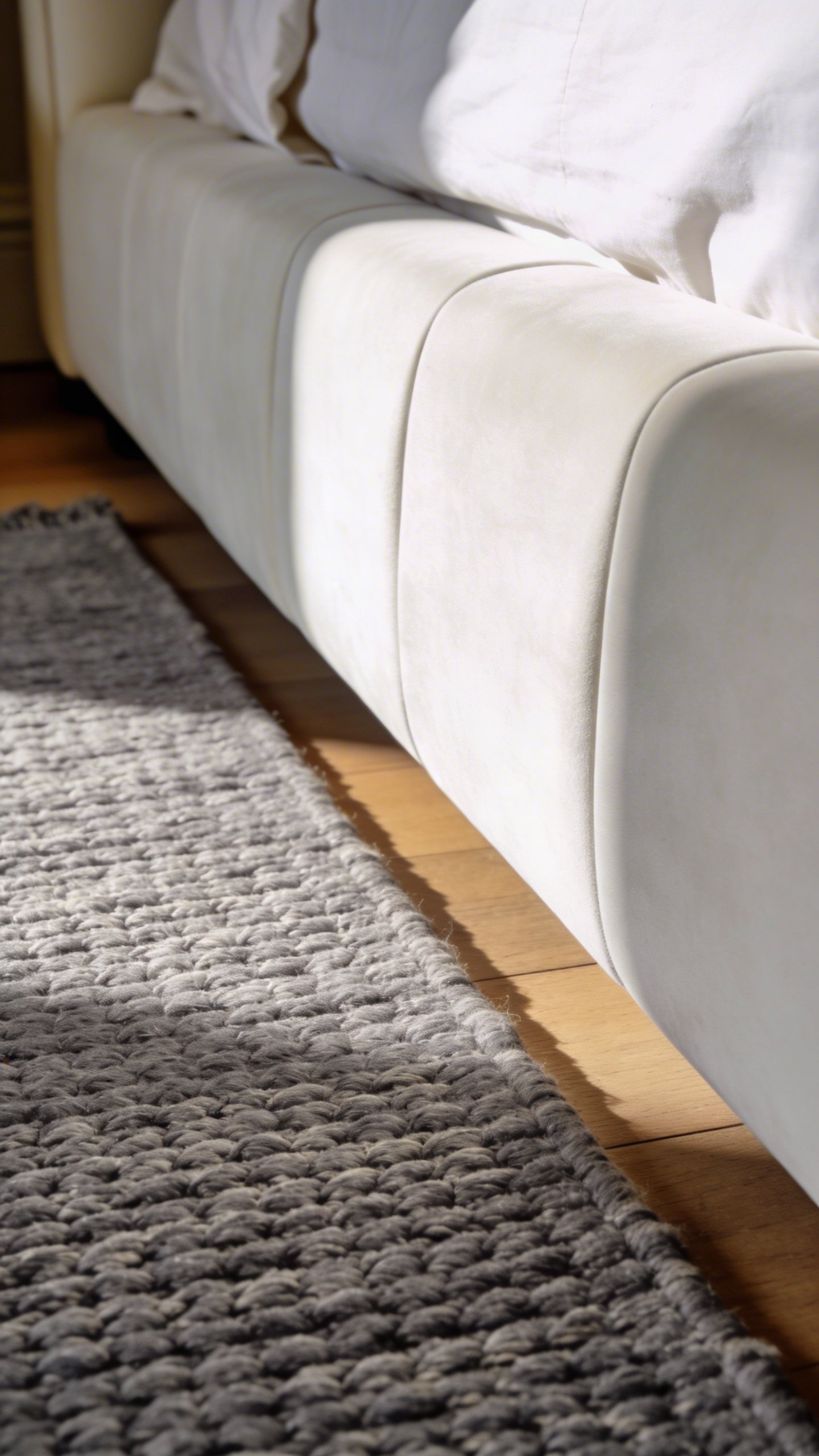
Let’s talk about what NOT to do, because I’ve seen some rough rug situations out there.
The Tiny Rug Syndrome
That 5×7 rug might look fine in the store, but in your bedroom, it’ll look like a postage stamp. Too-small rugs make your entire room feel smaller and disconnected. If you can’t afford a properly sized rug right now, honestly, save up and wait. A cheap small rug looks worse than no rug at all. IMO, this is the number one rug mistake people make.
The Furniture Island
Don’t let your nightstands float off the rug while your bed sits partially on it. Your nightstands and bed should either all sit on the rug or all sit off it (except for the under-bed placement we discussed earlier). Mixing it up looks accidental and sloppy.
Wall-to-Wall Almost
Your rug shouldn’t come within two inches of your walls. You need visible floor space around the perimeter to frame the rug and prevent that wall-to-wall carpet look. Leave at least 12-18 inches of bare floor showing around the edges of your room.
Choosing the Right Size
Size matters more than style when it comes to rugs. You can have the most gorgeous Persian rug in the world, but if it’s too small, it’ll look ridiculous.
For a full or queen bed, your rug should be at least 8×10 feet. For a king bed, go with 9×12 feet minimum. These sizes allow for proper placement with adequate rug visible on all sides.
If you’re using bedside runners, each runner should be at least 3×8 feet or 3×10 feet. Anything smaller won’t provide enough coverage to look intentional.
When in doubt, size up. A slightly-too-large rug looks intentional and luxurious. A too-small rug just looks like a mistake.
FAQ
Should my rug go under my dresser?
Nope, unless you’ve got a genuinely massive rug and plenty of room to spare. Your dresser typically lives against a wall, and having the rug extend all the way there can make the space feel crowded. Let your rug anchor the bed area and leave the dresser on bare floor. This creates better visual separation between your sleeping zone and storage zone.
What about rug placement with a bed against the wall?
If you’ve pushed your bed against a wall (hello, studio apartment living), you can center the rug so it extends generously on the accessible sides. You won’t have equal coverage all around, and that’s fine. Just make sure the rug extends far enough on the open sides and at the foot of the bed to create that landing zone.
Can I use a round rug in my bedroom?
You absolutely can, though it’s trickier to pull off. Round rugs work best when floated in front of the bed or placed under a reading chair in the corner. They don’t work as well for the under-bed placement because the shape conflicts with your bed’s rectangular lines. If you love a round rug, get at least a 6-foot diameter and treat it as an accent piece rather than your main bedroom rug.
How do I keep my rug from sliding around?
Invest in a quality rug pad. Period. This isn’t optional. A rug pad prevents slipping, protects your floors, and makes your rug feel plusher underfoot. Make sure your pad is slightly smaller than your rug (about 2 inches smaller on all sides) so it stays hidden. This is one of those unsexy purchases that makes a massive difference.
Should bedroom rugs match the decor or contrast it?
Either approach works, depending on your style. Matching creates a cohesive, calming vibe that’s perfect for bedrooms. Contrasting makes your rug a statement piece that adds visual interest. If your bedroom already has lots of pattern and color, a neutral rug grounds the space. If your bedroom is minimalist, a bold rug adds personality without cluttering surfaces.
What’s the best rug material for bedrooms?
Comfort is king in bedrooms, so go for something soft underfoot. Wool rugs are durable, naturally stain-resistant, and feel great. Cotton rugs work well and they’re machine-washable (score!). Synthetic materials like polypropylene are budget-friendly and easy to clean. Save the scratchy natural fibers like jute and sisal for living rooms—you don’t want that texture against your bare feet first thing in the morning.
Wrapping It Up
Rug placement in your bedroom isn’t rocket science, but it does require some thought and proper measurements. The key is making sure your rug is large enough, positioned to create a soft landing zone around your bed, and balanced with your other furniture.
Whether you go for the classic under-bed placement, dual runners, or a floating rug in front of your bed, just remember the golden rule: bigger is almost always better. Your future self, stepping out of bed on a cold morning onto a plush, properly sized rug, will thank you.