

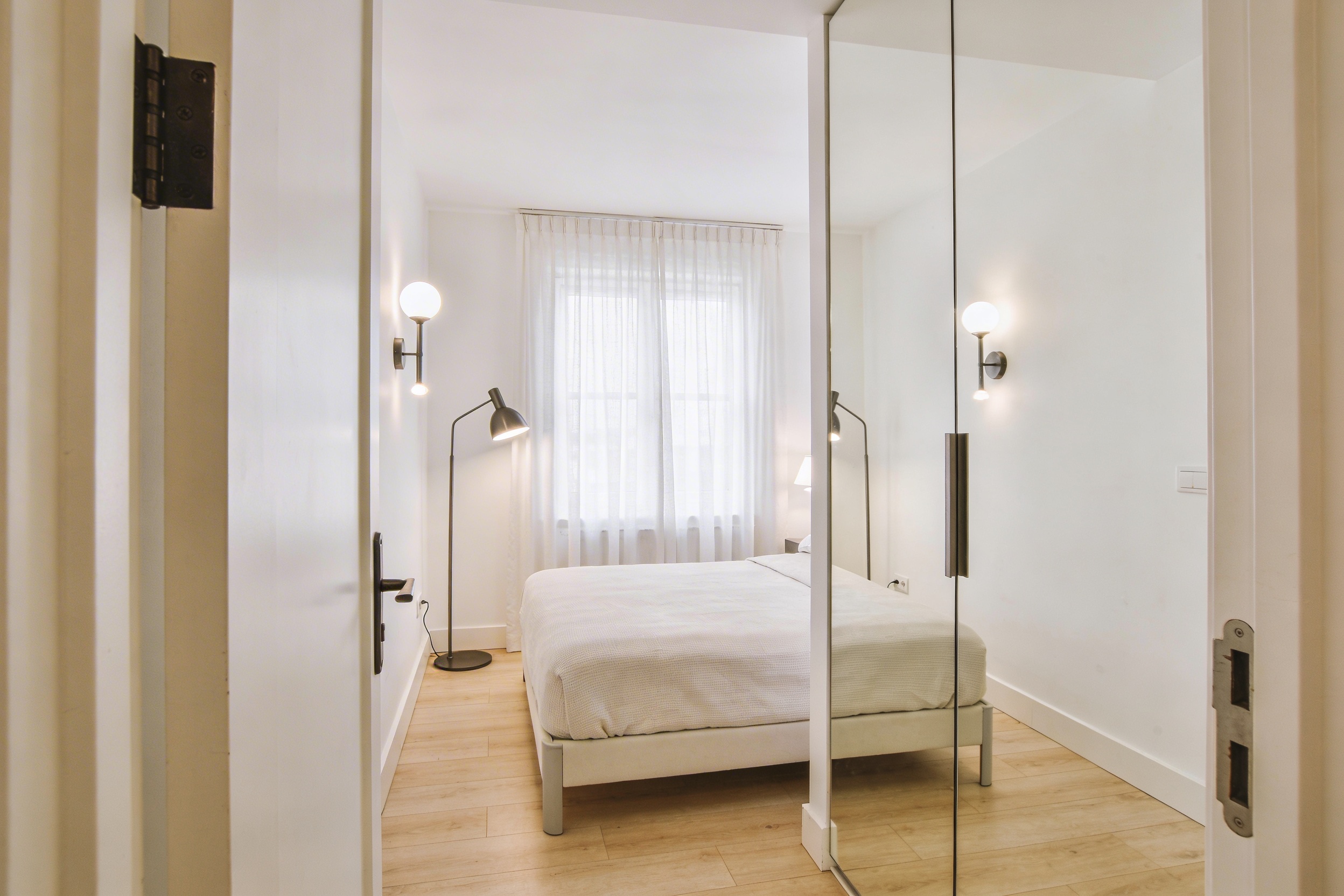
Staring at your shoebox-sized bedroom and wondering if you accidentally rented a walk-in closet? You’re not alone. The good news is that you don’t need to knock down walls or blow your entire savings to make your tiny sleep space feel roomier. With some clever tricks and strategic design choices, you can transform your cramped quarters into a surprisingly spacious sanctuary.
Let There Be Light (And Lots of It)
Here’s the deal: darkness makes everything feel smaller and more claustrophobic. Light is your absolute best friend when you’re dealing with limited square footage.
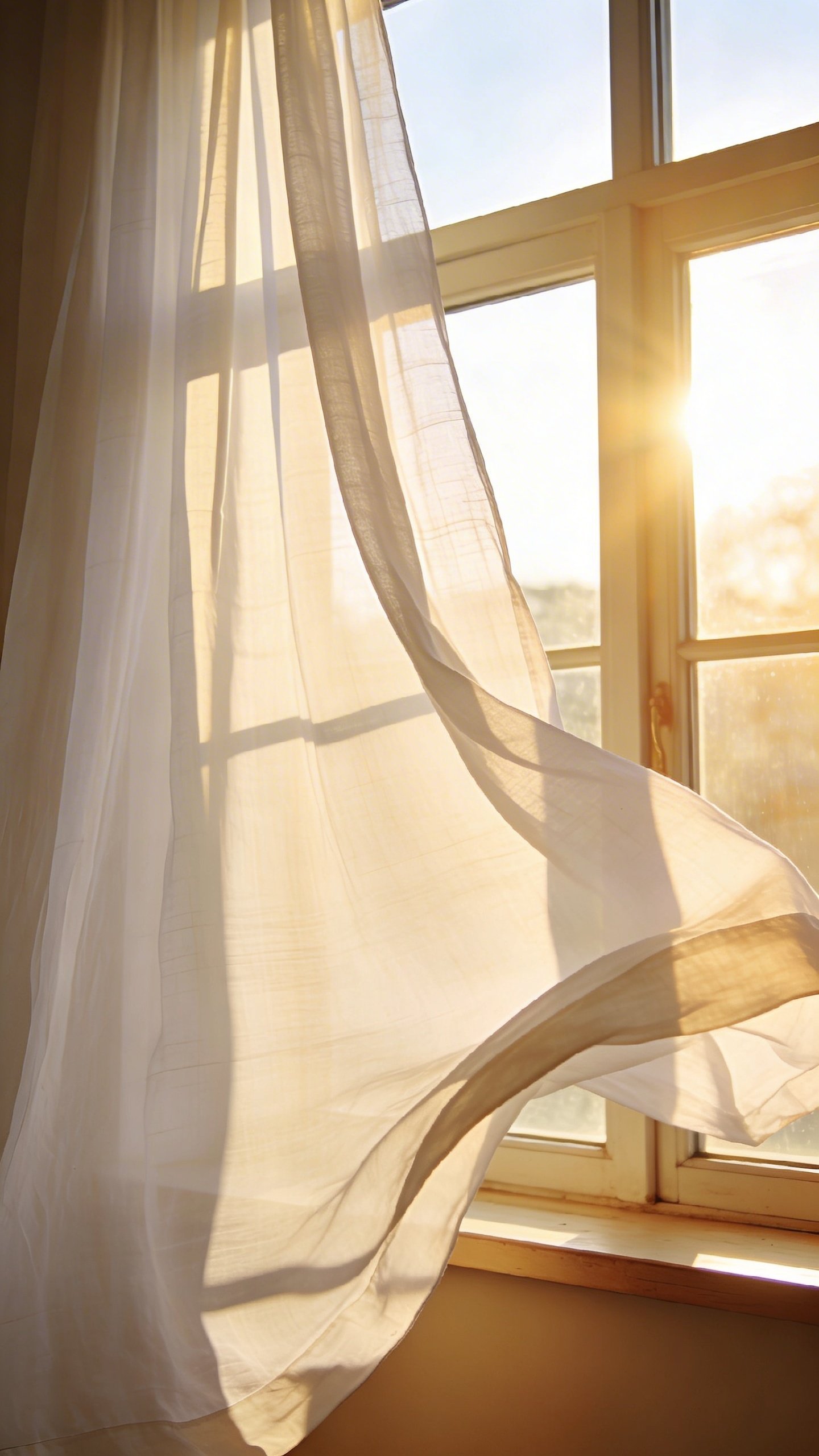
Natural light wins the gold medal here. Keep those windows as unobstructed as possible. If you need privacy, opt for sheer curtains or blinds that you can fully open during the day. Heavy, dark drapes? Save those for your vampire friends.
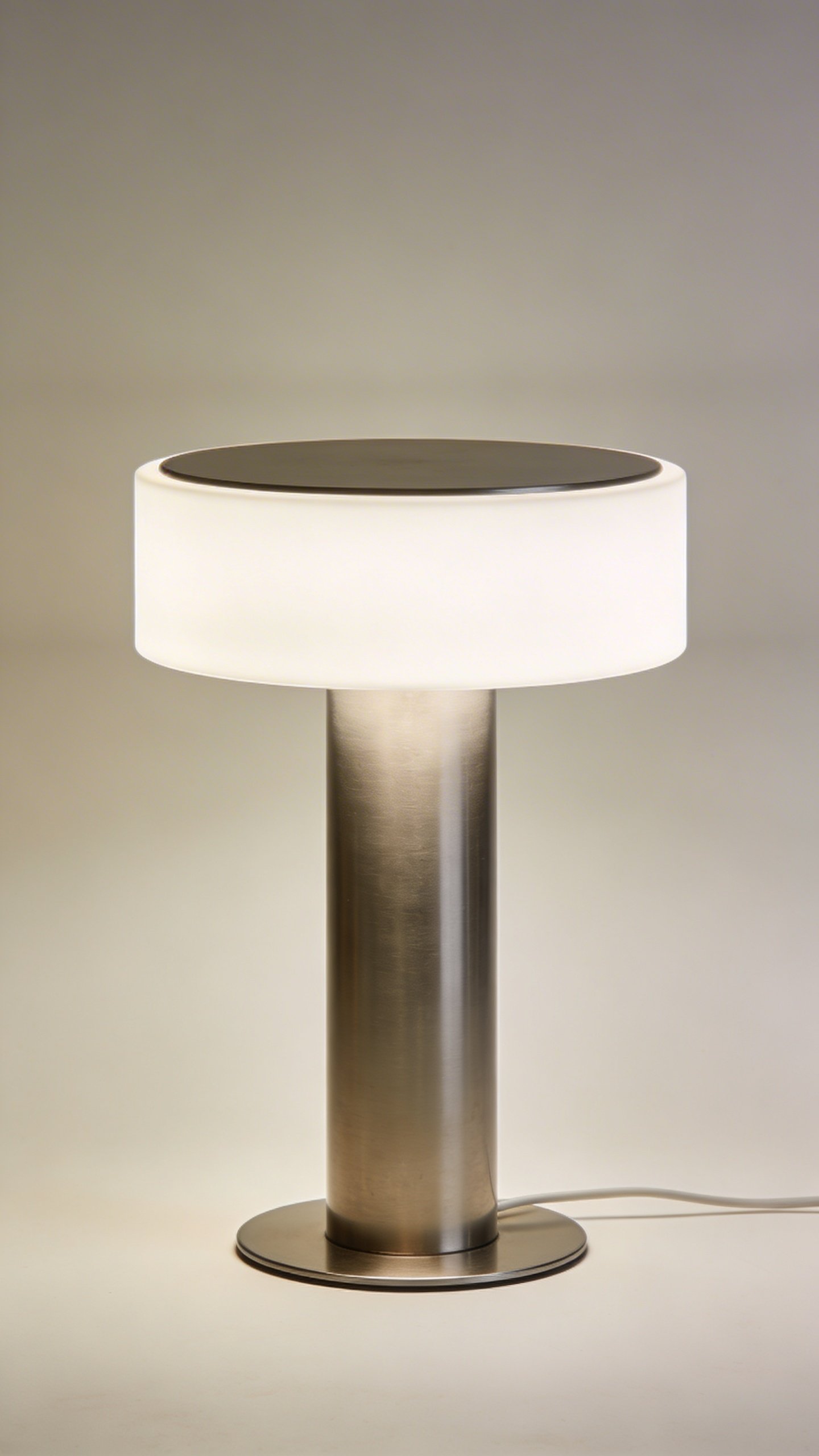
When natural light isn’t cutting it, layer in artificial lighting strategically. One sad ceiling fixture isn’t going to cut it. You want to create multiple light sources at different heights—think floor lamps in corners, wall sconces, or even LED strips behind furniture. This creates depth and tricks your brain into thinking there’s more space than there actually is.
Mirror, Mirror on the Wall
Want to literally double your space? Well, visually at least. Mirrors are absolute magic for small bedrooms. Place a large mirror across from a window, and boom—you’ve just bounced that precious natural light all around the room.
A full-length mirror leaning against the wall not only serves a practical purpose but also creates the illusion of depth. You can also get creative with mirrored furniture or a mirrored closet door. Just maybe don’t go full funhouse and mirror every surface, unless you’re into that kind of chaos.
Choose Your Colors Wisely
I know, I know—you’ve heard this a million times. Light colors make rooms look bigger. But before you resign yourself to living in an all-white box, let me nuance this for you.
Light, neutral colors do reflect more light and make walls recede, which creates that airy, spacious feeling. Whites, creams, soft grays, and pale blues are your friends here. But here’s the thing: you can absolutely use darker colors as accents without ruining the illusion.
Try painting just one wall a deeper shade, or keep your walls light while adding personality through darker bedding or artwork. The key is maintaining that overall brightness while injecting your actual personality into the space. Nobody wants to feel like they’re sleeping in a doctor’s office.
Furniture That Actually Works for You
This is where people usually mess up. They either cram in full-sized furniture that overwhelms the space, or they go too minimal and end up with a room that looks sad and empty.
Scale Matters (A Lot)
Choose furniture that fits the scale of your room. That king-sized bed might be dreamy, but if it leaves you with only six inches of walking space on each side, you’ve created a problem. Consider a full or queen instead, and position it thoughtfully.
Look for pieces with exposed legs rather than furniture that sits flush to the floor. When you can see underneath furniture, it creates visual space and makes the room feel less cluttered. A bed frame with legs, a dresser on legs, even a nightstand with a bit of clearance underneath—these small details add up.
Multifunctional Is Your Middle Name
Get furniture that pulls double duty. A bed with built-in drawers underneath? Yes, please. An ottoman that opens up for storage? Absolutely. A nightstand with shelves? You’re getting the idea.
Wall-mounted shelves and floating desks free up precious floor space while still giving you the functionality you need. The more floor you can see, the bigger the room feels. It’s simple physics. Or psychology. Probably both.
The Art of Strategic Decluttering
Real talk: clutter is the enemy of spaciousness. You can have the best design in the world, but if your stuff is everywhere, your room will still feel cramped.
This doesn’t mean you need to go full minimalist and live like a monk. It just means being intentional about what you display and what you hide away. Keep surfaces relatively clear—your nightstand doesn’t need seventeen items on it.
Use storage solutions that hide clutter. Boxes, baskets, and bins that slide under the bed or tuck into your closet are lifesavers. The less visual chaos your eyes have to process, the more relaxed and spacious the room feels.
Vertical Space Is Free Real Estate
Stop thinking horizontally and start thinking vertically. Your walls go all the way up to the ceiling, and most people completely waste that upper real estate.
Install shelves higher up on the walls. Use tall, narrow bookcases instead of short, wide ones. Hang your curtains from the ceiling rather than right above the window frame—this draws the eye upward and makes your ceilings feel taller.
Consider mounted lighting or wall sconces instead of table lamps that eat up surface space. You can even mount your TV on the wall instead of using a bulky entertainment center. FYI, every horizontal surface you free up makes the room feel immediately bigger.
Pattern and Texture Play
Here’s where you can have some fun while still maintaining that spacious vibe. The conventional wisdom says to avoid busy patterns in small spaces, but that’s not entirely true.
Large-scale patterns can actually make a room feel bigger than tiny, busy ones. Counterintuitive, right? Small patterns can look cluttered and chaotic, while bigger, bolder patterns create focal points and visual interest without overwhelming the space.
Stripes are particularly powerful. Horizontal stripes make walls appear wider, while vertical stripes make ceilings feel taller. A striped rug can elongate your floor space visually.
Mix in different textures to add depth without adding clutter. A chunky knit throw, linen bedding, a smooth wooden nightstand—these variations create visual interest that makes the space feel more curated and less cramped.
Window Treatments That Don’t Weigh You Down
Heavy curtains might look luxurious, but they can make a small room feel like a cave. Go for lighter fabrics that let light filter through. If you need blackout capabilities for sleeping, try layering sheer curtains with a lighter-weight blackout option.
Mount your curtain rods as close to the ceiling as possible and let the curtains hang all the way to the floor. This creates a long, vertical line that makes your walls appear taller. It’s a simple trick that makes a surprisingly big difference.
FAQs
Should I get rid of my box spring to save space?
If you’re struggling for vertical room, yes! Platform beds or bed frames that don’t require a box spring sit lower to the ground and can make your ceiling feel higher. Plus, many platform beds have built-in storage, which is a total win-win. Just make sure you’re still comfortable getting in and out of bed—you don’t want to be rolling onto the floor every morning.
Can I use dark colors at all in a small bedroom?
Absolutely! Dark colors can actually make a small room feel cozy rather than cramped if you use them strategically. Try a dark accent wall behind your bed, or use darker colors in your bedding and accessories while keeping walls light. The key is balance—don’t go dark on all four walls unless you’re specifically going for a moody, cocoon vibe.
What’s the biggest mistake people make with small bedrooms?
IMO, it’s overcrowding the space with too much furniture. Just because you can technically fit a dresser, two nightstands, a desk, and a reading chair doesn’t mean you should. Choose your furniture carefully and leave some breathing room. Empty space is actually a design element, not a problem to solve.
Do I really need to get rid of my stuff?
Not necessarily all of it, but you do need to be smart about storage. Invest in under-bed storage, use the backs of doors, maximize closet space with organizers, and keep surfaces clear. Your stuff can stay—it just needs to be tucked away neatly rather than displayed all at once.
Will painting the ceiling help make my room look bigger?
Yes! Painting your ceiling a shade lighter than your walls can make it feel higher. Some people even paint it the same light color as the walls to create a seamless flow. Just avoid dark ceiling colors unless you want your room to feel like a cave.
Are there any furniture arrangements that work better for small bedrooms?
Generally, placing your bed against the longest wall and centering it creates the most balanced feel. Avoid blocking pathways or creating awkward navigation routes around furniture. Sometimes floating furniture away from walls can actually create better flow, even though it seems counterintuitive.
Conclusion
Making a small bedroom look bigger isn’t about actual construction—it’s about perception and smart choices. Light colors, strategic lighting, appropriate furniture, and clever storage solutions can transform even the tiniest space into somewhere that feels open and breathable. The best part? Most of these tricks are surprisingly affordable and totally renter-friendly. Your small bedroom might never be actually bigger, but with these techniques, it’ll definitely feel like it is. And honestly, that’s what matters when you’re trying to relax and get a good night’s sleep.