

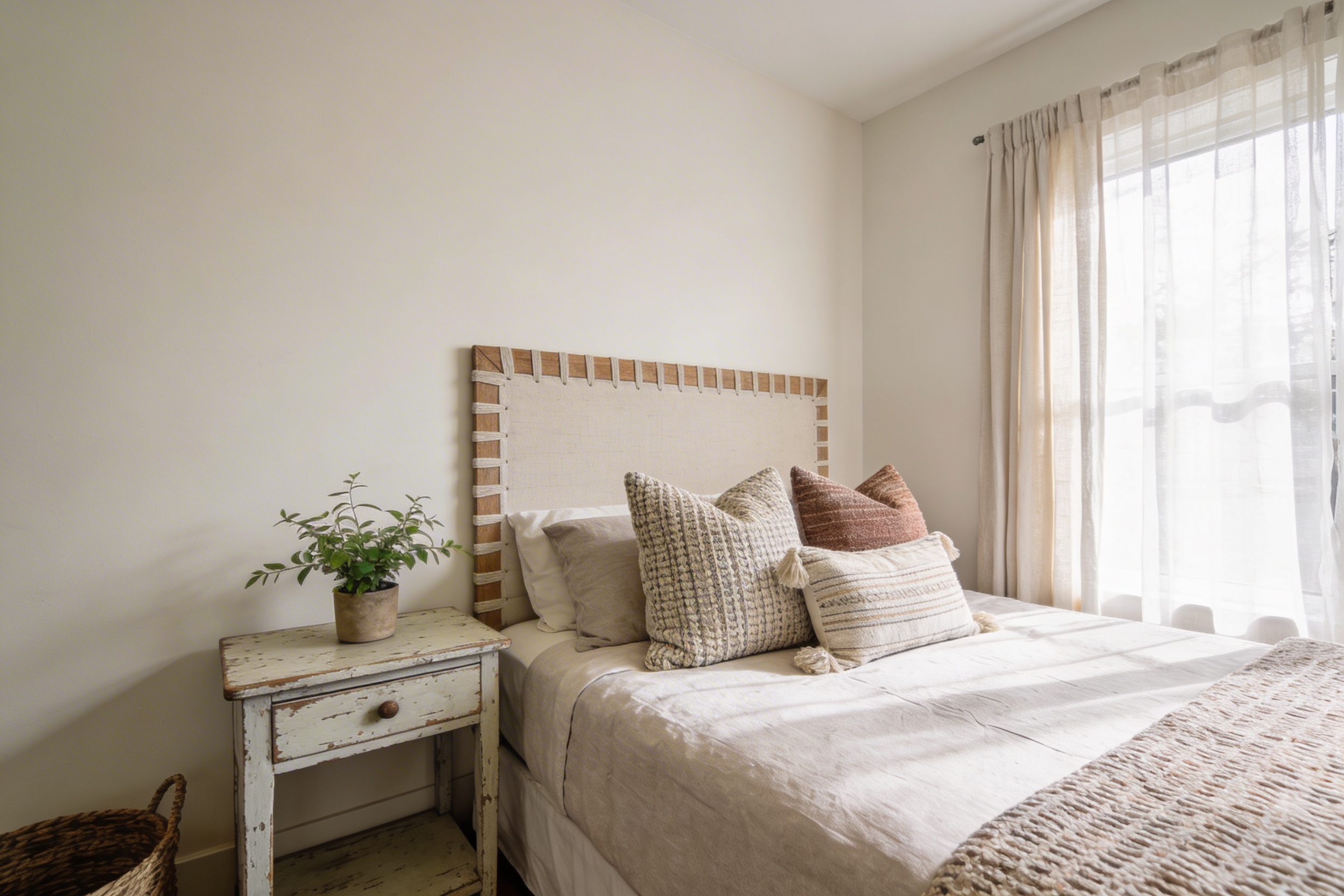
Your bedroom should be your favorite room in the house—it’s where you start your day and collapse after a long one. But if you’re staring at bare walls and a sad pile of laundry in the corner, it’s time for a change. Let’s talk about transforming your bedroom from “meh” to magazine-worthy without breaking the bank or requiring an interior design degree.
Start with Your Color Palette (It’s Not as Scary as It Sounds)
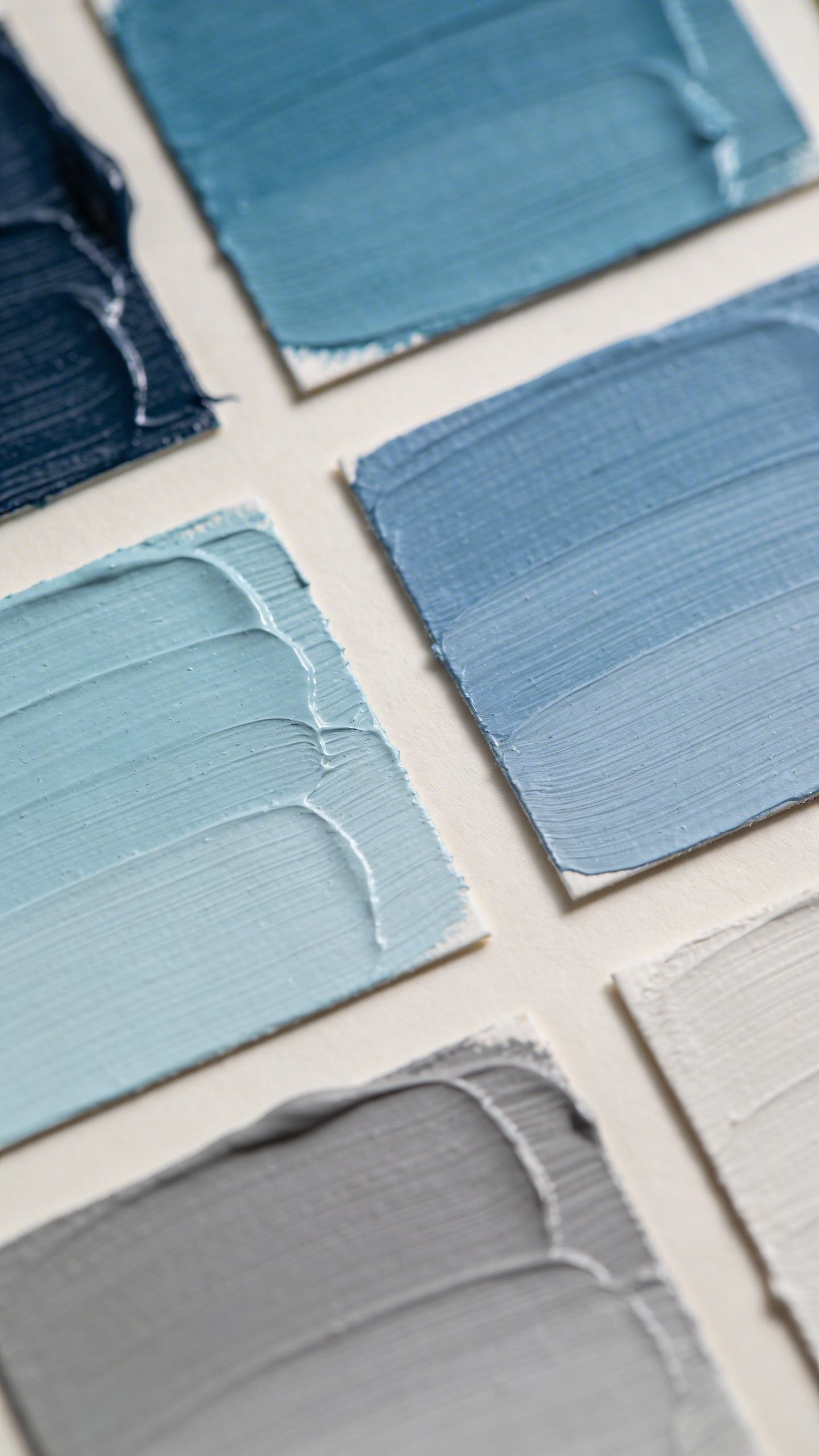
Look, I get it. Choosing colors can feel overwhelming when you’re staring at those tiny paint chips at the hardware store. But here’s the thing: your bedroom color scheme sets the entire mood of the space.
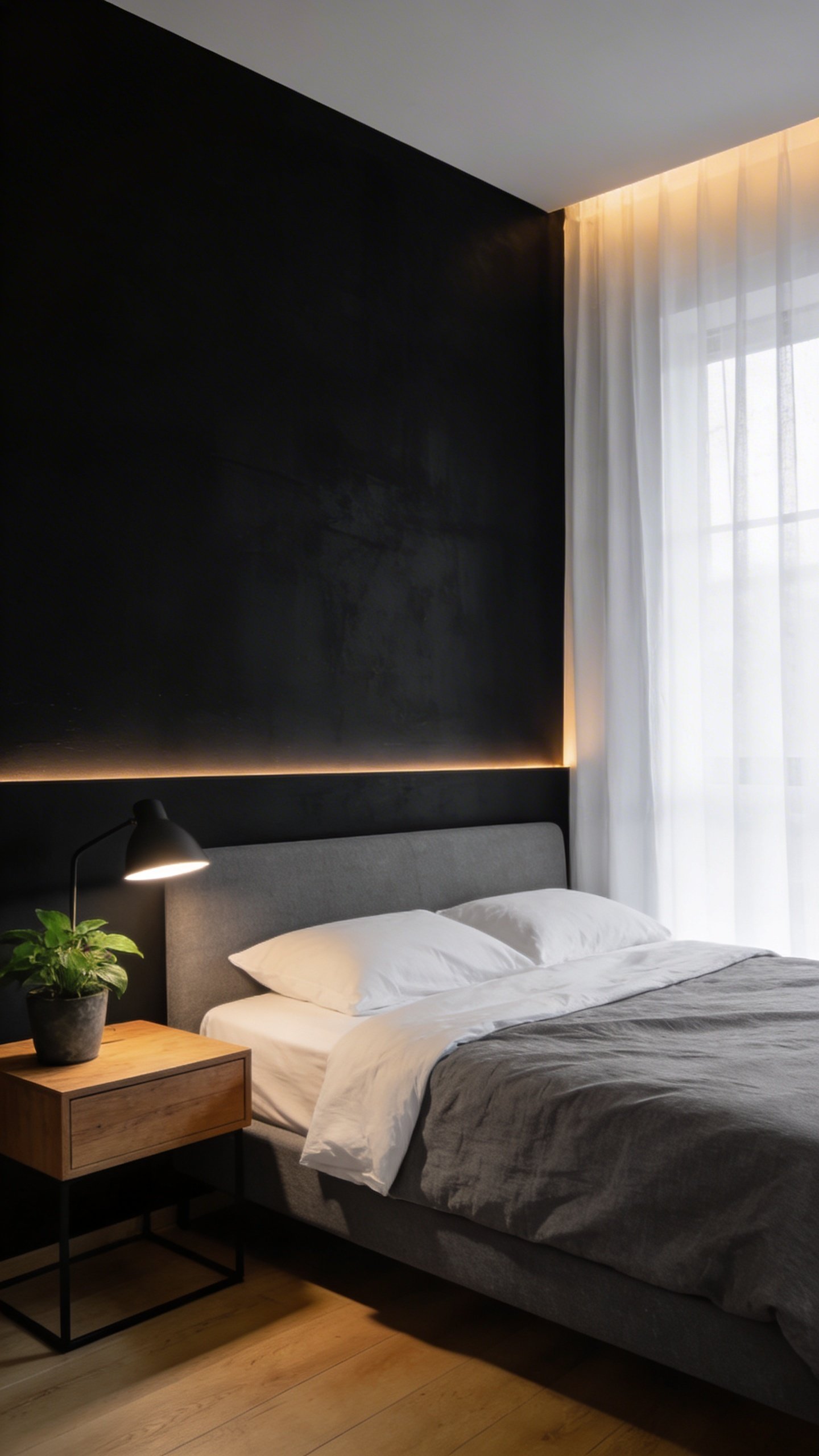
Start by asking yourself what vibe you’re going for. Want something calm and serene? Think soft blues, greens, or neutral grays. Looking for something bold and energizing? Deep jewel tones or even a moody black accent wall might be your jam.
Here’s a pro tip: pick three colors max. One dominant color for your walls, a secondary color for larger furniture pieces, and an accent color for accessories and decor. This keeps things cohesive without making your room look like a crayon box exploded.
The 60-30-10 Rule
Interior designers swear by this rule, and honestly, it works. Use your dominant color for 60% of the room (usually walls and bedding), your secondary color for 30% (furniture, curtains, rugs), and your accent color for the remaining 10% (pillows, artwork, decorative objects). This creates balance without making you overthink every single purchase.
Your Bed Is the Star of the Show
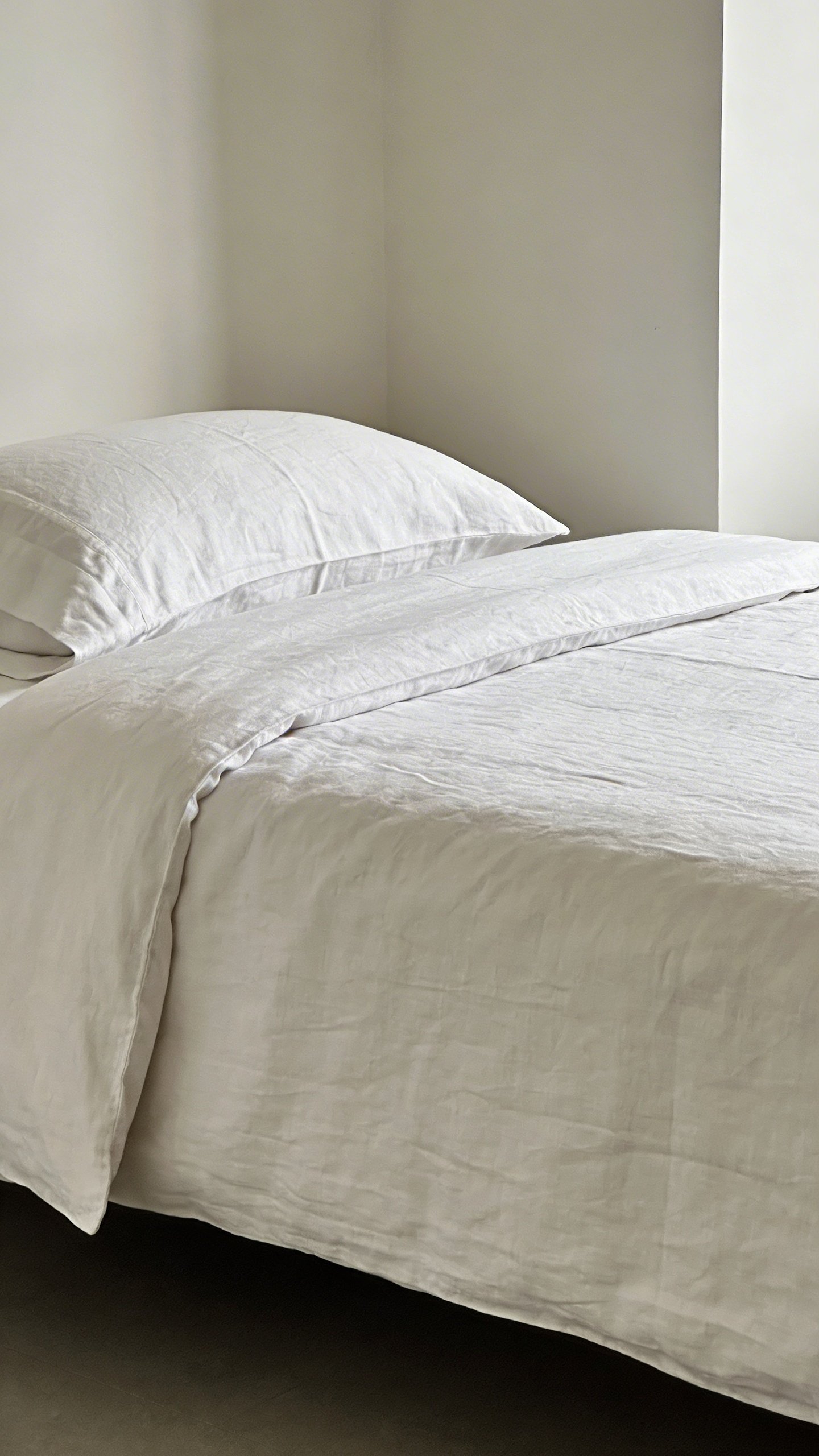
Let’s be real—your bed takes up most of the visual space in your bedroom. If it looks sad, your whole room looks sad. Time to give it the attention it deserves.
First up: invest in quality bedding. You don’t need to spend a fortune, but crispy, clean sheets in a color that complements your palette make a massive difference. Layer different textures—a duvet, some throw blankets, maybe a quilt at the foot of the bed. This creates depth and makes your bed look like something out of a hotel catalog.
Pillows are your best friend here. Mix different sizes and shapes. A couple of standard sleeping pillows, some Euro shams in the back, and decorative throw pillows in front. Just don’t go overboard—if you need to remove 47 pillows before bed every night, you’ve officially done too much.
Headboard or No Headboard?
Not everyone needs a headboard, but they definitely add a finished look to your space. You can buy one, DIY one from reclaimed wood, or fake it with a tapestry or large piece of artwork hung behind your bed. Whatever works for your budget and style.
Lighting Can Make or Break Everything
Overhead lighting alone? That’s a hard pass. Your bedroom needs layers of lighting to actually feel cozy and functional.
Think about it in three categories: ambient (your main overhead light), task (reading lights or desk lamps), and accent (string lights, candles, decorative lamps). Having all three means you can adjust the mood based on what you’re doing—bright for folding laundry, dim for winding down before bed.
Table lamps on nightstands are non-negotiable, IMO. They provide perfect reading light and look way more sophisticated than scrolling through your phone flashlight. Floor lamps work great in corners that need some love, and they don’t require any installation.
Don’t sleep on dimmer switches either. Being able to control your lighting intensity is a total game-changer for creating ambiance. Plus, harsh bright lights first thing in the morning? Nobody wants that.
Storage Solutions That Don’t Look Like Storage
Clutter is the enemy of good bedroom vibes. But shoving everything in a closet and hoping for the best isn’t exactly a long-term strategy.
Get creative with storage that doubles as decor. Woven baskets look cute tucked under nightstands or in corners while hiding all your random stuff. A storage bench at the foot of your bed provides seating and secret compartment space. Floating shelves display your favorite books and plants while keeping surfaces clear.
Under-Bed Storage Is Underrated
That space under your bed is prime real estate. Use storage containers or drawers to stash out-of-season clothes, extra bedding, or whatever else you need to hide. Just make sure everything stays organized—under-bed storage can quickly become a black hole if you’re not careful.
Wall Decor: Please Don’t Leave Them Blank
Bare walls scream “I just moved in” even if you’ve lived there for three years. You don’t need expensive art to make your walls interesting—you just need something up there.
Gallery walls are trendy for a reason. Mix framed prints, photographs, mirrors, and even three-dimensional objects like small shelves or hanging planters. The key is arranging them thoughtfully—lay everything out on the floor first to find a configuration you love.
Can’t commit to nail holes? No problem. Removable adhesive strips and hooks work great for renters. Leaning large artwork against the wall on a dresser or shelf also looks intentionally casual and cool.
Here are some affordable wall decor ideas:
- Print your own photos and frame them
- Hang a large tapestry or textile
- Create a pegboard wall for functional art
- Use removable wallpaper on one accent wall
- Display a collection of vintage mirrors
- Hang string lights or LED strips for ambient glow
Add Life (Literally) with Plants
Plants instantly make any space feel more alive and put-together. Plus, some varieties actually improve air quality while you sleep, which is a nice bonus.
Not everyone has a green thumb, and that’s okay. Start with low-maintenance options like pothos, snake plants, or ZZ plants. They tolerate low light and forgive you for forgetting to water them occasionally. Succulents look adorable on nightstands and windowsills but need decent light to thrive.
FYI, if you’re seriously plant-challenged, high-quality faux plants have come a long way. Nobody’s judging. Just dust them occasionally so they don’t look obviously fake.
Personal Touches That Make It Yours
This is where your bedroom stops looking like a showroom and starts feeling like home. Display things that actually matter to you—photos of loved ones, souvenirs from trips, books you love, collections you’ve gathered over time.
Your nightstand is perfect for this. A small framed photo, your current read, maybe a candle in your favorite scent. These little details tell your story and make the space uniquely yours.
Don’t forget about scent either. A signature candle, essential oil diffuser, or fresh flowers can completely change how your room feels. Just avoid anything too overpowering—you’re sleeping here, after all.
Frequently Asked Questions
How much should I budget for decorating my bedroom?
Honestly, it depends on your starting point and goals. You can make significant improvements for a few hundred dollars if you focus on key pieces like bedding, lighting, and a few decor items. If you’re starting from scratch with furniture, expect to spend $1,000-$3,000 for a fully furnished bedroom. The good news? You don’t have to do everything at once. Buy pieces gradually and prioritize what matters most to you first.
What’s the best way to make a small bedroom feel bigger?
Mirrors are your secret weapon—they reflect light and create the illusion of more space. Stick with lighter colors on walls and larger furniture pieces, and avoid cluttering the room with too many small items. Vertical storage helps maximize floor space, and keeping things off the floor (like wall-mounted nightstands or floating shelves) makes the room feel more open. Multi-functional furniture like a bed with built-in drawers also helps.
Should all my bedroom furniture match?
Nope! Matching furniture sets can actually look a bit dated and sterile. Mixing different pieces with similar finishes or styles creates a more collected, personalized look. Just make sure there’s some visual connection—maybe similar wood tones, or a consistent color palette. The goal is cohesive, not matchy-matchy.
How do I choose the right size rug for my bedroom?
The rug should be large enough that it extends beyond the sides and foot of your bed—you want to step onto something soft when you get up in the morning. For a queen or king bed, an 8×10 or 9×12 rug typically works well. If you’re working with a smaller space or budget, you can use runners on either side of the bed instead of one large rug.
What’s the ideal bedroom temperature for sleeping?
While this isn’t strictly a decorating question, it affects your bedroom comfort. Most sleep experts recommend keeping your bedroom between 60-67°F (15-19°C). This might feel cool at first, but your body temperature naturally drops when you sleep. Invest in good bedding that you can layer based on the season, and consider blackout curtains to help regulate temperature.
How often should I redecorate my bedroom?
There’s no hard rule here. Some people love switching things up every season, while others keep the same look for years. A good middle ground is refreshing smaller elements (throw pillows, artwork, bedding) annually or when you’re feeling bored, and doing bigger changes (paint, furniture) every 3-5 years or when your style evolves. Your bedroom should grow with you.
Conclusion
Decorating your bedroom doesn’t require a massive budget or professional help—just some thoughtful planning and a willingness to experiment. Start with the basics like color, bedding, and lighting, then layer in personal touches that make the space feel authentically yours. Remember, your bedroom should work for your lifestyle and make you happy every time you walk in. There’s no “perfect” bedroom, only the one that’s perfect for you. Now go forth and create a space you’ll actually want to spend time in!