

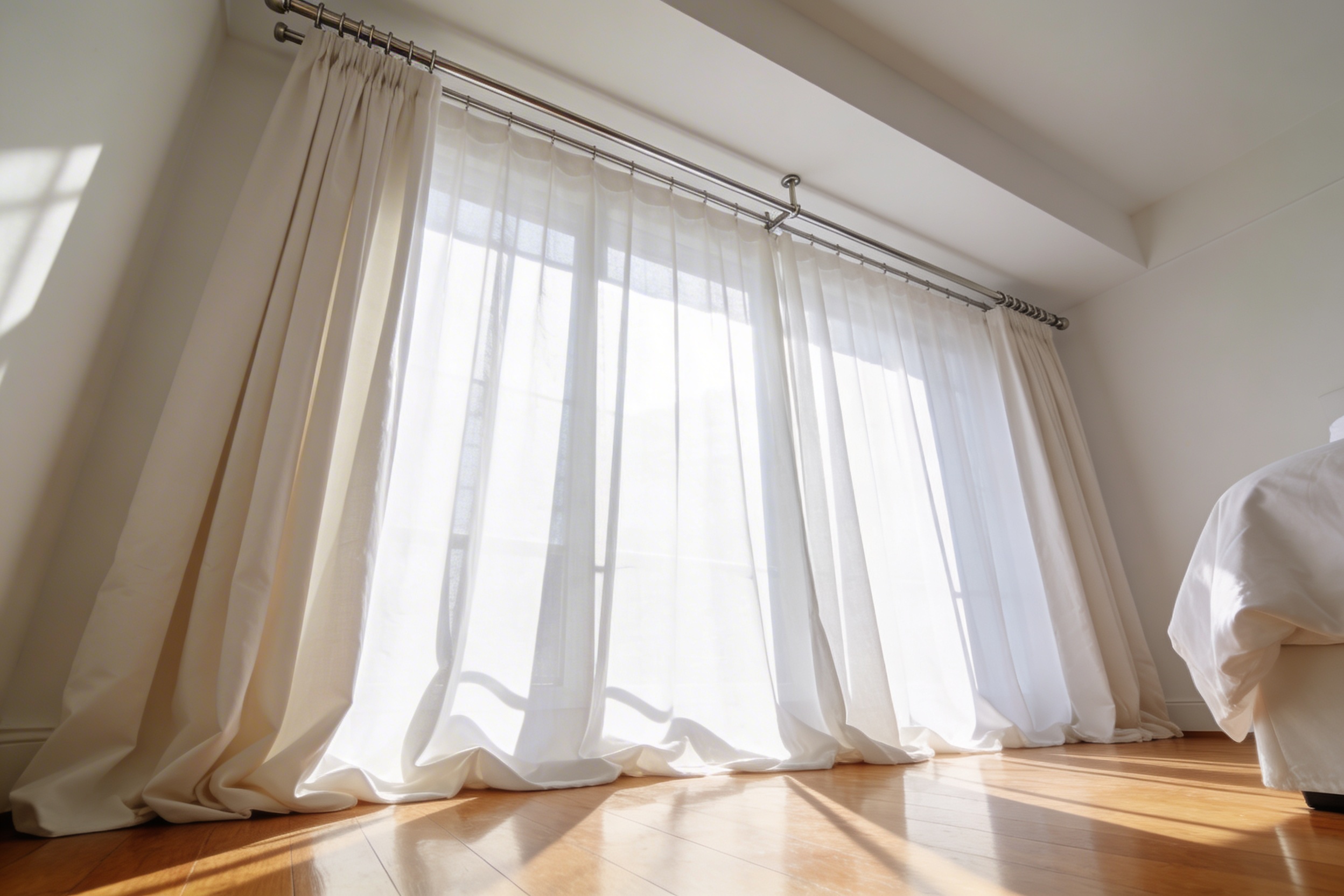
You know what can make or break a bedroom’s vibe? Curtains. But here’s the thing—most people hang them completely wrong, and their room ends up looking like a college dorm instead of a cozy retreat. The good news is that hanging curtains properly isn’t rocket science, and I’m about to walk you through exactly how to do it right.
Why Your Curtain Placement Actually Matters
Listen, I get it. You might think curtains are just fabric that blocks light. But the way you hang them can literally make your ceilings look taller, your windows look bigger, and your entire room feel more expensive. It’s like magic, except it’s just smart positioning.
When you hang curtains too low or too narrow, you’re basically telling everyone who walks into your room that you didn’t really try. And we’re not about that life. The difference between “meh” and “wow” is usually just a few inches in either direction.
Measuring Like You Mean It
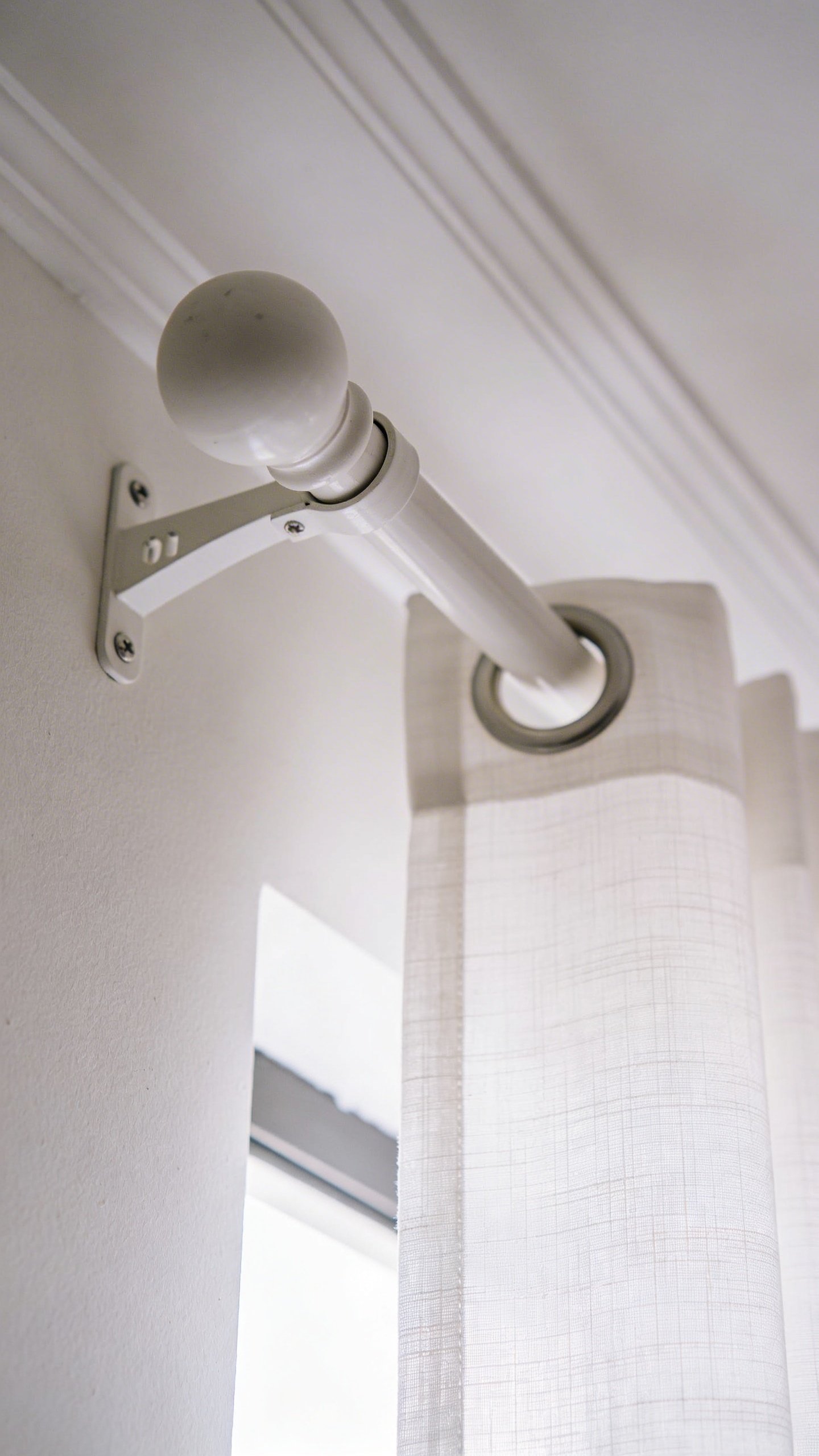
Grab your tape measure because we’re doing this properly. The most common mistake people make? They measure the window and call it a day. Wrong move.
Here’s what you actually need to measure:
- Window width: Measure from one side of the window frame to the other
- Window height: From the top of the frame to the bottom
- Ceiling height: From floor to ceiling in that area
- Available wall space: How much room you have on either side of the window
Now for the golden rules. Your curtain rod should sit 4 to 6 inches above the window frame—or even better, mounted right near the ceiling if you want that luxury hotel look. The rod should extend 8 to 12 inches beyond each side of your window frame. This lets you pull the curtains completely open without blocking any actual window space.
The Ceiling-Mount Trick
Want to know a designer secret? Mounting your rod as close to the ceiling as possible makes your room look taller. Even if you have standard 8-foot ceilings, this trick adds visual height that your brain totally falls for. Leave about 2-3 inches between the ceiling and your rod, and you’re golden.
Choosing the Right Hardware
Okay, so you’ve got your measurements. Now let’s talk about the stuff that actually holds your curtains up.
Curtain rods come in approximately one million varieties, but you really only need to worry about a few things. First, make sure your rod is sturdy enough for your curtains. Heavy velvet drapes on a flimsy tension rod? That’s a disaster waiting to happen at 3 AM.
Rod Types That Don’t Suck
Standard rods work for most situations. They’re adjustable, come in tons of finishes, and won’t break the bank. If you’re hanging heavier curtains, look for rods that are at least 1 inch in diameter.
Double rods are clutch if you want to layer sheer curtains with blackout panels. You get light control options throughout the day, which is pretty sweet for bedrooms.
Ceiling-mounted tracks are the sleek, modern option. They’re practically invisible and work great for that minimalist aesthetic. FYI, they’re also perfect if you’re dealing with a window right up against the ceiling.
The Actual Hanging Process
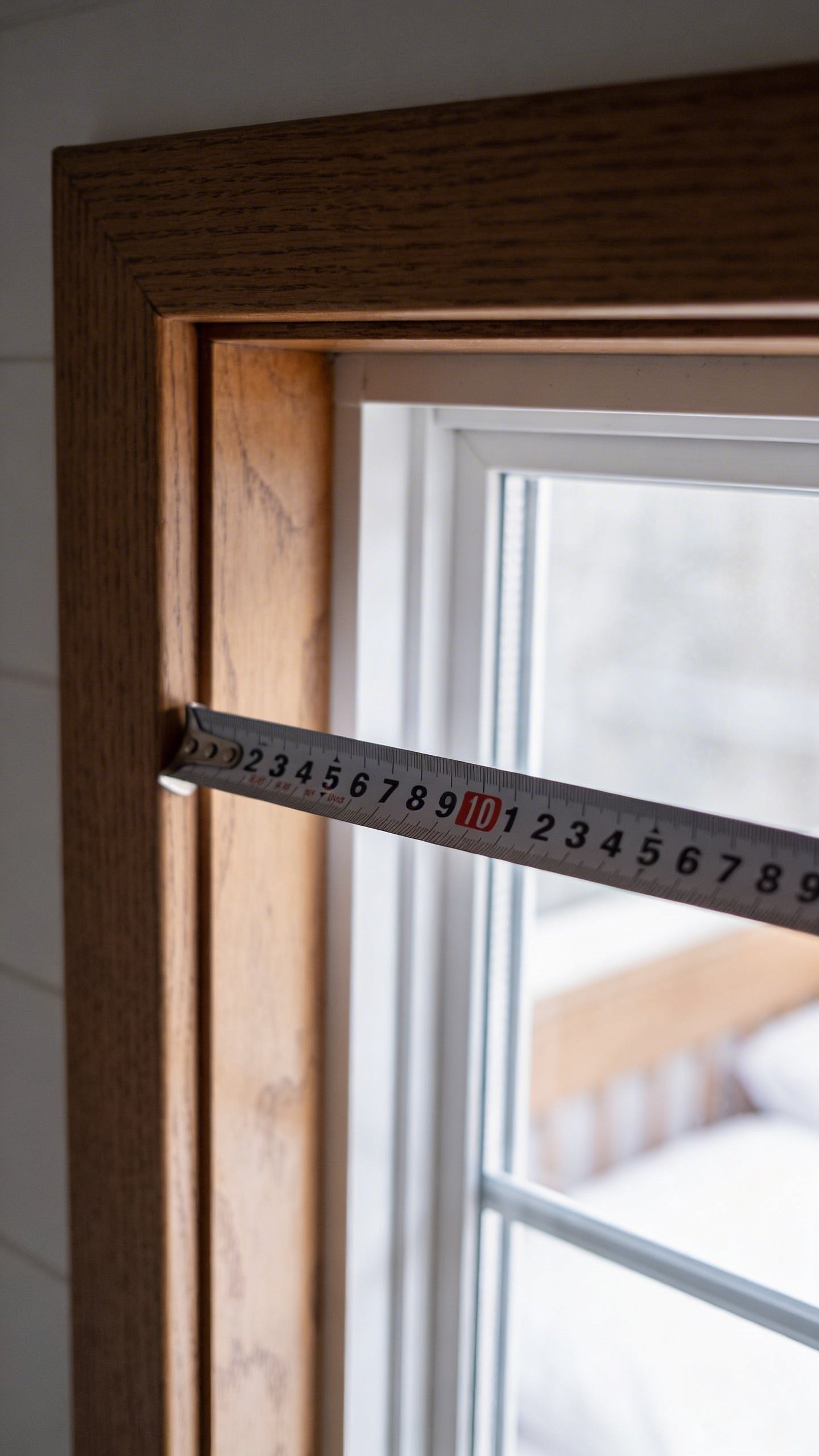
Alright, let’s get these babies up on the wall. You’ll need a drill (or a really good screwdriver and lots of patience), a level, a pencil, and your mounting brackets.
First, mark where your brackets will go. Use that level religiously—nothing screams “amateur hour” like crooked curtains. The brackets should sit at the edges of where you want your rod to extend, plus one in the middle if your rod is longer than 6 feet.
Anchors Are Your Friends
Unless you’re drilling directly into studs (lucky you), you’ll need wall anchors. Drywall alone won’t hold up heavy curtains, and you don’t want your rod crashing down in the middle of the night. Use anchors rated for the weight of your rod plus your curtains. When in doubt, go heavier-duty.
Drill your pilot holes, insert your anchors, screw in your brackets, and then slide your rod into place. Check that everything’s level one more time before you commit.
Getting the Length Just Right
Here’s where people really mess up. Your curtains should either kiss the floor (hovering about half an inch above) or puddle on the floor (with 1-3 inches of extra fabric). That awkward in-between length that shows your baseboards? Hard pass.
IMO, the kiss-the-floor length is your best bet for bedrooms. It looks intentional and polished without being too fussy. Plus, you won’t trip over excess fabric when you’re stumbling around in the dark.
If your curtains are too long, you can hem them (or pay someone to do it). If they’re too short, well, you can try curtain rings with clips to add a few inches, but honestly? You might need to start over with new panels. Sorry.
Styling Your Curtains for Maximum Impact

Once everything’s hung, you’re not quite done. How you arrange the fabric makes a huge difference.
When your curtains are open, they should frame the window nicely. Use tiebacks or holdbacks if you want to keep them in place during the day. The tiebacks should sit about two-thirds down from the top of the window—this creates the most flattering proportions.
For closed curtains, make sure the panels overlap in the middle by at least a few inches. You don’t want light sneaking through that gap when you’re trying to sleep in on a Saturday.
The Fullness Factor
Your curtains should look full and luxurious, not stretched thin across your window. A good rule of thumb: your curtains should measure 1.5 to 2.5 times the width of your window. This gives you those nice, elegant folds instead of flat panels that look sad and lonely.
Common Mistakes to Avoid
Let me save you from the curtain disasters I’ve witnessed over the years.
- Hanging the rod too low: This makes your ceiling look lower and your window look stubby
- Skimping on width: Narrow curtains make your window look smaller, not bigger
- Using cheap hardware: That rod will sag, and everyone will notice
- Forgetting to steam: Wrinkled curtains straight from the package look terrible—give them a quick steam first
- Mismatched proportions: Tiny curtains on huge windows or vice versa just looks weird
Frequently Asked Questions
Should bedroom curtains touch the floor?
Yes, absolutely. Your curtains should either barely kiss the floor or have a slight puddle. That gap between the curtain hem and floor is one of the most common decorating mistakes. It makes the whole room look unfinished and cheap. If you’re worried about cleaning, the kiss-the-floor length gives you easier vacuuming access while still looking polished.
How wide should curtain rods be for bedroom windows?
Your rod should extend 8 to 12 inches beyond each side of your window frame. This means for a 36-inch-wide window, your rod should be about 52 to 60 inches wide total. This extra width lets you pull the curtains completely open without blocking any window, which maximizes your natural light during the day.
Can I hang curtains without drilling holes?
You’ve got a few options if drilling isn’t possible. Tension rods work for lightweight curtains and smaller windows, though they’re not super sturdy. Command hooks can hold very light curtains or sheers. Magnetic rods exist for metal window frames. But honestly? For a proper, permanent bedroom setup, drilling is really your best bet. The other options tend to look temporary.
What’s the best curtain color for a bedroom?
This depends on your vibe, but generally, you want something that either blends with your walls for a seamless look or makes a statement as an accent. Neutral colors like white, cream, or gray are timeless and make your room feel larger. Darker colors provide better light blocking if you’re sensitive to morning sun. Just make sure whatever you choose doesn’t clash with your bedding—that’s a rookie mistake.
How do I make cheap curtains look expensive?
The secret is all in how you hang them. Mount the rod high and wide, make sure your curtains are long enough to touch the floor, and choose panels with enough width for fullness. Steam out all wrinkles before hanging. Use quality hardware—even if the curtains are budget-friendly, good rods and finials elevate the whole look. Finally, proper styling with tiebacks or gentle folds makes even basic curtains look intentional and polished.
Do blackout curtains really work for bedrooms?
Yeah, they actually do work, though the quality varies wildly. True blackout curtains can block 99% of light, which is amazing if you work night shifts or just really value your beauty sleep. The key is making sure they’re wide enough and long enough to cover the entire window with no gaps. Even the best blackout fabric won’t help if light sneaks around the edges. Layer them with a regular curtain if you want flexibility between total darkness and natural light.
Wrapping It All Up
Hanging bedroom curtains properly is one of those things that seems complicated until you actually do it. Measure high and wide, use sturdy hardware, make sure your panels are long enough to kiss the floor, and don’t skimp on fullness. Follow these guidelines, and your bedroom will instantly look more put-together and intentional.
The best part? Once you nail this in your bedroom, you’ll know exactly what to do for every other window in your house. You’re basically a curtain-hanging expert now. Go forth and make those windows look amazing.