

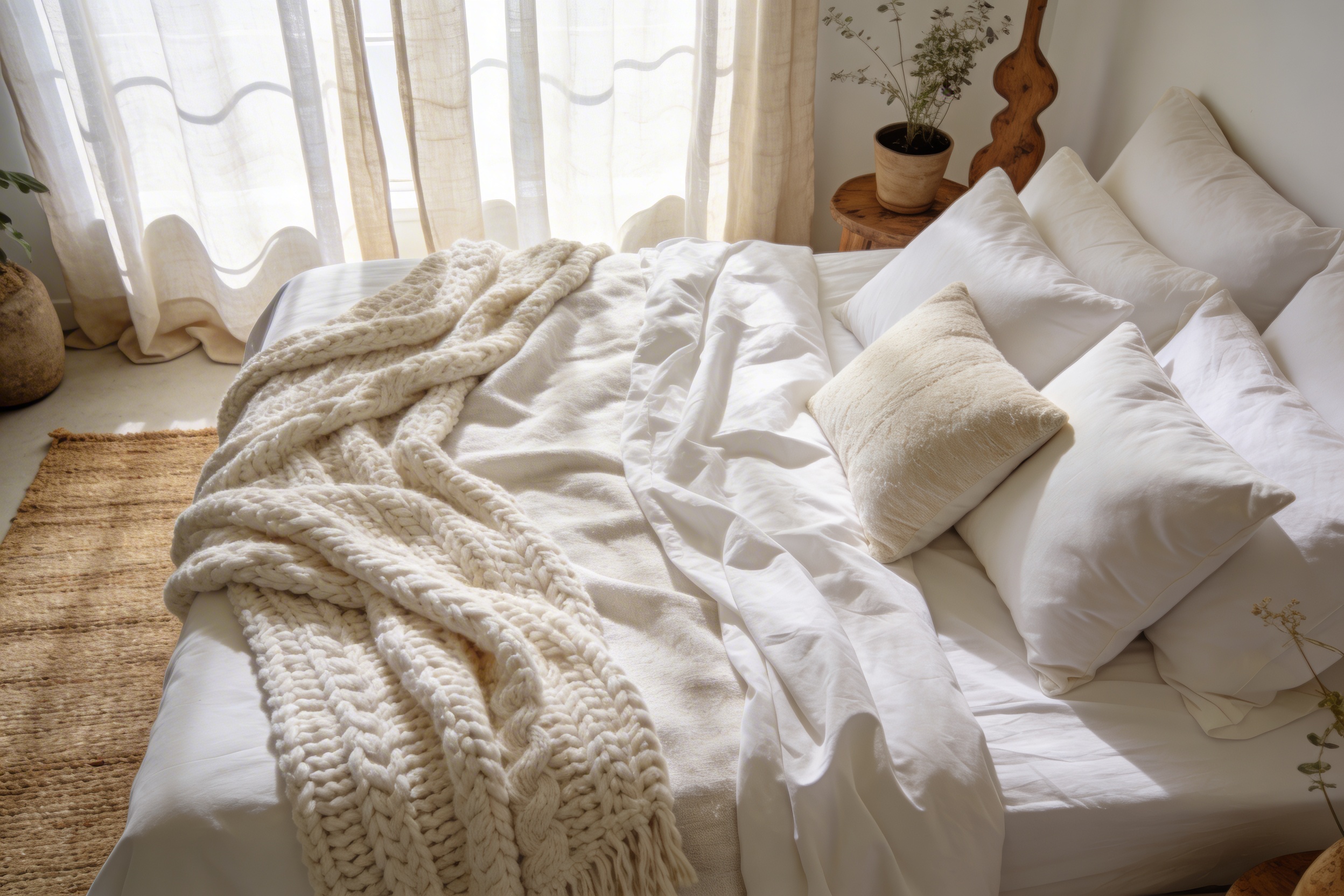
A white bedroom is like a blank canvas that either becomes a masterpiece or a sterile hospital room—and nobody wants to sleep in a hospital room. The good news? Decorating a white bedroom is actually one of the easiest design projects you’ll ever tackle because you literally can’t mess it up. Let me show you how to turn that sea of white into a cozy sanctuary you’ll actually want to spend time in.
Why White Bedrooms Get a Bad Rap (And Why That’s Nonsense)
Look, I get it. White bedrooms have this reputation for being cold, boring, and giving off major “I just moved in yesterday” vibes. But here’s the thing—white is actually the most versatile color you could possibly work with. It’s like the ultimate wingman for every other design element in your room.
The key is understanding that white isn’t a single color. You’ve got warm whites, cool whites, cream, ivory, eggshell—the list goes on. And when you layer different shades of white together? Magic happens. It’s all about creating depth and dimension instead of letting everything blend into one flat, boring surface.
Texture Is Your New Best Friend
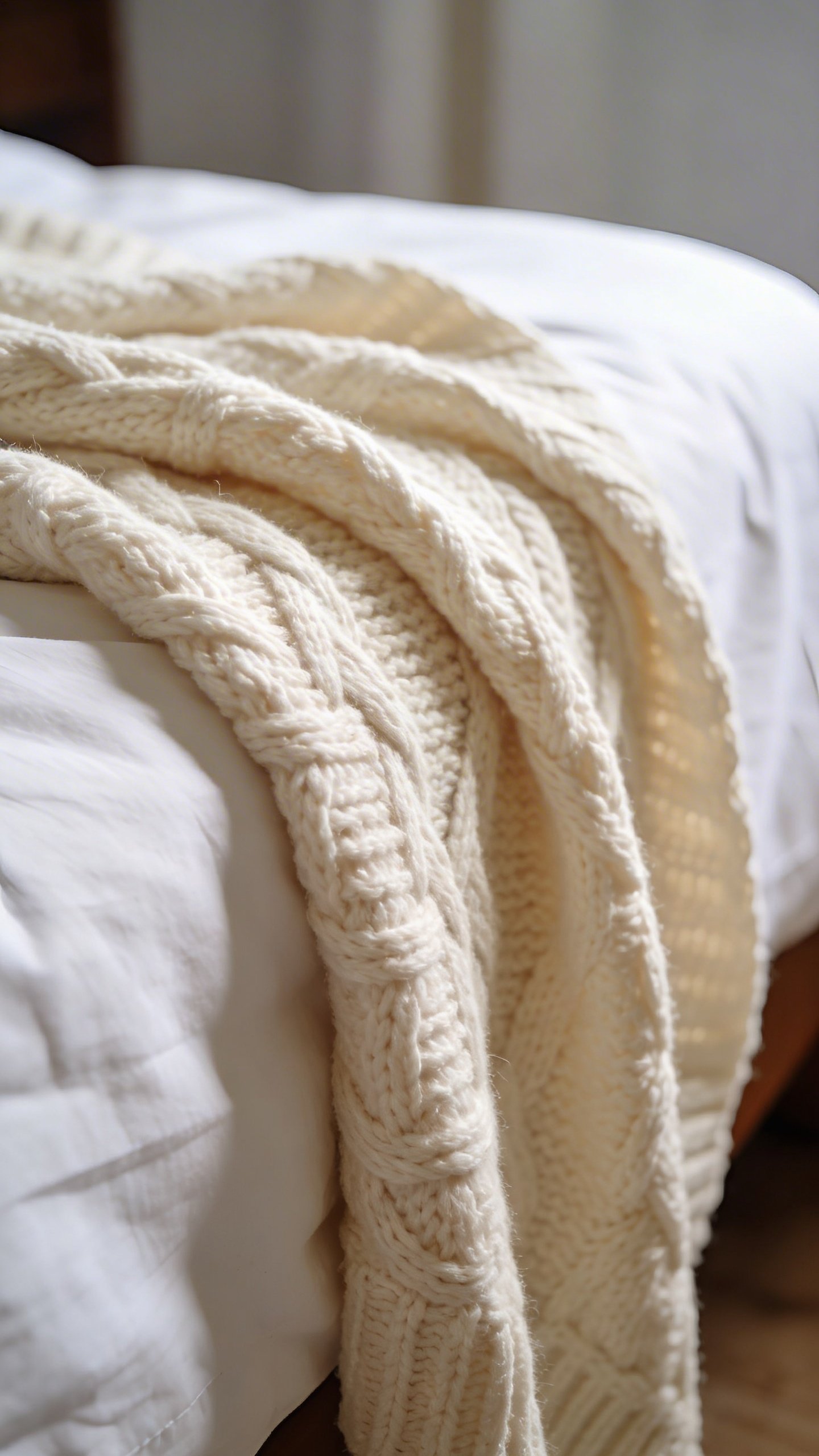
Want to know the secret sauce for making a white bedroom interesting? Pile on the texture like your life depends on it. Seriously, this is where most people drop the ball.
A chunky knit throw blanket instantly adds visual interest and warmth. Layer it over smooth cotton sheets, and suddenly you’ve got contrast. Add some linen curtains, a jute rug, and maybe a velvet pillow or two, and boom—you’ve just created a room with actual personality.
Mix Your Materials
Don’t be afraid to get weird with it. Pair a sleek metal bed frame with a rustic wooden nightstand. Throw in some woven baskets for storage. Add a faux fur accent pillow (or real fur if that’s your thing). The whole point is creating visual variety so your eye has something interesting to look at.
Natural materials work especially well in white bedrooms. Wood, rattan, bamboo, stone—they all bring warmth and organic texture that prevents the space from feeling too clinical. Plus, they’re basically foolproof to style.
The Power of Layered Lighting
Here’s where most people completely fumble the bag: they stick one sad overhead light in the room and call it a day. Please don’t do this. Your white bedroom needs at least three different light sources to avoid looking like an interrogation room.
Start with ambient lighting—that’s your overhead fixture or ceiling fan with lights. Then add task lighting like bedside lamps for reading. Finally, throw in some accent lighting: maybe a floor lamp in the corner, some LED strips behind your headboard, or even string lights if you’re feeling whimsical.
The beauty of a white room is that it reflects light like crazy, so you can actually use softer, warmer bulbs without making the space feel dark. Aim for warm white bulbs (2700-3000K) rather than cool daylight bulbs unless you’re specifically going for that crisp, modern vibe.
Adding Color Without Losing the White Aesthetic
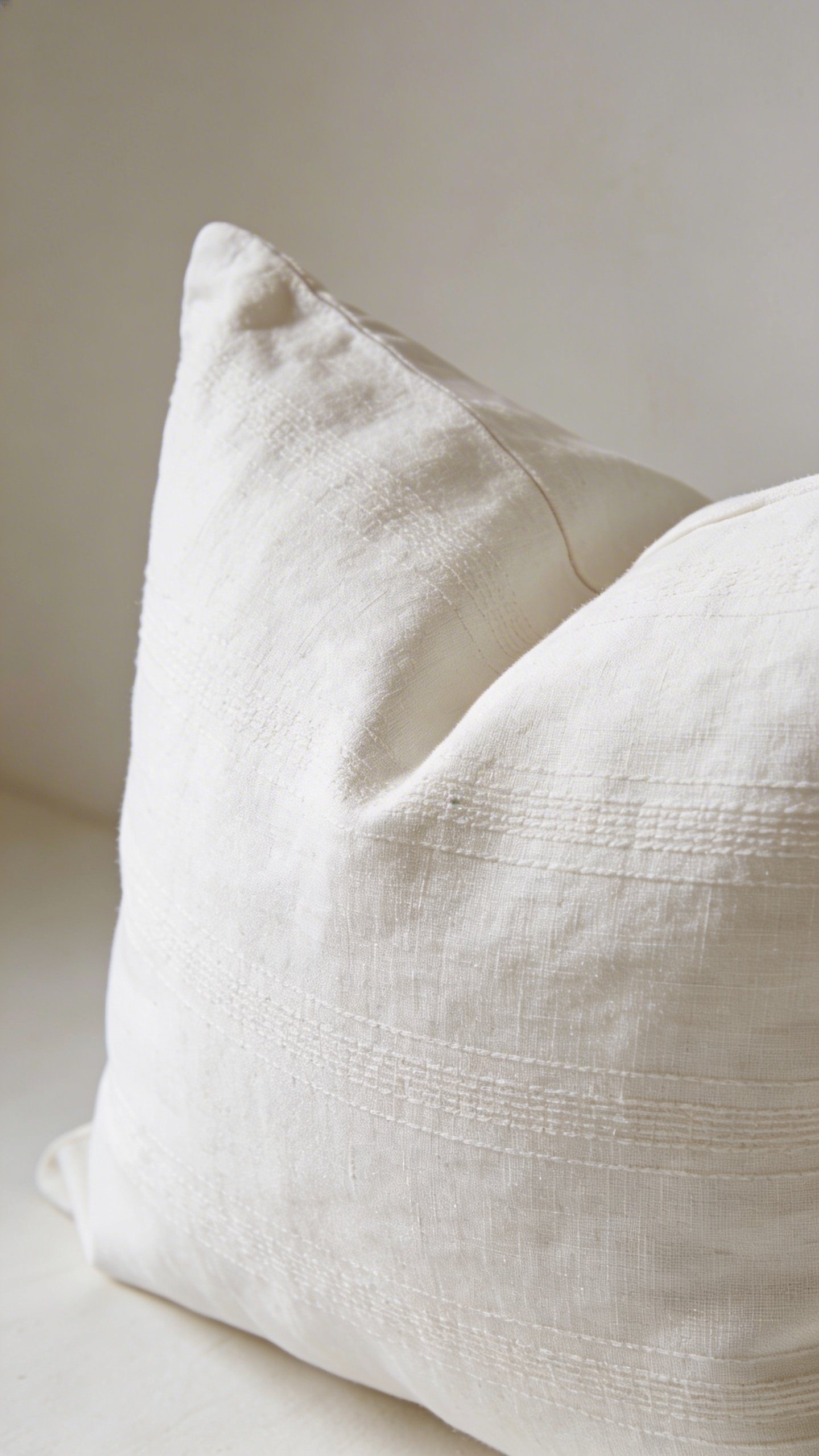
You can totally introduce color into your white bedroom without ruining the whole vibe. The trick is doing it strategically rather than randomly throwing every color at the wall and hoping something sticks.
Pick a cohesive color palette—maybe two or three accent colors max. Neutrals like beige, gray, and black are the safe bet, but don’t sleep on muted tones like sage green, dusty blue, or terracotta. These colors play really nicely with white without overwhelming it.
Where to Add Your Pops of Color
- Bedding and pillows – easiest to switch out when you get bored
- Artwork – makes a statement without permanent commitment
- Rugs – grounds the space and adds warmth
- Plants – because green makes everything better
- Accent furniture – a colored chair or bench adds personality
The goal is creating focal points that draw the eye without making the room feel chaotic. IMO, less is definitely more here.
Don’t Forget About Patterns
Patterns are your secret weapon for adding interest without adding color. Geometric prints, stripes, florals—they all work beautifully in a white bedroom as long as you don’t go overboard.
Try mixing different patterns in the same color family. A striped duvet cover with some geometric throw pillows? Chef’s kiss. Just make sure to vary the scale of your patterns—pair large prints with smaller ones to keep things balanced.
Black and white patterns are particularly killer in white bedrooms. They add graphic interest while maintaining that clean, cohesive look. Think zebra prints, toile, or classic gingham.
Art and Wall Decor That Actually Works
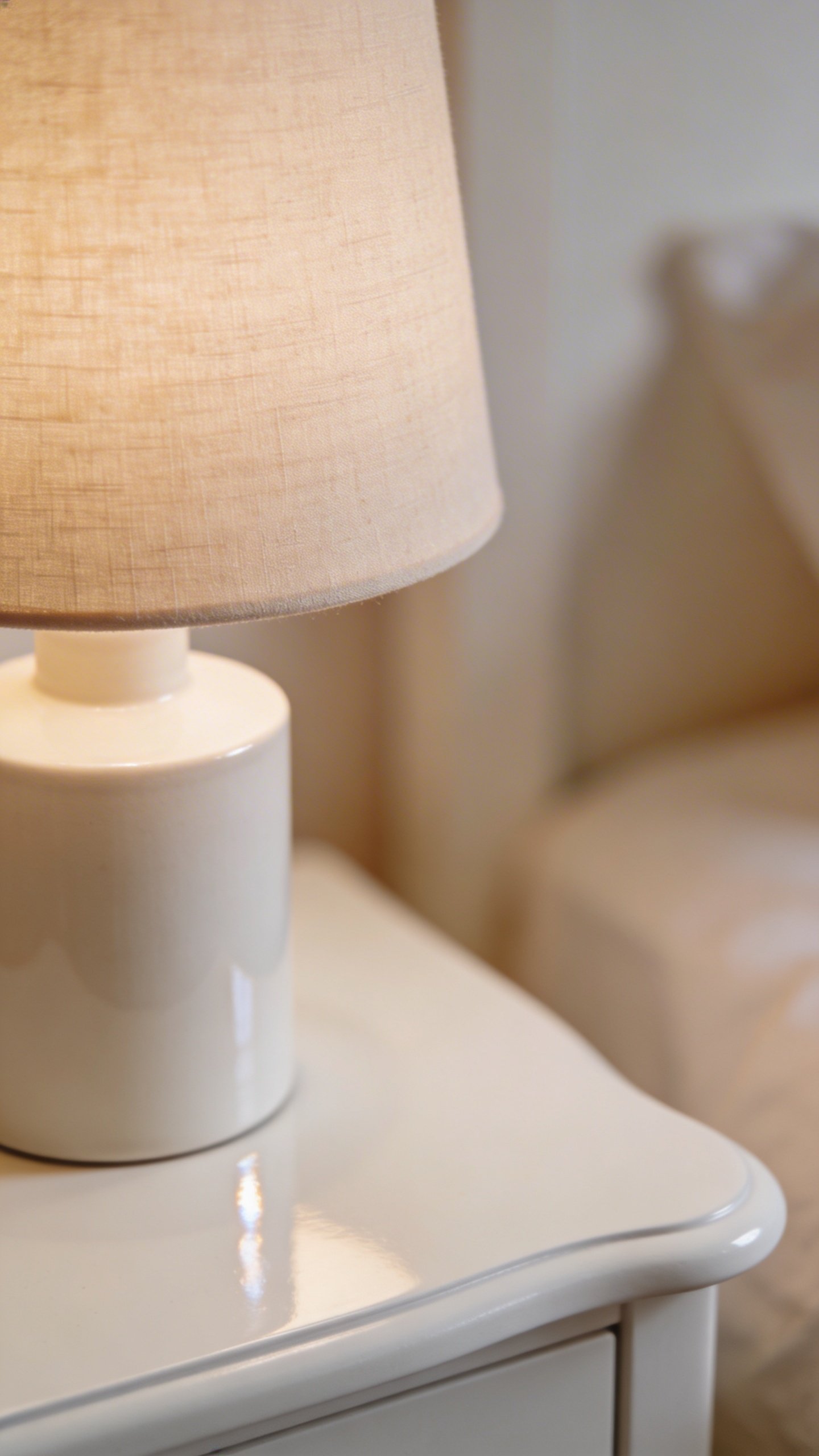
Blank white walls are basically begging for some personality, but you don’t need to cover every square inch. Strategic placement is way more effective than wallpapering the whole room with random prints you found on Amazon.
Create a gallery wall above your bed or dresser using frames in different sizes but similar colors. Black frames on white walls create dramatic contrast, while white or wood frames keep things soft and cohesive. You could also go big with one oversized piece of art as a statement focal point.
Mirrors deserve a special shoutout here. They reflect light, make your room feel bigger, and add architectural interest. A large leaning mirror or a collection of smaller mirrors in interesting frames can totally transform a space.
The Finishing Touches That Tie Everything Together
Okay, you’ve got your textures, your lighting, your pops of color—now it’s time for the details that make your bedroom feel lived-in and personal.
Plants are non-negotiable, in my humble opinion. They bring life (literally) to your space and add that organic element that keeps white rooms from feeling sterile. Low-maintenance options like pothos, snake plants, or succulents work great if you’re not exactly a green thumb.
Books, candles, personal photos, travel souvenirs—these little touches make your bedroom uniquely yours. Just don’t go overboard and turn it into a cluttered mess. The beauty of a white bedroom is that clean, calm feeling, so curate your accessories thoughtfully.
Storage solutions that double as decor are your friend. Woven baskets, pretty boxes, and vintage trunks hide clutter while adding visual interest. Because let’s be real, nobody’s bedroom stays Instagram-perfect 24/7.
Frequently Asked Questions
How do I keep my white bedroom from looking too cold?
Warm it up with natural materials like wood and rattan, layer in plenty of soft textures, and use warm-toned lighting. Adding warm whites (like cream or ivory) instead of stark white also makes a huge difference. Basically, think cozy coffee shop, not dentist’s office.
Will a white bedroom show dirt easily?
Real talk? Yes, white shows dirt. But it also motivates you to keep things clean, which isn’t necessarily a bad thing. Choose washable fabrics for bedding and curtains, and consider slightly off-white tones for high-traffic areas. A little maintenance goes a long way.
Can I have a white bedroom if I have kids or pets?
Absolutely! Just be smart about it. Opt for durable, washable fabrics and consider wipeable paint finishes. You might want to incorporate more creams and off-whites rather than pure white. And hey, those texture layers I mentioned? They’re great at hiding the occasional paw print or sticky fingerprint.
What’s the best way to add personality to an all-white bedroom?
FYI, personality comes from the stuff that’s uniquely you—not from following a Pinterest board exactly. Display things you actually care about: your favorite books, art you love, souvenirs from trips, handmade items. Mix vintage finds with new pieces. Let your bedroom tell your story.
Should all my whites match exactly?
Nope! In fact, mixing different shades of white creates way more visual interest than matching everything perfectly. Warm whites, cool whites, creams—layer them all together. The variation in tone adds depth that a single shade of white can’t achieve.
How can I make my small white bedroom look bigger?
White already helps, but you can amplify the effect with mirrors, minimal furniture, and vertical storage. Keep window treatments light and airy, use furniture with exposed legs (creates a sense of space), and avoid cluttering surfaces. Strategic lighting also makes a huge difference in perceived room size.
Wrapping It All Up
Decorating a white bedroom isn’t about following strict rules—it’s about creating a space that feels good to you. Start with texture, add thoughtful lighting, sprinkle in some personality, and don’t overthink it. The beauty of white is that it gives you endless flexibility to experiment, change things up, and make the space evolve with you.
Remember, your bedroom should be a retreat, not a showroom. So yes, make it beautiful, but also make it comfortable and functional. Sweet dreams start with a space you actually love spending time in, and a well-decorated white bedroom absolutely delivers on that promise.