

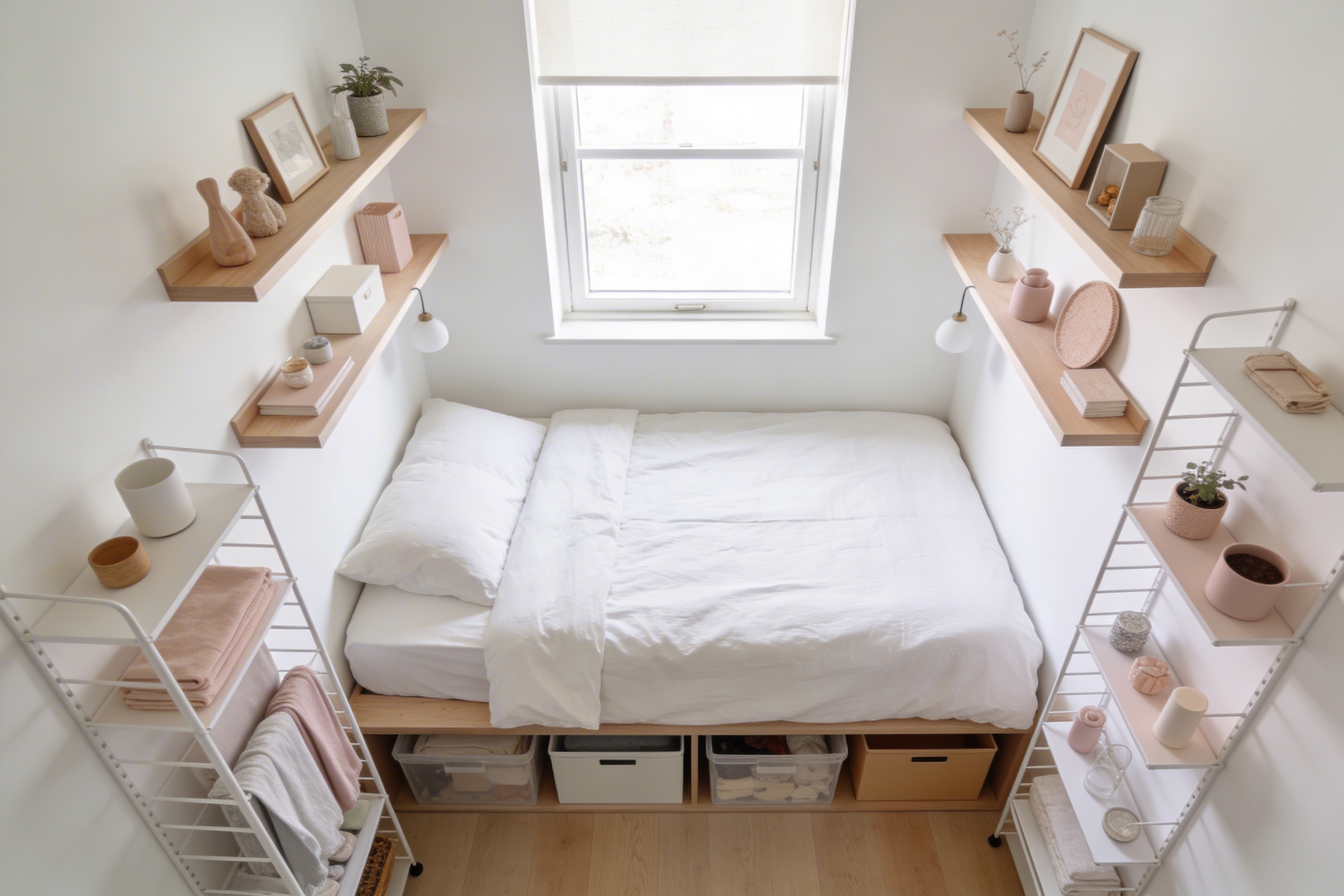
Look, I get it—you’re staring at your tiny bedroom wondering how on earth you’re supposed to fit your entire life into what feels like a glorified closet. The good news? A small bedroom doesn’t have to feel like you’re living in a shoebox. With some clever organizing tricks and a bit of creativity, you can transform your cramped quarters into a surprisingly functional space that doesn’t make you want to flee to the living room every five minutes.
Start With a Ruthless Declutter Session
Before you even think about buying fancy storage solutions or rearranging furniture, you need to face the music and deal with all that stuff you’ve been hoarding. And yes, I’m talking about those jeans from 2015 that you swear you’ll fit into again.
Grab three bags or boxes and label them: Keep, Donate, and Trash. Go through every single item in your bedroom and be brutally honest with yourself. If you haven’t used it in a year, it’s probably not essential to your daily existence. The Marie Kondo “does it spark joy?” method actually works here, even if it sounds a bit woo-woo.
Here’s the thing—every item you keep needs to earn its place in your limited square footage. That decorative vase collecting dust? Gone. The seventeen throw pillows that you toss on the floor every night? Keep two max. Your small bedroom will thank you for the breathing room.
Think Vertical, Not Just Horizontal

When floor space is at a premium, your walls become your best friends. Seriously, look up right now—see all that empty wall space just sitting there doing nothing?
Install Floating Shelves
Floating shelves are absolute game-changers for small bedrooms. Mount them above your desk, beside your bed, or even above the door frame. You can store books, display plants, keep your everyday items within reach, and suddenly you’ve got storage that doesn’t eat into your floor space.
Use Wall-Mounted Hooks and Pegboards
Skip the bulky coat rack and install some stylish hooks on the wall instead. You can hang everything from bags to jewelry to tomorrow’s outfit. Pegboards aren’t just for garages anymore—they’re actually pretty trendy and ridiculously practical for organizing accessories, hats, and smaller items.
Choose Furniture That Works Overtime
In a small bedroom, every piece of furniture needs to pull double duty. Single-purpose furniture is a luxury you simply can’t afford when you’re working with limited space.
Invest in a bed frame with built-in storage drawers—those things are lifesavers. You can stash out-of-season clothes, extra bedding, or whatever else you need to hide away. Ottoman benches with storage inside? Perfect for the foot of your bed. Nightstands with shelves or drawers? Non-negotiable.
Also, consider getting a desk that can fold down when you’re not using it, or a chair that can slide completely under your desk. The less floor space your furniture monopolizes when not in use, the better.
Master the Under-Bed Space
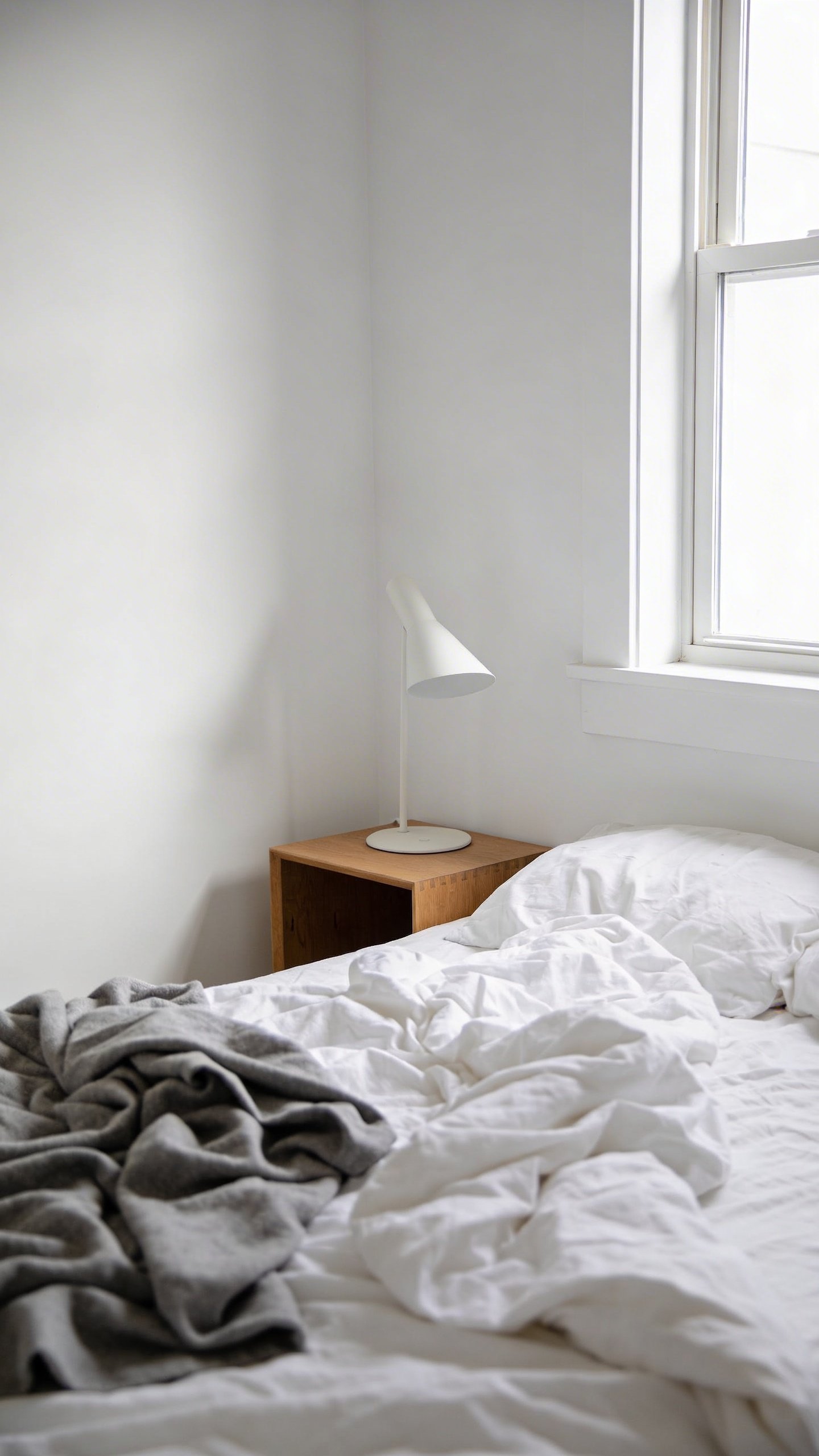
That dark abyss under your bed is prime real estate, and you’re probably wasting it. Don’t let it become a graveyard for dust bunnies and lost socks.
Under-bed storage containers are your answer here. Get the flat, wheeled ones that slide in and out easily. You can store shoes, seasonal clothing, extra linens, or even books down there. If your bed sits too low, get some bed risers—they’ll give you a few extra inches of clearance and won’t cost you much.
FYI, vacuum-sealed bags are perfect for storing bulky items like winter coats or thick comforters under the bed. They compress everything down to a fraction of the original size, and you can actually fit a surprising amount under there.
Create Zones Within Your Space
Just because your bedroom is small doesn’t mean it can’t have designated areas. Creating distinct zones helps your brain recognize different spaces for different activities, which honestly makes the room feel less claustrophobic.
Use your furniture placement to define these zones. Maybe your bed area is separate from your getting-ready station, which is separate from your reading nook (even if your “nook” is just a chair in the corner). A small rug can visually define a space, or you can use different lighting for different areas.
The goal is to make your small bedroom feel like it has multiple purposes without the chaos of everything blending together. It’s all about the illusion of space, baby.
Use Room Dividers Strategically
If you really want to separate your sleeping area from your work or dressing area, a folding screen or curtain can do wonders. It creates a visual barrier without the permanence or bulk of a real wall. Plus, you can fold it away when you want the room to feel more open.
Maximize Your Closet Situation

Your closet is probably a hot mess, am I right? Time to fix that because a well-organized closet can hold way more than you think.
Start by getting slim, matching hangers—those chunky plastic or wooden hangers take up unnecessary space. Use cascading hooks to hang multiple items vertically, and add a second hanging rod if you have the height for it. Suddenly you’ve doubled your hanging capacity.
Install hooks on the inside of your closet door for bags, scarves, or belts. Use shelf dividers to keep stacks of clothes from toppling over. And please, organize your clothes by category and color—it makes finding things infinitely easier and keeps your closet looking less like a tornado hit it.
Don’t Forget the Floor and Top Shelf
Put shoe racks or clear shoe boxes on your closet floor to keep footwear organized and visible. The top shelf? Perfect for items you don’t need daily, like luggage, extra blankets, or seasonal decorations. Just make sure you can actually reach up there, or invest in a small step stool.
Get Creative With Door Space
Your bedroom door is underutilized real estate. Over-the-door organizers come in all shapes and sizes—some for shoes, some for accessories, some with pockets for random bits and bobs.
You can also install hooks on the back of your door for robes, bags, or tomorrow’s outfit. Just don’t overload it to the point where you can’t close the door properly. That would be awkward.
Frequently Asked Questions
How do I make my small bedroom feel bigger?
Use light colors on your walls and bedding—they reflect more light and create an airy feeling. Hang mirrors strategically to bounce light around and create the illusion of depth. Keep clutter to a minimum, and make sure you’re not blocking natural light with heavy curtains. IMO, the less stuff you have crowding your sightlines, the bigger your room will feel.
What’s the best bed size for a small bedroom?
A full-size bed is usually the sweet spot for small bedrooms—it’s comfortable for sleeping but doesn’t completely dominate the room like a queen or king would. If you’re really tight on space, consider a twin or twin XL. Just measure your room first and leave at least two feet of walking space around the bed if possible.
How can I add storage without making the room feel cluttered?
Stick with closed storage solutions rather than open shelving where everything’s on display. Use baskets and bins to corral smaller items so they look intentional rather than messy. Choose furniture in the same color family to create a cohesive look that doesn’t feel visually busy. And seriously, keep only what you actually need and use.
Should I get a dresser if I have a small bedroom?
Only if you have the space and your closet can’t handle all your clothes. A tall, narrow dresser takes up less floor space than a wide, short one. But honestly, if you can maximize your closet and use under-bed storage, you might not need a dresser at all. That frees up valuable floor space for activities—or just, you know, walking around without bumping into stuff.
How do I organize a small bedroom with no closet?
Invest in a freestanding wardrobe or clothing rack, and treat it like you would a closet with the same organizing principles. Use wall-mounted shelves for folded items, and maximize under-bed storage. You’ll need to be even more strategic about what you keep since you’re starting with a handicap, but it’s totally doable.
What should I avoid in a small bedroom?
Skip dark, heavy colors that make the space feel smaller. Avoid oversized furniture that crowds the room—scale matters. Don’t accumulate decorative items just for the sake of it; every piece should serve a purpose or bring you genuine joy. And please, don’t shove everything under the bed or in the closet randomly and call it organized. That’s just hiding the problem, not solving it.
Final Thoughts
Organizing a small bedroom isn’t about following some rigid set of rules—it’s about finding what works for your specific space and lifestyle. The key is maximizing every square inch while keeping things functional and, ideally, not completely hideous.
Start with the declutter, think creatively about storage, and don’t be afraid to rearrange things until you find a layout that clicks. Your small bedroom has more potential than you think. It just needs a little strategic organizing and maybe some vertical shelves. You’ve got this.