

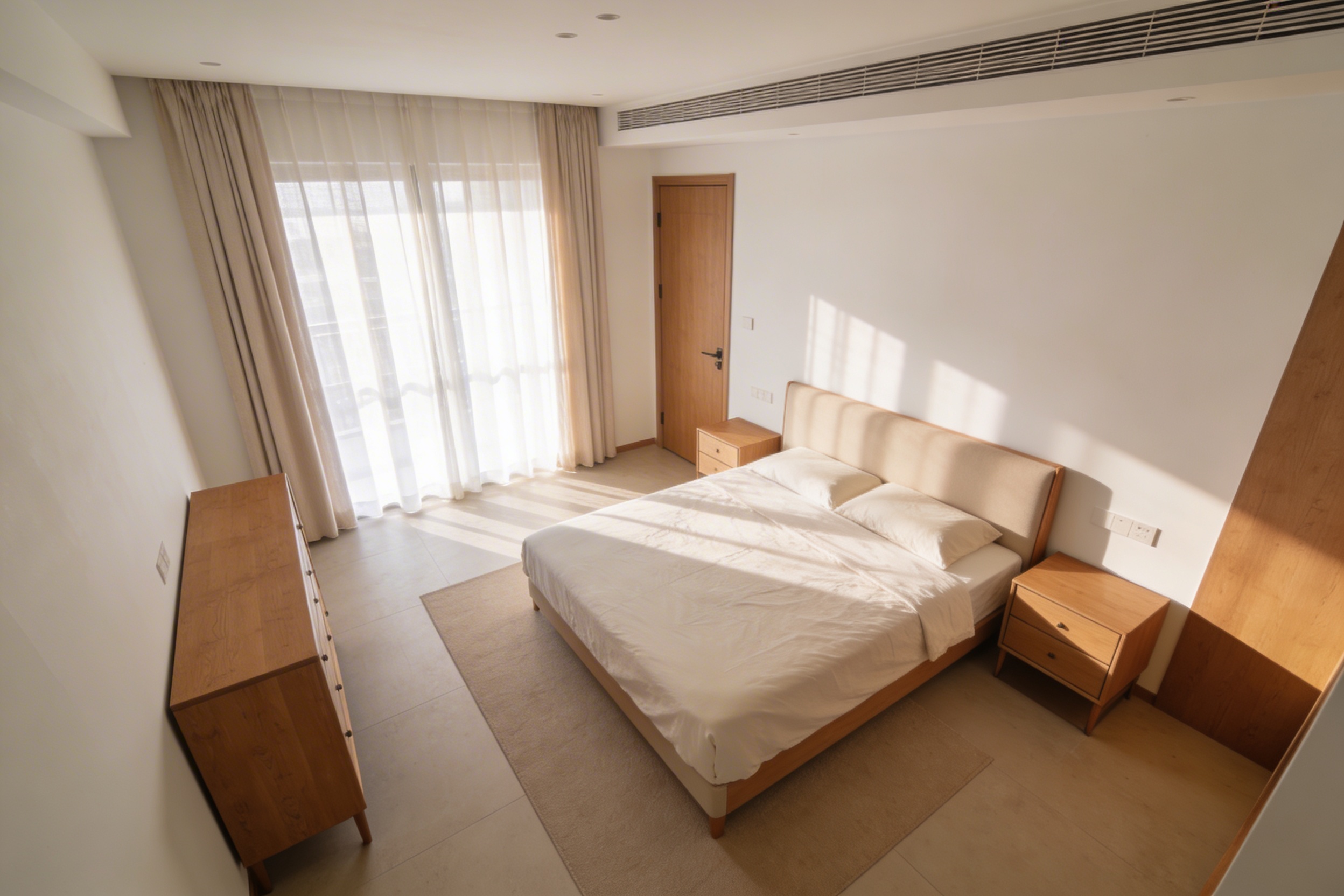
Your bedroom should be your sanctuary, but let’s be real—most of us treat furniture placement like a game of Tetris we’re losing. You shove the bed against a wall, plop a dresser wherever it fits, and call it a day. Here’s the thing: where you put your furniture can make the difference between a peaceful retreat and a cramped closet you happen to sleep in.
Start With Your Bed (Because Obviously)
Your bed is the star of the show, so let’s position it like the celebrity it is. The traditional advice says center your bed on the main wall—usually the one opposite the door. This creates visual balance and makes your room feel intentional instead of haphazard.
But here’s where it gets interesting. If you’ve got windows on that wall, you’ll need to decide whether you’re team headboard-under-window or team pick-a-different-wall. Placing your bed under a window can look gorgeous, but it means dealing with drafts, potential light issues, and the awkward reality that you can’t use a tall headboard.
Never place your bed directly in line with the door—it creates what designers call the “coffin position” and just feels weird. You want to see the door from your bed for that subconscious sense of security, but you don’t want to feel like you’re on display every time someone walks by.
Corner Placement: Yay or Nay?
Shoving your bed in a corner saves space, but it only really works in small rooms or if you’re the only one sleeping there. Nobody wants to climb over their partner at 2 AM for a bathroom run. If you’re working with a tight space, go for it. Otherwise, give yourself at least two feet of clearance on both sides.
Nightstands and Bedside Tables Are Non-Negotiable
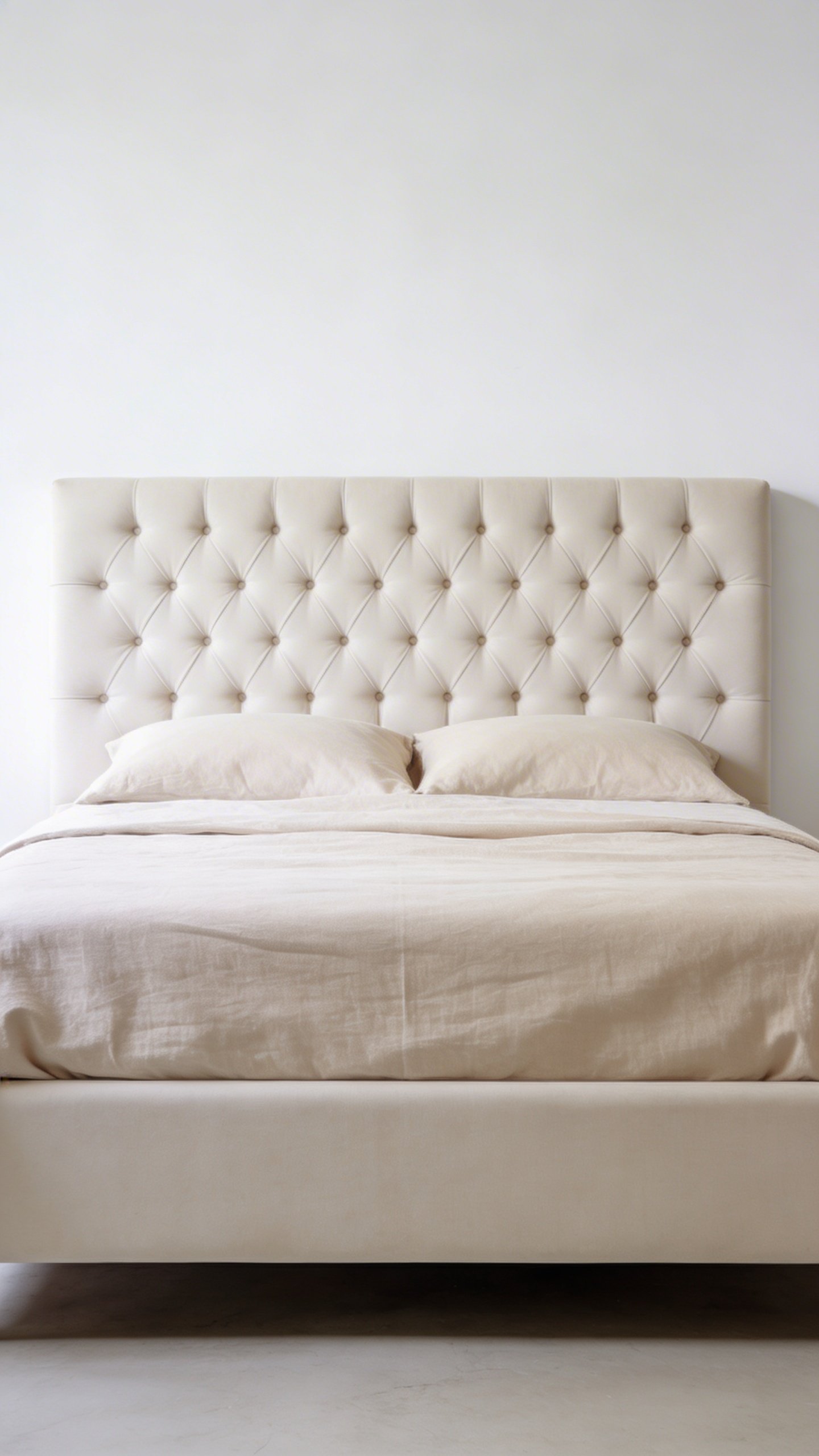
Listen, I don’t care how minimalist you think you are—you need somewhere to put your phone, water, book, or whatever else you need at 3 AM. Nightstands should sit level with your mattress top or slightly below for easy reaching without the gymnastics.
Can’t fit matching nightstands on both sides? Welcome to the real world. Prioritize the side you use most, or get creative with wall-mounted shelves. A floating shelf takes up zero floor space and does the job just fine.
The magic number for clearance between your bed and nightstand? About 3-6 inches. Close enough to reach, far enough that you’re not knocking stuff over every time you adjust your pillows.
Dresser Placement: More Strategic Than You Think
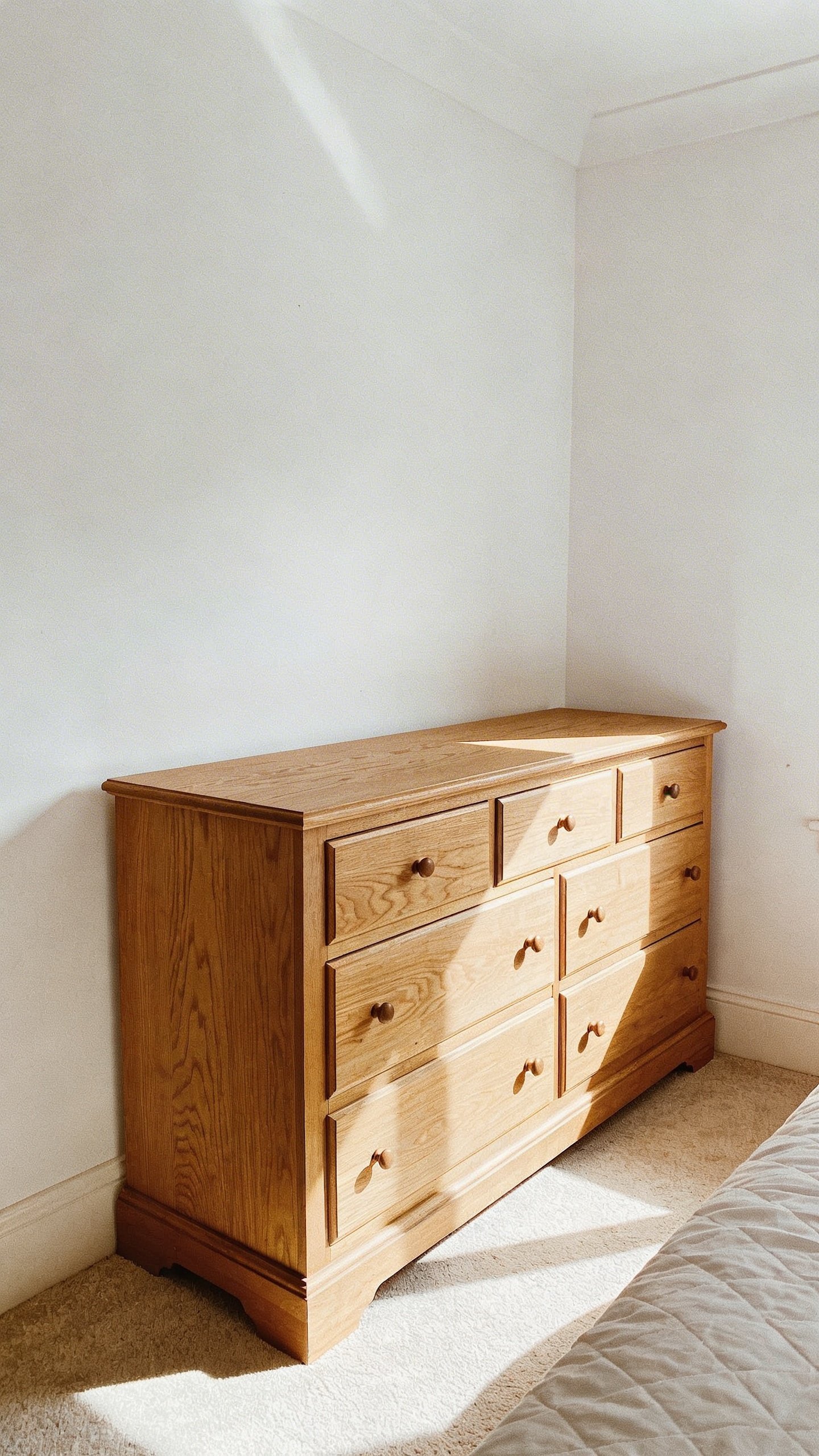
Your dresser doesn’t just store clothes—it’s often your second-largest piece of furniture, so its placement matters. The wall facing your bed works great because you can put a mirror above it and create a focal point. Just make sure you’re comfortable with seeing yourself first thing in the morning (some people hate this, FYI).
Alternatively, place your dresser on a wall perpendicular to your bed. This works especially well in rectangular rooms where you need to balance the visual weight. Leave at least 36 inches in front of your dresser so you can actually open the drawers without contorting yourself.
Got a TV? Your dresser makes an excellent media console. Just measure first—there’s nothing sadder than buying a dresser only to realize your TV hangs over the edges like a sad overhang.
When You’re Short on Wall Space
If your room has more windows than walls (looking at you, corner rooms), consider a tall dresser instead of a long one. Vertical storage is your best friend in tight quarters. You can also put a dresser in your closet if it’s a walk-in, freeing up valuable bedroom real estate.
The Seating Situation
A chair or bench in your bedroom elevates the whole vibe from “place I sleep” to “actual retreat.” Place a comfy chair in a corner with a floor lamp, and boom—you’ve got a reading nook. Put a bench at the foot of your bed for a hotel-style look and a convenient spot for folding laundry (or let’s be honest, piling clean clothes).
Skip the seating if your room is under 120 square feet. You need that floor space for, you know, walking around without bumping into things.
Desk Placement for Bedroom Offices
The bedroom office is basically mandatory now, but placement is tricky. You want your workspace separate from your sleep space for mental health reasons. Position your desk so you’re not facing your bed while working—it’s too tempting for “quick naps” that derail your whole afternoon.
Near a window is ideal for natural light, but perpendicular to it rather than directly facing it to avoid screen glare. If your room is small, consider a wall-mounted fold-down desk that disappears when you’re done working.
Corner desks maximize awkward spaces, though they can feel a bit claustrophobic. L-shaped arrangements work better if you’ve got the room.
Creating Flow and Breathing Room

Here’s where people mess up most: they focus on individual pieces and forget about movement. You need clear pathways around your room, ideally 24-30 inches wide minimum. Think about your morning routine—can you actually walk from bed to closet to door without doing a weird sideways shuffle?
The 2/3 rule is your friend: leave at least two-thirds of your floor visible. If you’re covering more than a third with furniture, your room will feel cramped no matter how you arrange things.
Also, rugs. A rug anchors your furniture arrangement, but size matters. Your rug should extend at least 18 inches beyond the sides of your bed, or go big enough that all your furniture sits on top of it. Those tiny accent rugs that just sit next to your bed? They look like bathroom mats. Skip ’em.
Common Furniture Placement Mistakes
Let’s talk about what NOT to do. Pushing all your furniture against the walls might seem like it creates space, but it actually makes rooms feel smaller and awkward. Pull pieces away from walls a bit—even just a few inches makes a difference.
Don’t block heating vents or returns with furniture. Your HVAC system will hate you, your energy bills will spike, and you’ll create weird hot and cold spots. Same goes for blocking electrical outlets you actually use.
IMO, the biggest mistake is buying furniture before measuring. That gorgeous king bed might not leave room for anything else. Measure your room, map it out on paper or use a room planner app, and save yourself the headache of returns.
Frequently Asked Questions
Should my bed face the door or the window?
Your bed should let you see the door without being directly in line with it—this is the commanding position, and it just feels right. Windows are secondary considerations. If you can see both the door and have natural light without sacrificing the commanding position, you’ve won bedroom placement bingo.
How much space do I really need around my bed?
Aim for at least 24 inches on each side where you get in and out, and 36 inches at the foot of the bed. These are minimums, not goals. More space equals easier movement and better energy flow, whatever that means to you.
Can I put my bed in front of a radiator or vent?
Please don’t. You’ll block airflow, waste energy, and potentially create safety issues with radiators. Your bed frame and bedding can also get damaged from heat exposure. Find another wall, even if it’s not your first choice aesthetically.
What if my bedroom is really small?
Prioritize ruthlessly. You need a bed and maybe a nightstand. Everything else is negotiable. Use vertical space with wall-mounted shelves, get a bed with storage drawers underneath, and consider multipurpose furniture like an ottoman that stores stuff inside.
Does furniture arrangement really affect sleep quality?
The psychological aspect is real. When your room feels balanced and you can move freely, you genuinely relax better. Plus, practical stuff matters—having your bed away from noise sources, light pollution, and drafts absolutely impacts how well you sleep.
Should I follow feng shui rules for bedroom furniture?
If it resonates with you, go for it. Many feng shui principles align with practical design anyway—like the commanding position for your bed and maintaining clear pathways. But don’t stress if your room layout makes some rules impossible. Your comfort and functionality matter most.
Wrapping It Up
Arranging bedroom furniture isn’t rocket science, but it’s not totally intuitive either. Start with your bed in the commanding position, leave enough space to actually move around, and remember that your bedroom should work for your life—not some Instagram-perfect ideal that leaves you climbing over furniture.
Experiment a bit. Live with an arrangement for a week before you commit to drilling holes or buying area rugs. Your bedroom sees you at your most vulnerable, so make it a space that actually serves you. And hey, if you need to rearrange everything at midnight because something’s bugging you? We’ve all been there.