

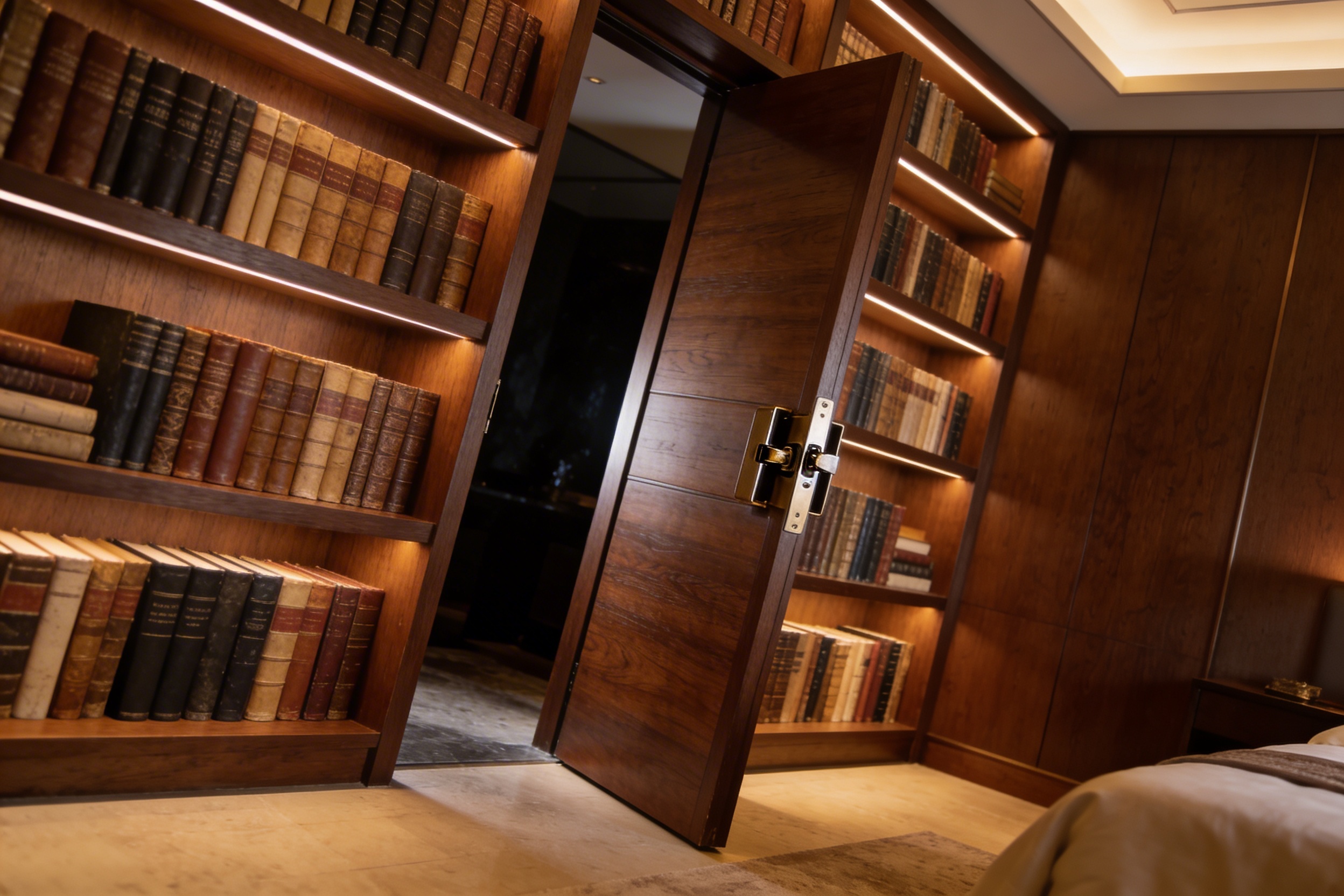
Ever wished you could make a door just… disappear? Maybe you’re hiding a walk-in closet, a secret panic room, or just trying to create cleaner visual lines in your bedroom. Whatever your reasons (no judgment here), turning a regular door into an invisible portal is totally doable with the right tricks.
Why Would Anyone Want to Hide a Bedroom Door Anyway?
Before we dive into the how, let’s talk about the why. You might think hiding doors is strictly for secret agents and paranoid billionaires, but it’s actually super practical for everyday folks.
Hidden doors create visual flow in your space. That awkward closet door breaking up your perfectly styled gallery wall? Gone. The bathroom entrance interrupting your minimalist aesthetic? Invisible. You’re essentially giving your bedroom a magic trick that it performs 24/7.
Some people use hidden doors to create actual secret rooms for valuables, safes, or home offices. Others just want their master suite to feel more like a high-end hotel and less like a traditional house with doors poking out everywhere. Both are totally valid reasons.
The Bookcase Door: A Classic for Good Reason
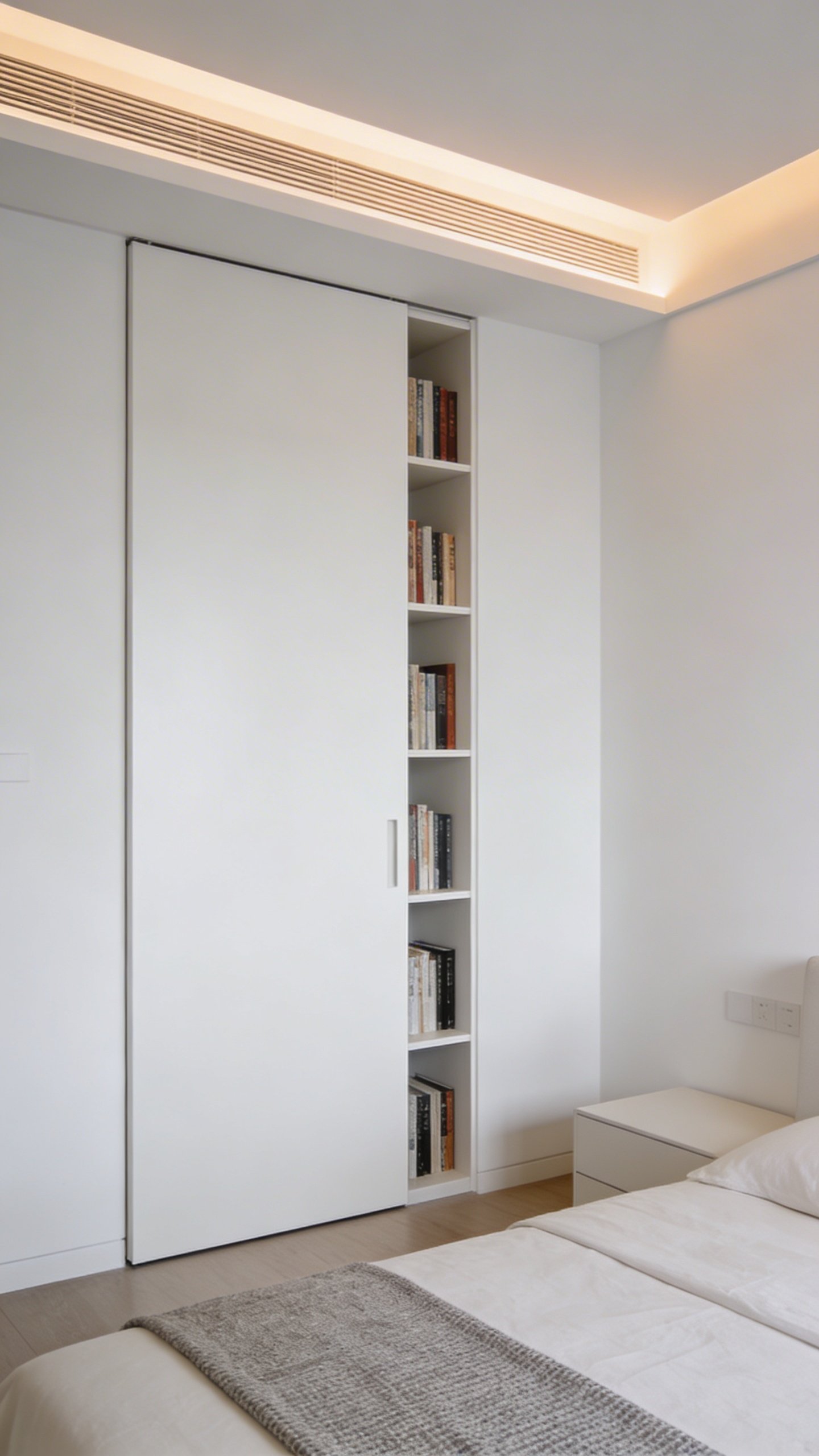
Let’s start with everyone’s favorite hidden door option. You’ve seen it in movies a thousand times, and yes, it actually works in real life.
A bookcase door operates on a hidden hinge system that allows an entire shelving unit to swing open. The key is making it look like it absolutely belongs there, loaded with books and decorative objects that don’t move when you open it.
You can buy pre-made Murphy Door kits that come with the hardware already configured. They’re not cheap (expect to spend $1,000-3,000), but they’re designed specifically for this purpose. The alternative is building your own using piano hinges and some serious carpentry skills.
Making Your Bookcase Door Convincing
Here’s where people mess up: they install a gorgeous bookcase door and then leave it half-empty or arranged too perfectly. Real bookshelves have personality and a little chaos.
Stack your books at different angles, mix in some decorative objects, and make sure everything is secured so it doesn’t fly off when you swing the door. FYI, there’s nothing that screams “fake bookcase” louder than one that’s suspiciously pristine or completely symmetrical.
Add a magnetic latch system so the bookcase sits flush against the frame when closed. Any gap wider than a regular door would have completely gives away the game.
The Wallpapered or Painted Door Trick
Want something less dramatic than a bookcase? Just make your door blend directly into the wall. This works especially well in bedrooms with bold wallpaper or interesting paint treatments.
The concept is simple: you cover your door with the exact same material as your walls. Wallpaper, paint, wood paneling, whatever you’re working with. The door becomes an extension of the wall instead of a separate element.
You’ll need to use flush-mount hinges (also called concealed hinges) that sit inside the door frame rather than on the surface. Replace traditional doorknobs with push-to-open mechanisms. The fewer interruptions to your wall surface, the better the illusion works.
Pattern Matching Is Everything
If you’re using wallpaper, you need to match the pattern precisely across the door and wall. This means buying extra wallpaper and taking your time with alignment. Rushing this step ruins the entire effect.
For painted doors, use the exact same paint in the same finish. Even slight variations in sheen will catch the light differently and reveal the door’s location.
Mirror Doors for the Ultimate Disappearing Act
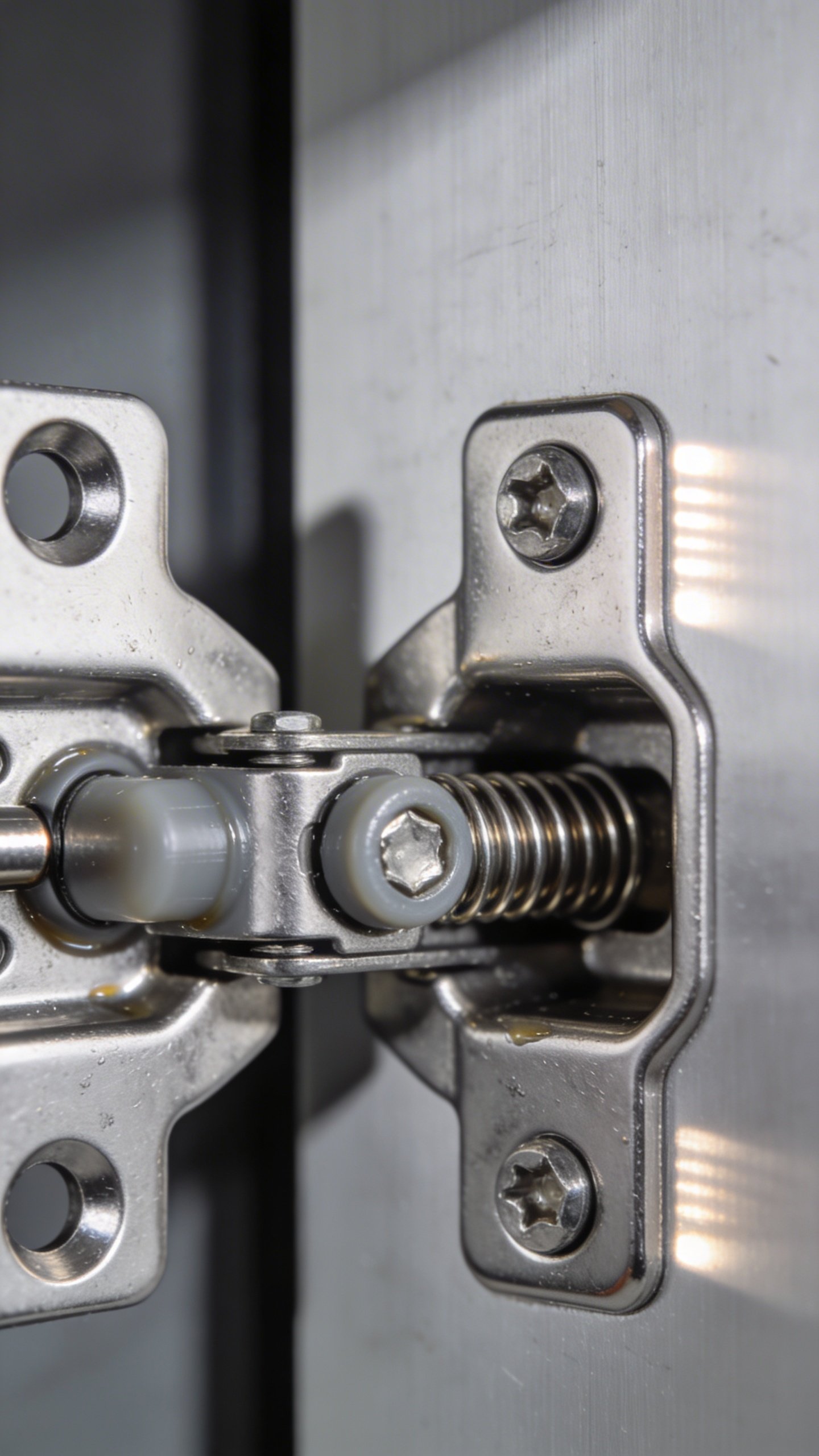
Mirrors naturally confuse the eye and expand space, which makes them perfect for hiding doors. A full-length mirror mounted on a door doesn’t just conceal the entrance – it makes your room look bigger in the process.
You can either mount a mirror directly to your existing door or install a new door with a mirror already attached. The frame (or lack thereof) makes a huge difference here. Frameless mirrors create a more seamless look, while framed mirrors need to match your bedroom’s style to avoid looking suspicious.
This approach works particularly well for closet doors and bathroom entrances. Just make sure you install proper backing so the mirror doesn’t crack or shatter over time with regular use.
Creating a Panel Wall With Your Door Hiding Inside
This is the fancy option that interior designers love. You create a wall featuring multiple decorative panels (think modern wainscoting or board-and-batten), and one of those panels is actually your door.
The panels provide natural divisions that disguise where the door starts and ends. Your eye sees a designed wall feature instead of an entrance. It’s sneaky and sophisticated at the same time.
You’ll need to plan this carefully so the door panel aligns with the others in size and spacing. Use recessed or magnetic hardware to eliminate visible knobs or handles. A push-latch mechanism works great here.
This technique requires the most carpentry work upfront, but IMO, it delivers the most polished final result. The door doesn’t just hide – it becomes an intentional design element.
Hardware Hacks That Sell the Illusion
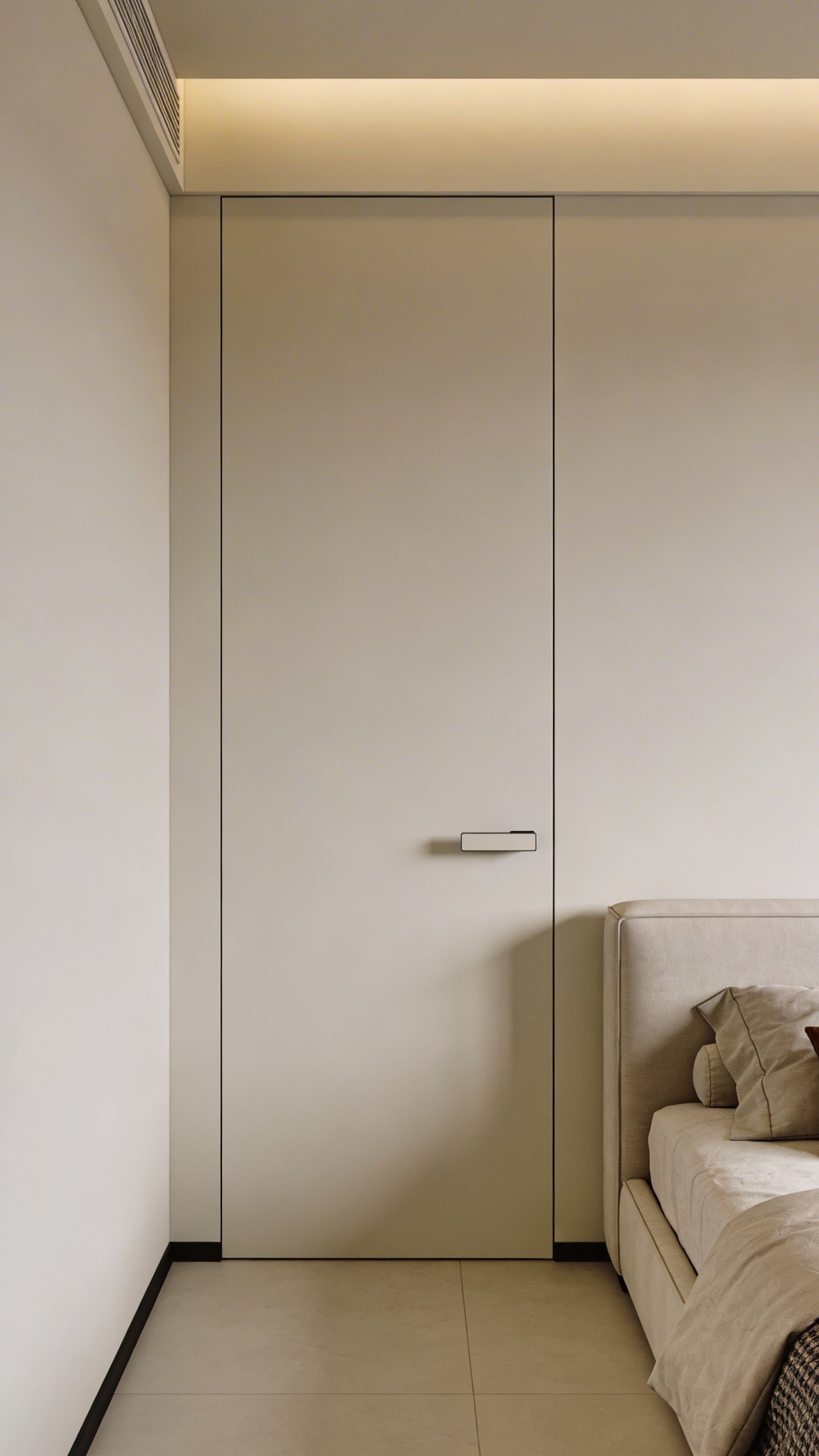
No matter which hiding method you choose, the hardware makes or breaks your secret door. Traditional hinges and doorknobs scream “I’m a door!” even when you’re trying to be subtle.
Pivot hinges let doors swing from a single point rather than along one edge, creating unexpected movement patterns. European-style concealed hinges hide completely inside the door and frame. Piano hinges distribute weight along the entire door edge, which is crucial for heavy bookcase doors.
For door handles, consider these options:
- Push-to-open latches eliminate handles completely
- Recessed pulls that sit flush with the door surface
- Magnetic catches that require just a gentle push
- Edge-mounted pulls hidden on the door’s side
You can also install your door to swing in the opposite direction than expected. If everyone assumes doors swing into a room, reverse it. Small psychological tricks like this help the door stay under the radar.
Common Mistakes That Give Away Your Hidden Door
Even the best-planned hidden door can fail if you overlook certain details. Let me save you from the most common screw-ups.
Floor clearance issues are enemy number one. If your carpet or flooring changes at the door threshold, you’ve basically drawn an arrow pointing at it. Keep flooring consistent across the door’s path or use transitions that make sense for the room’s layout.
Lighting also betrays hidden doors constantly. If light spills from under a supposedly solid wall, people will notice. Install door sweeps or adjust your lighting to eliminate this problem.
Don’t forget about the door’s swing radius. You need to keep that floor space clear, which means your furniture placement might give away the door’s location anyway. Plan your room layout with this in mind.
Frequently Asked Questions
Do hidden doors meet building codes?
This depends on what the door is hiding. If it’s the only exit from a bedroom or conceals a required egress window, you might have problems. Hidden doors to closets or bonus spaces typically don’t raise code issues, but doors blocking emergency exits absolutely do. Always check local regulations before sealing up important access points, especially in bedrooms where safety codes are strict.
How much does it cost to install a hidden door?
Expect anywhere from $500 for a simple paint-and-hardware update to $5,000+ for custom bookcase installations. DIY paint or wallpaper treatments run cheapest, while custom built-ins with professional installation cost the most. Pre-made bookcase door kits from companies like Murphy Door fall in the $1,500-3,000 range before installation.
Can I hide a door in a rental without causing damage?
Your options are limited but not impossible. Removable wallpaper can blend a door into the wall temporarily. Large, removable mirrors work too. Avoid anything requiring major hardware changes or permanent alterations to the door itself. When in doubt, get landlord approval in writing first – they’ll appreciate the heads-up more than the surprise.
Will a hidden door affect my home’s resale value?
Generally no, unless you’ve blocked important access or created something so specific to your taste that it turns off buyers. Well-executed hidden doors often wow potential buyers and can even increase perceived value. Just make sure you disclose the door’s location during sale negotiations – nobody wants to accidentally seal themselves in a room they didn’t know existed.
What’s the easiest hidden door method for beginners?
Start with the paint or wallpaper approach. It requires the least structural modification and you can always reverse it if things go wrong. Combine matching wall coverage with flush-mount hinges and a push-latch mechanism, and you’ve got a hidden door without major construction. Save the bookcase installations for when you’re feeling more ambitious (or have a bigger budget).
How do I make sure I can still open my hidden door easily?
Install quality hardware designed for frequent use, not cheap alternatives that’ll break in six months. Mark the door’s location with something subtle – a tiny notch in baseboards, a specific decorative object nearby, or a textured element you can feel. You don’t want to spend five minutes pawing at your wall every time you need to get dressed.
Final Thoughts on Your Disappearing Act
Hiding a bedroom door isn’t just about creating secret passages (though that’s definitely a perk). It’s about controlling your space’s visual flow and creating the exact atmosphere you want.
Whether you go full spy-movie with a bookcase door or keep it simple with matching paint, the key is attention to detail. The hardware, the alignment, the finishing touches – they all matter equally. Rush any part of the process and your “hidden” door becomes an obvious door with extra steps.
Start with one door and see how you like living with it. You might discover you love the cleaner look so much that you start eyeing other doors around your house. Just remember: the point is making doors blend in, not making yourself forget where they are. That’s how you end up walking into walls, and trust me, that’s harder to explain than why you wanted a hidden door in the first place.