

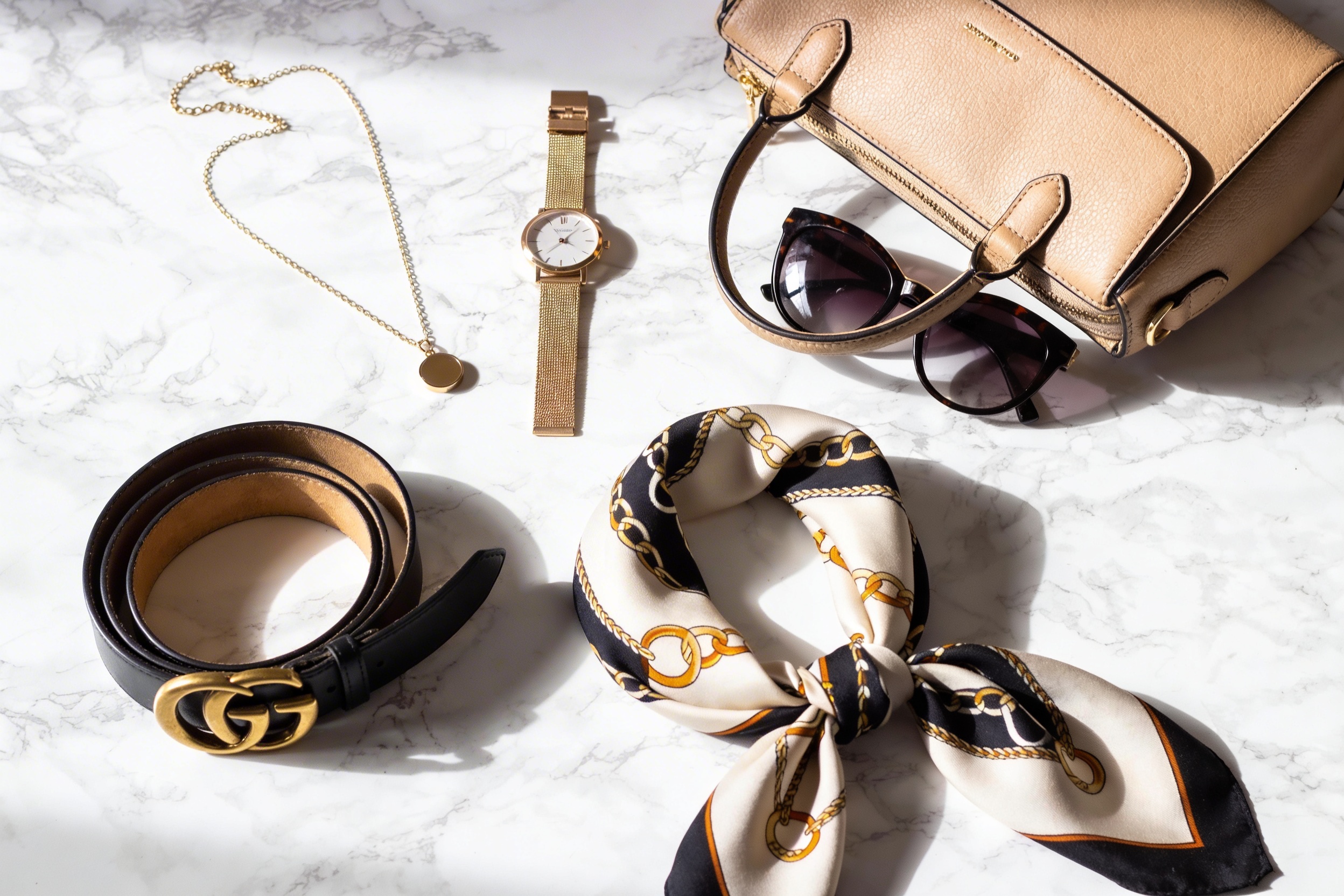
You know that feeling when you nail an outfit, but something still feels… off? Nine times out of ten, it’s not the clothes—it’s the accessories. The difference between looking like you got dressed in the dark and looking like you stepped out of a magazine often comes down to how you accessorize. Let me walk you through exactly how stylists approach this so you can stop second-guessing yourself every morning.
Start With Your Outfit’s Vibe (Because Context Is Everything)
Before you even think about grabbing that statement necklace, take a good look at what you’re wearing. What’s the mood here? Are we going business casual, edgy street style, or romantic brunch vibes?
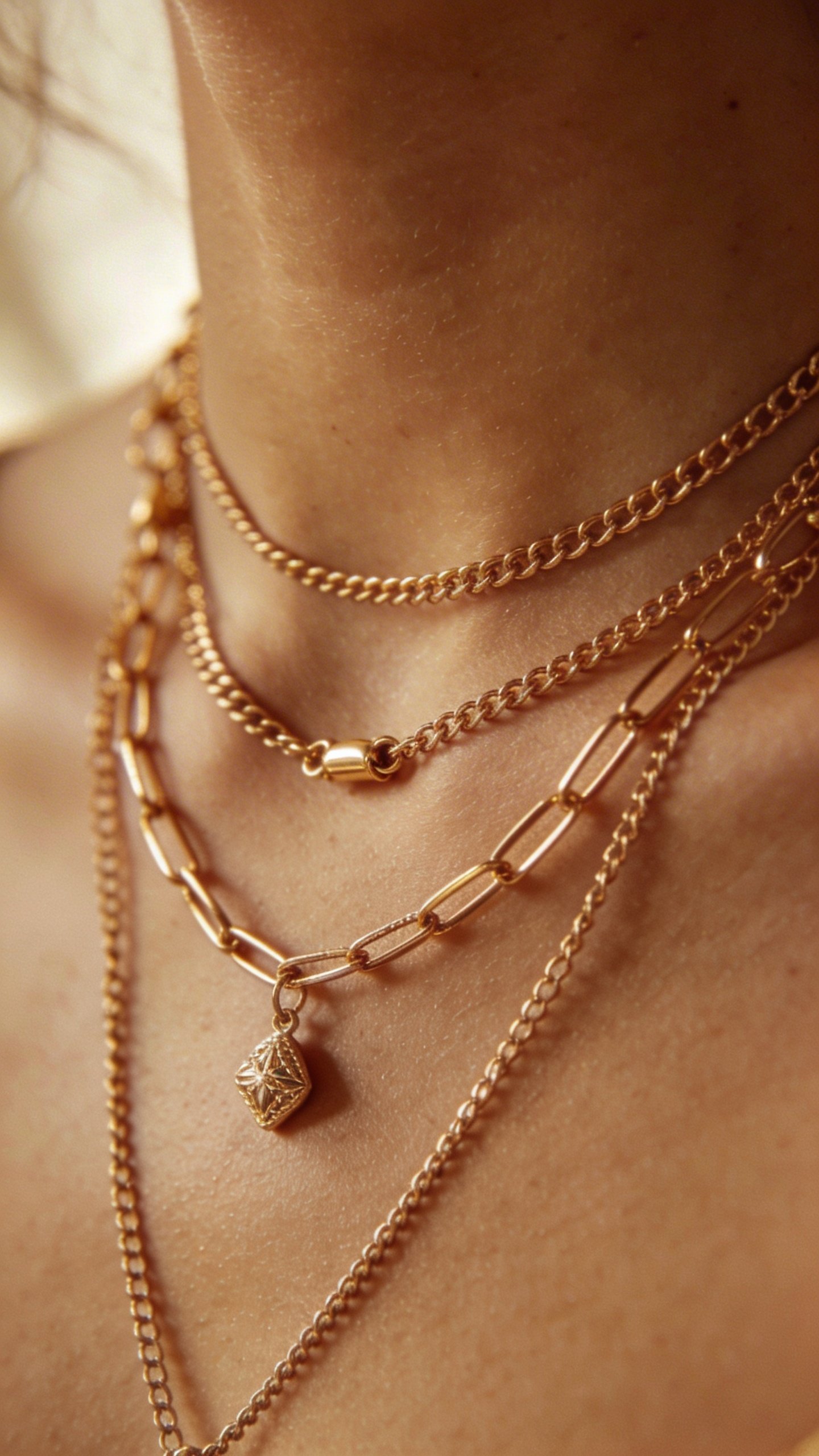
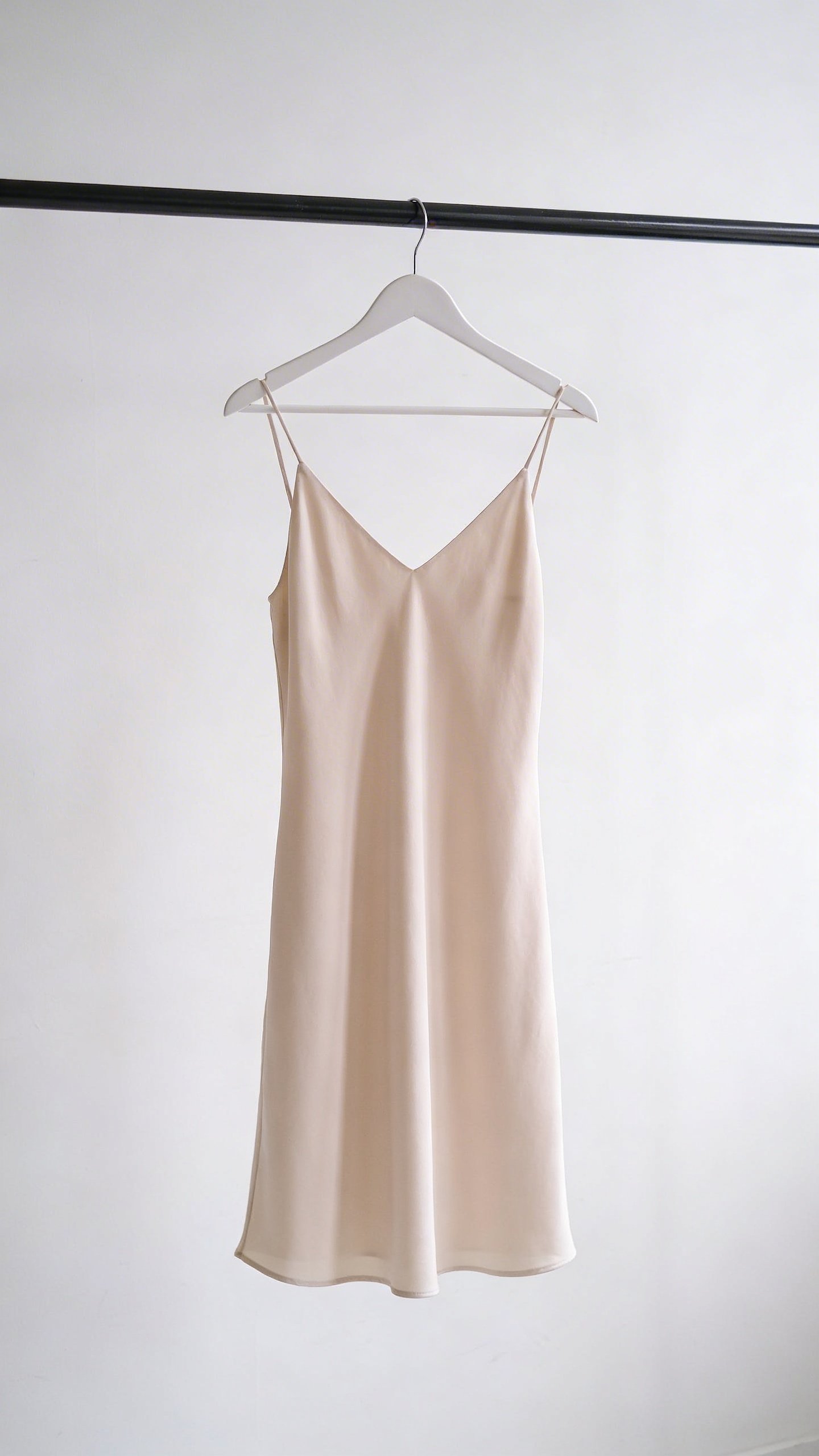
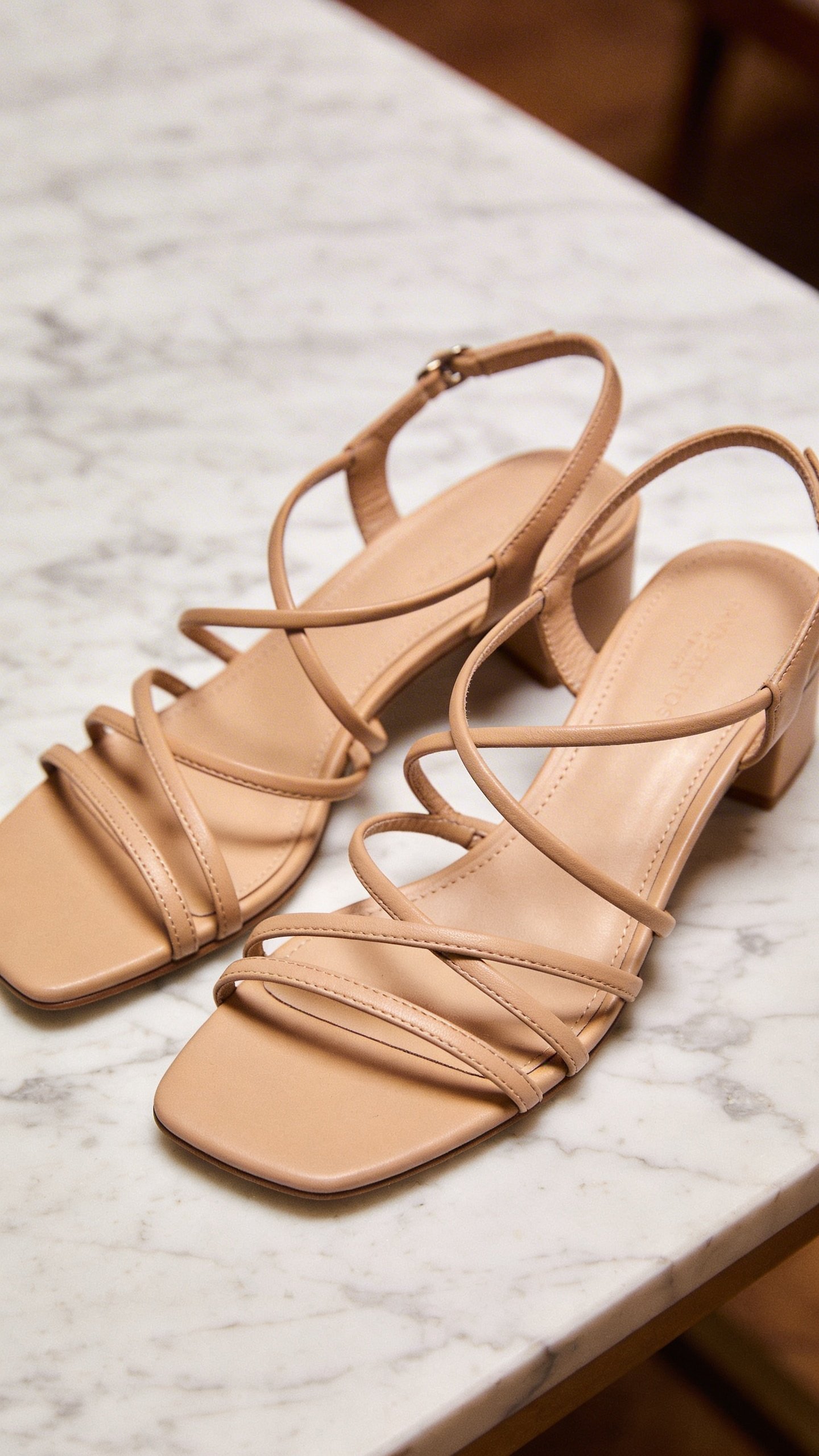
Your accessories need to speak the same language as your outfit. If you’re rocking a minimalist slip dress, chunky combat boots might clash (unless that’s intentional—fashion rules are made to be broken). But pairing it with delicate gold jewelry and strappy sandals? *Chef’s kiss*.
Think of your outfit as the foundation and your accessories as the seasoning. You wouldn’t dump hot sauce on ice cream (I hope), so don’t throw random accessories at an outfit without considering if they actually make sense together.
Follow the Rule of Three (Your New Best Friend)
Here’s a secret that stylists live by: the rule of three. Pick three main accessory pieces, and you’re golden. This keeps you from looking like you robbed a jewelry store while preventing the dreaded “naked outfit” syndrome.
Your three pieces could be:
- Earrings, a watch, and a handbag
- A necklace, bracelet, and sunglasses
- A belt, statement shoes, and a ring
- A scarf, hat, and bold earrings
Notice how this creates balance without overwhelming your look? You’re giving people’s eyes multiple places to land without turning yourself into a walking accessory display. Less really is more when you’re strategic about it.
Mix Your Metals (Yes, Really)
Whoever told you that you can’t mix gold and silver jewelry lied to you. Sorry, but it’s true. Stylists mix metals all the time, and it looks incredibly chic when done right.
The trick is to make it look intentional. Wear a gold necklace with silver rings, or stack bracelets in different finishes. The key word here is balance—if you’re going heavy on gold, add just a touch of silver to keep things interesting.
One easy way to pull this off? Choose pieces that already combine metals. A two-tone watch or a necklace with both gold and silver elements gives you permission to play around with both finishes throughout your outfit.
Scale Matters More Than You Think
This is where a lot of people mess up, TBH. You need to consider proportion and scale when choosing accessories.
Match Accessories to Your Body Frame
If you’re petite, oversized accessories can swallow you whole. Conversely, if you’re tall or plus-size, tiny delicate pieces might get lost. This doesn’t mean you *can’t* wear certain styles—just that you need to be thoughtful about it.
A general rule: larger frames can handle bolder, chunkier pieces, while smaller frames typically look best with more delicate accessories. But again, rules are guidelines, not laws.
Balance Your Outfit’s Proportions
Wearing a chunky sweater? Keep your accessories sleek and minimal. Rocking a simple fitted dress? That’s your green light to go bold with a statement necklace or oversized earrings.
Think of it like a seesaw. If your clothes are already making a statement, your accessories should take a backseat. If your outfit is simple, your accessories get to shine.
Create a Focal Point (Not Fifty Focal Points)
Your outfit should have one main star—one piece that catches the eye first. Maybe it’s killer shoes, a bold bag, or drop-dead gorgeous earrings. But here’s the thing: you can only have one statement piece per outfit.
If your shoes are screaming for attention, your jewelry should whisper. Wearing a loud printed scarf? Keep everything else relatively quiet. This prevents your outfit from looking chaotic and gives you that “I know what I’m doing” energy.
FYI, this doesn’t mean everything else has to be boring. Your supporting accessories should complement your statement piece, not compete with it. They’re the backup singers, not trying to steal the mic.
Don’t Forget Texture and Color Coordination
Accessories aren’t just about adding bling—they’re about adding dimension. Mixing textures creates visual interest that makes your outfit feel more intentional and pulled-together.
Try pairing smooth leather with something woven, matte finishes with shiny ones, or soft fabrics with structured pieces. A suede bag with patent leather shoes? Interesting. A chunky knit scarf with sleek metal jewelry? Suddenly you look like you know exactly what you’re doing.
Color Blocking vs. Matching
You don’t need to match your bag to your shoes to your belt anymore—this isn’t 1995. Instead, think about color coordination. Your accessories can pick up accent colors from your outfit or introduce complementary shades.
Wearing a navy dress with red shoes? A red lip or red earrings ties it together beautifully. Got a neutral outfit? Your accessories are the perfect place to inject color and personality.
Consider the Occasion (Because Context Still Matters)
Look, I’m all for self-expression, but there’s a time and place for everything. Your accessories should match not just your outfit, but also where you’re going.
A job interview probably isn’t the moment to debut your collection of statement rings (unless you work in fashion, then go off). A casual brunch with friends doesn’t require your fanciest jewelry. And please, for the love of style, don’t wear a baseball cap to a wedding.
That said, don’t be afraid to add personality even in professional settings. A classic watch, subtle earrings, and a quality bag show you’ve got your act together while still expressing your personal style.
Frequently Asked Questions
How many accessories are too many?
If you’re questioning it, you’ve probably crossed the line. Stick to the rule of three as a starting point, and remember that belts, bags, shoes, and hats all count as accessories—not just jewelry. When in doubt, take off one piece before you head out the door. Coco Chanel was onto something with that advice.
Should my bag and shoes always match?
Nope! This outdated rule needs to retire. Your bag and shoes should work together within your overall color scheme, but they don’t need to be identical. IMO, perfectly matched sets can look a bit stuffy and dated. Mix it up and have some fun.
How do I accessorize if I’m wearing prints or patterns?
Keep your accessories simple and let the print be your statement piece. Choose accessories in solid colors that pull from the pattern—look at the print and pick out one or two colors to echo in your accessories. This creates cohesion without overwhelming the eye.
Can I wear multiple rings at once without looking excessive?
Absolutely! Ring stacking is totally in, but keep them on a maximum of three fingers to avoid looking cluttered. Mix simple bands with slightly more detailed pieces, and try to vary the thickness for visual interest. Just don’t wear rings on every single finger unless you’re going for a very specific edgy look.
What’s the deal with wearing a watch and bracelets together?
You can definitely wear both! Your watch counts as one of your accessory pieces, and you can add a bracelet or two on the same wrist or the opposite one. Keep the bracelets simple if your watch is chunky, or go for delicate pieces that won’t compete with your timepiece.
How do I know if an accessory is “too young” or “too old” for me?
Honestly? Wear what makes you feel good. Style has no age limit. That said, if something feels costume-y or like you’re trying too hard, trust your gut. The best accessories are ones that feel like a natural extension of your personal style, regardless of what’s “age-appropriate.”
Conclusion
Accessorizing like a stylist isn’t about following rigid rules or owning a million pieces. It’s about understanding balance, creating intentional focal points, and choosing pieces that enhance rather than overwhelm your outfit. Start with the rule of three, pay attention to scale and proportion, and don’t be afraid to mix things up—metals, textures, and styles included.
The most important thing? Wear what makes you feel confident. You can follow every guideline in this article, but if you don’t feel like yourself, it’s not going to work. Use these tips as a framework, then make them your own. That’s what real style is all about.