

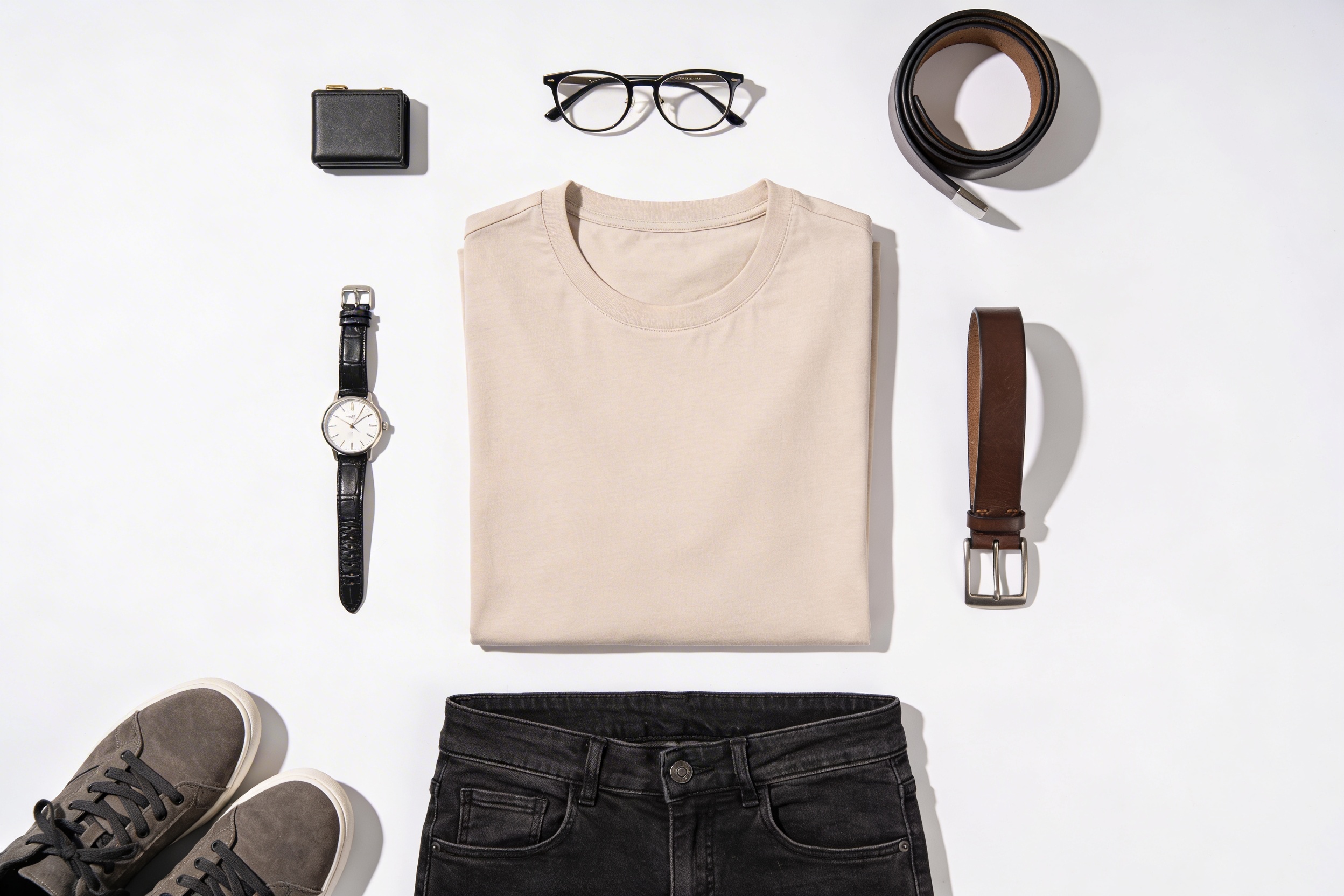
Getting dressed shouldn’t feel like solving a Rubik’s cube blindfolded, but here we are. Most of us stand in front of our closets every morning, staring at a mountain of clothes while simultaneously having “nothing to wear.” The good news? Building a killer outfit isn’t actually complicated once you know the basic formula.
The Foundation: Start with Your Base Layer
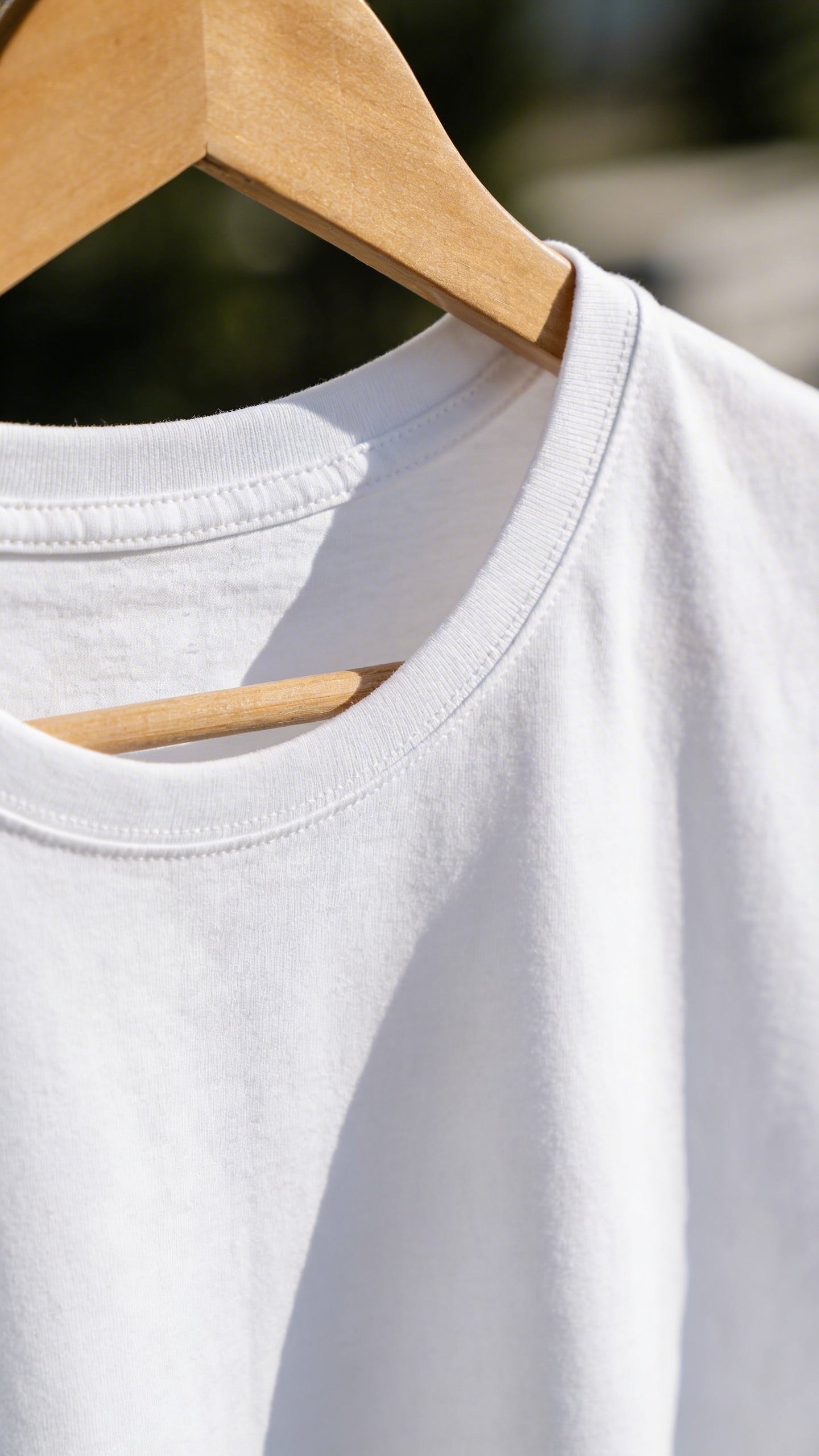
Every great outfit needs a solid foundation, and I’m not talking about your underwear (though yes, that matters too). Your base layer is whatever sits closest to your skin and covers the most real estate. Think t-shirts, button-downs, blouses, or sweaters.
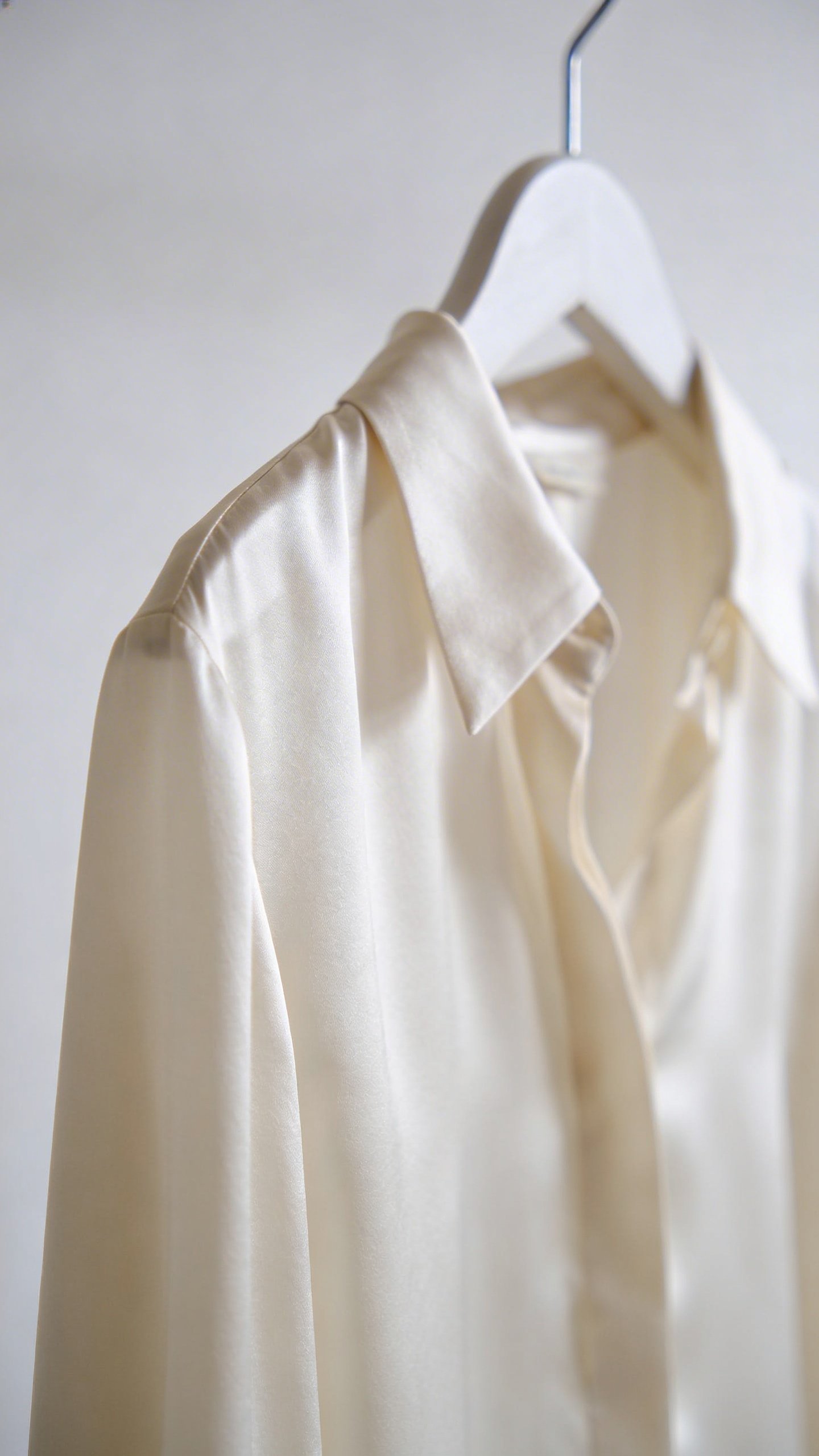
Here’s the thing: your base layer sets the entire vibe for your outfit. A crisp white tee screams casual cool, while a silk blouse tells the world you’ve got your life together (even if you absolutely don’t). Choose this piece first, and everything else will fall into place way easier.
Pro tip? Stick with solid colors for your base layer when you’re just starting out. They’re infinitely more versatile than patterns, and you won’t accidentally clash with yourself like some kind of fashion trainwreck.
Layer Two: The Bottoms That Make Sense
Now that you’ve got your top sorted, it’s time to think about what goes on your legs. The key here is balance, which sounds super abstract but is actually pretty straightforward.
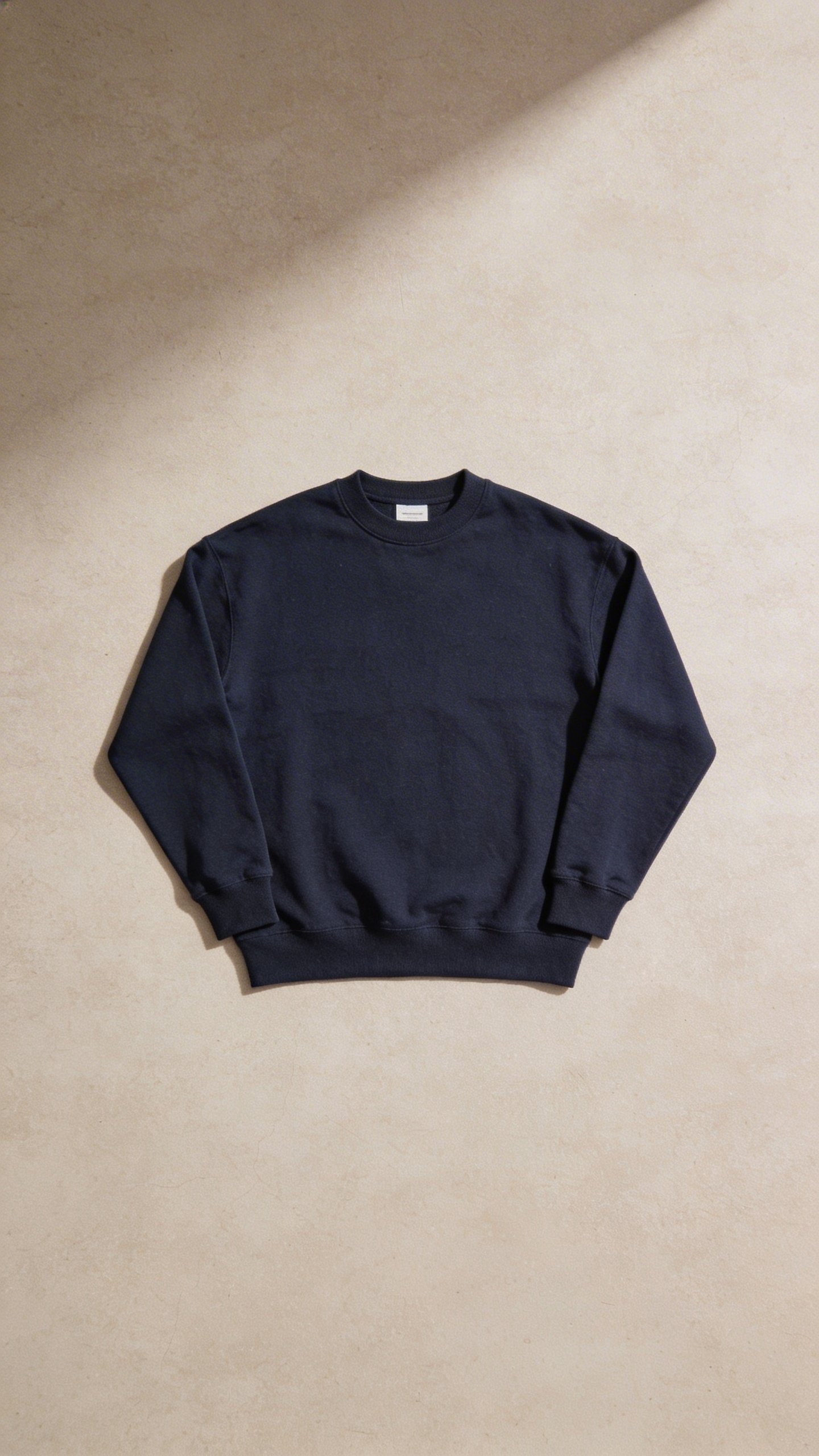
If your top is loose and flowy, go for something more fitted on the bottom. Rocking a baggy sweater? Skinny jeans or tailored trousers are your friends. Wearing a fitted turtleneck? Wider-leg pants or a full skirt will balance things out nicely.
The Color Coordination Cheat Sheet
Matching your top and bottom doesn’t mean everything needs to be the same color (unless you’re going for a monochrome look, which can be fire). Here’s the easiest approach:
- Neutrals with anything: Black, white, grey, navy, and beige play well with literally everything
- Denim is a neutral: Yes, really. Blue jeans work with almost any color top
- One statement piece at a time: If your top is bright red, maybe chill with neon green pants
- Complementary colors work: Think blue and orange, purple and yellow, red and green (but make it fashion, not Christmas)
The Third Piece: Where Outfits Get Interesting
Want to know the secret that separates “I got dressed” from “I put together an outfit”? It’s the third piece, baby. This is your jacket, cardigan, blazer, vest, or overshirt that adds dimension and makes you look like you actually tried.
The third piece is where you can really play around. Your base and bottoms might be pretty basic, but throw on a leather jacket, and suddenly you’re a completely different person. A blazer makes you look professional. An oversized cardigan gives cozy vibes. A denim jacket says you’re effortlessly cool (even if you tried on twelve different shirts before landing on this one).
This layer also serves a practical purpose—it gives you options for temperature control. Too hot? Take it off. Too cold? You’re already prepared. It’s fashion AND function.
Footwear: The Make-or-Break Element
Your shoes can elevate an outfit or absolutely destroy it. I’ve seen perfect outfits ruined by the wrong footwear, and it’s honestly tragic.
The general rule? Match your shoes to the formality level of your outfit. Wearing a blazer and trousers? Sneakers might look weird unless they’re clean and minimal. Rocking jeans and a tee? Dress shoes would be overkill (unless you’re specifically going for that high-low mix, which can work).
Shoe Styles and When to Wear Them
- White sneakers: The swiss army knife of footwear—works with almost everything casual
- Ankle boots: Great for adding edge to any outfit, any season
- Loafers: The sweet spot between casual and dressy
- Sandals: Summer casual only (and please, no socks unless you’re being ironic)
- Heels: Instant outfit elevator for dressier occasions
Accessories: The Finishing Touches
Accessories are where you inject your personality into an outfit. Without them, you’re basically wearing a uniform. With them, you’re making a statement about who you are (or at least who you want people to think you are).
Start simple if this feels overwhelming. A watch, a simple necklace, or a belt can be enough. You don’t need to pile on ten rings, three necklaces, and a statement hat to look put-together.
The Accessory Hierarchy
Think about accessories in this order:
- Jewelry: Watches, rings, necklaces, earrings—pick one or two to focus on
- Bags: Functional but also a major style statement
- Belts: Especially important when your top and bottom create a long, unbroken line
- Hats and scarves: Seasonal and optional, but can completely transform a look
- Sunglasses: Because sometimes you need to look mysterious (or hide the fact that you’re hungover)
IMO, the biggest mistake people make is over-accessorizing. If you’re wearing statement earrings, maybe skip the chunky necklace. Let one piece shine instead of competing for attention.
The Final Check: Does This Actually Work?
Before you head out the door, do a quick mirror check. I’m not talking about obsessing over every detail—just a quick scan to make sure everything flows together.
Ask yourself: Do the proportions look balanced? Does anything feel uncomfortable? Would I feel confident wearing this? If something feels off, it probably is. Trust your gut and swap out whatever’s bugging you.
Also, take a photo if you’re unsure. Sometimes seeing yourself in a picture reveals things the mirror doesn’t. Weird, but true.
Frequently Asked Questions
How many colors should I include in one outfit?
Stick to three colors max when you’re starting out. One neutral, one main color, and one accent color is the foolproof formula. Once you get more comfortable, you can break this rule, but it’s a solid guideline for avoiding looking like a confused rainbow.
Can I wear all black or all one color?
Absolutely! Monochrome outfits are actually super chic and way easier than mixing colors. All black is a classic for a reason. Just make sure you play with different textures to keep it interesting—mix cotton, leather, denim, and knits so you don’t look completely flat.
What if I don’t own a “third piece” like a jacket?
No problem. Your third piece can also be a scarf, a vest, a statement belt, or even just rolling up your sleeves in an intentional way. The point is adding visual interest and dimension, not necessarily adding bulk.
How do I know if my outfit proportions are right?
If your top is oversized, your bottom should be more fitted, and vice versa. Avoid wearing baggy everything or skin-tight everything (unless that’s specifically the look you’re going for). The eye should have somewhere to rest, not be overwhelmed by fabric or lack thereof.
Should my belt match my shoes?
This used to be a hard rule, but honestly? It’s not that deep anymore. Matching metals matters more than matching leather colors these days. If you’re wearing gold jewelry, a gold-toned belt buckle makes more sense than stressing about exact leather shades.
What’s the biggest outfit-building mistake beginners make?
FYI, the most common mistake is trying to make every single piece a statement piece. You end up looking chaotic instead of stylish. Pick one thing to be the star—maybe your shoes, or your jacket, or your accessories—and let everything else support that choice.
Conclusion
Building an outfit doesn’t require a fashion degree or a closet full of designer pieces. You just need a simple formula: start with a solid base, add bottoms that balance, throw on a third layer for dimension, choose appropriate footwear, and finish with a few well-chosen accessories. Once you get this rhythm down, getting dressed becomes less of a daily crisis and more of a creative outlet. Now get out there and put together something that makes you feel like the main character.