

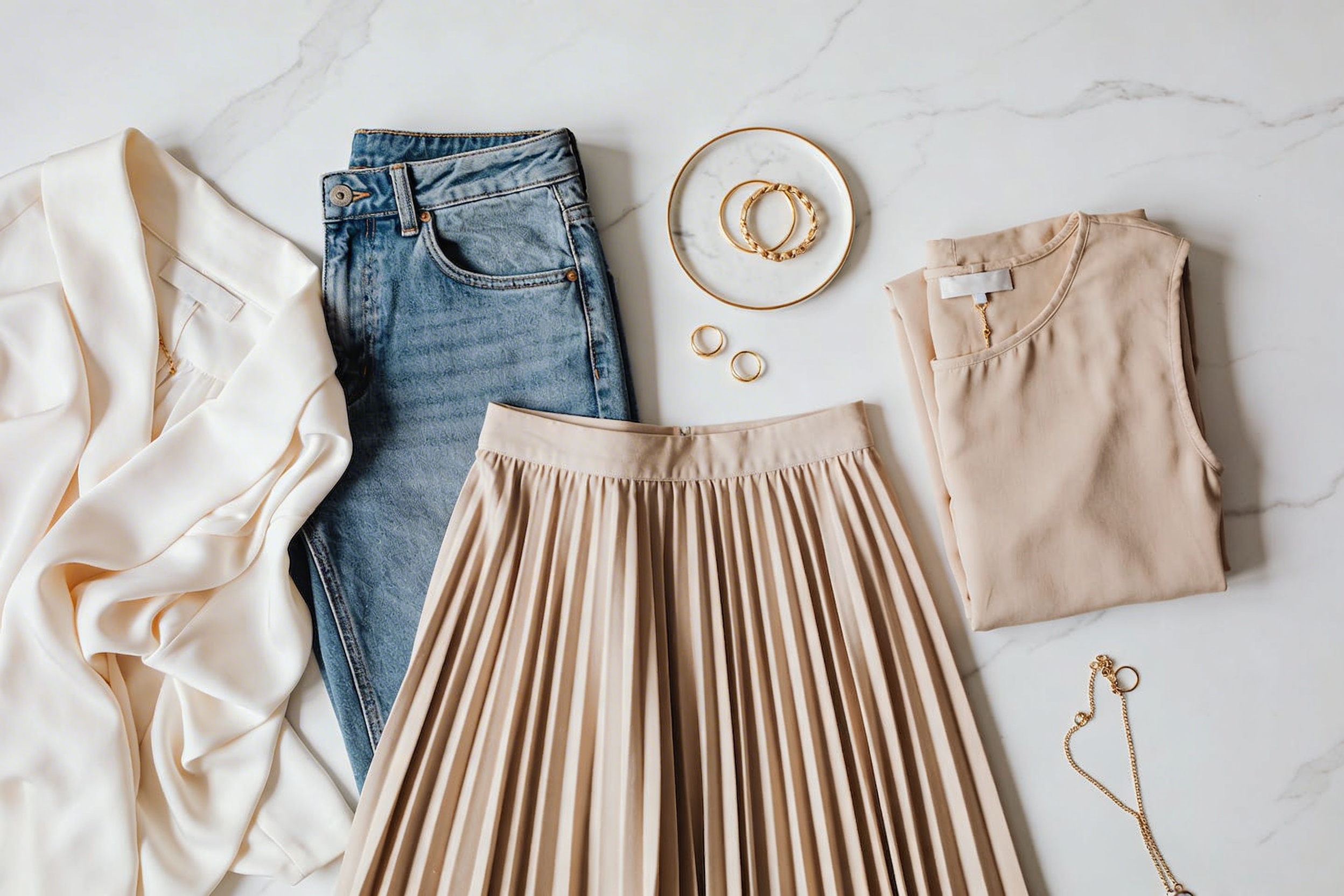
Look, hip dips are totally normal—they’re just where your pelvis naturally curves inward between your hip bone and thigh. But if you’re here, you probably want to know how to dress in a way that creates a smoother silhouette. Good news: with the right outfit choices, you can absolutely balance out your proportions and feel amazing in your clothes.
Understanding What Actually Works (And Why)
Before we dive into specific outfits, let’s talk about the strategy here. The goal isn’t to “fix” anything—because there’s literally nothing wrong with your body. Instead, we’re using visual tricks to create the illusion of a smoother hip line.
The secret? You want to either add volume around the hip dip area or draw attention away from it entirely. Think of it like strategic distraction mixed with a bit of clever proportion play. Some fabrics and silhouettes naturally glide over hip dips, while others tend to highlight every curve and indent.
Bottom Choices That Create a Smooth Line
Let’s start with the foundation of any outfit: your bottoms. This is where you’ll see the biggest impact.
High-Waisted Everything
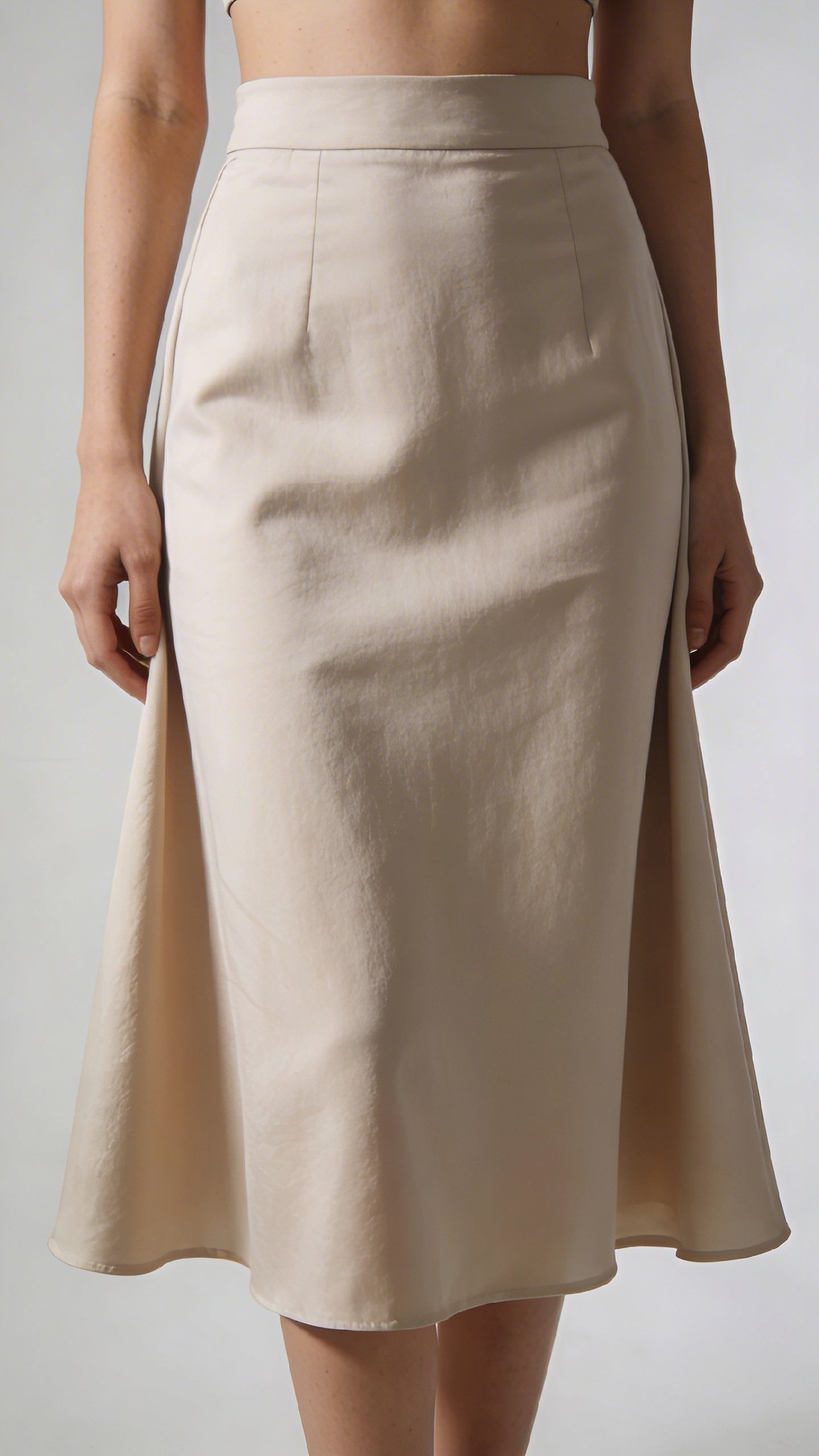
High-waisted pants, skirts, and jeans are your best friends here. They sit above your hip dips, which means the fabric skims over them rather than clinging to every contour. Plus, they elongate your legs and create a super flattering overall shape.
A-line skirts work particularly well because they flare out from the waist, completely bypassing the hip dip area. The fabric flows away from your body, creating that smooth, uninterrupted line you’re after.
The Right Fit Makes All the Difference
Here’s the thing about jeans and pants: avoid styles that are too tight around the hip area. Skinny jeans can sometimes emphasize hip dips because they hug every inch of your lower body. That doesn’t mean you can’t wear them—just look for ones with a bit of stretch that smooth rather than cling.
Straight-leg and wide-leg pants are absolute game-changers. They create a vertical line that doesn’t hug your hips too tightly, and the extra fabric naturally fills in the hip dip area. Bonus: they’re super on-trend right now.
Structured Fabrics Are Your Allies
Pay attention to fabric weight and structure. Thicker materials like denim, ponte knit, and structured cotton blends tend to smooth over hip dips better than thin, clingy fabrics. Look for pants with a bit of structure that can hold their shape rather than molding to every curve.
Dresses That Flatter Your Shape
Dresses can be tricky, but once you know what to look for, they’re actually super easy to style around hip dips.
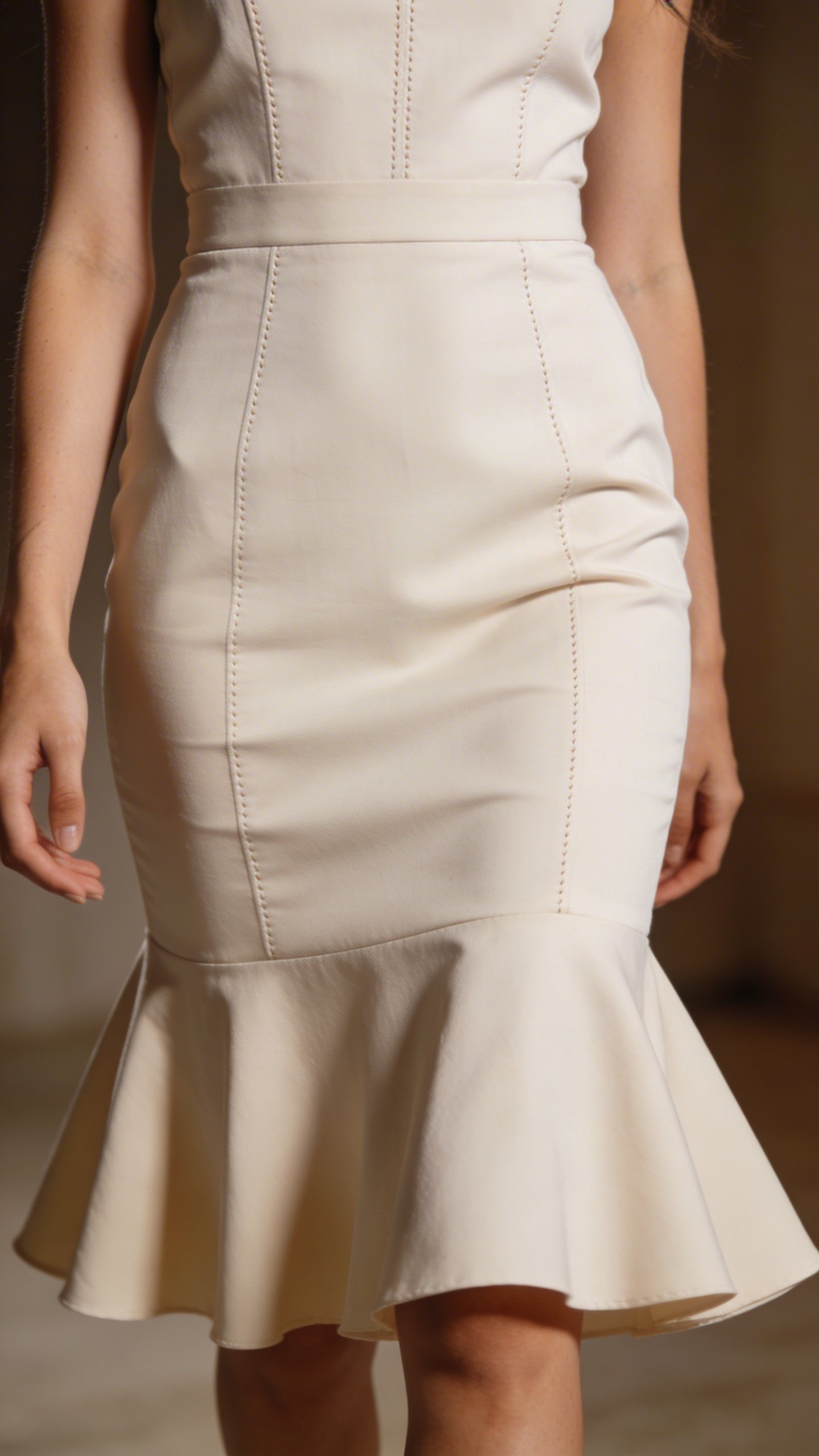
Fit-and-flare dresses are pretty much designed for this. They’re fitted at the top and flare out from the waist, which means they completely skip over the hip area. You get the fitted look up top while the skirt portion creates that smooth, feminine silhouette.
Wrap dresses work similarly well. The way they drape creates gorgeous, flowing lines that don’t cling to your hips. Plus, you can adjust the tie to sit at the most flattering point on your waist.
Empire waist dresses are another solid option. Since they cinch right under the bust and flow from there, your hip area gets zero attention. Just make sure the fabric isn’t too thin or it might still show the outline of your hips.
Tops and Layering Tricks
Your top half plays a bigger role than you might think. The right tops can create balance and draw the eye exactly where you want it.
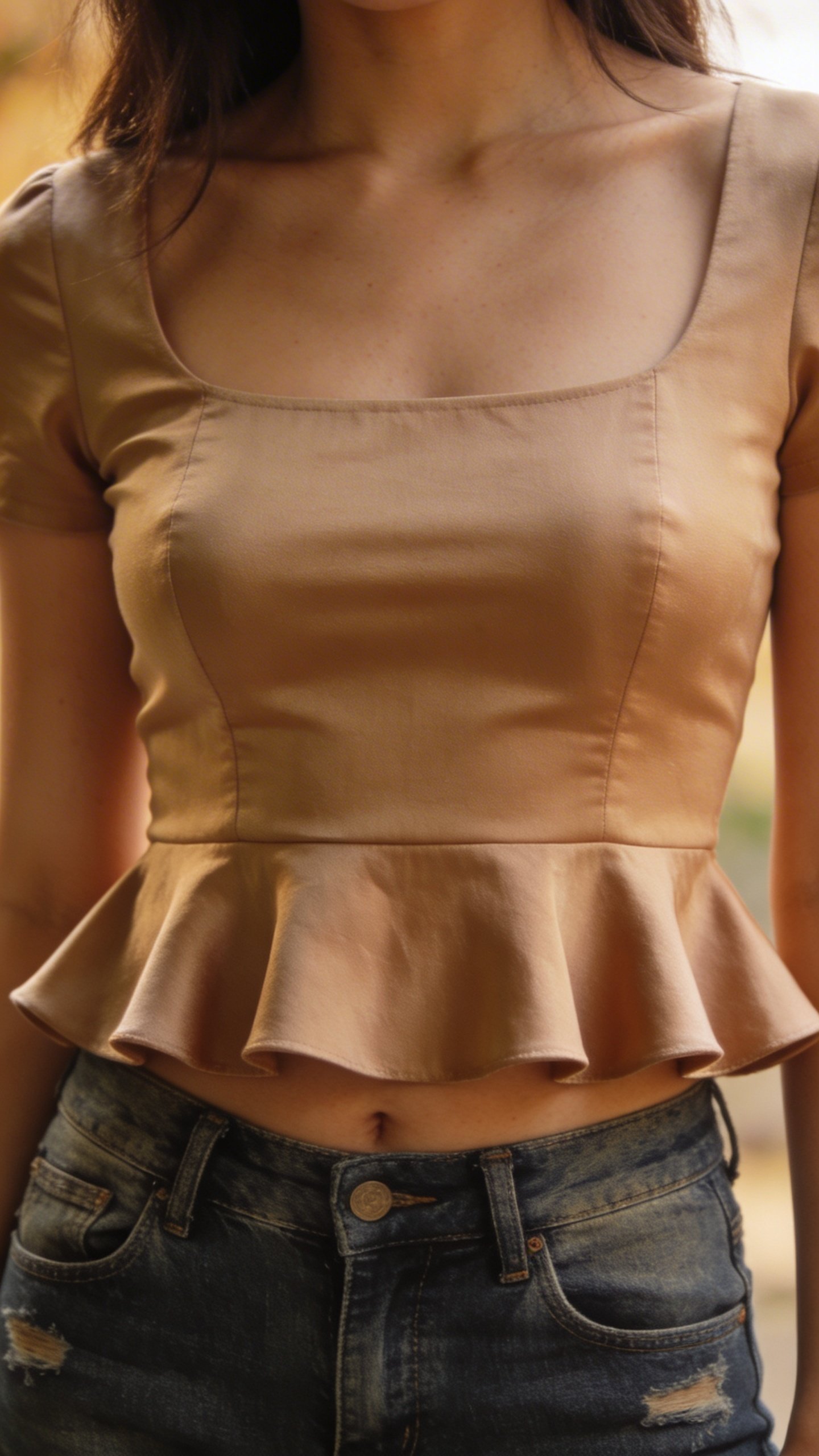
Peplum tops are clutch for this. That little flare at the waist adds volume right where you need it, creating a smoother transition over your hips. The extra fabric literally fills in the hip dip space.
Longer tops and tunics that hit at mid-hip or lower work because they cover the hip dip area entirely. When you pair them with leggings or skinny jeans, the longer top creates a smooth line while still showing off your shape.
Strategic Layering
Want to know a styling hack? Layer a longer cardigan or jacket over fitted bottoms. The vertical lines of the open cardigan draw the eye up and down rather than side to side, and the length provides coverage right where hip dips typically show.
Blazers that hit below the hip bone create a similar effect. Just make sure they’re not too boxy—you still want some shape definition.
The Power of Strategic Details and Patterns
Sometimes it’s the little details that make the biggest difference. Ruffles, pockets, and embellishments placed strategically around the hip area add dimension and fill in the dip visually.
Side pockets on pants and skirts actually serve a purpose beyond being convenient. They add a bit of bulk to the hip area, which can smooth out the appearance of hip dips. Look for styles with pocket detailing or seaming that creates visual interest.
Patterns can be your secret weapon too. Busy prints, especially around the hip area, camouflage the natural curves and indents of your body. Vertical stripes are particularly effective because they create long, continuous lines that don’t draw attention to any specific area.
Underwear and Shapewear Basics
Let’s be real—what you wear underneath matters just as much as what shows on the outside.
Hip-enhancing underwear or padded shapewear can literally fill in hip dips if you want that extra smoothing. These aren’t the torture devices your grandmother wore—modern shapewear is actually comfortable and genuinely works.
High-waisted shapewear shorts smooth everything from your waist to mid-thigh, creating a continuous line under your clothes. They work especially well under fitted dresses or form-fitting outfits.
That said, you don’t need shapewear for every outfit. Sometimes just wearing the right cut of regular underwear (hint: high-waisted or boyshorts) can make your clothes lay better.
What to Avoid (If Smoothing Is Your Goal)
Okay, let’s talk about styles that tend to emphasize rather than minimize hip dips.
Low-rise anything typically draws attention to the exact area you’re trying to downplay. The waistband sits right at hip dip level, which just highlights them. Plus, low-rise bottoms are generally less flattering on most body types anyway, IMO.
Super thin, clingy fabrics like jersey or thin spandex blends will show every contour. If you love bodycon styles, just layer them with a structured jacket or longer top.
Horizontal stripes or details right at hip level can emphasize width. If you’re wearing stripes, vertical ones or stripes on your upper half work better for balancing your proportions.
Frequently Asked Questions
Can I still wear bodycon dresses with hip dips?
Absolutely! If you love bodycon dresses, wear them with confidence. You can smooth the silhouette with the right shapewear, or just rock your natural shape. Honestly, most people don’t notice hip dips nearly as much as you think they do. If you want a smoother look, choose thicker bodycon fabrics or layer with a leather jacket or blazer.
Do hip dips ever go away with exercise?
Nope, hip dips are skeletal—they’re caused by the shape of your pelvis and where your thigh bone connects to it. You can build muscle in your glutes and hips to minimize their appearance slightly, but exercise won’t eliminate them because they’re literally part of your bone structure. FYI, even super fit athletes and models have hip dips.
What type of swimsuit works best for hip dips?
High-waisted bikini bottoms are your best bet. They sit above the hip dip area and create a smooth line. One-piece suits with ruching or gathering at the sides also work well because the texture camouflages the natural curves. Avoid super thin, stretchy suits that cling to every contour.
Are there any jeans specifically designed for hip dips?
While brands don’t typically market jeans as “for hip dips,” look for styles with a slightly relaxed fit through the hip and thigh. Mom jeans, boyfriend jeans, and straight-leg styles generally work better than super skinny jeans. Some brands like Levi’s Ribcage or Madewell’s high-rise options have thicker denim that smooths nicely.
Should I size up to hide hip dips better?
Don’t size up—that usually creates more problems than it solves. Clothes that are too big will bag in weird places and actually draw more attention to your shape. Instead, focus on finding the right style and fit for your actual size. Tailoring can also help if something fits everywhere except the hips.
Can belts help or hurt the hip dip situation?
Belts can actually help! Wearing a belt at your natural waist draws attention upward and creates definition at the narrowest part of your torso. This creates a nice hourglass effect and takes focus away from your hips. Just avoid wearing belts that sit right at hip level.
Final Thoughts
Here’s the bottom line: hip dips are completely normal, and you don’t need to hide them unless YOU want to. These styling tips are just tools in your wardrobe arsenal—use them when you want to create a smoother silhouette, and ignore them when you don’t care.
The best outfit is always the one that makes you feel confident and comfortable. Whether that’s a bodycon dress that shows every curve or a flowy A-line skirt that smooths everything out, wear what makes you happy. Fashion should be fun, not stressful, and your body deserves to be dressed in things you actually love wearing.